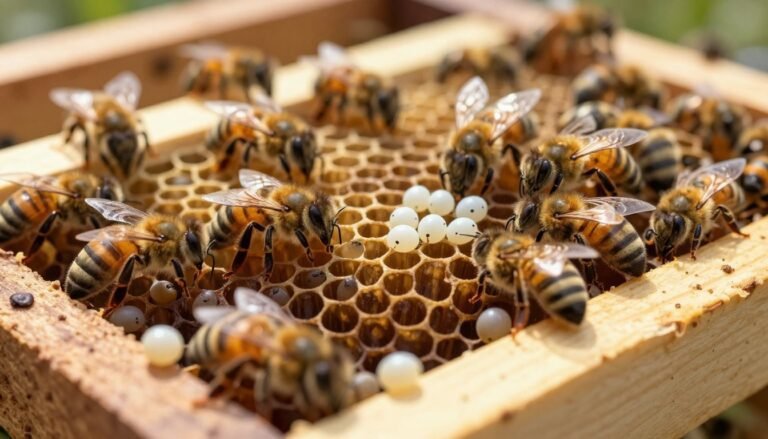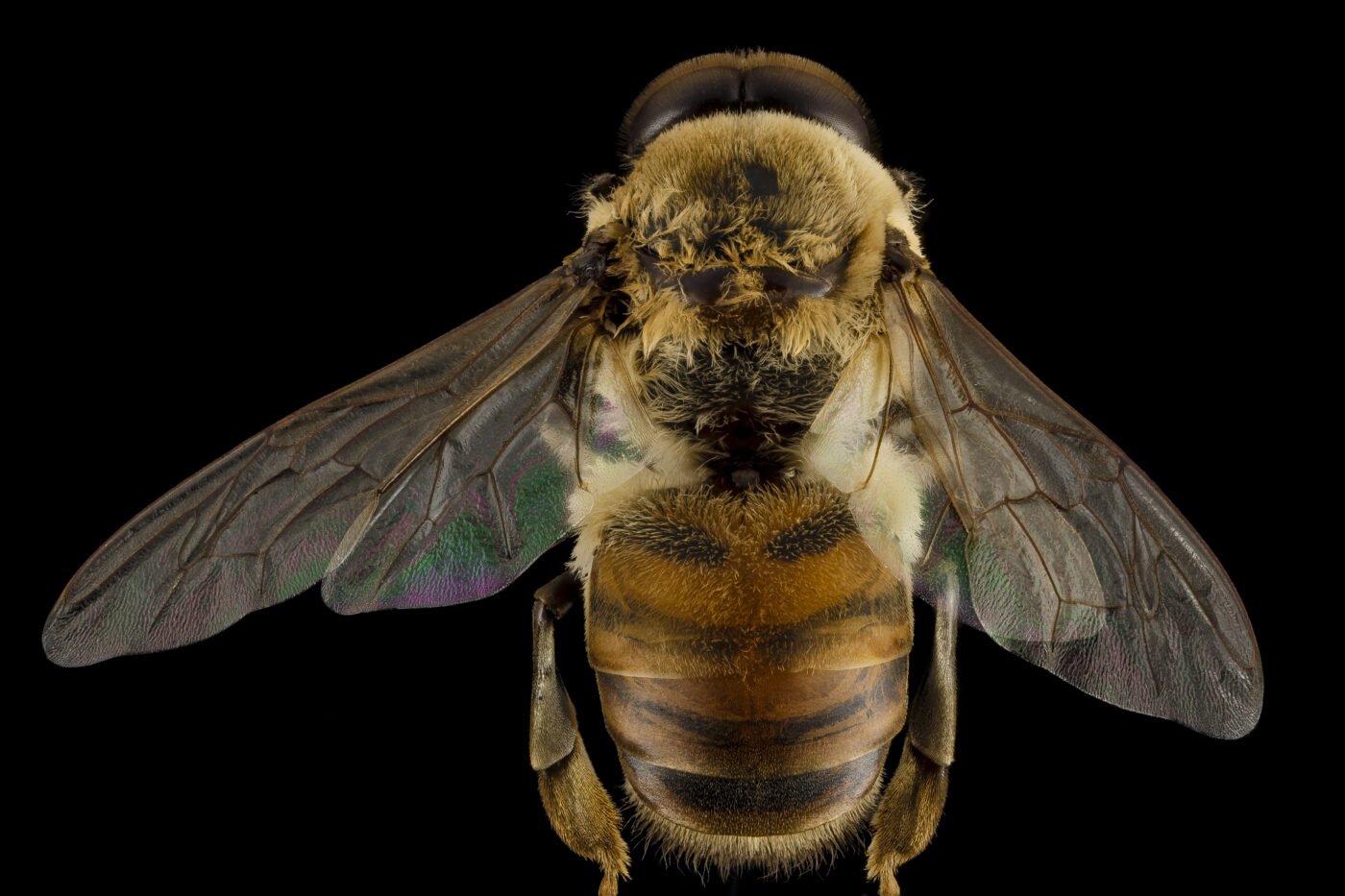
Drone brood removal is already a standard, widely used Varroa mite control technique — beekeepers trap mites in sacrificial drone comb, then cut it out and destroy it — but researchers in Europe are now studying whether that same discarded byproduct could instead become a genuine human food source, and the European Union is in the process of formally reviewing honey bee drone brood for “novel food” status. It’s a rare case where an existing beekeeping waste stream and an emerging food-security research question point toward the exact same material.
Key Takeaways
- Drone brood removal exploits Varroa mites’ strong preference for reproducing in drone (male) brood cells over worker brood, letting beekeepers trap and discard a large share of a colony’s mite population by removing sacrificial drone comb.
- That removed drone brood is typically destroyed as a matter of course, but researchers have studied it as a human food source, finding it nutritionally comparable to meat in protein quality and quantity, plus monounsaturated fat and B vitamins.
- The European Union has an active “novel food” application under review for honey bee drone brood (Apis mellifera male pupae), the formal regulatory step required before a food ingredient with no significant history of EU consumption can be legally sold.
- Described taste and texture in food-science literature is nutty and crunchy when cooked or dried, and researchers have proposed uses in soups, egg dishes, and other savory preparations.
- Because the raw material is already being removed from hives for Varroa control regardless, using it as food doesn’t require any additional harm to a colony beyond what standard mite management already does.
Table of Contents
- Why Drone Brood Gets Removed in the First Place
- From Mite Trap to Food-Science Subject
- The EU’s Novel Food Review
- What This Would Actually Mean for a Beekeeper
- Frequently Asked Questions
Why Drone Brood Gets Removed in the First Place
Drone brood trapping exists as a Varroa management tactic because of a genuine biological quirk: Varroa mites reproduce more successfully in drone brood cells than in worker brood cells, largely because a drone’s longer development period gives an invading mite more time to complete its own reproductive cycle before the cell is capped and the bee emerges. Beekeepers exploit this by giving a colony a frame of drone-sized foundation, letting the colony fill it with drone brood as it naturally would, then removing and destroying that comb once it’s capped — before the mites reproducing inside it can emerge and spread further into the colony. It’s a well-established part of integrated pest management, and this site’s guide to oxalic acid vaporization for Varroa mites covers the chemical side of modern mite control that drone trapping is often used alongside rather than instead of.
From Mite Trap to Food-Science Subject
What happens to that removed drone comb has traditionally been simple: it gets destroyed, typically frozen or otherwise discarded, treated purely as a control byproduct with no further use. Food-science researchers, working separately from the pest-management side of beekeeping, have spent the past decade examining whether that same material has real value as human food rather than waste. Published nutritional analysis of honey bee drone brood has found it comparable to beef in protein quality and quantity, while also containing monounsaturated fat (including oleic acid), vitamin B3, vitamin B5, and a range of minerals — a nutritional profile that has made insect-based proteins broadly, and drone brood specifically, a genuine subject of food-security and alternative-protein research. Described preparations in the food-science and popular-science literature on the subject include simmering or drying the brood to produce a nutty-flavored, crunchy ingredient usable in soups, egg dishes, and other savory cooking applications, similar in concept to how other edible-insect products are prepared and marketed elsewhere in the world.
The EU’s Novel Food Review
Turning a research finding into something legally sellable is a separate, formal process, and that process is genuinely underway. The European Commission’s novel food framework requires any food ingredient without a significant history of consumption within the EU before 1997 to go through a formal safety-assessment application before it can be marketed — the same regulatory pathway other edible insects, including specific cricket and mealworm products, have already gone through in recent years. An official EU novel food application specifically covering honey bee drone brood (Apis mellifera male pupae) has been submitted and is moving through this review process, with industry sources tracking the file expecting a decision on official novel food status. This is a meaningfully different situation from a beekeeper simply eating drone brood informally, which some already do without any regulatory step — a novel food authorization is specifically about clearing the ingredient for commercial sale and marketing across the EU.
What This Would Actually Mean for a Beekeeper
For working beekeepers, the realistic near-term picture is modest rather than transformative: this is a developing research and regulatory area, not yet an established commercial market a hobbyist or small producer can simply plug into. What makes it worth understanding now, rather than dismissing as a novelty, is the underlying economics — because drone brood removal is a control practice most Varroa-conscious beekeepers already perform as part of standard integrated pest management, any future path to selling or using that material as food would represent value recovered from an existing waste stream, not an entirely new burden on the colony or the beekeeper’s time. That’s a meaningfully different proposition from, say, farming insects specifically for food, where the whole production cost has to be justified by the food product alone. Whether drone brood food products actually reach a real consumer market at any scale will depend on the EU’s formal novel-food decision, further palatability and market research, and, frankly, how willing Western consumers turn out to be to try a genuinely new food category — the same adoption question facing every other edible-insect product currently working through similar regulatory pipelines.
Frequently Asked Questions
Why do beekeepers remove drone brood in the first place?
Varroa mites reproduce more successfully in drone brood than worker brood, so beekeepers use sacrificial drone comb to trap a disproportionate share of the mite population, then remove and destroy that comb before the mites can emerge and spread further.
Is eating drone brood actually being studied seriously as food?
Yes. Food-science research has analyzed its nutritional profile, finding it comparable to beef in protein quality, and the European Union has an active novel food application under review specifically for honey bee drone brood.
Is it currently legal to sell drone brood as food in the EU?
Commercial sale requires clearing the EU’s novel food authorization process, which was, at the time of this writing, still under formal review for honey bee drone brood specifically.
Does using drone brood as food require harming the colony more than normal?
No — the drone brood in question is material already being removed for standard Varroa mite control, so repurposing it as food doesn’t add any additional stress to the colony beyond existing integrated pest management practice.
What does drone brood reportedly taste like?
Food-science and popular-science descriptions characterize cooked or dried drone brood as having a nutty flavor and crunchy texture, suited to preparations like soups and egg dishes.