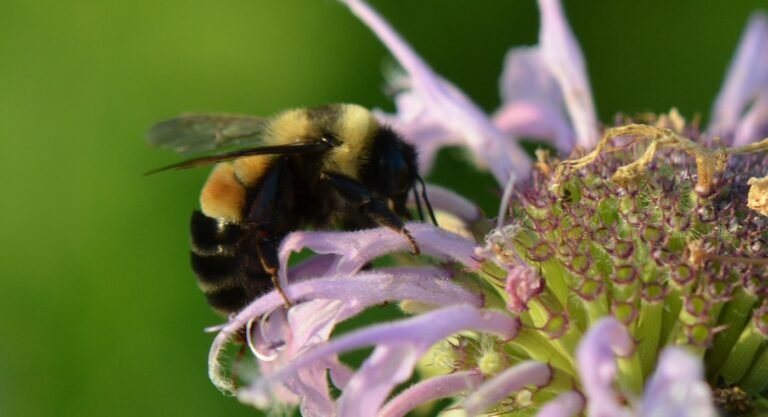
Franklin’s bumblebee (Bombus franklini) hasn’t been confirmed alive since August 9, 2006, when a single worker was spotted on a wildflower at Mount Ashland, Oregon — and a recent genomic study has actually overturned the leading explanation for why it vanished, ruling out the disease theory that dominated the story for years. It’s one of the most narrowly distributed bumblebee species ever documented, and it may be the first bumblebee species to go extinct in North America in modern times.
Key Takeaways
- Franklin’s bumblebee occupied one of the smallest known ranges of any bumblebee species — roughly 190 by 70 miles between the Coast and Sierra-Cascade mountain ranges of southern Oregon and northern California — meaning the entire global population lived in one relatively small region.
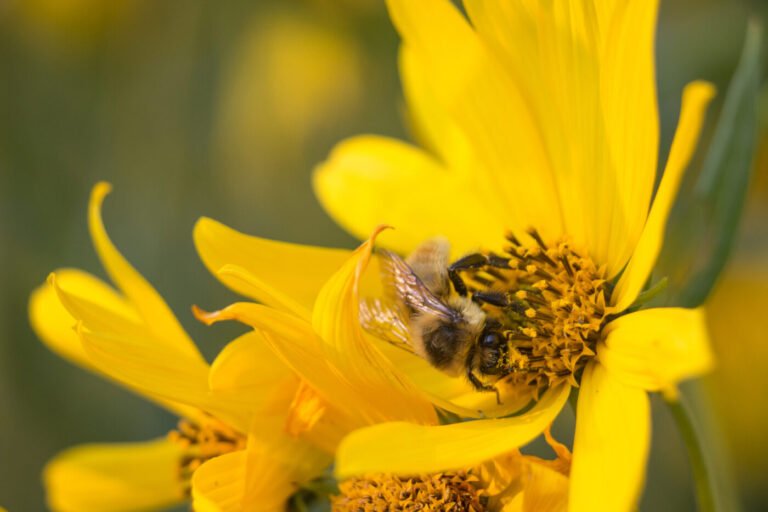
- The last confirmed sighting was a single worker on a sulphur flower at Mount Ashland, Oregon, on August 9, 2006. Despite continued survey efforts since, no confirmed sighting has followed.
- It was formally listed as endangered under the U.S. Endangered Species Act in 2021 and under the California Endangered Species Act in 2019, and carries a NatureServe rank of G1 (critically imperiled).
- For years, the leading theory blamed pathogen spillover from commercial bumblebee colonies used in greenhouse tomato pollination — but a genomic study analyzing museum specimens found the real drivers were low genetic diversity, inbreeding, and extreme environmental events, not disease.
- Organizations including the Xerces Society continue surveying the species’ historic range on the chance a surviving population still exists, though no confirmed detection has been reported since 2006.
Table of Contents
- An Unusually Small Range for a Bumblebee
- The Last Confirmed Sighting
- Official Endangered Status
- The Disease Theory That Turned Out to Be Wrong
- Is Anyone Still Looking?
- Frequently Asked Questions
An Unusually Small Range for a Bumblebee
Most North American bumblebee species — including the many covered in this site’s own complete guide to bumblebees — range across large parts of a continent. Franklin’s bumblebee was the extreme opposite case: its entire known range covered an area roughly 190 miles by 70 miles, wedged between the Coast Range and the Sierra-Cascade mountains along the Oregon-California border. That’s one of the smallest geographic ranges ever documented for any bumblebee species anywhere in the world. A species confined that tightly to one region has essentially no buffer if something goes wrong locally — there’s no other population elsewhere to fall back on if the home range takes a hit, which is exactly what researchers now believe happened here.
The Last Confirmed Sighting
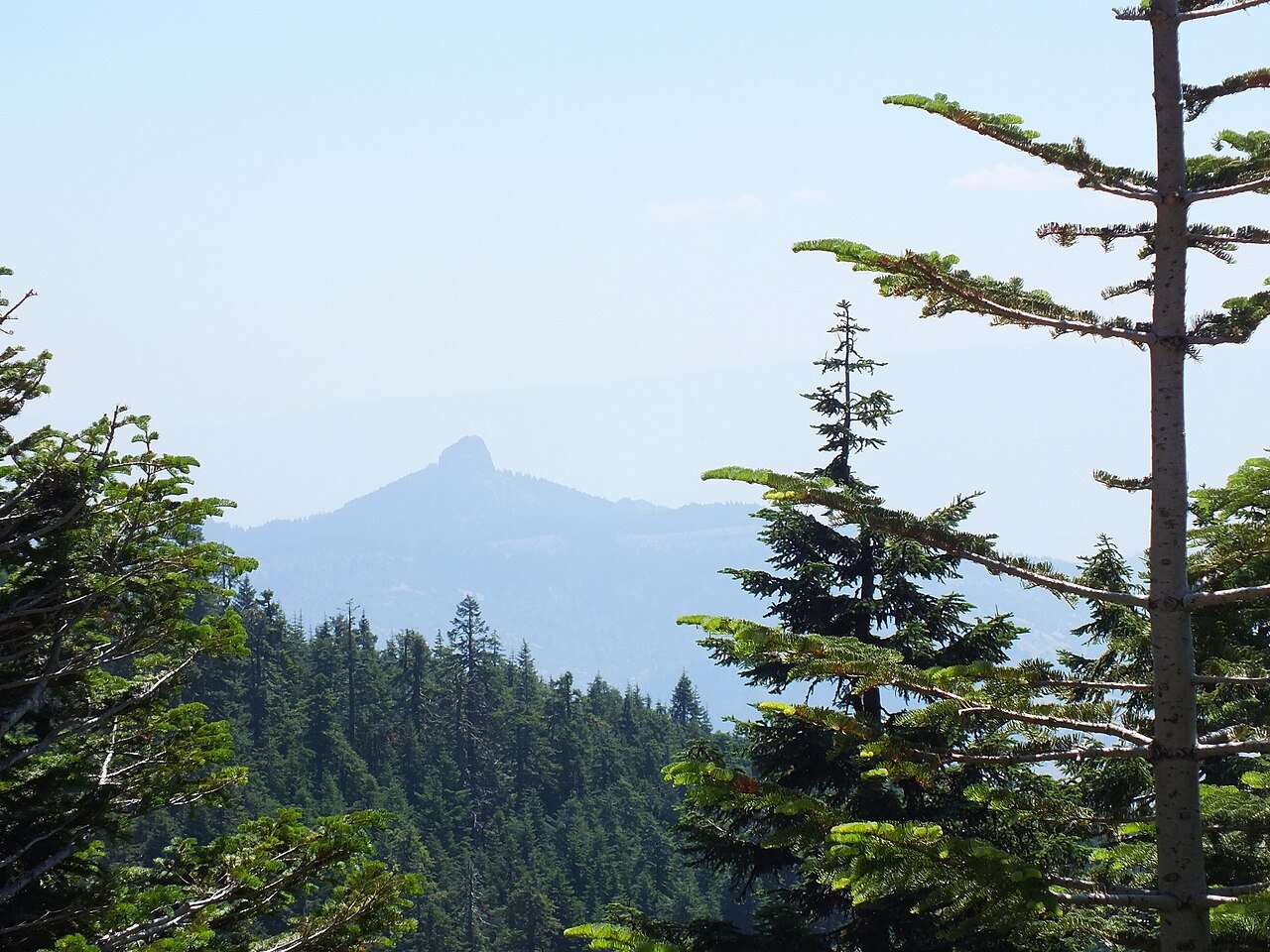
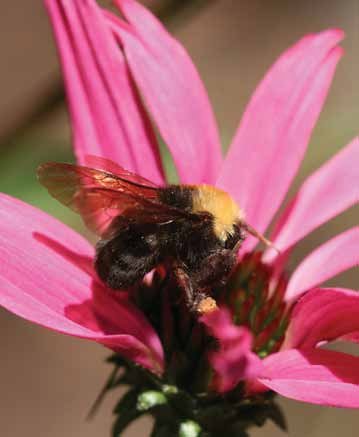
On August 9, 2006, a single Franklin’s bumblebee worker was documented foraging on a sulphur flower at Mount Ashland. That sighting remains, as of this writing, the last confirmed record of the species anywhere. Population numbers had already been dropping sharply through the late 1990s and early 2000s before that final record, which is part of why researchers had been actively monitoring the species’ small range rather than only noticing its disappearance in hindsight.
Official Endangered Status
Franklin’s bumblebee carries a NatureServe conservation rank of G1, meaning critically imperiled, and the IUCN Red List categorizes it as critically endangered. In October 2018, the Xerces Society, Defenders of Wildlife, and the Center for Food Safety jointly petitioned the California Fish and Game Commission to list it under the California Endangered Species Act, and the state formally added it to the protected list in June 2019. It was subsequently listed as endangered under the federal U.S. Endangered Species Act in 2021. Some researchers consider the species already functionally extinct given how long it’s gone unconfirmed, while the formal conservation-status designations technically stop short of declaring extinction outright — a real, meaningful distinction between the cautious language of a formal listing and what many scientists privately believe has already happened.
The Disease Theory That Turned Out to Be Wrong
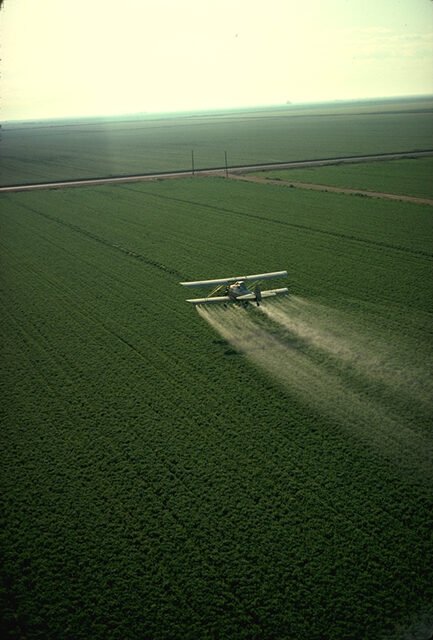
For years, the dominant explanation for Franklin’s bumblebee’s collapse pointed to pathogen spillover: commercial bumblebee colonies shipped around North America for greenhouse tomato pollination were suspected of introducing a pathogen — most commonly pointed to as a strain of Nosema bombi — into wild populations of Franklin’s bumblebee and several related western bumblebee species that crashed around the same period. It was a plausible, widely repeated story, and it fit a broader pattern of commercial pollinator trade being linked to wild bee declines elsewhere.
A more recent study analyzing genomic data from museum specimens complicated that story considerably. Rather than confirming disease as the primary driver, the research found that low genetic diversity, inbreeding, and extreme environmental events were the better-supported explanations for the population’s collapse — and specifically found the decline was not primarily attributable to pathogens, a real correction to the story most retellings still repeat uncritically. That doesn’t mean disease played zero role in the broader decline of related western bumblebee species, but for Franklin’s bumblebee specifically, the genomic evidence points toward a population that was already genetically vulnerable from its unusually small range, compounded by environmental shocks, rather than a single disease event wiping it out.
Is Anyone Still Looking?
Yes. Researchers and conservation groups, including the Xerces Society, have continued surveying Franklin’s bumblebee’s historic range in the years since 2006, in case a small surviving population has simply gone undetected in difficult terrain. This site’s own guide to citizen science programs for pollinators covers several of the platforms (like Bumble Bee Watch) that make it possible for an ordinary hiker or naturalist in the species’ historic range to submit a photo that could, in principle, produce the first confirmed sighting in nearly two decades. No such confirmation has been reported as of this writing, but the search itself hasn’t stopped, which is a meaningfully different situation than a species being formally declared extinct and abandoned to the historical record.
Frequently Asked Questions
Is Franklin’s bumblebee officially extinct?
Not formally. It’s listed as endangered under both the U.S. and California Endangered Species Acts and carries a critically imperiled conservation rank, but it hasn’t been formally declared extinct, even though it hasn’t been confirmed alive since 2006 and some researchers consider it already functionally extinct.
When and where was it last seen?
A single worker was documented on a sulphur flower at Mount Ashland, Oregon, on August 9, 2006 — the last confirmed sighting of the species anywhere.
What caused Franklin’s bumblebee to decline?
For years, pathogen spillover from commercial greenhouse-pollination bumblebee colonies was the leading theory. A more recent genomic study of museum specimens found the population’s collapse is better explained by low genetic diversity, inbreeding, and extreme environmental events than by disease.
Why did it have such a small range in the first place?
Its entire known range covered roughly 190 by 70 miles between the Coast Range and the Sierra-Cascade mountains along the Oregon-California border — one of the smallest ranges ever documented for a bumblebee species, leaving no other population to fall back on when the local one collapsed.
Is anyone still searching for surviving populations?
Yes. The Xerces Society and other researchers have continued survey efforts across the species’ historic range, and citizen-science platforms like Bumble Bee Watch make it possible for members of the public to submit a photo that could produce a new confirmed sighting.
For more background on this, see the Xerces Society.