Published September 1, 2026
Table of Contents
- The Short Answer
- The Theory Behind the Claim
- The Pollen Problem: Why the Mechanism Falls Apart
- What the Actual Clinical Studies Show
- The One Real Exception Worth Knowing
- Why the Belief Persists Anyway
- Should You Still Try It?
- Common Mistakes
- How Real Allergy Immunotherapy Actually Differs
- Does Raw vs. Processed Honey Change Anything?
- How Much Pollen Is Actually in Honey?
- Other Honey Benefits That Are Better Supported
- Limitations of the Existing Research
- Could It Be a Placebo Effect?
- When to Talk to an Allergist Instead
- A Beekeeper’s Honest Perspective
- Buying Genuinely Local Honey Anyway
- Do Findings Vary by Country or Honey Type?
The Short Answer
The scientific evidence does not support the popular belief that eating local honey meaningfully relieves seasonal pollen allergies. Multiple clinical studies have found no significant difference in allergy symptoms between people eating local honey and those who don’t, and the biological mechanism the theory depends on doesn’t hold up well under scrutiny either.
The Theory Behind the Claim
The popular reasoning goes like this: local honey contains small amounts of local pollen, and eating that pollen regularly works like a mild, gradual immunotherapy, slowly desensitizing your immune system to the same pollen that triggers your seasonal allergy symptoms outdoors. It’s a plausible-sounding idea, modeled loosely on how real allergy immunotherapy (allergy shots) actually works by introducing gradually increasing allergen doses over time.
The Pollen Problem: Why the Mechanism Falls Apart
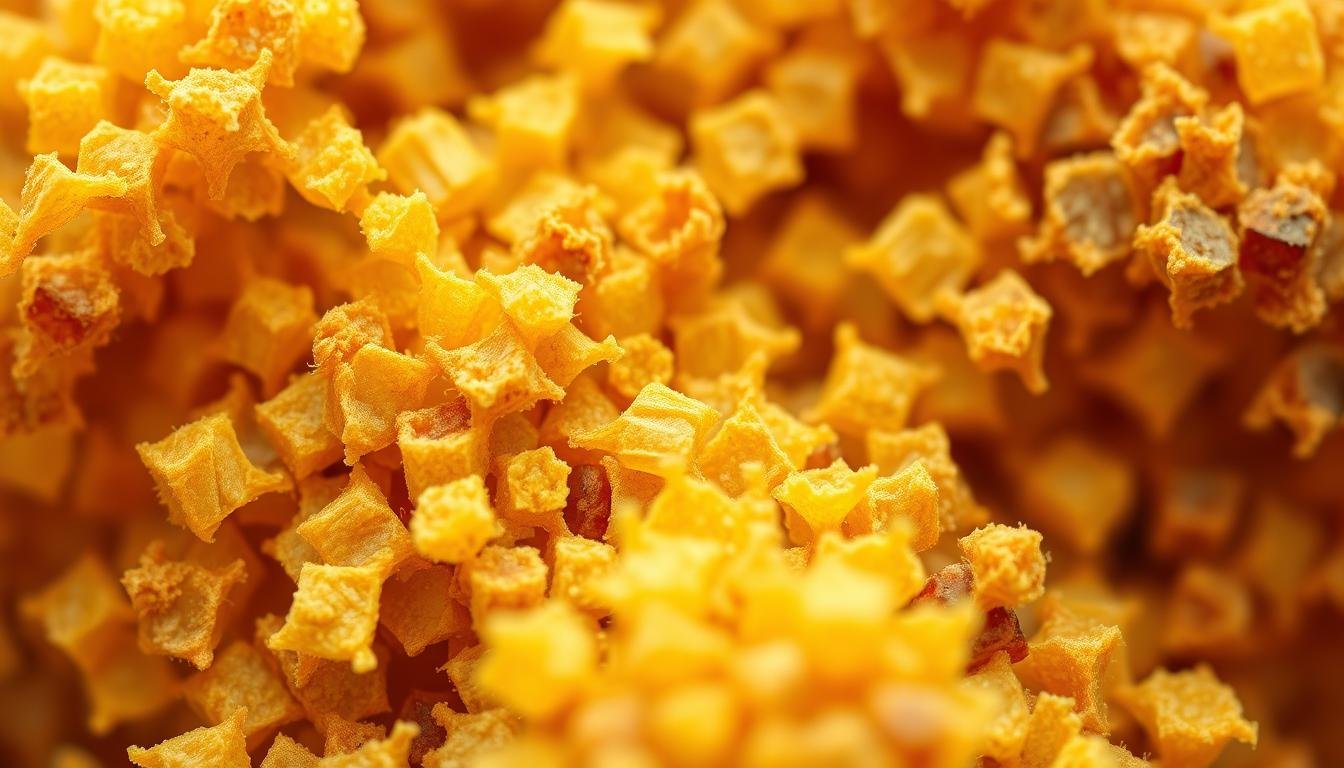
The theory runs into a real biological problem: most seasonal hay fever is triggered by wind-pollinated plants like grasses, ragweed, and certain trees, which release enormous quantities of very fine, lightweight pollen specifically adapted to travel on air currents. Honey bees, by contrast, primarily collect pollen from insect-pollinated flowers, which tend to be heavier, stickier, and produced in far smaller quantities since these plants rely on animal pollinators rather than the wind to spread it. This means the pollen actually present in most local honey often isn’t the same pollen causing a given person’s hay fever symptoms in the first place, undercutting the core premise of the theory.
What the Actual Clinical Studies Show
The available clinical research is consistent with the theoretical problem above. A study published in the Annals of Allergy, Asthma and Immunology involving 64 participants found no measurable benefit from consuming about one tablespoon of local honey daily. A separate study of 36 seasonal allergy sufferers similarly found no significant difference in symptoms between people eating locally collected, unfiltered honey and those who didn’t. The overall pool of dedicated clinical studies on this specific question remains small, but what does exist consistently fails to show a meaningful effect.
The One Real Exception Worth Knowing
Some research has found symptom improvement using specific, well-characterized honey types under controlled conditions, most notably certain studies on Tualang honey, a specific honey variety from Southeast Asia, showing measurable improvement compared to a placebo. This doesn’t mean any random jar of local honey will produce similar results; a positive finding for one specific, tested honey type under study conditions is a very different claim than the general “eat any local honey and your allergies will improve” advice that circulates popularly.
Why the Belief Persists Anyway
The local-honey-allergy belief persists partly because it’s genuinely plausible-sounding on the surface, partly because seasonal allergy symptoms naturally fluctuate regardless of any intervention, making it easy to attribute a good week to the honey rather than to normal symptom variability, and partly because it’s a low-risk, pleasant remedy to try that carries none of the downsides of pharmaceutical allergy treatment, making people more inclined to want to believe it works. None of these reasons make the underlying clinical evidence any stronger, though they help explain why the myth remains so widespread despite it.
Should You Still Try It?
Trying local honey isn’t harmful for most healthy adults, and enjoying a genuinely good local product is reasonable on its own terms even without an allergy benefit, but it shouldn’t replace evidence-based allergy treatments like antihistamines, nasal corticosteroids, or actual immunotherapy for anyone with meaningful symptoms. Anyone considering it specifically as an allergy treatment should set realistic expectations based on the actual clinical evidence rather than the popular claim, and should never give honey to an infant under one year old regardless of the reason, a completely separate and much more serious safety issue covered in our infant honey safety guide.
How Real Allergy Immunotherapy Actually Differs
Legitimate allergy immunotherapy, whether delivered as injections or sublingual tablets, uses precisely measured, standardized allergen extracts targeted to a patient’s specific confirmed allergies, administered on a carefully calibrated dosing schedule under medical supervision over months or years. Local honey offers none of this precision: the pollen content is unmeasured and unpredictable batch to batch, isn’t matched to any individual’s actual tested allergies, and isn’t dosed on any evidence-based schedule, making the comparison to real immunotherapy more superficial than substantive.
Does Raw vs. Processed Honey Change Anything?
Some proponents specifically recommend raw, unfiltered local honey over processed honey on the theory that filtration removes the pollen content processed honey would otherwise still contain. While it’s true that heavy filtration does reduce pollen content, this distinction doesn’t change the underlying clinical picture, since the studies finding no significant allergy benefit specifically used raw, unfiltered honey and still failed to find a meaningful effect.
How Much Pollen Is Actually in Honey?
Even unfiltered, raw honey typically contains only trace amounts of pollen relative to what’s needed for any meaningful immunological effect, generally far less than the standardized doses used in actual clinical immunotherapy. This trace-level pollen content is itself one more reason the popular theory struggles clinically: even setting aside the pollen-type mismatch problem, the sheer quantity present in a typical serving of honey is unlikely to be immunologically significant on its own.
Other Honey Benefits That Are Better Supported
While the allergy claim doesn’t hold up well, honey does have other, better-supported uses worth knowing about instead, including reasonably solid evidence for easing cough symptoms, covered in detail in our dedicated honey for cough and sore throat guide. Setting realistic expectations about which specific health claims honey actually has decent evidence behind, rather than treating it as a cure-all, leads to more useful decisions about when and why to reach for it.
Limitations of the Existing Research
It’s worth being honest about the research itself, not just its findings: the total number of dedicated clinical trials on local honey and seasonal allergies is genuinely small, with modest participant counts in the studies that do exist, meaning the evidence base isn’t as large or robust as it would ideally be for a definitive conclusion either way. This is a common and important distinction in health claims generally – “not proven to work in the available research” is a different, more honest statement than “definitively proven not to work,” even though the available evidence clearly doesn’t support the popular claim as currently made.
Could It Be a Placebo Effect?
Given how widely believed the local-honey-allergy claim is, a genuine placebo effect is a plausible partial explanation for why individual users often report feeling better: expectation alone can measurably influence perceived symptom severity, especially for a condition like seasonal allergies where symptoms already fluctuate day to day for reasons unrelated to any specific treatment. This doesn’t make anyone’s positive individual experience fake or foolish, but it does explain why anecdotal reports and controlled clinical trial results can diverge so sharply on this particular claim.
When to Talk to an Allergist Instead
Anyone whose seasonal allergy symptoms are genuinely disruptive to daily life, sleep, or work, rather than mild and occasional, is better served consulting an allergist about confirmed evidence-based options like antihistamines, nasal corticosteroids, or real immunotherapy than relying on local honey as a primary treatment strategy. An allergist can also identify the specific pollens actually responsible for a given person’s symptoms through testing, replacing guesswork with an accurate picture worth acting on.
A Beekeeper’s Honest Perspective
As a site run around real beekeeping practice, it’s worth being direct about this: local honey is a genuinely wonderful product worth buying and enjoying for its flavor, its support of local beekeepers, and its role in the real, evidence-supported honey benefits covered throughout this site, but overselling it as an allergy cure isn’t something a credible beekeeping resource should do just because the claim is popular and good for honey sales. Good EEAT practice means telling readers the same thing the actual evidence shows, even when a more exciting claim would probably get more clicks.
Buying Genuinely Local Honey Anyway
If you want to buy local honey for its other genuine merits, look for honey sold directly by a nearby beekeeper or at a local farmers market, where you can typically ask directly about the source apiary’s location and production practices. Buying local also supports small-scale beekeeping operations directly, a meaningfully different economic impact than purchasing mass-market honey blended from multiple countries, regardless of any allergy benefit either option does or doesn’t provide.
Do Findings Vary by Country or Honey Type?
Most of the negative clinical findings come from studies conducted in the United States and similar Western contexts using generic local honey, while the more promising Tualang honey research came out of Malaysia using a specific, well-documented regional honey variety with its own distinct floral and chemical profile. This distinction matters: it suggests that if any honey-based allergy benefit genuinely exists, it may depend heavily on the specific honey’s actual composition rather than being a general property of “local” honey as a broad category, which is precisely the more careful, narrower claim the popular version of this myth doesn’t make. Until better-designed, larger studies specifically test other well-characterized regional honey varieties the way Tualang honey has been tested, it remains premature to extend that narrower, more promising finding into a general recommendation for any local honey a person happens to buy. Researchers studying this question would also need to standardize dosing, pollen content, and participant allergy profiles far more tightly than existing small studies have managed so far, before any confident regional recommendation could reasonably be made, ideally replicated across multiple independent research teams rather than resting on the results of any one single, relatively small study conducted up to this point in time.
Common Mistakes
Assuming any local honey will contain meaningful amounts of the specific pollen actually causing a person’s symptoms ignores the real mismatch between bee-collected flower pollen and the wind-pollinated grass and weed pollen behind most hay fever. Treating a good allergy week after starting honey as proof of effectiveness overlooks how much seasonal allergy symptoms naturally fluctuate on their own regardless of any remedy. Relying on local honey in place of evidence-based allergy treatment for genuinely disruptive symptoms risks leaving a treatable condition inadequately managed.
Sources
Clinical findings referenced reflect published studies in the Annals of Allergy, Asthma and Immunology and related peer-reviewed allergy research literature on local honey and pollen immunotherapy.
FAQ
Does eating local honey really help with seasonal allergies?
The clinical evidence doesn’t support this popular claim. Multiple controlled studies have found no significant difference in allergy symptoms between people eating local honey and those who don’t.
Why doesn’t local honey work the way people think it does?
Most seasonal hay fever comes from wind-pollinated grass, weed, and tree pollen, while honey bees mainly collect pollen from insect-pollinated flowers – meaning the pollen in honey often isn’t the same pollen actually triggering a person’s symptoms.
Is it harmful to try local honey for allergies?
Not for most healthy adults – it’s low-risk, though it shouldn’t replace evidence-based allergy treatment for anyone with meaningful symptoms, and honey should never be given to infants under one year old for any reason.
Has any honey ever been shown to help with allergies in studies?
A small number of studies on specific, well-characterized honey types, such as Tualang honey, have shown some symptom improvement under controlled conditions, but this doesn’t generalize to any random jar of local honey.