Understanding the difference matters for any beekeeper. This piece offers a clear look at the tools used to protect the colony’s most vital member, the queen bee. Proper handling reduces stress and prevents accidental loss.
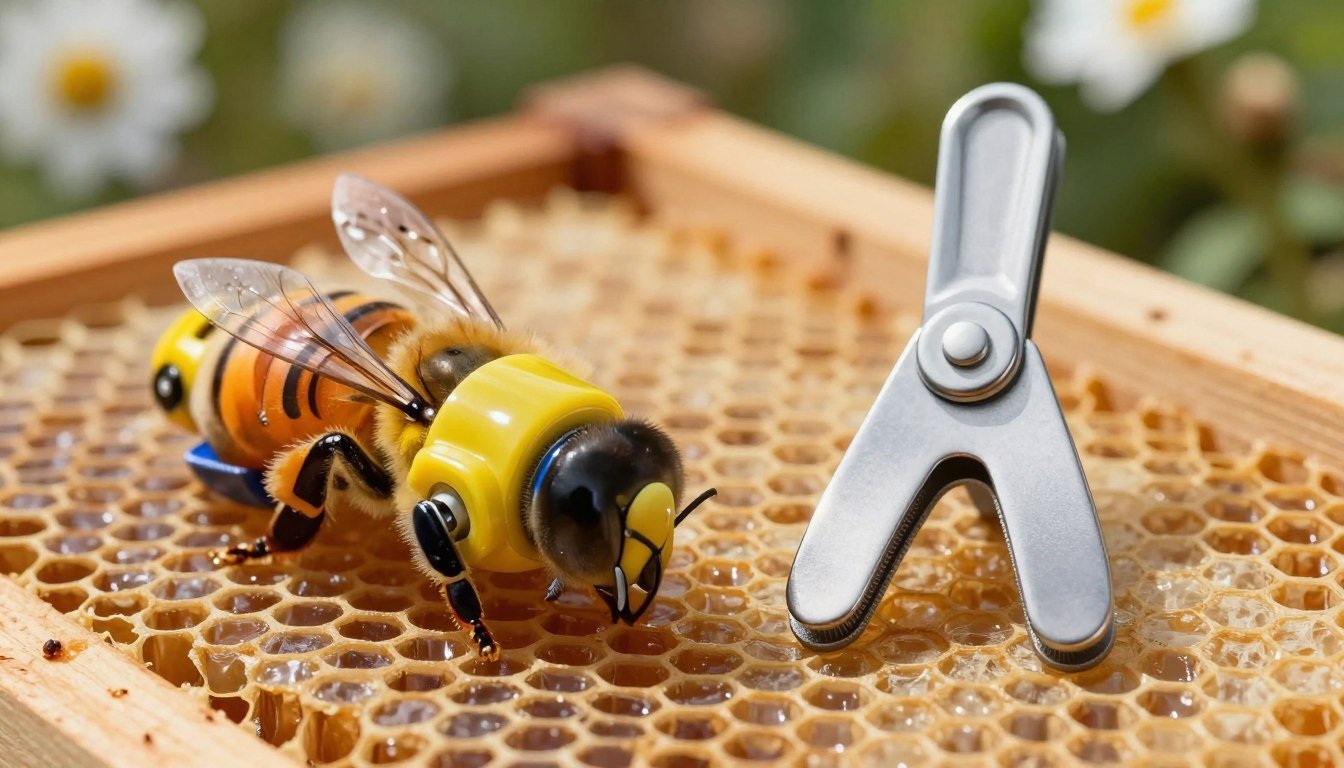
The queen clip is a spring-loaded device that holds the queen safely during routine checks. It lets workers pass pheromones while keeping the queen from moving during frame work.
The queen catcher serves as a short-term isolation tool for more complex tasks. It creates a protected space that prevents harm while allowing chemical cues to transfer.
Choosing the right gear supports long-term hive health and colony stability. Use devices that balance access and protection to keep the hive strong.
Key Takeaways
- Protecting the queen bee is essential for colony survival.
- A spring-loaded clip is ideal for routine frame work.
- A catcher provides secure isolation during complex tasks.
- Pheromone transfer is preserved by permeable barriers.
- Proper equipment choice reduces accidental loss and stress.
Understanding the Role of Queen Handling Tools
Good tools make introductions, transport, and inspections far safer for reproductive females. Proper devices keep a breeding individual within the hive environment while allowing worker cues to remain intact.
Defining the Tools
Queen cages are simple safety devices used to isolate a reproductive female without removing her pheromone influence. A reliable queen cage professional product can be made from durable plastic or stainless steel for long field life.
Primary Functions
These tools serve three core functions: safe transport, staged introduction to foreign colonies, and restraint during inspections. They are common in queen rearing and grafting operations where minimal stress is critical.
- Safe transport: prevents accidental loss during moves.
- Controlled introduction: allows gradual acceptance into a bee hive.
- Inspection aid: holds the individual during frame work using a basic hive tool.
For commercial apiaries, brands like HONESTBEE offer tools equipment built to match heavy use. To view specs and consider complementary gear, check a trusted guide like the best queen marking kit.
Queen Catcher vs Queen Clip Comparison
Simple devices replace risky manual grabs and standardize management across inspections.
A spring-loaded queen clip is a clamshell-style tool that holds the reproductive female safely during frame work. It secures her without blocking worker pheromones, which helps the colony stay calm.
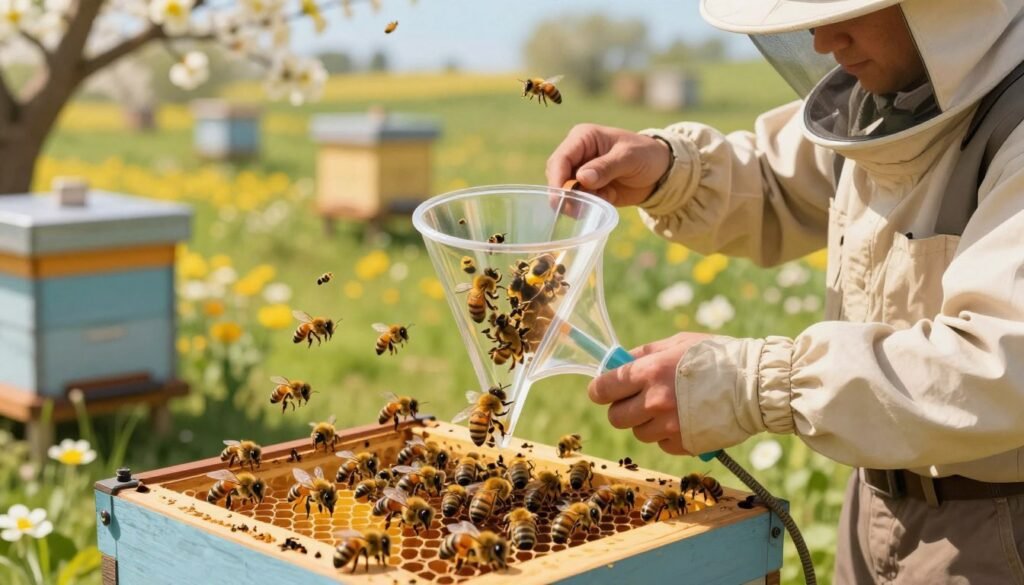
A queen catcher works as a short-term vessel for isolation. It prevents the reproductive female from falling into grass or getting lost during complex manipulations.
“Good handling tools make introductions and transport safer and reduce accidental loss.”
HONESTBEE offers both stainless steel and plastic queen options for different apiary needs. For effective queen rearing, choose gear that protects the animal while preserving chemical cues.
- Spring-loaded clip: quick hold for inspections.
- Secure vessel: short isolation during frame moves.
- Standardized tools: reduce reliance on manual dexterity.
| Feature | Clip | Catcher |
|---|---|---|
| Main use | Holding during inspections | Short-term isolation and safety |
| Material options | Plastic, stainless steel | Plastic, stainless steel |
| Best for | Quick frame work and marking | Complex manipulations and transport |
The Mechanics of Queen Introduction
Successful introductions rely on controlled scent exchange and secure temporary housing.
Facilitating Gradual Acceptance
During introduction, an introduction queen cage protects the new reproductive individual from direct attacks while letting pheromones travel through the mesh.
This brief isolation gives resident worker bees time to learn the new scent. Over days, aggression drops and acceptance rises.
Safe Transportation
Breeders ship with small cages that include attendant bees and a sugar candy plug. The candy both feeds and times the release during transfer.
Mesh is often made of durable stainless steel or high-grade plastic to withstand shipping. Proper staging supports successful queen rearing by ensuring gradual, stress-free introduction.
- Mesh circulation: preserves chemical cues.
- Candy plug: controls release timing.
- Secure transit: keeps breeder and attendants safe.
For practical tool choices and beginner guidance, see this best queen catcher tool for beginners.
Benefits of Using a Queen Clip
A reliable holding tool stops accidental drops and crushed bodies during busy hive checks. It prevents the reproductive female from slipping off a frame or being crushed during complex inspections.
By avoiding direct manual contact, the beekeeper reduces the risk of injuring delicate legs or wings. This hands-off approach also lowers the chance of transfer injuries when moving frames between boxes.
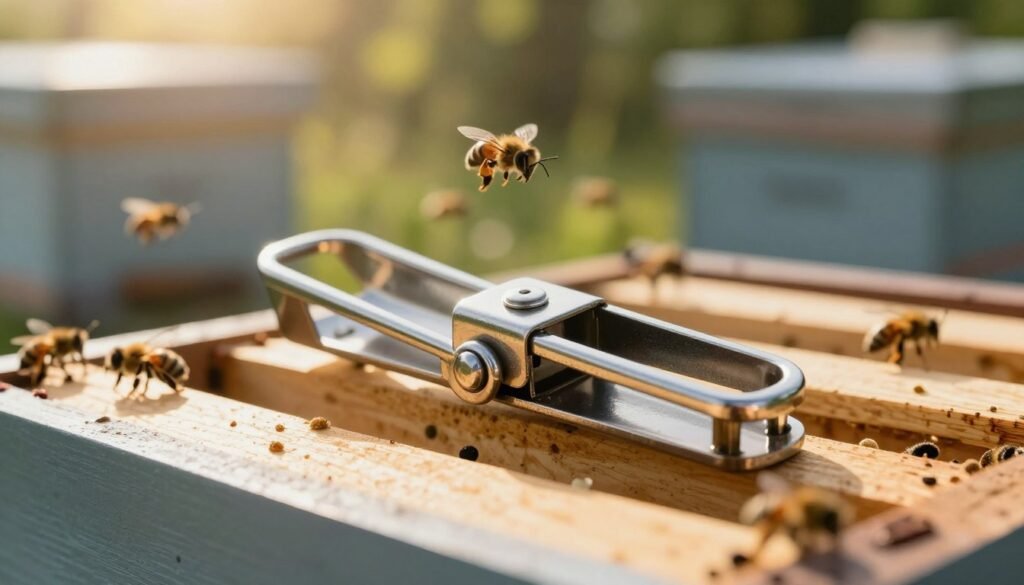
Durability and hygiene matter. Many models are made from stainless steel or high-grade plastic so they can be sanitized and reused across hives.
Queen rearing professionals favor the device because it gives a secure, temporary hold without adding biological stress. The open design of a queen cage or clip lets pheromones pass, so colony cohesion stays intact during handling.
For beekeepers wanting to mark or move a reproductive female safely, consider a trusted marking setup and tools. See a practical guide for marking pens and related gear at best queen marking pen.
When to Use a Queen Catcher
When major frame work is planned, a short-term holding device keeps the reproductive female safe and in view.
Primary focus often guides the choice. Use this tool when the beekeeper must perform heavy manipulation of the brood box. It prevents the reproductive individual from falling or getting lost during busy hive inspections.
Short Term Isolation
The device is built for easy use. You can secure the reproductive female quickly without manual grasping, which reduces stress and injury.
During queen grafting or a controlled introduction, place an introduction queen cage or similar holder to keep pheromones present while isolating the bee. Proper placement avoids escape during complex moves.
“A compact holding tool reduces accidental loss and speeds up careful frame work.”
- Use a bee catcher in heavy brood-box manipulation.
- Rely on a clip or cage for routine hive inspections when speed and safety are needed.
- Review product specs before purchase to match your apiary workflow.
| Situation | Recommended Tool | Material |
|---|---|---|
| Quick frame checks | Clip or small cage | Plastic or stainless steel |
| Heavy brood-box work | Portable holding vessel | Stainless steel or durable plastic |
| Grafting/Introduction | Introduction queen cage | Mesh/plastic with candy plug option |
HONESTBEE recommends you view specs for any professional queen catcher before buying. Check size, material, and how it pairs with your hive tool to ensure smooth work during inspections and rearing.
Preventing Physical Injury During Inspections
Small design choices in your handling tools have an outsized impact on the insect’s safety during checks. When you practice gentle handling hive techniques, you cut the risk of crushed abdomens and torn legs.
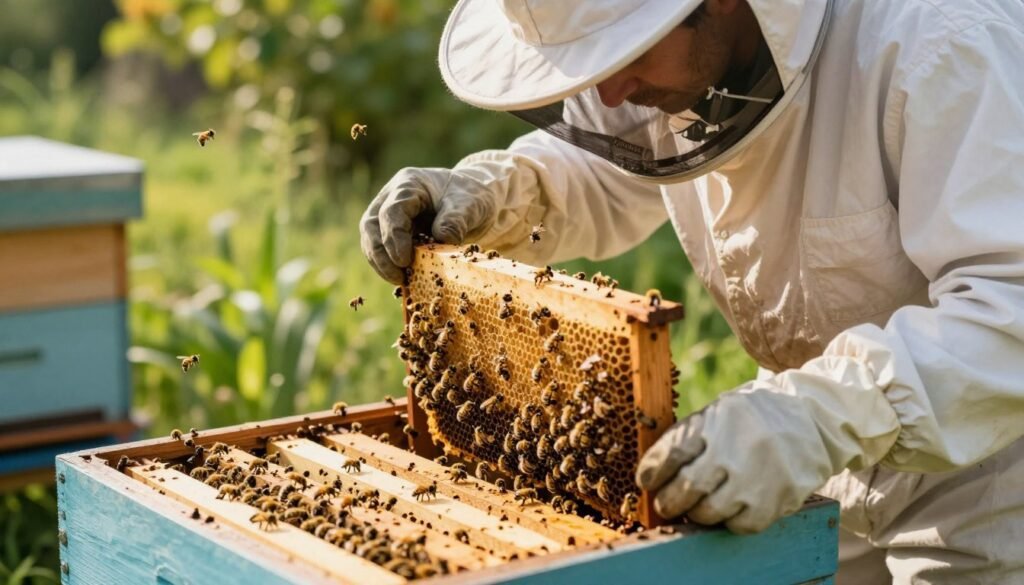
Use a proper queen marking tube to immobilize the reproductive female for safe queen marking. A short, firm hold makes painting fast and lowers stress for the insect and the colony.
Choose equipment where the durable design ensures pressure is distributed. A durable design ensures the tool does not squeeze the abdomen during hive inspections.
A well-made queen cage or a spring device keeps appendages from being caught in closures. This approach ensures gentle handling and reduces accidental injury during busy checks.
Material matters: stainless steel options stand up to repeated use and sanitizing. HONESTBEE and similar brands offer marking tools that support safe handling for hobbyists and pros in queen rearing.
- Prepare tools before opening the hive to speed handling.
- Use a marking tube for brief immobilization when painting.
- Prefer devices whose durable design minimizes localized pressure.
Distinguishing Between Catchers and Excluders
Knowing which tool to use prevents costly mistakes and keeps your apiary productive.
The Purpose of the Catcher
A handheld bee catcher is built for active, short-term management during inspections and marking. It offers easy use and keeps the reproductive individual visible while you work with a hive tool.
Models range from durable stainless steel options to lightweight plastic queen variants. Pros often pair a professional queen catcher with a queen marking tube when performing rapid queen marking.
For specs and handling tips, be sure to view specs before adding new tools to your kit.
The Role of the Excluder
An excluder is a passive grid placed between brood boxes and honey supers to prevent laying in harvestable comb.
This structural device supports long-term colony management rather than momentary restraint. Using one correctly preserves honey quality and keeps brood confined to the brood chamber.
- Handheld tools — short-term, direct interaction for marking or transfer.
- Excluders — passive barrier for seasonal hive structure and productivity.
Reducing Biological Stress on the Queen
Mechanical enclosures reduce direct contact and lower physiological strain on a reproductive female. Use devices designed for gentle handling hive work to cut the risk of stress-related decline.
Durable design matters. A durable design ensures even pressure and avoids pinching that can shock a worker population or damage the breeder. This design ensures gentle transfer and stable pheromone flow.
Choose a tool that is a queen catcher safe for insects and built from robust materials like stainless steel. A well-made bee catcher or a spring clip creates separation that protects delicate legs and wings without blocking chemical cues.
Research shows that reducing human-induced stress supports longevity and productivity in the hive. For hobbyists and pros in queen rearing, consistent use of the right device preserves brood patterns and colony health.
“Minimize tactile disturbance and keep handling swift, calm, and predictable.”
- Prepare tools before lifting frames to speed handling.
- Favor durable design that ensures gentle contact.
- Practice techniques that ensures gentle handling and lower stress.
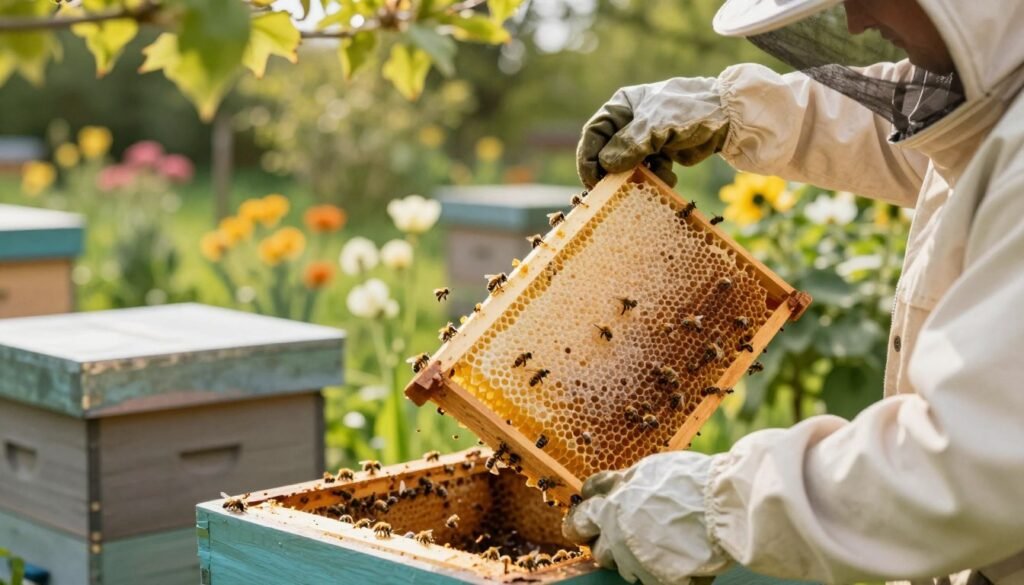
Professional Standards for Apiary Efficiency
Commercial apiaries reach consistent results by adopting robust, standardized handling protocols.
Stainless steel beekeeping and durable plastics form the backbone of a reliable toolkit. Large operations favor tools equipment that stand up to daily use, cleaning, and sanitizing.
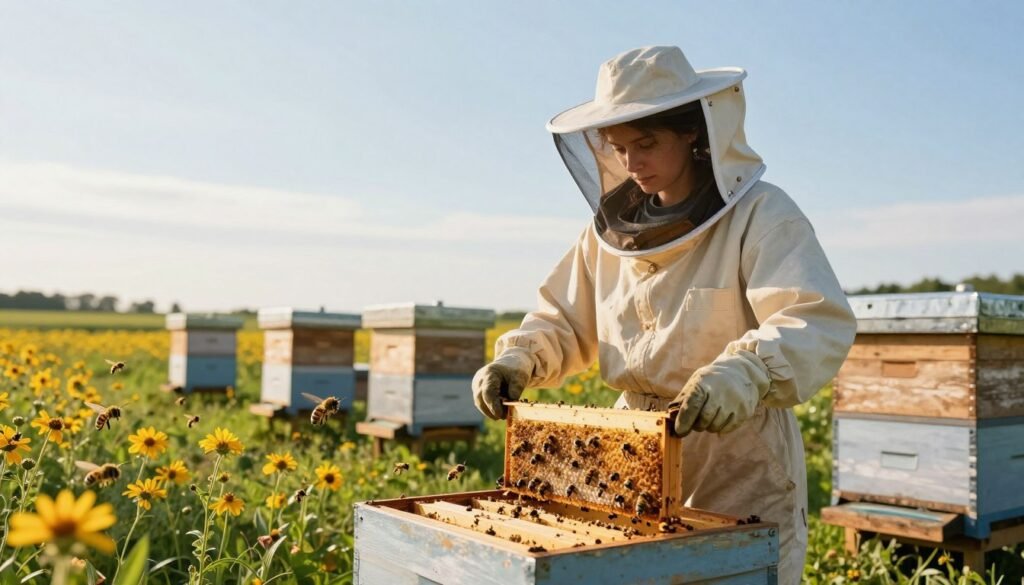
HONESTBEE supplies a full portfolio, from a honey extractor to a beeswax melter. These items reduce downtime and support high throughput during the harvest season.
Standardizing cages and hand-held holders ensures every team member treats the reproductive female the same way. That uniformity preserves brood patterns and lowers accidental loss.
Proper hive tool usage and regular maintenance drive hive efficiency. Well-maintained devices speed inspections, make queen grafting safer, and cut worker error.
“Invest in quality rearing kits and teach consistent procedures to protect stock and boost productivity.”
- Buy certified queen rearing kits and a queen cage professional model for introductions.
- Train crews on hive tool beekeeping technique and cleaning routines.
- View specs professional listings before purchase to match gear to workload.
For practical gear choices that suit hobby and commercial setups, see this recommended guide.
Common Pitfalls in Queen Management
Worker aggression around a mesh barrier signals that more time is needed before release. Watch behavior closely during any staged introduction.
Avoiding Premature Release
Premature release is the most frequent error. If workers cling to the mesh or show biting and balling behavior, remove the holder later rather than sooner.
Improper use of a hand-held restraint can injure legs or wings during hive inspections. Handle tools gently and avoid pinching when securing the insect.
Use a marking tube to immobilize for identification and paint without risking harm. For step-by-step marking advice, see this practical guide on how and why to mark your.
- Check worker posture at the holder daily; delay release if aggression persists.
- Confirm mesh circulation so pheromones pass; a clogged barrier slows acceptance.
- When using a introduction queen cage or a plastic queen holder, avoid tight closures that pinch appendages.
| Common Pitfall | Likely Consequence | Fix |
|---|---|---|
| Premature release | Balled and killed by workers | Delay removal; monitor worker behavior for calm acceptance |
| Hands-on pinching during handling | Damaged legs or wings | Use a marking tube and gentle tools during hive inspections |
| Poor mesh ventilation | Reduced scent exchange and rejection | Use mesh or stainless steel grills that allow pheromone flow |
| Wrong timing for release | Stress and disrupted brood patterns | Make the primary focus worker behavior, not a calendar date |
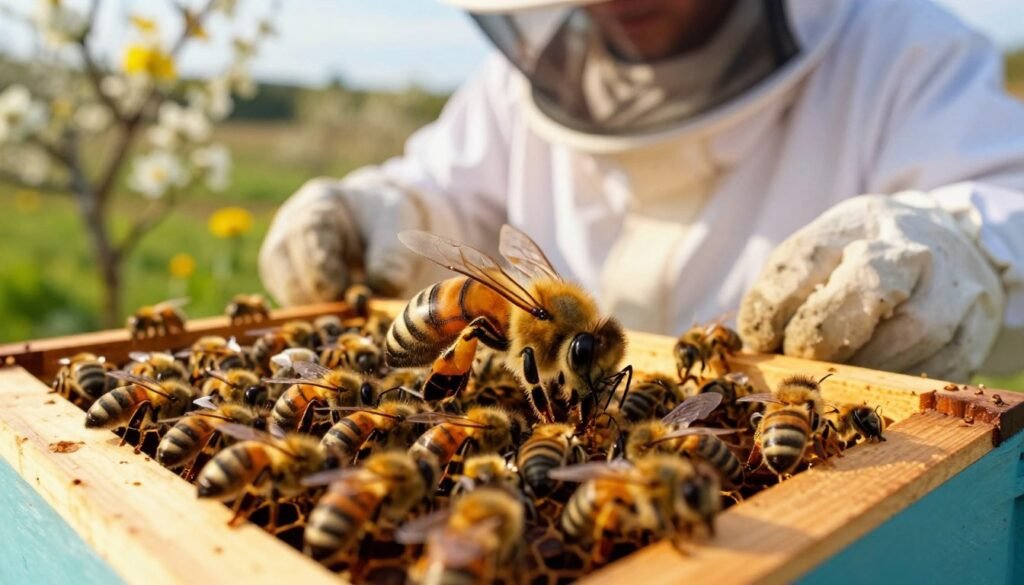
For cage options designed for smooth acceptance, review recommended introduction cages at best queen cages for introduction. Follow manufacturer guidance and let worker cues guide your timing.
Selecting the Right Tool for Your Apiary Goals
Match equipment to the task at hand. If your primary focus is safety, choose a clip-style device to cut the risk of accidental crushing during hive inspections.
For marking tasks, a marking tube gives steady hold and minimal movement. Those focused on intro work should favor an introduction queen cage that preserves chemical cues during staged release.
Commercial operators gain scale by buying matched tools equipment and rearing kits. Brands such as HONESTBEE supply wholesale solutions that include a professional queen catcher, honey extractor, and beeswax melter to boost hive efficiency.

- Prioritize safety tools for routine hive inspections.
- Use a marking tube for secure queen marking.
- Pick introduction cages for staged catcher introduction and grafting work.
| Objective | Best Tool | Quick Tip |
|---|---|---|
| Routine checks | Clip-style holder | Reduce handling time; practice placement before opening hive |
| Marking | Marking tube | Stabilize gently and paint quickly to lower stress |
| Introduction / grafting | Introduction queen cage | Allow pheromone flow; delay release until workers calm |
For new keepers choosing starter gear, review a focused guide on equipment choices for beginner beekeepers to align tools with skill level and goals.
Enhancing Hive Productivity with Quality Equipment
Investing in robust tools cuts labor and lifts hive efficiency. Small choices in gear make inspections, marking, and grafting faster. This improves throughput for every bee hive in your operation.
Durable design ensures long service life and ensures gentle handling during delicate tasks. Stainless steel beekeeping instruments resist wear and sanitize easily, so handling stays clean and predictable.
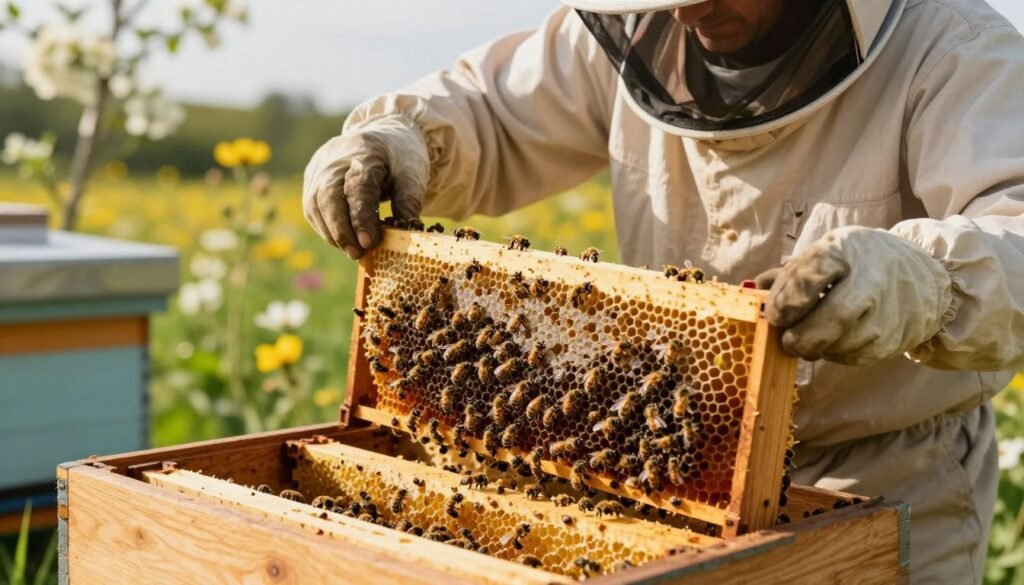
Choose professional-grade items like a cage professional queen product and matched queen rearing kits. A reliable queen cage professional tool and a good hive tool speed marking and reduce accidental injury.
For large apiaries, HONESTBEE offers honey extractor and beeswax melter options alongside handling kits. These tools equipment choices support commercial workflows and raise overall hive efficiency.
“A durable design ensures that routine work is faster and gentler on stock.”
| Item | Benefit | Best use |
|---|---|---|
| Stainless steel hive tool | Durable, easy to clean | Daily inspections and frame work |
| Introduction cage / marking tube | Ensures gentle handling | Marking and staged introductions |
| Honey extractor & beeswax melter | Scale processing, lower downtime | Harvest and processing |
Contact HONESTBEE to view specs professional for wholesale kits and to view specs that match your workload. Upgrading to proven tools bee gear pays back in time saved and healthier stock.
Conclusion
Choosing the right handling tool can make the difference between a thriving hive and preventable loss.
Selecting between a queen bee holding device and a one-shot isolation vessel affects safety and longevity. The catcher provides secure, short-term isolation while a clip-style holder protects during quick inspections.
Proper management of the queen bee drives colony productivity. Invest in professional-grade gear to reduce risk and speed routine work.
For starter and pro gear, review recommended queen breeding supplies and a practical marking tube guide to master safe handling all season.
FAQ
What is the difference between a professional bee catcher and a clip-style tool?
A professional bee catcher is designed for gentle temporary isolation and safe handling during inspections or introductions, often with durable stainless steel or high-grade plastic and a design that prevents harm. A clip-style tool usually secures the insect in place for short periods and is simpler in form. Both aid in hive efficiency, but the professional model emphasizes gentle handling, longevity, and rearing-kit compatibility.
How do handling tools help during queen introduction into a new hive?
Proper tools facilitate gradual acceptance by allowing controlled release and reducing agitation among worker bees. A reliable introduction cage or marking tube keeps the individual isolated while workers become accustomed to pheromones, helping ensure successful integration and minimizing biological stress on the colony.
Can stainless steel beekeeping tools reduce injury risk during inspections?
Yes. Stainless steel hive tools and marking tubes offer smoother edges and sturdy construction, which reduces accidental cuts or crushing during manipulations. Durable design ensures repeated safe use and better control when performing delicate tasks like grafting or queen marking.
When should I use a short-term isolation device versus a transport cage?
Use a short-term isolation device during quick inspections or brief separation inside the hive. Choose a transport cage for safe movement between locations or for shipping, since it provides secure ventilation and protection. Both should ensure gentle handling and prevent overheating or jostling.
What features should I look for in a professional rearing kit?
Look for kits that include a quality introduction cage, marking tube, stainless steel hive tool, and clear instructions for grafting and introduction. Durable materials, ease of use, and compatibility with common hive systems improve productivity and support gentle handling practices.
How does proper tool selection enhance hive productivity?
Selecting appropriate equipment reduces stress-related losses and speeds routine tasks. Efficient tools shorten inspection time, protect brood and adults, and support consistent rearing practices. Over time, this leads to stronger colonies and better honey production.
Are plastic introduction cages safe to use compared with metal versions?
High-quality plastic cages can be safe and lightweight, but they must be durable and free of sharp edges. Stainless steel options often last longer and offer more precise construction. Choose based on handling frequency, environmental exposure, and personal preference for durability versus weight.
How do I avoid common pitfalls like premature release during introductions?
Avoid premature release by following a stepwise introduction plan: use a secure cage or tube, allow time for scent acclimation, monitor worker behavior, and release only when agitation subsides. Gentle handling and patience reduce rejection and fighting.
What is the role of an excluder compared to specialized handling tools?
An excluder controls movement within the hive—typically preventing larger individuals from entering certain boxes—while handling tools isolate or protect individual insects during human operations. Both contribute to colony management but serve distinct operational purposes.
Can a marking tube help during routine hive inspections?
Yes. A marking tube secures the insect safely while you apply paint or a marker, allowing precise work without harming the insect. Stainless steel and well-designed plastic tubes improve visibility and control during marking and subsequent release.
How do professional standards for apiary equipment impact long-term colony health?
Professional-grade equipment minimizes injuries, improves consistency in rearing and introductions, and reduces biological stress. Investing in quality tools supports efficient management practices, which in turn fosters resilient colonies and sustained honey yields.
Are there specific maintenance tips for hive tools and introduction cages?
Clean tools after use with warm water and mild detergent, inspect for wear or sharp edges, and replace damaged items promptly. Sterilize equipment between colonies when disease risk is a concern. Proper storage extends service life and keeps handling gentle and safe.