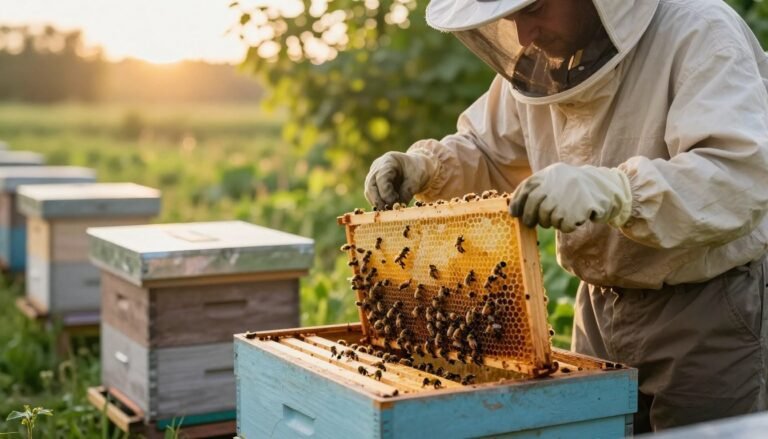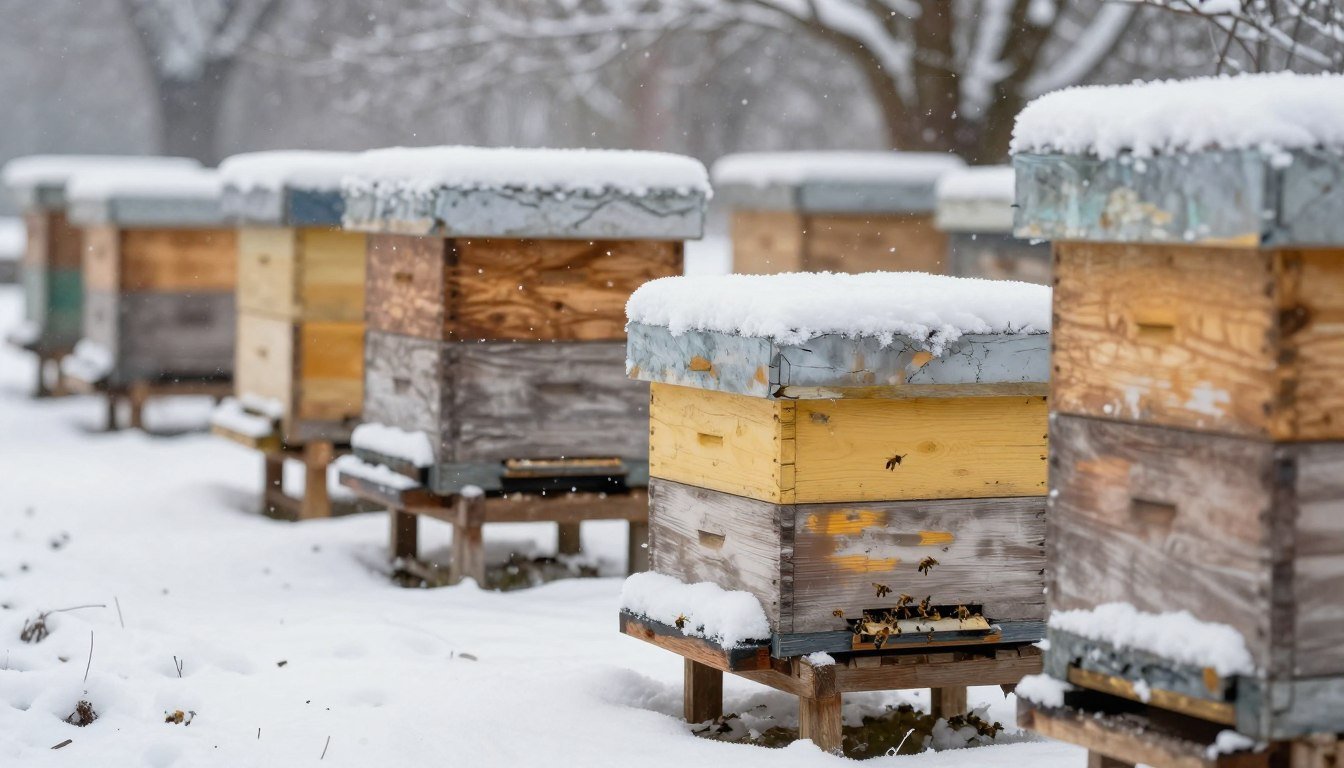
Protecting a colony during the cold period starts with smart mite control. Beekeepers who time control measures for a broodless phase can cut mite numbers sharply and give their bees a better start in spring.
Randy Oliver documented how key the mite–bee relationship is to effective management, and Connecticut beekeeper Bill Hesbach stresses that well-timed action saves colonies.
This short guide outlines a clear, stepwise option using oxalic acid and related methods that work best when hives lack brood. It also covers how temperature, food stores, and minimal disturbance affect success.
Monitor mite drop after application and check honey and water supplies. A small bit of effort late in the season can prevent queen loss and collapse. For practical winter beekeeping tips and timing, see this concise guide on winter beekeeping.
Key Takeaways
- Target mites during a broodless period for the best control.
- Oxalic acid vaporization is a fast, low‑disturbance option.
- Watch mite drop to measure effectiveness after application.
- Keep food and water management alongside mite control.
- Good timing at the end of the season protects spring colonies.
Understanding the Importance of Winter Varroa Treatment Without Brood
Timing control for a gap in brood rearing protects the long-lived bees that carry the colony through the cold season. These bees have high vitellogenin levels and must survive months to sustain the cluster.
Varroa mites transmit Deformed Wing Virus (DWV) during pupal development. Infected winter bees lose longevity and thermoregulation. That leads to a failing cluster and possible colony loss.
- Winter bees differ from summer foragers and can live up to eight months.
- High mite loads during bee development raise DWV risks and shorten life span.
- Manage honey, supers, and food stores to avoid added stress during control.
| Risk | Impact | Best Time | Action |
|---|---|---|---|
| High mite load | DWV spread, shorter bees | Broodless window in late season | Apply targeted acid methods |
| Poor stores | Starvation risk | Before cluster tightens | Consolidate honey, add sugar if needed |
| Wrong temp for thymol | Queen stop or disturbance | Avoid during cold spikes | Choose low-disturbance options |
“Thymol can be disruptive if used in the wrong temperature window.”
The Biology of Winter Bees and Mite Dynamics
The switch from summer workers to long‑lived cluster bees alters reproduction cycles for parasites and creates a narrow window for control. Low juvenile hormone and high vitellogenin let these bees live up to eight months and maintain the cluster’s heat.
Physiology of winter bees
Physiology and seasonal cues
Shorter days and cooling temps trigger the colony to rear fewer young and more fat‑rich bees. That biological shift slows brood rearing and concentrates insect activity into the cluster.
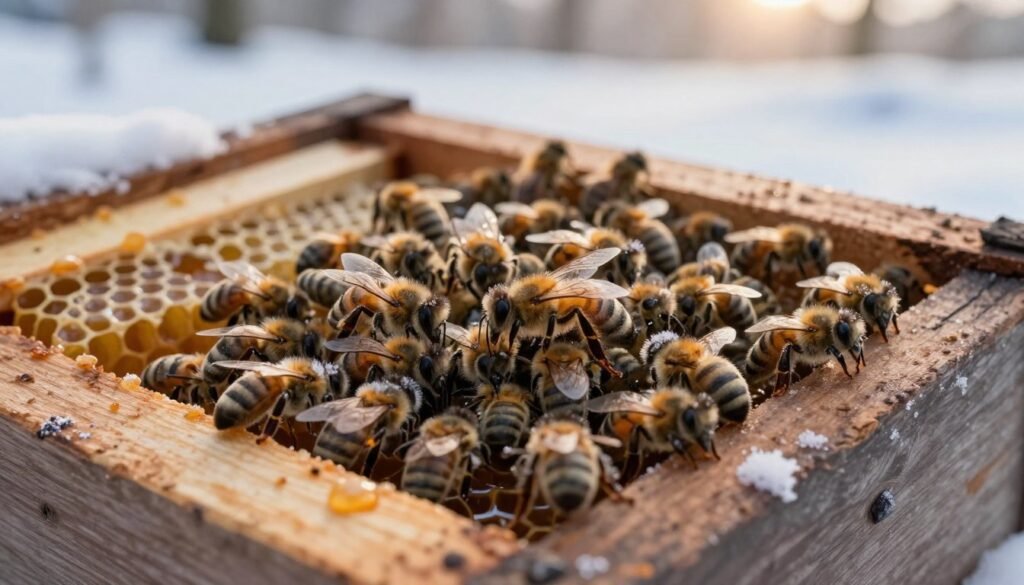
Impact of Deformed Wing Virus
Deformed Wing Virus damages developing brood and cuts lifespan for adult bees that must thermoregulate the cluster. High viral load in early spring leads to weak colonies and poor buildup.
“When mites cannot enter brood cells, they remain phoretic — exposed and vulnerable.”
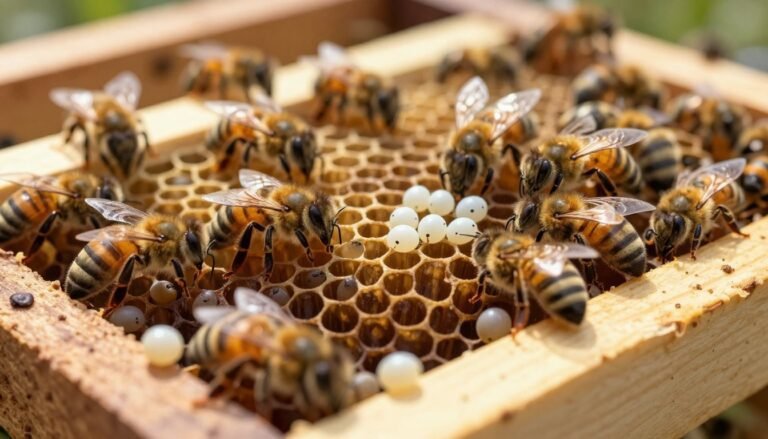
- Mites need brood rearing to reproduce; absence of pupae forces phoretic behavior.
- Broodless periods make mites easier to target with acid options.
- Adequate food and sugar stores are critical so cluster bees can maintain temp and survive the season.
Identifying the Broodless Window in Your Apiary
Confirming a true broodless period is essential before any late‑season application. Do not rely on dates alone; local weather and colony behavior set the timing.
Methods for Verifying Broodless Status
Perform a hands‑on check of frames for eggs, larvae, or capped cells. If you find any developing bees, pause and recheck in a few days.
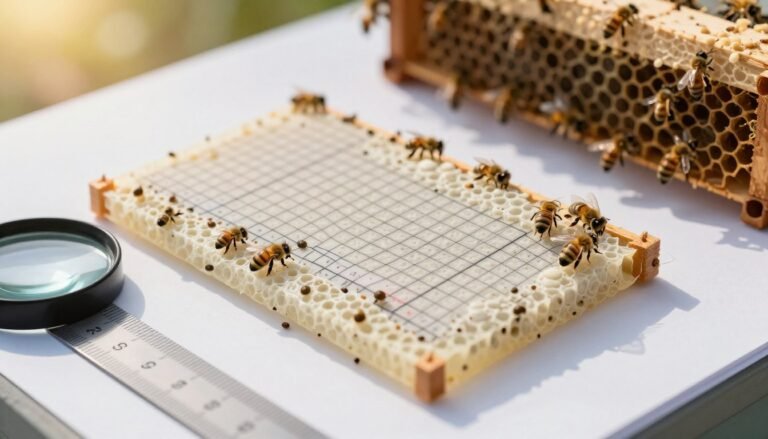
- Sticky board monitoring: Place a board for 24–72 hours to count mite drop and infer brood rearing.
- Frame inspection: Follow Bill Hesbach’s advice: inspect thoroughly to confirm absence of brood.
- Record keeping: Log dates, honey stores, and behavior so you can predict brood cessation each year.
- Local cues: Randy Oliver notes that timing varies by location; watch your own colonies closely.
Note: In early spring a hive may restart brood rearing, so the window for an effective oxalic acid application is brief. For a seasonal checklist and timing guidance, see the seasonal varroa schedule.
Why Oxalic Acid is the Preferred Winter Option
Oxalic acid is a go‑to option for late‑season mite control because it targets phoretic mites on adult bees. When colonies enter a broodless period, most mites ride on the bee surface and become vulnerable to acid applications.
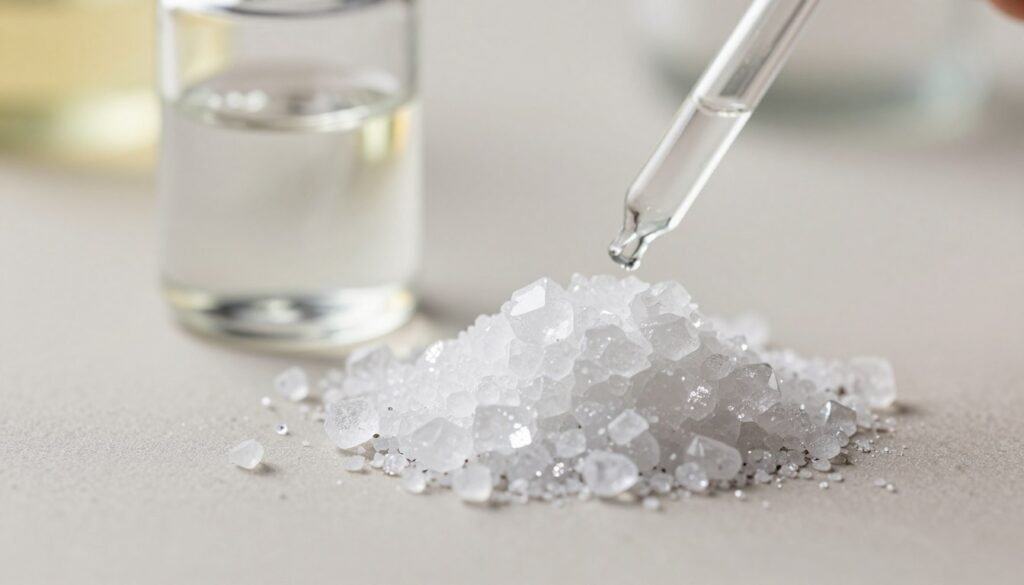
Oxalic Acid Vaporization
Vaporizing oxalic acid gives rapid dispersal through the hive and reduces mite numbers with minimal disturbance. Use equipment carefully: high heat can warp polystyrene hives.
Oxalic Acid Dribble
The dribble method uses a measured acid and sugar water mix applied directly between frames so bees receive contact exposure.
Bill Hesbach recommends a 1:1 sugar‑water carrier to help acceptance during application.
Timing the Application
Wait for a day with temperatures near or above 50° F to aid dispersal and bee movement. Randy Oliver notes mite drop can lag after an oxalic acid pass, so monitor counts for several days.
- Safety: Wear gloves and a respirator when handling oxalic acid.
- Follow label doses for hive size and avoid repeat dosing unless the colony still has brood present.
- Goal: cut mite levels significantly before spring buildup begins.
“Use the right method for your hive materials and monitor mite drop to judge success.”
Safety Protocols for Handling Acid Treatments
Handling oxalic acid demands clear safety steps to protect you and your bees. Wear chemical-resistant gloves and eye protection to avoid the tingly, burning sensation of direct contact.
Use a respirator when vaporizing; acid fumes harm the respiratory system. Ensure good ventilation and tell another person you will be working with hazardous chemicals.
Randy Oliver stresses reading labels carefully. Follow the manufacturer’s instructions and respect safety signage, even if some items seem excessive.
- Avoid polystyrene hive components during vaporization — heat can warp or ignite them.
- Store acids in a cool, dry place out of reach of children and pets.
- In case of skin contact, wash immediately with plenty of water and seek medical advice if irritation continues.
| Risk | Protective Action | Why It Matters |
|---|---|---|
| Skin contact | Gloves + eye protection | Prevents burns and irritation |
| Inhalation | Respirator + ventilation | Protects lungs from fumes |
| Hive damage | Avoid polystyrene, check heat source | Prevents fire or structural harm |
| Accidental exposure | Inform a partner; follow label first aid | Speeds emergency response |
“Good safety practice protects you while you manage mites and keep colonies strong.”
Alternative Treatment Methods for Winter Colonies
Choosing the right non‑acid control depends on colony size, stores, and ambient temperature. Alternatives can seem appealing, but each has limits you must weigh before use.
Limitations of Essential Oils in Cold Weather
Essential oils like thymol rely on evaporation. In low temperatures their release drops and the product fails to reach mites on bees.
- Temperature window: Randy Oliver notes Apiguard and ApiLife Var work best near 60°–90°F, so they often underperform in cold weather.
- Colony disruption: Oils can cause fanning or a queen to pause laying, which stresses smaller colonies or nucs.
- Seasonal use: Bill Hesbach recommends formic products such as Formic Pro for spring or summer, not cold months.
- Honey care: Remove or protect honey supers—many options are not safe when honey stores are present.
- Unproven fixes: Kitchen recipes and unregistered mixes can harm bees more than they reduce mites.
“Use only registered, proven methods and place products where bees will contact frames and track the material through the hive.”
Managing Temperature and Environmental Factors
Hive internal heat directly affects chemical evaporation and the movement of bees during any late-season application. Maintaining a steady cluster temperature keeps long-lived winter bees alive and able to circulate a product through the colony.
Randy Oliver’s work shows evaporation rates for many miticides depend on ambient and hive temperatures. If the weather is too cold, bees stay tight and a pass of acid or other material will not reach mites on all bees.
Bill Hesbach advises waiting for a 50° day so an acid application can disperse properly through the cluster and give the mite control the best chance of success.
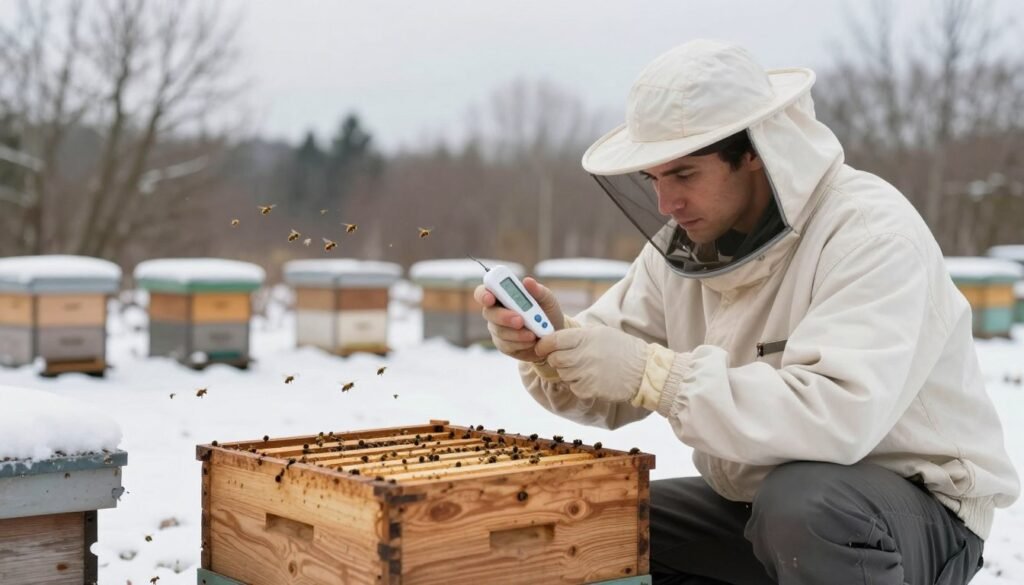
Protect hives from wind and moisture and ensure good insulation so bees expend less energy. Provide adequate food and sugar stores; busy clusters burn more calories to hold temperature.
Brood rearing is highly sensitive to shifts in temperatures and can restart if the colony warms unexpectedly. Monitor internal hive temperatures where possible and adjust ventilation or placement to reduce stress.
For timing guidance and practical notes on mid-season checks, see this concise guide on mid‑season timing and control.
Monitoring Mite Drop During the Winter Period
Use a sticky board to track mite drop and judge how well a late‑season control worked. Count fallen mites over a 72‑hour window to get a reliable measure of colony load.
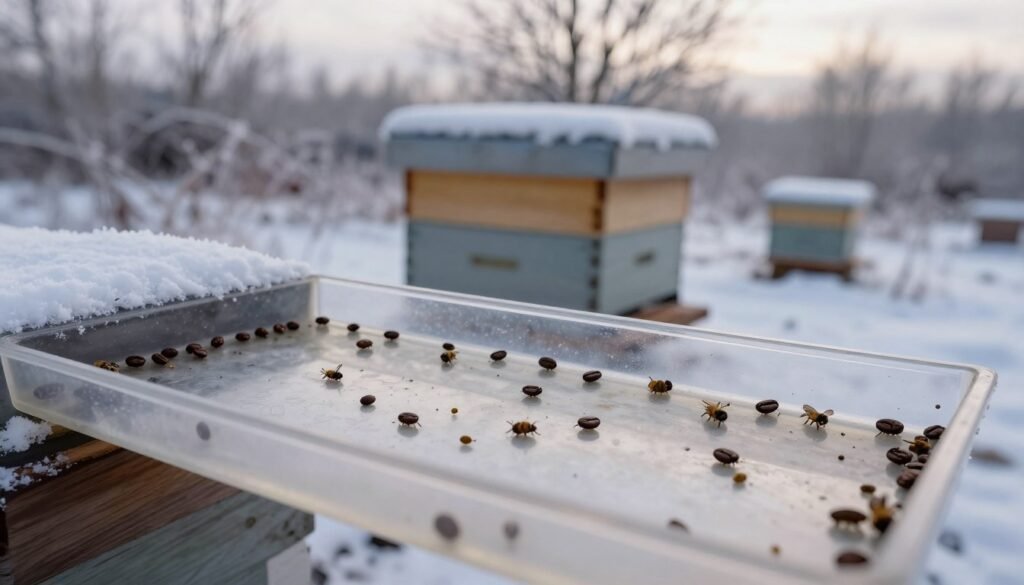
Bill Hesbach advises a three‑day check to spot colonies with unusually high counts. Randy Oliver warns that mite drop after an oxalic acid pass can be delayed, so wait a few days before drawing conclusions.
In early spring, a sudden rise in drop may mean the hive is struggling and needs prompt follow‑up. If counts remain high, the application may have missed mites or the hive had active brood at the time.
- Keep a log of counts by hive and date; trend data helps plan future treatments.
- Reinspect the hive a week to ten days after a pass to confirm the queen is laying and the colony is recovering.
| Count Range (3 days) | Action | Likely Cause |
|---|---|---|
| 0–5 | No immediate action | Control effective; low mite load |
| 6–50 | Monitor weekly | Moderate mites; possible reinfestation |
| 51+ | Follow up within a week | High mite pressure or missed application |
“The goal is to keep mite numbers low so winter bees have the best chance to start strong in spring.”
For alternative approaches and natural options, see this guide on natural remedies for varroa mites.
Avoiding Common Mistakes in Late Season Management
Watch the colony, not the calendar. Weather and local cues dictate when to act. Relying on dates can let mites move into capped cells and hide.
The Danger of Delaying Action
Delaying until the hive restarts brood rearing in early spring often makes control ineffective. Bill Hesbach warns beekeepers to confirm a true broodless state before using oxalic acid.
If you postpone until late summer, mite numbers can reach levels that are nearly impossible to reduce once long‑lived bees are being reared.
Risks of Over‑Treatment
Over‑treating hurts colonies as much as too little care. Excessive or repeated applications can stress adult bees and may cause the queen to pause laying.
Randy Oliver notes the first three days after a pass are critical. Observe the colony closely, and follow up with an alcohol wash to verify efficacy rather than relying on sight alone.
- Avoid harsh products that leave residues or drive resistance.
- Balance control with food and temperature management so the colony stays strong.
- Be proactive: a healthy colony in early spring produces more honey and resists robbing.
| Common Error | Consequence | Quick Fix |
|---|---|---|
| Delay until brood rearing restarts | Mites hidden in capped cells; control fails | Confirm broodless status; apply appropriate method |
| Over‑application of chemicals | Queen stress; adult bee harm; residues | Use recommended doses; monitor for 3 days |
| No post‑check | False sense of security | Perform alcohol wash to confirm mite kill |
“The first three days after starting a control pass are the most telling — watch your hives closely.”
For timing tips on when to begin beekeeping and seasonal checks, see this guide: best time to start beekeeping.
Conclusion
Good late‑season care gives your hive the best chance to start strong in spring.
Protecting your winter bees from mites is the single most important step to keep a healthy colony. Apply an oxalic acid treatment during a confirmed broodless window to cut mite numbers and support long‑lived bees.
Always verify the hive is truly broodless before acting. Monitor mite drop and keep clear records so you can learn what works for each hive and each year.
For decision guidance on control timing, see this decision guidance on mite control. For breeding and resilience ideas, read about the future of resistant bee genetics.
Careful management now keeps colonies thriving and productive for seasons to come.
FAQ
What is the goal of varroa control during the cold, broodless period?
The goal is to reduce mite numbers when nearly all bees are adults so treatments reach exposed mites. Lowering mite load now cuts disease transmission, protects bees from viral infections like deformed wing virus, and improves colony survival through spring build-up.
How do I confirm my colony is broodless before treating?
Check frames for open brood by gently nudging the cluster and inspecting comb edges. Use a quick inner-cover lift or a small frame inspection on a warm day to look for capped or open brood. Some beekeepers use a brood-check sheet or light smoke to encourage cluster movement for a brief peek.
Why is oxalic acid commonly recommended for the cold, broodless window?
Oxalic acid works well when no brood hides mites, because it contacts mites on adult bees. It offers strong efficacy when applied correctly and is available as vaporization or dribble, both effective in low-temperature conditions if the colony is truly broodless.
Which application method — vaporization or dribble — should I choose?
Vaporization distributes acid as a fine gas and reaches mites efficiently with minimal disturbance, while dribble is a liquid sugar-acid mix applied between frames. Vapor is fast and often preferred for larger operations; dribble is cheaper and simpler for small-scale beekeepers. Choose based on equipment, safety practices, and hive setup.
When is the best time of day and temperature to apply oxalic acid vapor?
Treat on a calm, cool day when temperatures allow the cluster to remain tight but bees are active enough to redistribute the vapor — typically early afternoon during a brief warm spell. Avoid extremes; follow manufacturer recommendations and local guidelines.
What safety steps are essential when handling oxalic acid?
Wear a respirator rated for acid vapors, goggles, gloves, and protective clothing. Work outdoors or in well-ventilated areas, keep children and pets away, and follow label instructions for doses, equipment, and disposal. Store reagent‑grade material securely.
Are essential oils a reliable alternative in cold conditions?
Essential oils like thymol perform better in warmer or ventilated conditions and require brood to be present or extended exposure to be effective. In tight clusters at low temperatures, efficacy declines, making them less reliable than oxalic acid during a broodless spell.
How can I monitor treatment success through the winter period?
Use sticky boards or natural daily drop counts for several days before and after treatment. Record mite drop trends and compare pre- and post-treatment numbers. Combine drop monitoring with spring inspections to verify reduced infestation and colony health.
What mistakes do beekeepers commonly make when treating late in the season?
Common errors include treating when brood is present, using incorrect oxalic acid doses, poor safety precautions, and treating during severe cold that stresses bees. Delaying until spring can let mite populations explode; over-treating can harm bees or residues.
How does high mite pressure affect spring build-up and honey production?
High mite loads carry viruses that weaken brood and adult bees, reduce queen performance, and shrink colony population. This slows spring buildup and lowers honey yields. Managing mites during the broodless window helps protect spring performance and honey flow potential.
Can I treat multiple hives on the same day, and how should I space the work?
Yes, but plan treatments to minimize disturbance and cross-contamination. Treat hives in a logical route, allow equipment to cool between vaporization runs, and avoid crowding the yard. Keep accurate records: date, method, dose, and conditions for each hive.
Should I remove honey supers before applying oxalic acid vapor or dribble?
Remove or seal supers according to label guidance and local regulations. Vapor can carry residues; many beekeepers remove honey supers for safety and to prevent contamination, especially when handling liquid applications near stores of sealed honey.
How do ambient weather and hive temperature affect treatment timing?
Short warm spells that stimulate slight bee movement help redistribute treatments. Avoid windy, wet, or frigid days. Ensure the cluster stays intact; too-cold conditions increase stress, while too-warm conditions may indicate brood rearing, reducing treatment effectiveness.
What recordkeeping helps improve seasonal mite management?
Track treatment dates, methods, doses, mite counts (sticky board results), weather, and hive observations like queen health and stores. Consistent records let you spot trends, evaluate efficacy, and plan spring interventions before populations rise.
Are there legal or label restrictions I should know about?
Yes. Always follow product labels and local regulations for oxalic acid and other control agents. Labels specify allowable uses, doses, application equipment, withdrawal periods for honey, and safety protocols. Noncompliance can risk bee and human health and may have legal consequences.