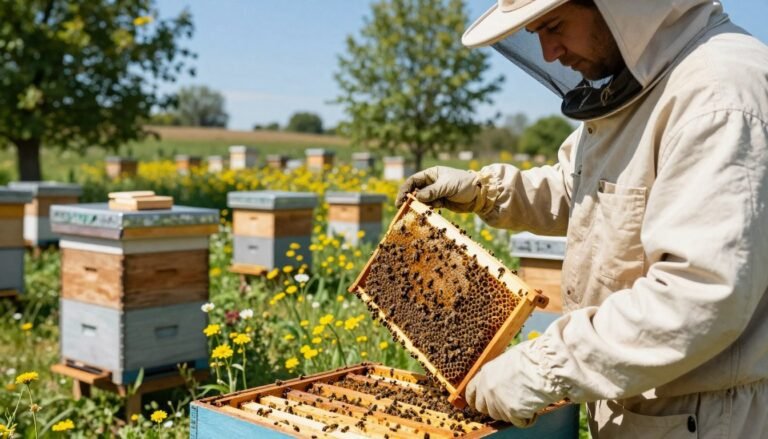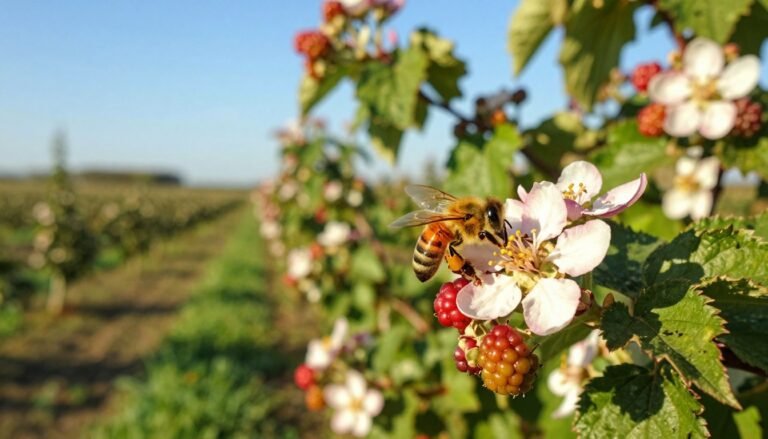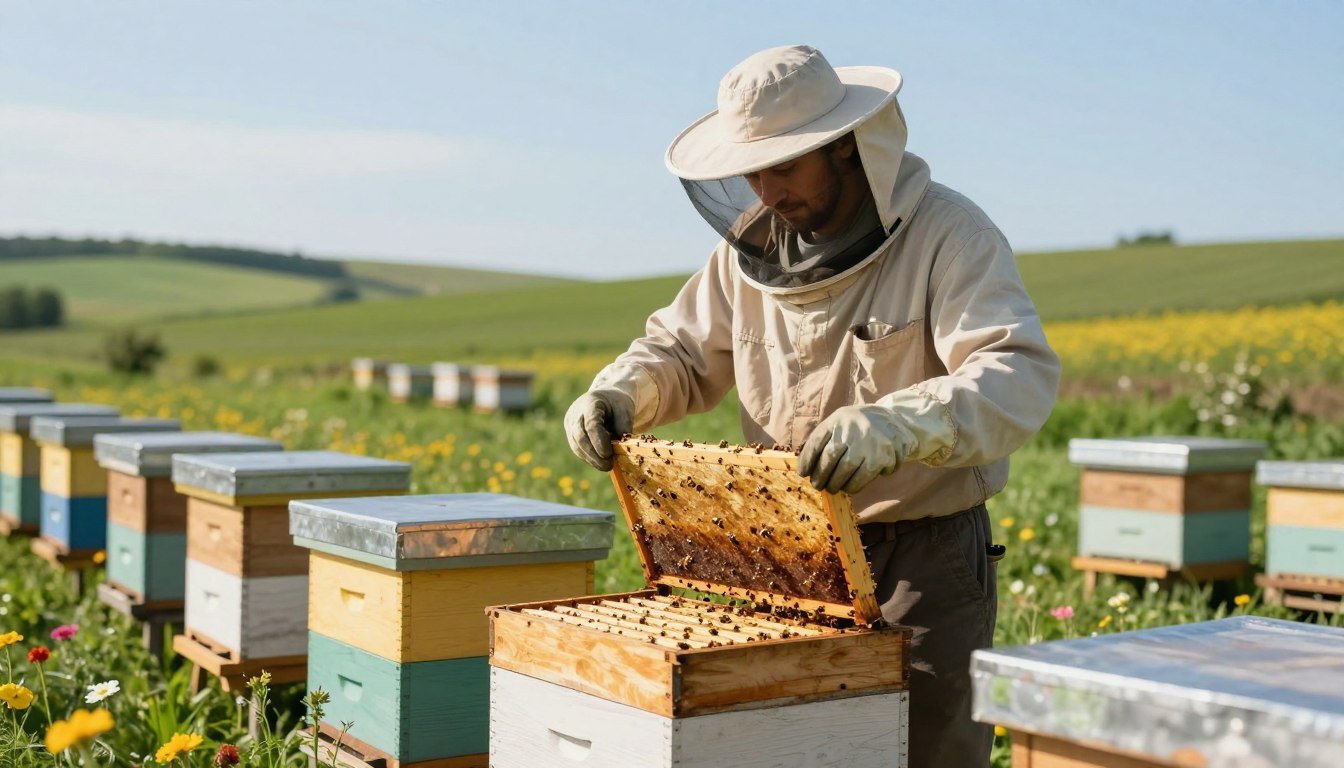
Efficient management gives beekeepers more time for care and production. BeeKeepPal, developed by BeeKeepClub after focused research, centralizes data for beehive inspections, hive health, and colony records.
The platform offers three clear levels: beehive, apiary, and company. This structure helps owners track production, products, reports, and tasks across multiple colonies.
With mobile features for Android iOS and offline use, teams keep reliable records even without an internet connection. Strong reporting and analysis tools support decisions that improve profitability and operations.
For tax guidance and payroll accuracy tailored to beekeepers, see beekeepers tax guidance. Use organized information to make inspections, health checks, and daily activities easier to manage.
Key Takeaways
- BeeKeepPal organizes beehive inspections and hive health across three management levels.
- Mobile access and offline features keep records current during field work.
- Structured data helps analyze production, product reporting, and profitability.
- Clear task and report systems reduce time spent on operations and records.
- Professional guidance links help with payroll accuracy and tax responsibilities for beekeepers.
The Importance of Organized Apiary Management
Organized records turn seasonal uncertainty into predictable growth for beekeepers. Clear data on hive inspections, sales, and expenses reduces guesswork. It helps manage inventory and shows lenders that the business is sound.
Professional services such as Accounts Junction take on bookkeeping tasks so owners can focus on colonies and honey production. Accurate books make tax time easier and support smarter choices about expansion.
Transparency matters: a well-structured system provides reliable reports for partners, buyers, and insurers. This kind of control protects cash flow and protects your reputation.
- Boost profits: track sales and costs to find savings.
- Save time: automate records and reduce manual entry.
- Make decisions: use clean data to plan seasonally.
For practical setup tips, review bookkeeping tips that help beekeepers streamline financial routines for a healthier beekeeping operation.
Establishing Small Apiary Payroll and Labor Tracking
Tracking work time and payments gives owners a precise view of field costs and team output. A clear system makes seasonal roles easier to manage and keeps records reliable.
Setting Up Payroll Systems
Start simple: define pay rates, schedules, and duties for each role. Use BeeKeepPal to enter data at three management levels—beehive, apiary, company—so you can link pay to specific production activities.
Tracking Seasonal Labor Hours
Record the time spent on beehive inspections and routine tasks to see true costs of honey production. Regular entries let you generate detailed reports that reveal which teams and tasks boost efficiency.
- Organize tasks with software features that assign work and keep accurate records.
- Consistent recording at the beehive level clarifies per-hive production costs.
- Use reports to compare hours, yields, and expenses across levels.

| Level | Primary Data | Key Report |
|---|---|---|
| Beehive | inspections, hours, yields | per-hive cost summary |
| Apiary | team hours, production totals | site efficiency report |
| Company | payroll totals, seasonal trends | profitability overview |
For more on maintaining accurate records, consult this beekeeping records guide to strengthen your beekeeping operation.
Managing Hive Health and Colony Data
Collecting clear data at each visit helps beekeepers spot problems before they reduce production. Regular beehive inspections are vital to prevent the spread of disease and parasites.
Record queen status, brood patterns, and pest signs on every inspection. Short, consistent notes save time later and build a reliable history for each colony.
Good records let you compare hive health over weeks and seasons. That comparison shows which colonies drive the most honey and which need intervention.
- Monitor weight, brood, and queen condition to predict productivity.
- Use software to flag anomalies so you act before losses occur.
- Maintain regular entries to identify high-performing hives.
| Metric | What to Record | Benefit |
|---|---|---|
| Queen Status | Presence, laying pattern, replacements | Supports colony continuity |
| Brood Health | Comb patterns, brood density, disease signs | Detects issues early |
| Hive Condition | Weight, stores, pest levels | Improves honey yield forecasts |
| Visit Notes | Date, time, actions taken | Creates audit trail for management |
For guidance on organizing inspection records and improving your beekeeping operation, review this inspection data checklist.
Streamlining Financial Records for Beekeeping
Recording transactions at each management level turns scattered receipts into usable data. BeeKeepPal lets beekeepers log sales and costs at the beehive, apiary, and company levels for clear, layered insight.
Categorizing income helps you see which products drive revenue. Create separate entries for honey, beeswax, and propolis so each product line shows true contribution to production and profit.
Categorizing Income and Expenses
Use simple categories for revenue and costs. Track equipment, supplies, feed, and seasonal wages to reveal where you can reduce expenses.
- Streamlining financial records supports better profitability beekeeping decisions.
- Reporting features let you compare apiaries to find top-performing sites.
- Detailed records produce professional reports for tax prep and planning.
| Level | Financial Focus | Key Report |
|---|---|---|
| Beehive | per-hive sales, inputs | per-hive profit |
| Apiary | site totals, product mix | site comparison |
| Company | aggregate revenue, expenses | business profitability |

For practical setup of field records and syncing finances with inspections, see digital field logs for apiary management. Strong records save time at tax season and sharpen long-term planning.
Planning Seasonal Beekeeping Activities
Planning ahead for each season protects colony health and maximizes honey yields.
Start with a simple calendar. Schedule beehive inspections, feedings, and harvests so every hive gets attention at the right time.
Prepare equipment early and plan splits during times of strong production. This reduces stress on honeybee colonies and keeps your beekeeping operation running smoothly.
Check for pests and disease during scheduled visits so issues get fixed before they spread. Early intervention saves time and prevents losses.
Use digital calendars to assign tasks, set reminders, and log outcomes. A consistent routine helps beekeepers compare colonies and improve seasonal results.
- Map peak production windows and set harvest dates.
- Plan feedings ahead of winter to protect colony stores.
- Reserve time for equipment maintenance and hive splits.
For ideas on generating extra income while managing seasonal tasks, see beekeeping as a side income.
Utilizing Digital Tools for Apiary Operations
Field-ready digital tools let beekeepers capture inspection notes and voice memos the moment they finish a hive visit. This speeds record entry and reduces errors during busy seasons.
Benefits of mobile access
Mobile apps for Android iOS give immediate access to reports, tasks, and production summaries. Teams use devices to view levels and assign work while in the field.
Offline data entry
Work without service: Offline recording stores voice files and notes locally when there is no internet connection. Data syncs later so records stay complete and current.
Syncing across devices
ApiManager supports 38 languages and syncs across iOS, Android, Mac, and Windows. Centralized data makes it simple to track production, compare site performance, and share information with managers.
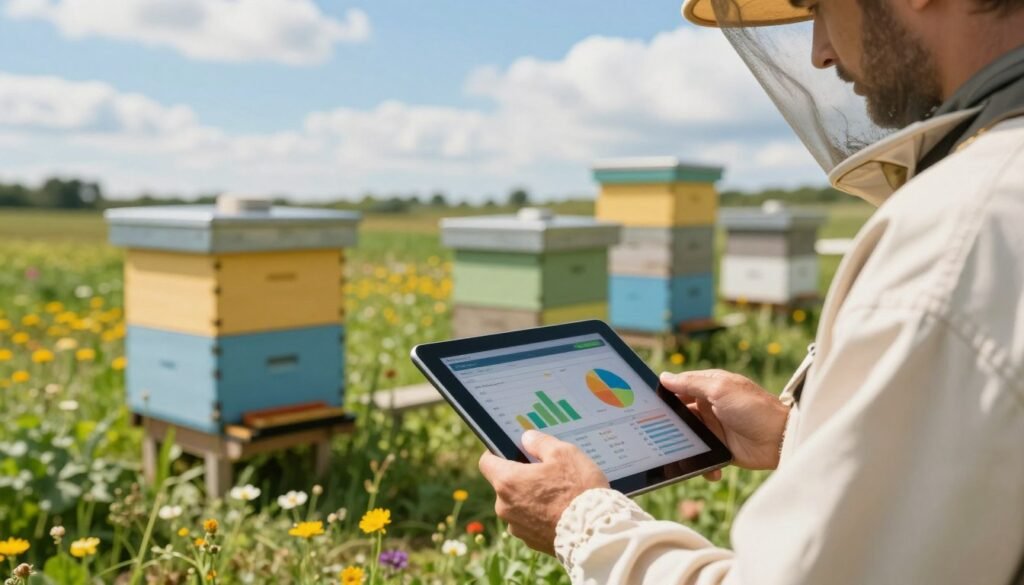
- Save time: voice recording during beehive inspections cuts typing.
- Stay accurate: central storage reduces missed entries.
- Scale easily: synced reports help multiple beekeepers manage complex operations.
Explore an app overview at BeeKeepPal overview or see options in the best record-keeping apps.
Implementing Effective Inventory Control
C. Controlling stock levels is a practical way to cut waste and make the beekeeping operation more efficient.
Accounts Junction offers inventory management services that help beekeepers track supplies, equipment, and honey stocks. Maintaining clear records prevents stockouts of sugar syrup, frames, and costly extraction gear.
Use regular counts and simple logs to see what you use most. That data helps set reorder points, so you order at the right time and avoid last-minute purchases.
Consistent inventory control also records honey quantity and storage location. This makes pricing and harvest planning more reliable.
- Count key items weekly during peak season.
- Log usages after each harvest or service visit.
- Use software features to flag low stock and monitor hive supplies.
| Item | Track Frequency | Benefit | Suggested Feature |
|---|---|---|---|
| Sugar syrup | Weekly | Prevents feeding shortages | Low-stock alerts |
| Frames & foundation | Before season & mid-season | Ensures brood support | Batch counts with location tags |
| Extraction equipment | After each harvest | Protects investment | Maintenance log |
| Honey stock | Per harvest | Accurate pricing & sales | Quantity by storage unit |
Good inventory records save time and sharpen management decisions. For tips on turning beekeeping into a side income while you refine control systems, see how to start beekeeping as a side.
Monitoring Honey Production and Yields
Measuring yields by hive reveals which colonies drive revenue and where to focus resources. Good records turn inspection notes into clear signals for action.
Analyzing Hive Performance
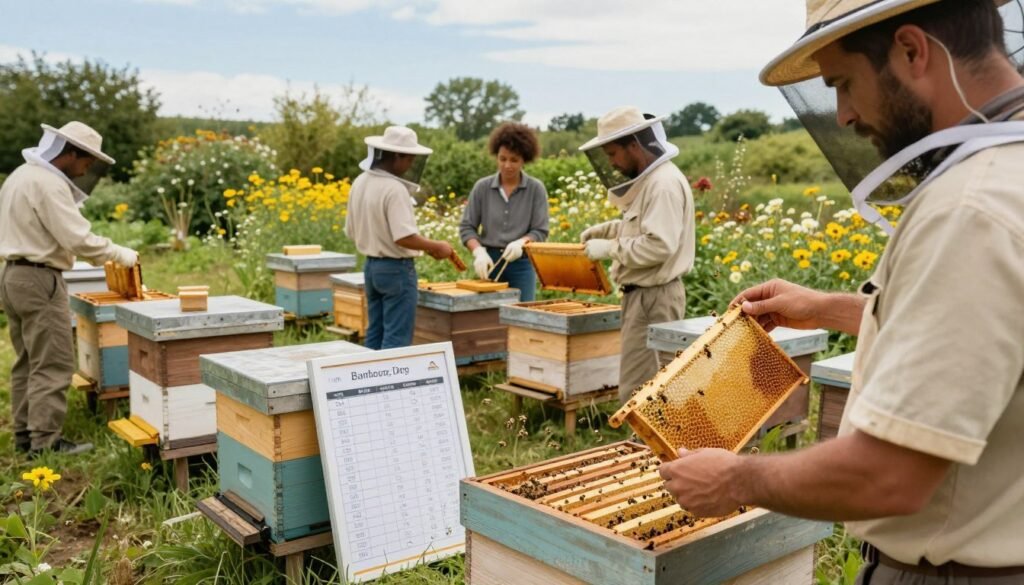
Collect per-visit numbers: record honey weights, propolis harvests, and observations from beehive inspections. Small entries add up to meaningful data over the season.
Use comparisons: compare per-hive production across levels to spot top performers and weak colonies. This helps you decide splits, feedings, or queen replacements faster.
- Track honey and propolis by hive to build reliable reports.
- Match yield trends with hive health notes to find causes.
- Use simple reports to set priorities for time and resources.
| Metric | What to Record | Benefit | Action |
|---|---|---|---|
| Per-hive yield | Weight per harvest | Identify top colonies | Protect breeders |
| Product mix | Honey, propolis, wax volumes | Know product value | Adjust marketing |
| Visit notes | Queen status, brood, pests | Link health to output | Plan interventions |
Consistent analysis of production data makes a professional beekeeping operation more profitable and sustainable over time.
Managing Team Roles and Access Permissions
Clear role definitions let teams work faster while protecting sensitive hive records. ApiManager lets account owners assign Queen (full access), Bee (content control), and Drone (read-only) roles. These roles help manage who edits inspection notes, who publishes product entries, and who only views reports.
Define responsibilities. Assign a Queen to handle billing and settings, a Bee to update beehive health and production data, and a Drone for read-only field review. This layered approach saves time and reduces mistakes during busy harvests.
Use features that limit edits to critical files and lock financial entries. That provides strong control over data and keeps honey records accurate. Proper access boosts trust among team members and protects your beekeeping operation.

- Role-based accounts secure sensitive records while letting staff do their jobs.
- Clear permissions speed workflows across management levels.
- Consistent access control supports professional operations and keeps beekeepers focused on the work that matters.
Ensuring Tax Compliance for Beekeeping Businesses
Tax season rewards beekeepers who keep clear, dated records of every sale and subsidy.
Meticulous financial records make preparation faster. Document honey sales, payments for other products, and any government support. This reduces audit risk and saves time when filing.
Accounts Junction helps beekeepers document income sources and file accurate returns. Professional support identifies eligible deductions for supplies, equipment, and vehicle costs.
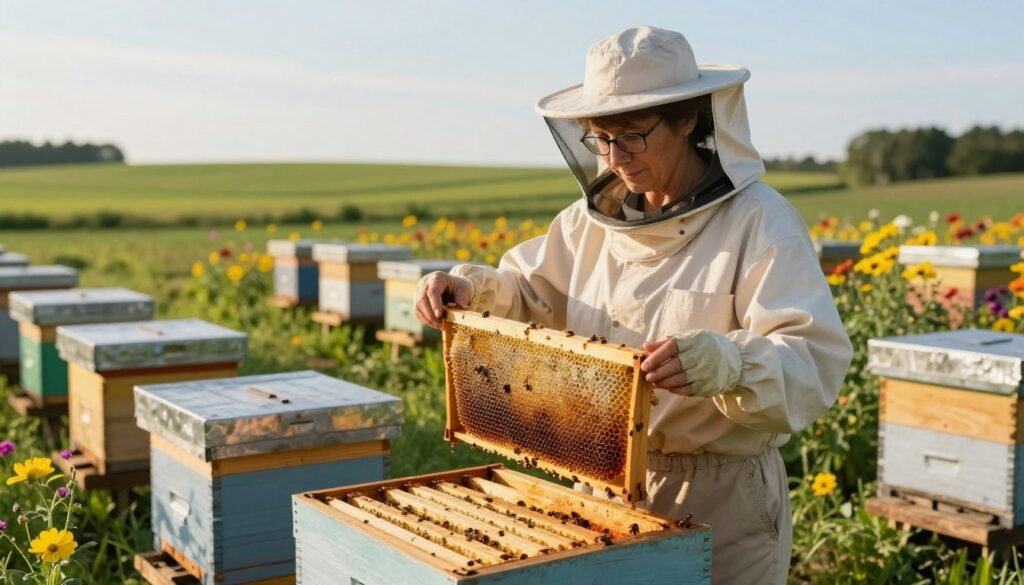
Consistent management of financial data provides the reports needed for transparent reporting each year. Good records also show which hive and beehive activities drive production and profitability beekeeping.
- Record every sale of honey and other products with date and amount.
- Keep receipts for supplies and repairs to claim deductions.
- Use regular reports to spot errors before filing.
Tip: For dedicated support, see commercial beekeeping accounting that aligns bookkeeping with tax rules and gives access to accurate information for year-end preparation.
Leveraging Weather Insights for Inspection Planning
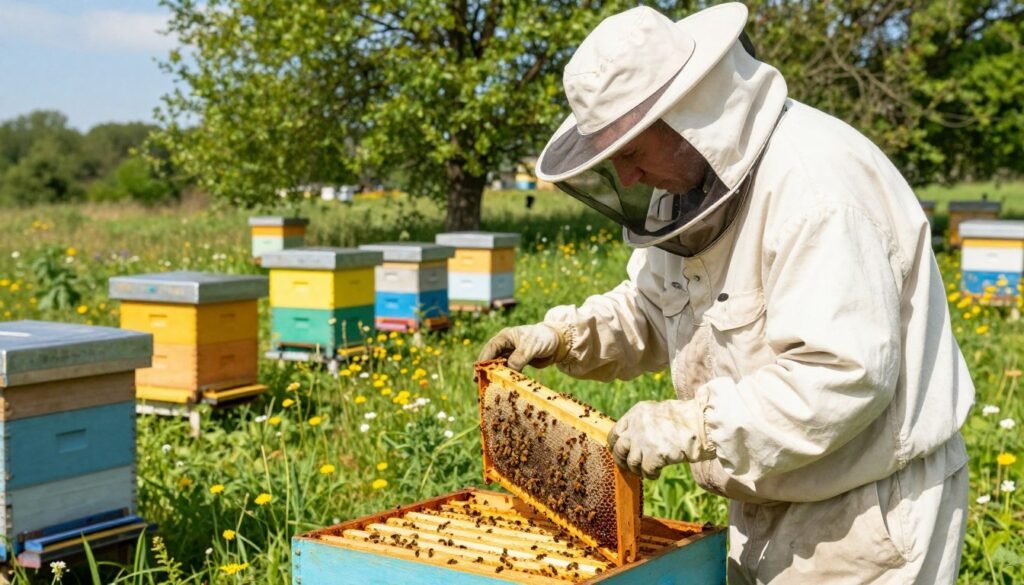
A three-hour weather window can turn a risky visit into a safe, productive inspection. CheckInspect from BeeKeepPal gives short-term forecasts that help beekeepers decide when to open a hive.
Use weather data to protect brood and reduce stress on honeybee colonies. Planning inspections around calm, warm hours prevents brood chilling and lowers the chance of robbing or disruption.
Integrate these tools into daily routines so field activities match expected conditions. This saves time and helps teams focus on productive tasks instead of emergency fixes.
- Safety first: avoid windy, cold, or wet periods that harm colony health.
- Efficient planning: schedule inspections when bees are least defensive.
- Better preparation: bring only needed gear based on forecasted conditions.
Professional operators tie weather-aware planning to inspection logs and production data. For research and monitoring tools, see monitoring conference details. For practical scheduling tips, consult time management for multi-hive operations.
Troubleshooting Common Management Challenges
Practical problem-solving skills help beekeepers turn data into timely action for healthier colonies. Use simple checks first: verify queen status, look for pests, and confirm feed levels. These quick steps stop small problems from growing.
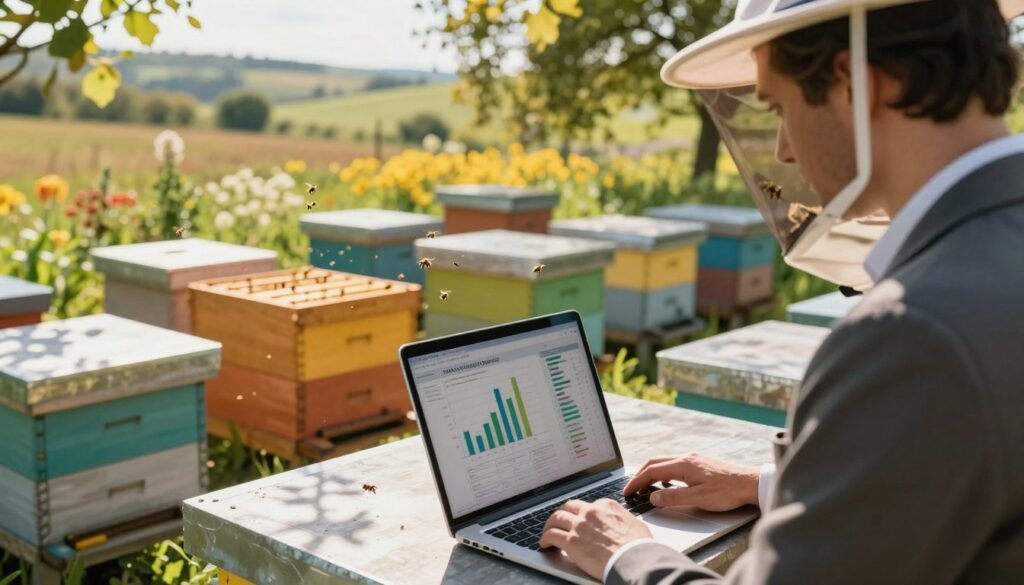
Use built-in analysis and features in your software to spot patterns. Regular review of records and short reports reveals trends in hive health and honey yields.
If you lose internet connection, modern apps keep work on-device so entries sync later to Android iOS tools. This protects inspection notes and keeps payroll-quality records intact while offline.
ApiManager is free for up to 20 hives and scales to Premium for large operations with up to 10,000 hives. When issues persist, contact support or consult knowledgebases for targeted fixes.
Tip: combine software reports with field notes to find root causes. For equipment that helps weigh production, compare options like the best hive scale app.
Conclusion
Well-organized data helps owners make timely choices that protect colony health. Clear beehive notes and easy tools improve long-term management and field work for beekeepers.
Effective systems turn daily entries into useful reports. Use regular records to spot yield trends, keep hive health high, and boost honey quality. These steps help teams act fast and cut costly mistakes.
Take action today: adopt reliable tools so beekeeping runs smoother, your honey returns grow, and beekeepers keep better control of each hive. Good records create a stronger, more profitable operation.