Understanding the difference between phoretic mites vs reproductive mites is essential for any beekeeper working to keep honey bee colonies healthy. These two life stages drive how the Varroa destructor spreads inside a hive and how hard it hits colony strength.
The Varroa destructor measures about 1/16 inch wide and feeds on developing bees. Its life cycle shifts between riding on adult bees and entering sealed brood cells to reproduce.
Knowing when mites are on adult bees versus inside brood helps you choose effective treatments and timing. Most controls affect the riding stage, while reproduction happens in capped cells.
For more detailed biology and management tips, see the extension guide at parasitic mite resources.
Key Takeaways
- These two stages require different control approaches to protect colony health.
- Varroa destructor is about 1/16 inch and severely harms U.S. apiaries.
- Most treatments target the riding phase; brood invasion protects reproducing mites.
- Timing treatments with brood cycles improves effectiveness.
- Regular monitoring and sampling keep infestations below damaging levels.
Understanding the Varroa Destructor Threat
Varroa destructor poses the single greatest threat to honey bees and modern beekeeping worldwide. These parasites are large compared with their hosts and can severely damage colony health by feeding on the fat bodies and protein reserves of developing and adult bees.
Because much of their life is spent hidden inside brood cells, beekeepers should assume these pests are present in most hives across the United States. Early detection is rare; they often go unnoticed until a colony shows decline.
Feeding by the mite introduces viruses that weaken pupae and adults. That viral load can accelerate collapse and spread between colonies in an apiary.
- The varroa mite life cycle has two distinct phases that direct control choices.
- Small size—about 1/16 inch—means infestation often becomes serious before it is seen.
- Proactive monitoring and timed interventions are the foundation of effective management.
For practical management guidance and regional notes on varroa mites, consult this resource: varroa mites.
Defining the Phoretic Mites vs Reproductive Mites Distinction
Within a colony, individual Varroa move between surface travel on bees and secretive development inside brood cells. This switch defines two clear life roles that shape infestation dynamics and treatment timing.
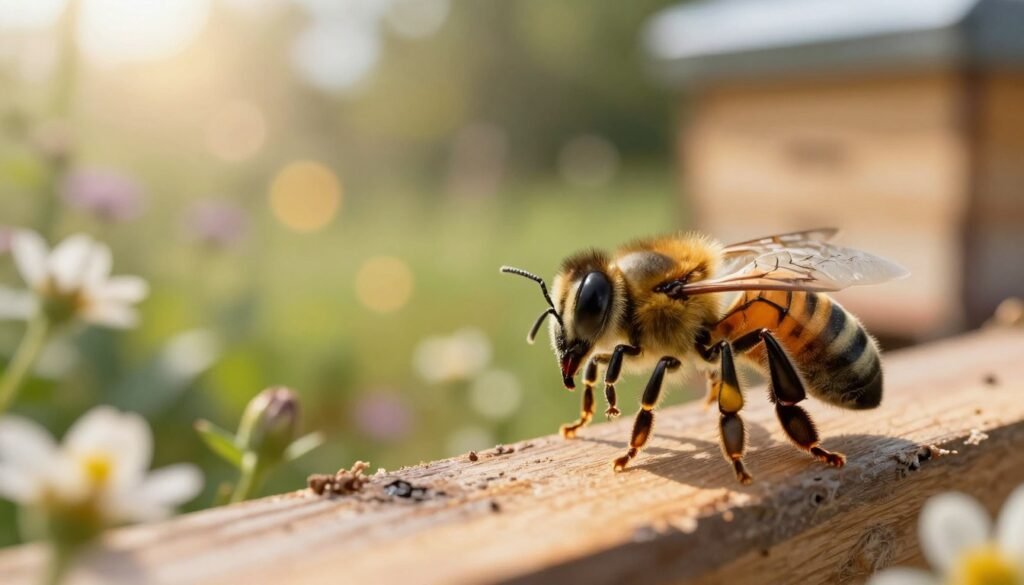
When you count mites on adult bees, remember many are hidden. For roughly every one found on an adult bee, about two more are inside capped brood. That 1:2 relation means a 2% count on adults can represent a much higher total in a brood-on colony.
Biological Significance
Mites do not reproduce while riding adults; they feed and wait. A foundress female enters a worker or drone cell roughly 20 hours before capping to begin mite reproduction once the cell seals.
- The first phase involves clinging to adult bees and feeding on fat bodies.
- The second occurs only inside sealed brood where eggs are laid and young develop.
- Knowing when mites are out on adults versus locked in cells helps time treatments for maximum effect.
For details on chemical options timed for the riding phase, see a practical comparison of treatments at formic vs oxalic vaporization.
The Biological Mechanics of the Phoretic Phase
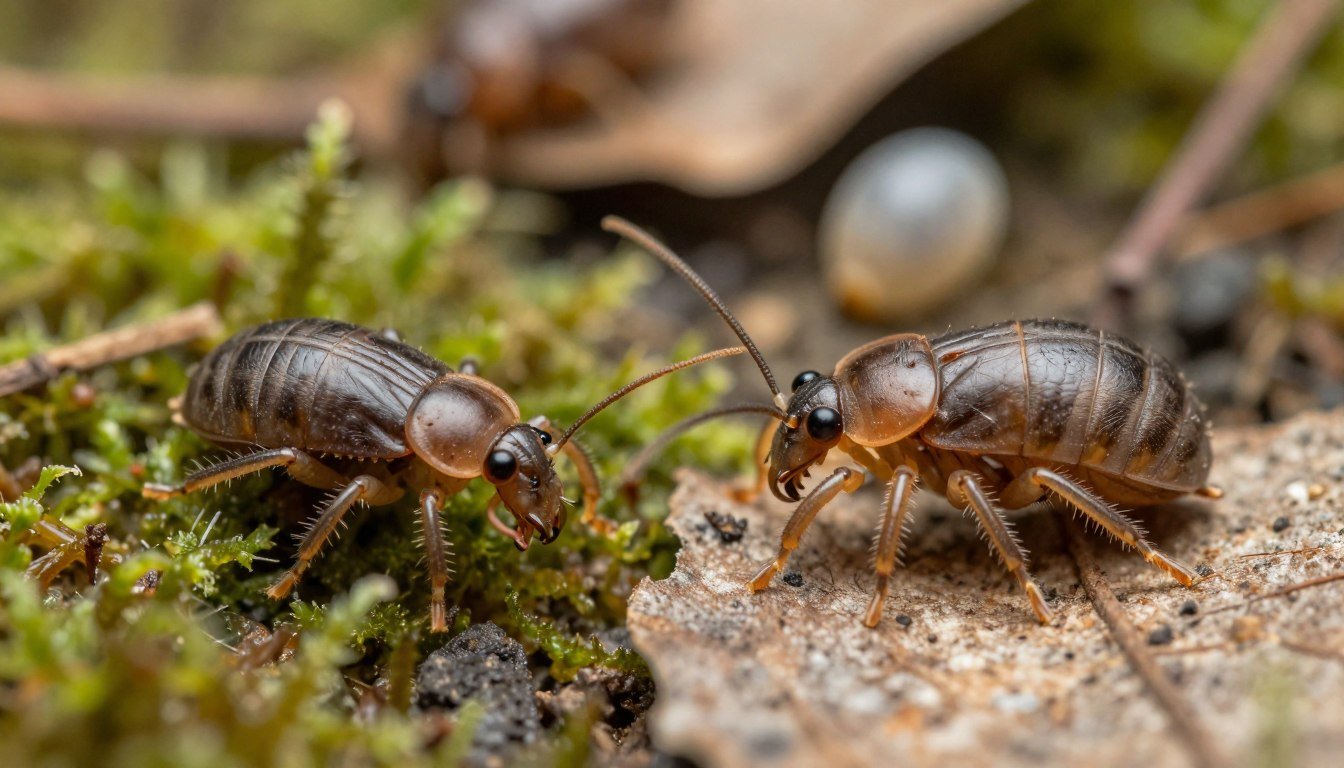
Mated females of the Varroa destructor spend days attached to adult bees while they wait for a suitable brood cell. During this riding phase the varroa mite clings to the abdomen and feeds on fat bodies to survive.
They prefer middle‑age nurse bees that linger in the brood nest. That preference increases the chance a mite will enter a larval cell just before capping.
A typical riding period lasts about four to five days when brood is available. The mite does not reproduce during this time; it simply waits and moves with the bee.
- Riding females feed on adult bees and use nurses to reach late‑stage brood.
- Because they are exposed on the bee surface, these mites are the main targets for contact treatments such as oxalic acid, thymol, and amitraz.
- Reducing the number of riding mites directly cuts the pool that can enter brood cells and reproduce.
“Targeting the riding stage can sharply reduce future brood infestations.”
For timing and strategies that focus on this stage, see the late-summer varroa management plan for practical steps used by many U.S. beekeepers.
Inside the Reproductive Phase of Varroa Mites
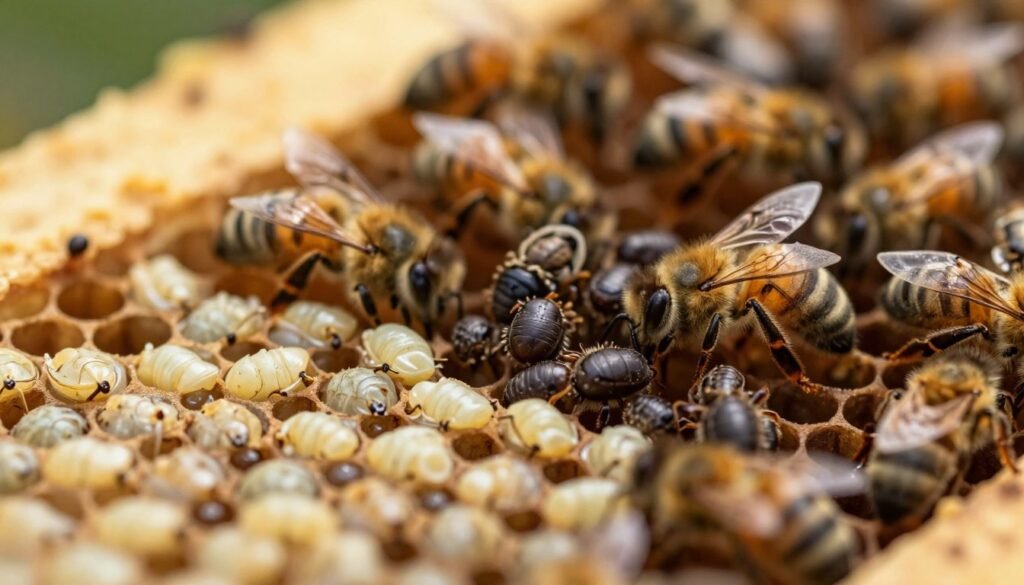
The reproductive cycle unfolds entirely inside capped brood, where a foundress begins a rapid, hidden sequence of events.
Foundress Entry
A single foundress enters a worker or drone larval cell about 20 hours before it is capped. She hides at the bottom in brood food and waits until sealing to begin feeding on the developing pupa.
Egg Laying Intervals
After the cell is sealed, the first egg laid becomes a male. The foundress then lays female eggs at roughly 30‑hour intervals.
Because of this timing, only the earliest female offspring usually have time to mature before the host emerges.
Mating Dynamics
Mating takes place inside the sealed cell. The male spends his entire life within the cell and dies at emergence.
When the adult bee leaves, the foundress and her mated daughters exit with it, ready to spread through the colony.
- Key points: inside the cell the mite is protected from most contact treatments.
- Understanding these dynamics explains how one foundress can drive a rapid population rise.
“Mating within the capped cell ensures daughter mites are ready to reproduce as soon as they leave with the bee.”
Why Drone Brood Acts as a Population Multiplier
Drone brood creates a breeding hotspot that lets a varroa mite population climb rapidly. Mites enter drone cells at roughly 7 to 10 times the rate they invade worker cells. That preference concentrates infestations on frames of drone brood.
Drone cells stay capped for 14 days, two days longer than worker cells. That extra time matters. It allows more female offspring to mature before the bee emerges.
On average, a mite in drone brood produces about 2.5 viable daughters. In worker brood the average is about 1.5. Those differences multiply across many invaded cells and days of brood production.
| Brood Type | Capped Days | Avg Female Offspring | Attraction Rate |
|---|---|---|---|
| Drone brood | 14 | 2.5 | 7–10× worker |
| Worker brood | 12 | 1.5 | Baseline |
Practical tip: Removing drone frames before emergence traps many mites. Freeze removed frames for 3–5 days to kill the load and slow population growth across the colony.
“Managing drone brood is one of the most effective non‑chemical tools to curb exponential mite population increases.”
Impact of Brood Cycles on Mite Growth Rates
A steady cycle of capped brood lets varroa reproduce faster than beekeepers often expect. Continuous brood provides ready cells and short generation time, which together drive rapid population increases.
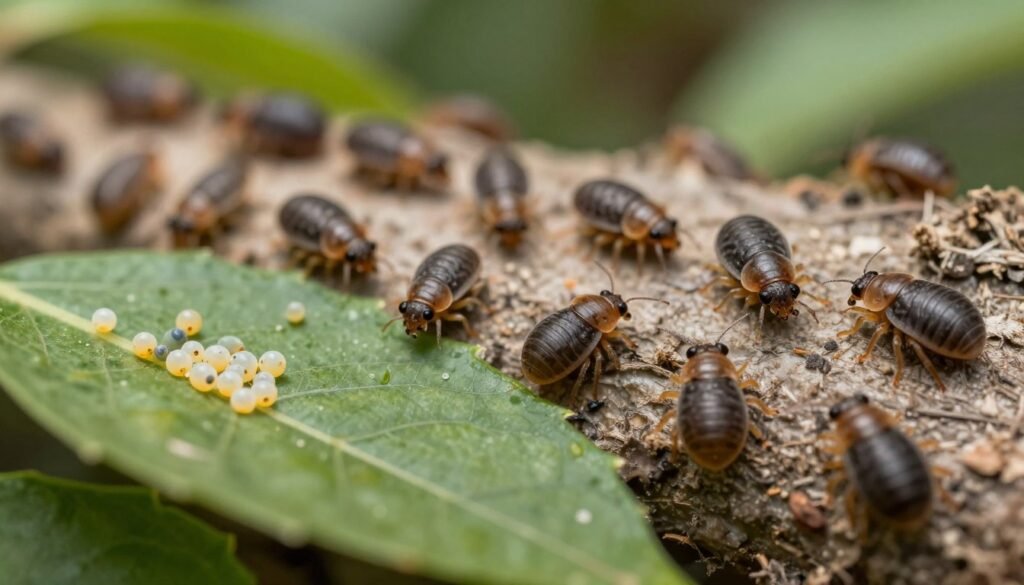
Exponential Population Expansion
When left unchecked, varroa populations can jump from about 1% to 5–10% in a single season. Counts often double every four to six weeks during peak brood rearing.
The growth curve is driven by a preference for drone brood and the steady availability of worker brood. A colony that starts spring with 1% infestation may reach late-summer levels that need urgent control.
- Why it matters: early monitoring spots the steep rise before clinical signs appear.
- Treating near a 2% rate is far more effective than waiting until 4–5%.
- Logging counts in tools like research dashboards or services described at beekeepers resources helps time interventions.
“Smaller populations mean less virus transmission and lower long-term damage to bees.”
Treatment Strategies for Phoretic Mites
Targeted treatments work best when the majority of the varroa population is on adult bees and not protected inside capped brood. Contact chemistries such as oxalic acid, thymol, amitraz, and beta acids act directly on mites on the bee surface.
Oxalic acid vaporization applied during a broodless period can exceed 90% efficacy against riding mites. That high kill rate occurs because no cells hide reproducing females.
Products with longer exposure times, like Apivar or MAQS, work by catching mites that emerge from capped cells over days and weeks. Follow the label exactly; removal intervals and placement matter.
- Schedule treatments to match low brood periods for best short‑term control.
- Rotate products with different modes of action to reduce resistance risk.
- Remember most chemical options target the exposed phase on adult bees, not the protected reproductive phase inside cells.
“Proper timing and rotation extend product effectiveness and protect colony health.”
Challenges of Targeting Mites in Capped Cells
Sealed brood cells act as a near-impenetrable shelter where most varroa complete their life cycle. Wax cappings block many contact treatments, so the majority of the parasite population remains protected while the colony raises brood.
The unique ability of formic acid to penetrate cappings makes it the only common chemical that kills varroa inside sealed cells. Even so, proper application and timing are critical for safety and success.
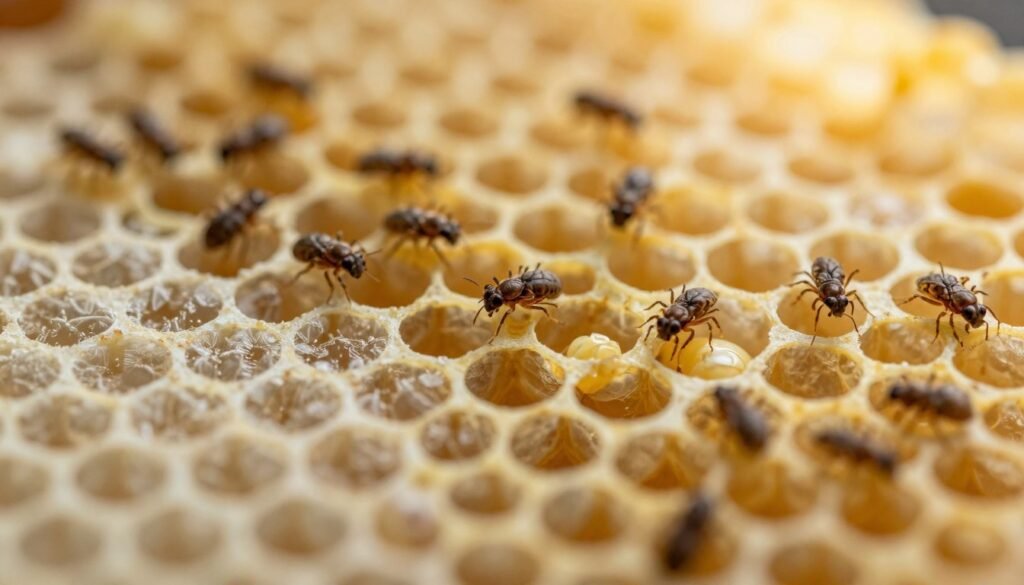
Because most of the population hides in worker and drone brood, beekeepers often rely on long-duration products. These treatments catch the small number of individuals that emerge over many days and expose them while they are on adult bees.
- Hard to reach: Wax cappings shield parasites from short-contact chemistries.
- Formic acid: Vapors can penetrate sealed cells and reduce in‑cell survival.
- Duration matters: Insufficient treatment length lets survivors emerge and pass on resistance.
“Broodless periods remain the ideal window for effective control because they expose the full population.”
Combine this understanding with monitoring and integrated methods, and consider long-term solutions like selective breeding for resistance highlighted in varroa‑resistant bee genetics.
Monitoring Techniques for Accurate Infestation Counts
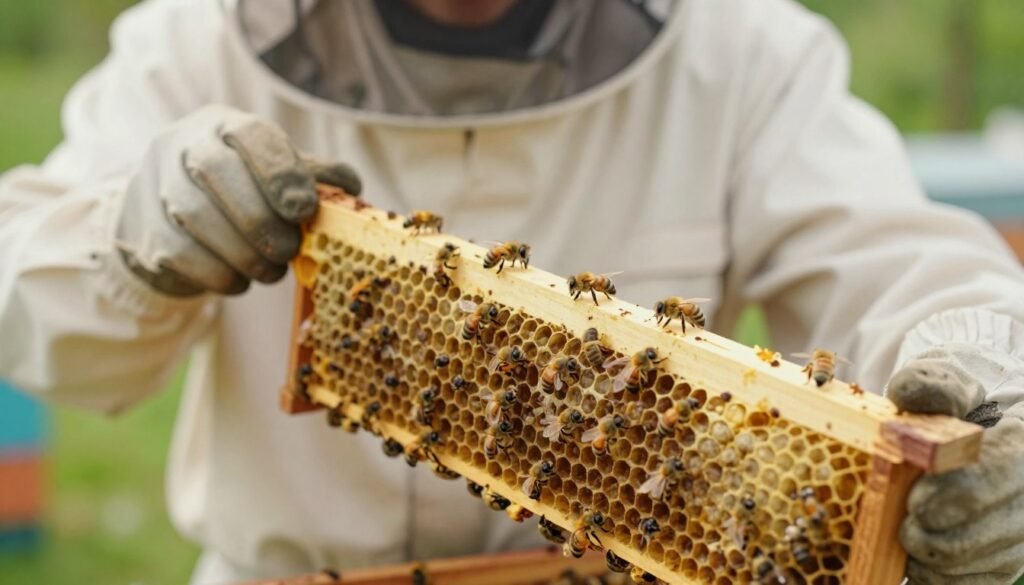
Accurate sampling is the foundation of any successful varroa control plan. Regular, consistent checks let you see trends and act before a colony reaches danger levels. Aim to sample from combs with open brood and avoid collecting the queen.
Alcohol Wash Reliability
The alcohol wash is the gold standard for counting varroa mite levels because it dislodges parasites from adult bees and gives the most reliable estimate.
How to do it: collect about 300 bees from frames with nurse bees, shake them with alcohol, then count the mites. This sample size gives a robust rate expressed as mites per 100 bees.
Pro tip: log each result so you can track population growth and treatment effectiveness over time.
Sugar Shake Limitations
The sugar shake is a non‑lethal alternative that recovers roughly 80–90% of the mites. It works well in normal conditions but loses accuracy in high humidity.
CO2 sampling recovers fewer mites (about 60–70%) and so is less reliable than an alcohol wash for precise counts.
- Target nurse or adult bees, not the queen.
- Sample size: at least 300 bees from brood frames.
- Threshold: act to keep the rate under 3% (fewer than 3 mites per 100 bees).
Consistent monitoring is the only sure way to know whether treatments are keeping a colony safe.
For step‑by‑step protocols, consult this varroa monitoring guide and review post‑treatment counting tips at post‑treatment varroa mite count.
Genetic Resistance and Natural Management Approaches
Selective breeding offers tools that reduce varroa pressure without relying solely on chemicals.
Russian honey bees show strong grooming that removes many external parasites from adult workers and nest mates. Varroa‑sensitive hygienic (VSH) lines detect reproducing females inside capped brood cells and remove infected pupae.
These traits slow mite population growth and lower the number of daughter females that complete development in drone cells and worker drone areas.
| Trait | Effect | Practical use |
|---|---|---|
| Grooming | Reduces parasites on adult bees | Choose stocks with observed behavior |
| VSH (hygienic) | Removes infested brood cells | Pairs well with monitoring |
| Drone brood trapping | Concentrates and removes parasites | Remove and freeze frames before emergence |
Limitations: no line gives full resistance, and airborne mating makes trait maintenance hard for hobbyists. Regular checks remain essential to keep rates low.
For scientific background on breeding traits see VSH breeding research. For practical colony care tips, review beginner mistakes in beekeeping.
“Genetics and natural methods reduce treatment frequency, but monitoring prevents surprises.”
Conclusion
A practical path to healthier colonies relies on matching treatment timing to mite behavior. Understand the riding and in‑cell stages of the varroa mite and prioritize actions that cut population growth.
Time treatments when most parasites are on adult bees, remove drone brood to trap and reduce reproduction, and keep regular counts with the alcohol wash. These steps give you data to act fast and protect worker and drone development in brood cells.
Genetics and cultural methods help, but current management needs a mix of monitoring, targeted chemistry, and brood strategies to sustain healthy honey bees and colony strength.
For data on how mite age affects removal by bees, see this mite age and status study.
FAQ
What is the main difference between phoretic and reproductive phases of Varroa destructor?
The phoretic phase occurs when an adult female Varroa rides on an adult honey bee, feeding on hemolymph and moving between combs. The reproductive phase happens inside a capped brood cell where the foundress lays eggs, daughters mature, and mating occurs. Each phase supports different behaviors and plays a distinct role in population growth.
Why is Varroa destructor considered a major threat to honey bee colonies?
Varroa weakens individual bees by feeding and transmits viruses such as Deformed Wing Virus. Heavy infestations reduce brood survival, impair foraging, and can collapse colonies within a season if left unmanaged. Control and monitoring are essential for colony health.
What is the hitchhiker ratio and why does it matter?
The hitchhiker ratio describes how many adult females ride on worker or drone bees at any time. A higher ratio increases chances that foundresses reach suitable brood cells to reproduce. This metric helps beekeepers estimate spread risk and prioritize interventions.
How does the phoretic phase influence mite biology and spread?
During the phoretic phase, females disperse across adult bees, seek new brood, and survive outside capped cells. This movement enables mites to colonize comb areas, enter drone or worker brood, and escape treatments that only target capped brood.
How does a foundress enter a brood cell and begin reproduction?
A female locates a late-stage larva or pre-capping cell, enters just before capping, and conceals herself on the cell wall. After capping, she feeds on the pupa, then starts laying a series of eggs at defined intervals. The timing determines how many viable daughters emerge.
What are typical egg-laying intervals and how many offspring can a foundress produce?
Females lay eggs roughly every 30 hours, beginning with a male egg followed by female eggs. In worker brood, a foundress commonly produces one to three mated daughters; in drone brood, longer development allows more offspring, boosting population growth.
How do mating dynamics inside a cell affect mite population growth?
Mating occurs between siblings inside the capped cell. A single male mates with multiple sisters, ensuring that daughters leaving the cell are already inseminated. This in-cell mating guarantees rapid population increase when conditions allow consecutive reproductive cycles.
Why does drone brood act as a population multiplier for Varroa?
Drone brood remains capped longer than worker brood, giving mites extra time to lay more eggs and for offspring to mature. Mites preferentially infest drone cells, so a few drone cells can produce many more fertile daughters than the same number of worker cells.
How do brood cycles influence exponential mite growth in a colony?
Short intervals between brood cycles and abundant suitable cells let mites complete multiple reproductive generations within weeks. When many foundresses reproduce in overlapping cycles, the colony sees exponential increases in mite numbers, especially during peak brood rearing.
What treatments target mites on adult bees during the phoretic phase?
Treatments include formic acid, oxalic acid (dribbles or vaporization), and thymol-based products. These act directly on mites on adult bees and can reduce the hitchhiker population between brood cycles. Choice of product depends on timing, colony condition, and label instructions.
Why are mites inside capped brood cells harder to control?
Capped cells physically protect mites from many topical treatments and natural grooming. Inside the cell, mites reproduce and are shielded until the bee emerges, so treatments that don’t penetrate cappings or act systemically may miss a large portion of the population.
How reliable is the alcohol wash for estimating infestation levels?
The alcohol wash is considered a reliable quantitative method. It kills and dislodges mites from a sample of adult bees, allowing accurate calculation of percent infestation. When done correctly on a representative sample, it gives actionable data for treatment decisions.
What are the limitations of the sugar shake method?
The sugar shake is nonlethal and useful for routine checks, but it can undercount mites that cling tightly or hide in hair and joints. Results vary with sample handling and bee type, so use it for trend monitoring rather than precise thresholds.
Can genetic resistance and natural behaviors reduce mite impact?
Yes. Traits like hygienic behavior, grooming, and Varroa Sensitive Hygiene (VSH) reduce mite reproduction and survival. Breeding programs from organizations such as the Bee Informed Partnership and university extension programs promote stock with these traits for sustainable management.