Combining two colonies is a core skill for any American beekeeper who faces a weak or queenless unit in the yard. When a hive lacks a laying queen, its population falls and brood declines, risking losses through pests or poor winter survival.
Careful observation and timely action give the best chance for success. A staged approach using a sheet of newspaper allows scent blending and reduces fighting while frames and boxes are prepared for the merge.
Professional care includes checking frames for brood and honey, arranging the brood box for strength, and allowing days for acceptance before cold weather sets in. For practical setup and equipment tips, see a guide to beehive installation.
Key Takeaways
- Act early: a queenless unit will weaken fast without intervention.
- Use newspaper: gradual scent exchange lowers the chance of fighting.
- Prepare frames and boxes: protect brood and honey before winter.
- Observe for days: give bees time to accept the new queen and neighbors.
- Protect resources: merging reduces losses to pests and boosts colony strength.
Understanding the Need for Colony Consolidation
Merging low‑strength hives into one robust unit improves survival odds through cold months.
A weak hive is one that cannot cover both sides of three or more frames with adult bees. Such units struggle to maintain brood temperatures and often fail by winter.
Consolidating two colonies before winter preserves honey stores, protects brood, and reduces the chance of collapse. This method saves the beekeeper time and limits resource loss.
“One strong colony is worth more than two failing ones—prioritize strength over numbers.”
When you combine two hives, the merged population can keep eggs and larvae warm. That support boosts spring rebound during the nectar flow.
- Identify weak units early and plan consolidation.
- Prepare frames and boxes so brood and honey are secured.
- Use a staged method, such as a paper barrier, to reduce fighting.
| Issue | Risk | Benefit of Consolidation |
|---|---|---|
| Low adult population | Brood chill, collapse | Improved brood care |
| Queen absence | Decline in eggs | Immediate population support |
| Insufficient stores | Winter starvation | Shared honey and stores |
Identifying a Queenless Hive or Weak Colony
A focused inspection will tell you if the laying pattern is breaking down. Walk the yard and note which hive shows thin populations or scattered bees on the top bars.
Signs of a Failing Queen
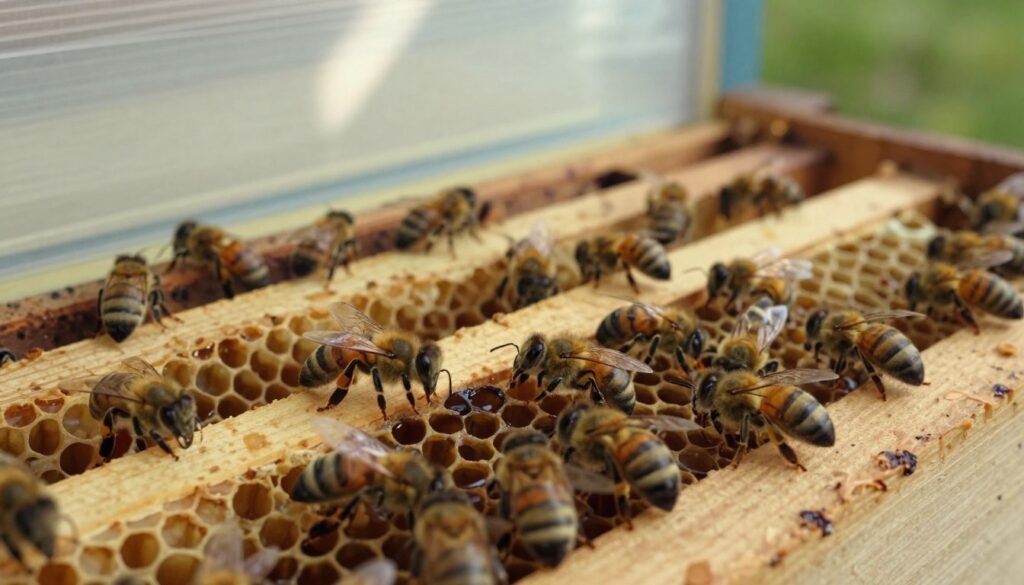
Look for irregular egg patterns across frames and a shrinking brood nest. A low laying rate and patchy sealed brood are classic signs that the queen is failing.
Other clues: increased drone cells, swarming preparations, or lots of queen cells in the middle of brood frames. These indicate the workers may be preparing a new queen.
Detecting Queenless States
If a careful search finds no eggs, no queen, and no recent brood, the hive is likely queenless. The cluster may seem calm, but without new brood the population will age and fall.
- Confirm absence over two inspections on separate days.
- Mark whether honey and frames are adequate for a merge or replacement.
“Verify the queen before making any drastic moves; misdiagnosis can harm strong hives.”
Assessing Hive Strength Before Merging
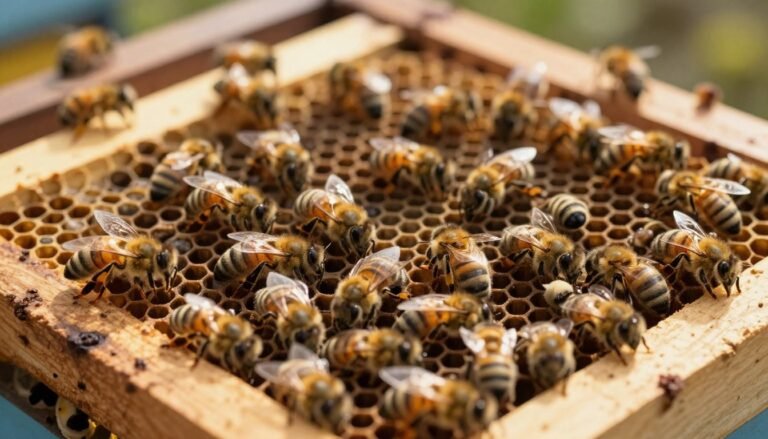
Inspecting bee coverage on frames reveals if a hive can maintain brood heat and stores. Start by opening the top box and count the frames covered by adult bees.
If the colony cannot cover at least three frames on both sides, it is a candidate for consolidation. A weak unit that cannot support its own brood will struggle through winter.
Check frames for the best brood, then note pollen and honey stores. Prioritize keeping the strongest brood frames when you condense boxes.
Record your findings and the number of days between inspections. Professional beekeepers often remove extra boxes to improve heat retention before combining hives.
- Ensure enough adult bees to warm the brood nest.
- Keep the best frames of brood, pollen, and honey.
- Document strength at each inspection for future decisions.
“A clear assessment saves resources and raises the chance of a successful combination.”
How to Unite a Queenless Hive with Another Colony
Start the union on calm days when foraging is strong and temperatures are mild. This reduces stress and keeps foragers away during the first 24 hours.
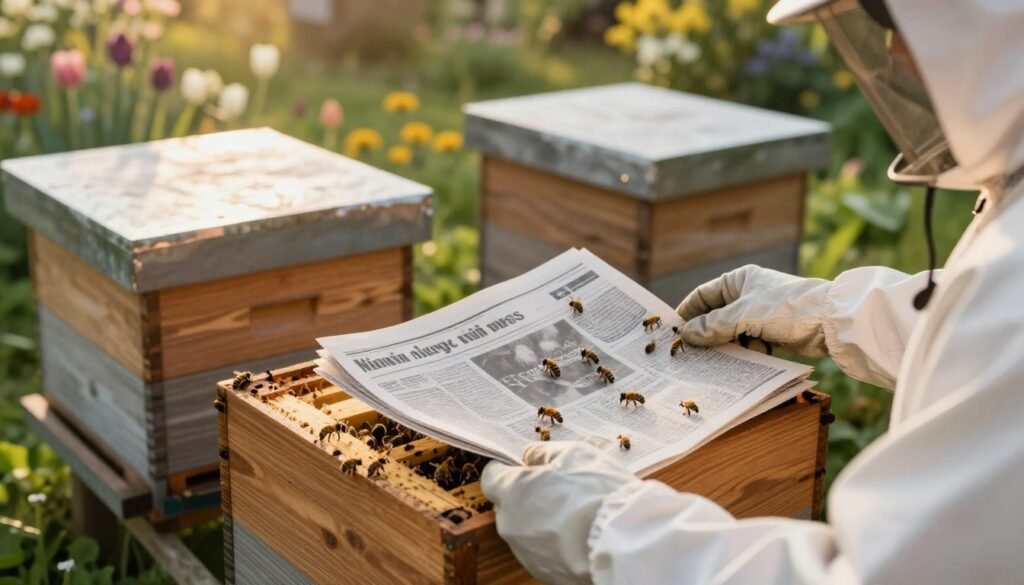
The newspaper method is the proven way for combining hives safely. Place the stronger hive on the bottom and set the queenless unit on top. Lay a single sheet of newspaper between the boxes.
Workers chew through the paper over several days, letting scents blend. That slow mixing cuts fighting and raises the chance the bees accept the new queen. Keep the entrance clear and avoid heavy disturbance while chewing occurs.
- Check frames: make sure the queen rides with frames from the nucleus.
- Protect brood: keep the best brood frames centered in the brood box.
- Wait quietly: leave the boxes undisturbed for several days after placement.
“Using paper as a timed barrier manages scent and reduces aggression during combination.”
| Step | Action | Reason |
|---|---|---|
| Placement | Strong colony bottom; queenless box top | Better heat and nurse support for brood |
| Barrier | Single newspaper sheet | Slow scent blending; reduces fighting |
| Timing | Undisturbed for several days | Allows chewing and acceptance |
| Verification | Confirm queen safe on frames | Prevents accidental loss during move |
Preparing Your Equipment for the Transition
A tidy workbench and checked equipment make the combination process smoother for both bees and beekeeper.
Select boxes that will let the combined hive hold brood and honey without extra gaps. A standard winter setup uses two boxes for a healthy colony. This helps bees hold heat and protect the brood.
Check inner and outer covers for gaps or cracks. Replace damaged parts so drafts do not chill the brood box. Make sure the entrance is the right size for defense during the combination.
Selecting the Right Boxes
Use full sets of frames for 10-frame equipment; empty space invites stray comb. Have a clean sheet of newspaper ready as the paper barrier between boxes. Organize frames so the best brood frames sit near the center.
- Condense into as few boxes as possible for better temperature control.
- Keep hive tool and smoker handy to reduce time the hive is open.
- Inspect covers and boxes now, not on the day you combine, to save days of stress later.
“Proper equipment preparation is the foundation of successful beekeeping.”
Consolidating Frames for Maximum Efficiency
Start by moving the healthiest brood frames into the center; this gives the cluster a solid core. A tight layout helps the bees keep brood warm and lets the queen find room to lay.
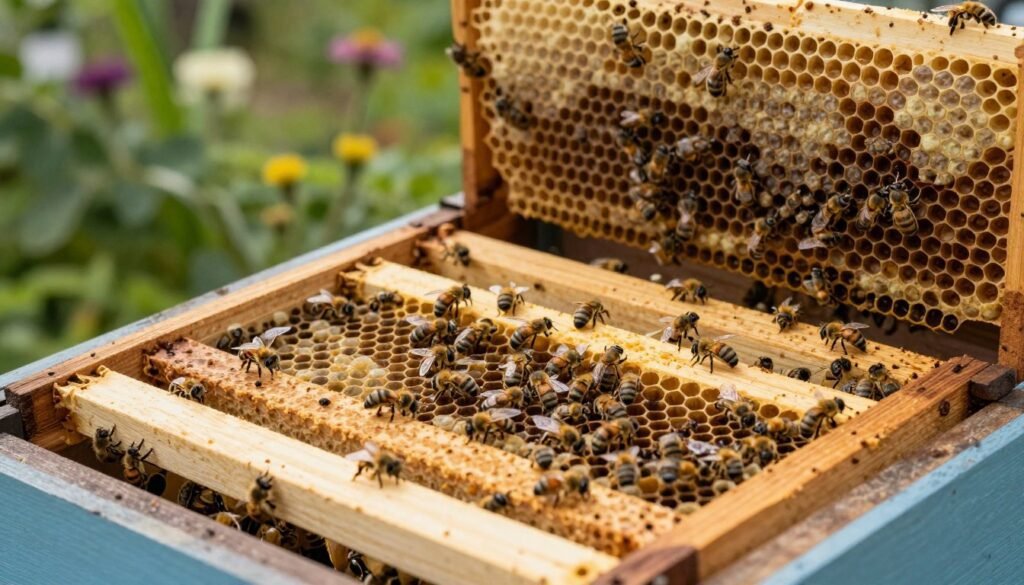
Prioritizing Brood Frames
Select the best frames of brood first. If a failing unit has only three or four frames of brood, place those frames in the middle of the brood box.
Keep frames with recent eggs and nurse activity closest to the queen. Inspect each frame for disease or pests before moving it.
Organizing Honey Stores
Place honey frames above the brood nest so bees have easy access during cold days.
Remove empty frames and replace them with quality honey or pollen frames from the stronger hive. Condense into one box where possible; a compact cluster saves energy and raises the chance of winter survival.
- Center best brood; surround with nurse bee–active frames.
- Stack honey stores above brood for convenient feeding.
- Check every frame for signs of disease before transfer; see a guide on inspecting nucs for disease risk for inspection tips.
Pro tip: A neat, balanced frame layout reduces fighting and gives the queen the environment she needs to rebuild the population.
For step‑by‑step merging methods that include placement and paper barriers, review a practical guide on combining hives safely.
Managing the Stronger Colony
A healthy, calm colony at the bottom of the stack sets the tone for a successful merge.
Start by confirming the laying queen is present and active. Check for steady brood patterns and enough honey in the brood box.
Keep the stronger unit in its original spot. That keeps foragers oriented and lowers drift away from the site.
Watch the population for signs of stress or aggression during the first few days. Reduce disturbance and keep the entrance clear so defenders can work without congestion.
“A stable base and calm work will raise the chance that incoming bees accept the combined group.”
- Inspect frames for quality and move the best brood into center positions.
- Replace poor frames in the strong hive with solid frames from the weaker unit when needed.
- Ensure boxes offer room; overcrowding raises the risk of swarm behavior.
| Item | Action | Why | Timing |
|---|---|---|---|
| Queen check | Confirm laying and marked if possible | Ensures leadership and steady egg supply | Before stacking |
| Honey stores | Verify levels in brood box | Supports added bees through low forage | Days before combination |
| Space | Keep adequate boxes and entrance clearance | Prevents fighting and swarm pressure | Ongoing |
The Newspaper Method for Safe Integration
Use a single sheet of newsprint as a timed buffer; the paper provides a slow scent merge that calms both groups. This method gives the bees a chance to blend odors while limiting direct fighting.
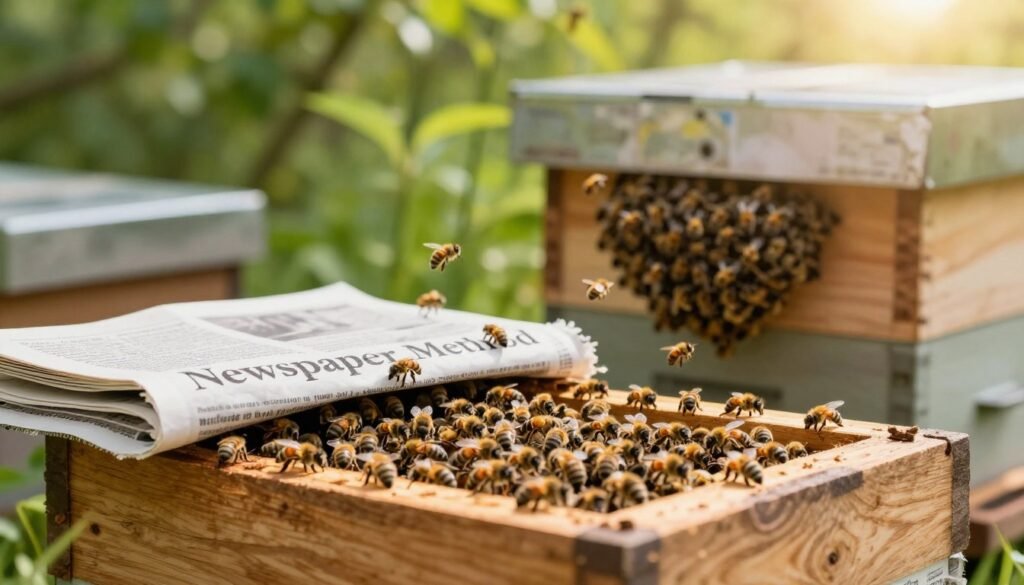
Preparing the Newspaper Layer
Place one sheet newspaper between the top box and the lower brood box. Align it so the frames stay stable and the queen rides safely on her frames.
Creating Ventilation Slits
Small slits are optional but helpful. A few short cuts give the bees a head start and ease air flow without removing the protective barrier.
Timing the Removal
The workers will chew through the paper over a few days. Watch for torn scraps at the entrance — this shows the process is working.
“A single layer is best; multiple sheets delay the process and increase stress.”
Quick tips:
- Do not staple or tape the sheet newspaper; these can trap or injure bees.
- Use only one layer; more will slow acceptance and raise the chance of disturbance.
- Monitor the hive from a distance while the paper is being removed.
Using Smoke to Reduce Aggression
A well‑timed puff of smoke can calm nervous bees and lower the risk of fights during a union.
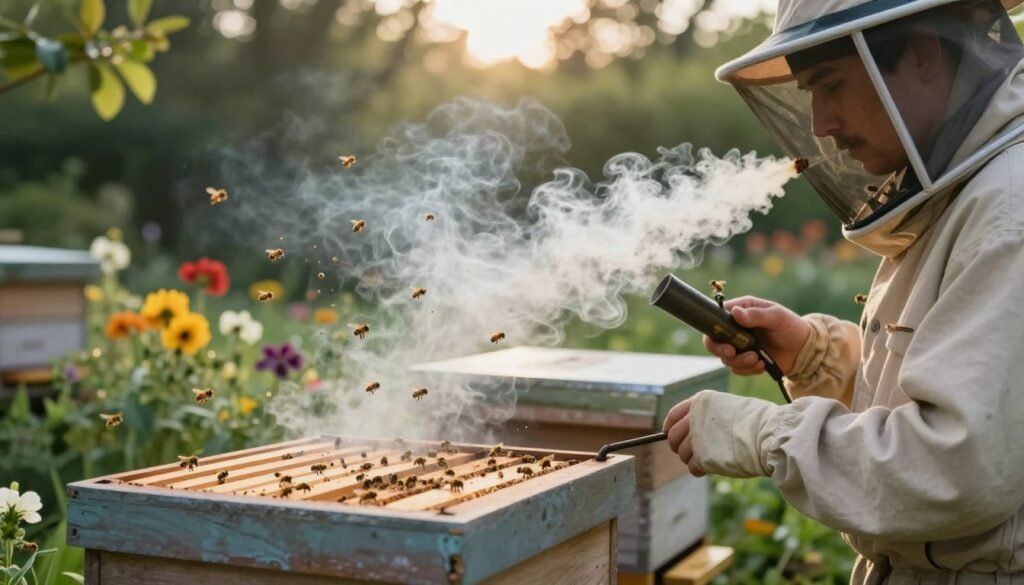
Smoke masks colony scent and confuses signals that trigger defense. For beekeepers combining two groups, this offers a safer moment to move frames and place the newspaper method sheet.
Use a steady, gentle stream from a well‑lit smoker. Cover the entrance and each box briefly so workers become less alert without being over‑stressed.
- Light the smoker before opening and have fuel ready.
- Apply smoke evenly around the top and brood box, then pause and work with calm motions.
- Use smoke as a supplement to the paper method, not a replacement.
“Smoke creates a neutral space where bees are less likely to attack the new queen or fight over frames.”
Moderation is key. Heavy, prolonged smoking can harm bee activity. In emergencies, a careful dose gives you time and a better chance that the combination will succeed.
Applying Sugar Syrup to Distract Bees
A light feed of sugar syrup gives busy bees something sweet to clean while you work on the hive. This simple trick redirects attention and lowers aggressive interactions during a combination.
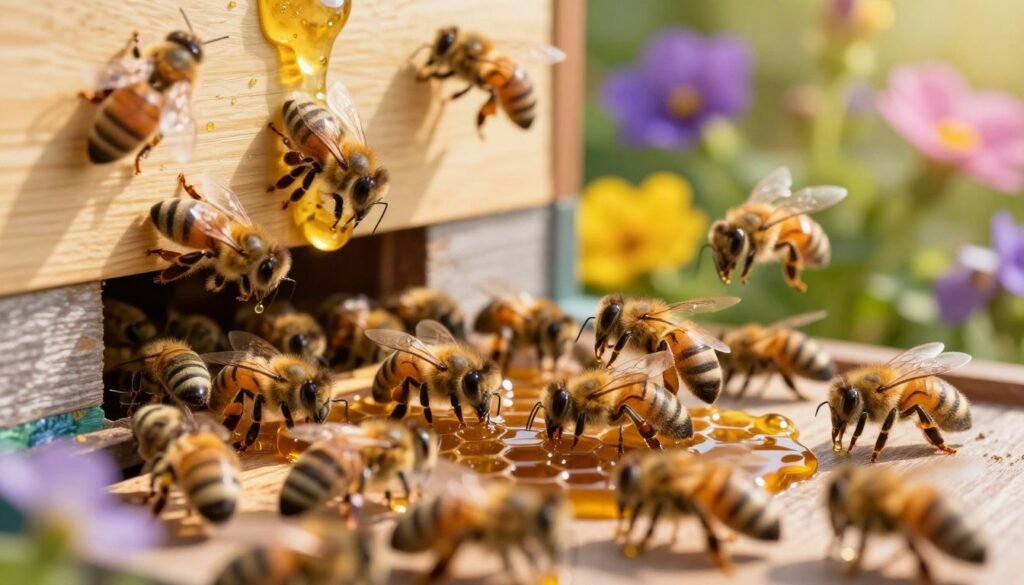
Use a sprayer or drip: mist syrup over the tops of frames or drip along the comb so workers become occupied with cleanup. Keep syrup off the queen; do not cover her as that may mask her pheromones and cause stress.
Supplementing the mix with trace additives can further distract foragers and nurse bees. Fresh, well‑mixed syrup encourages quick cleanup and gives bees energy while they settle into the brood box.
- Apply syrup after placing the newspaper method sheet so scent blending and feeding work together.
- Avoid heavy soaking; wet bees chill or get stuck between frames.
- Feeding reduces the chance of fighting and buys valuable days for acceptance.
“A targeted syrup feed often turns conflict into cleaning, improving the chance the queens and workers accept the union.”
For tips on guarding stores and avoiding robbing during feeds, see guidance on protect hives.
Protecting the Queen During the Process
Shielding the queen from aggressive workers gives the merged group a chance to stabilize quickly.
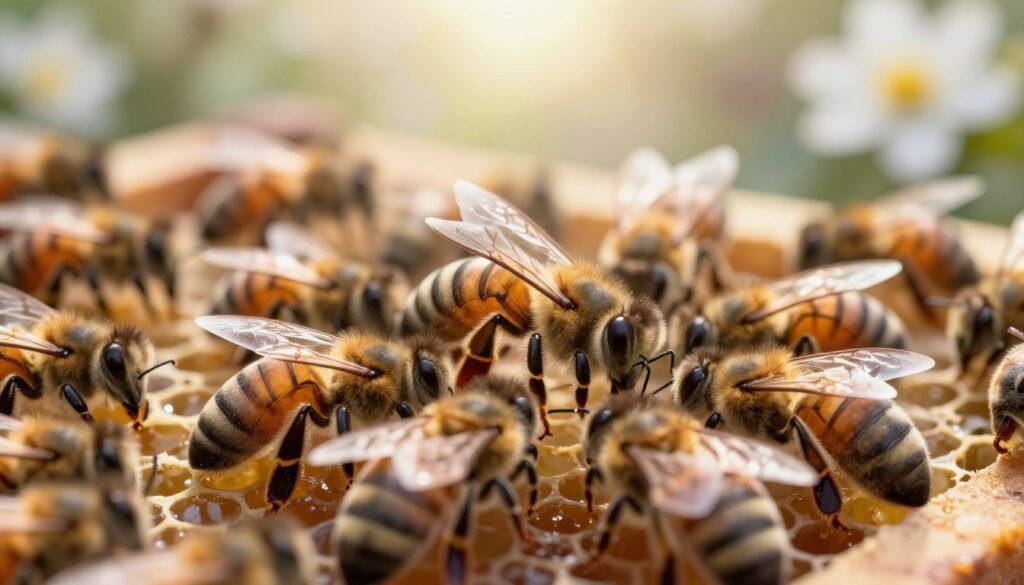
Keep her on strong brood frames and surround those frames with nurse bees. Nurse bees insulate the queen and maintain brood temperature. That buffer reduces direct contact with unfamiliar workers.
Place an extra frame of bees on either side of the queen frame. A steady ring of attendants acts as a living shield during the first critical days.
Mark the queen so you can spot her fast during inspections. If you fear injury, use a queen cage with some candy and a few nurse bees as temporary protection.
- Handle the queen frame gently; never drop or jar it.
- Keep the brood box layout tight so the queen and her nurses stay together.
- Have a backup new queen or a caged option available in case the main queen is lost.
“A well‑protected queen is the key to a successful combination and strong winter recovery.”
For secure introduction tools, consider a guide on best queen cages for introduction.
Monitoring the Hive After Combination
Give the stacked boxes at least one quiet week. Leave the setup undisturbed so the paper layer and scents blend and the bees settle.
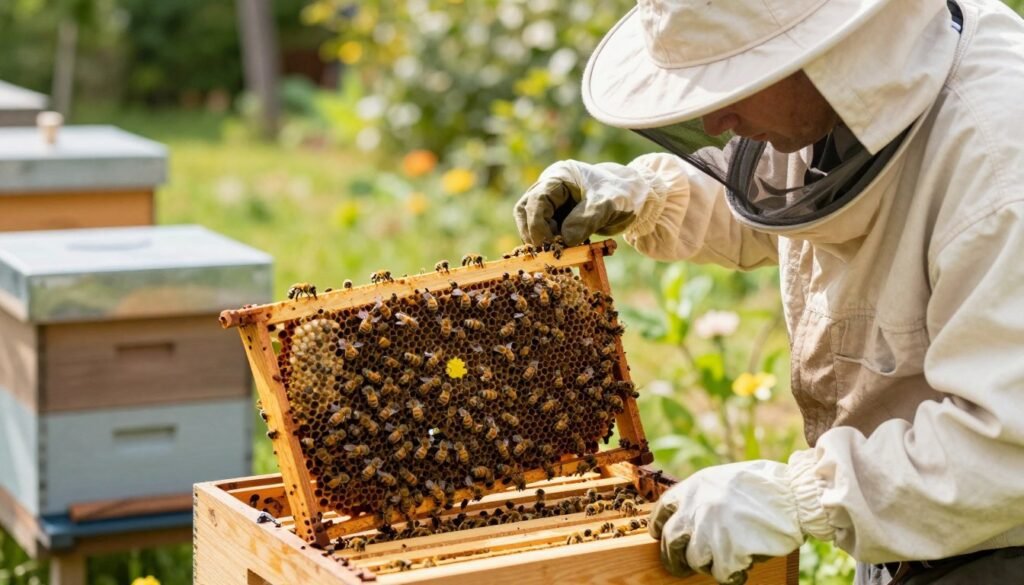
From a distance check the entrance daily. Look for workers bringing pollen or clean comb bits; those are clear signs the merged bees are cooperating.
If you spot chewed newspaper scraps at the entrance, the newspaper method is working as planned. Avoid opening the hive during this chewing phase; early inspections can trigger fighting and stress the queen.
- After seven days perform a quick check: confirm the queen is present and laying, and that brood pattern looks consistent.
- Watch for clustered dead bees or active fighting at the entrance; these indicate problems that need attention.
- Record each visit and findings—beekeepers who log inspections spot trends and act before issues grow.
“Careful, patient monitoring is the final step that gives your bees the best chance for winter success.”
If questions remain, consult a detailed combining guide such as this practical resource on combining hives guide or the field-tested notes on combine two weak colonies.
Handling Potential Forager Drift
Forager loss from site fidelity is one of the trickiest issues during a combination. Many bees will fly back to their old location and leave the new brood box short‑staffed. That loss reduces nurse support for the queen and stresses the remaining workers.
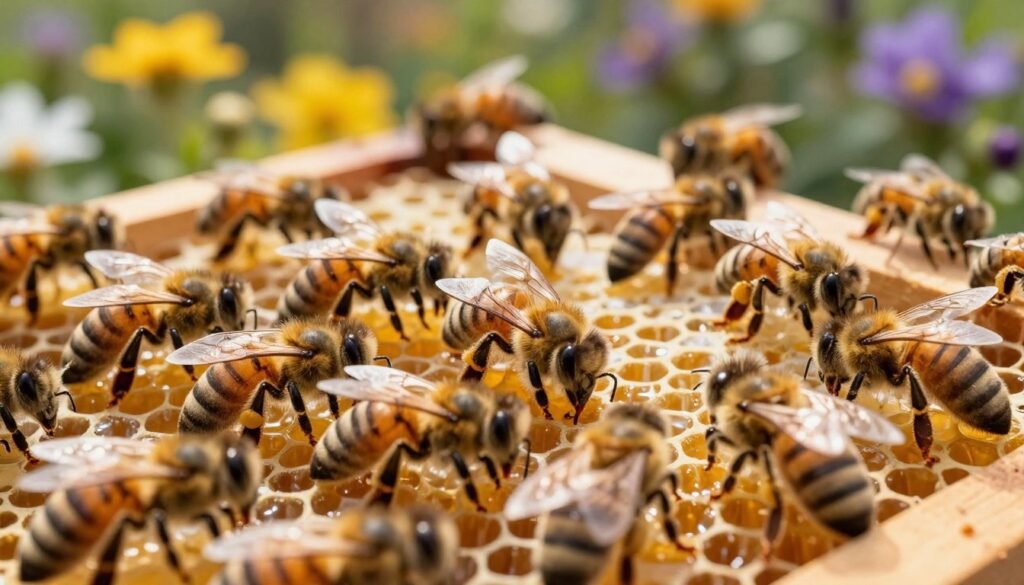
Reduce drift by working late in the day or after dark. Fewer bees are flying, so more remain with the moved frames. Place the stronger unit where it will spend winter and set the weaker box on top.
Leave a movable marker at the old stand. Stragglers often cluster there. Gently scoop any cluster and dump them in front of the new entrance; they will orient to the current site and join the combined colony.
- Perform transfers near dusk when flight activity drops.
- Check the old location for several days and gather stray bees.
- Be patient—retrieval may take a couple of attempts.
“Understanding flight patterns and planning your moves preserves foragers and raises the chance the hive recovers well.”
Dealing with Virgin Queens
A swarm collected on June 30 that was led by a virgin took three weeks before she started laying. That delay is common and shapes how you manage the stacked boxes afterward.
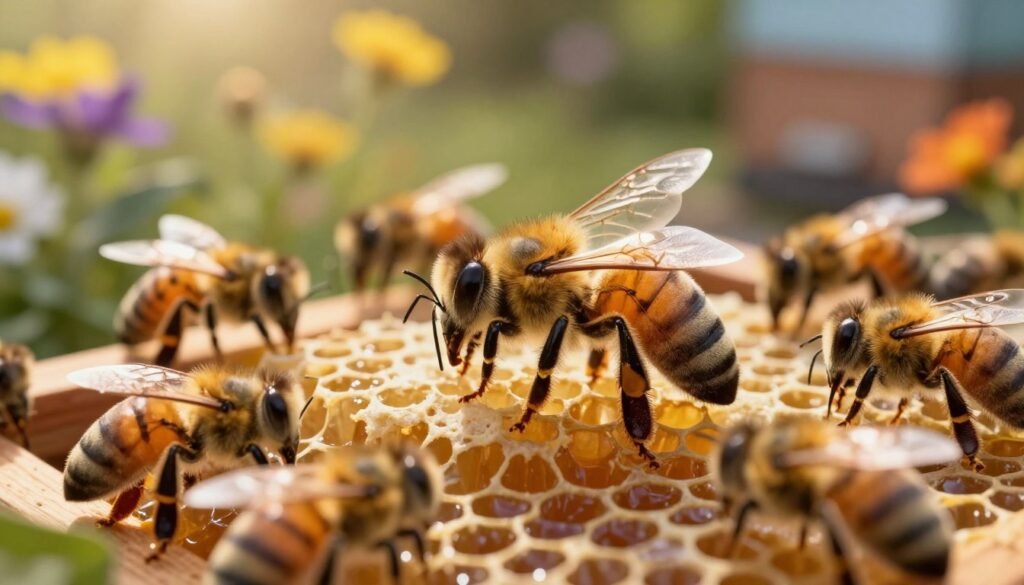
Virgin queens are often elusive. Search every frame carefully; they hide in corners or crawl under the top box and may rest on a queen excluder surface.
Practical checks:
- Inspect frame edges slowly; look for a slim, active queen rather than a calm cluster.
- Check any queen excluder before discarding it — virgins scuttle across metal grids.
- Note timing: virgins may take many days before mating and laying, so record dates in your notes.
If you cannot find her, proceed with a careful combination using the newspaper method or move frames into a nuc with a proven, mated queen. Be aware a returning virgin can later challenge and may kill an introduced mated queen.
Patience and detailed recordkeeping protect brood, honey, and long-term strength in the apiary.
When unsure, favor joining with a marked, mated queen or consult field-tested notes on combining techniques and basic strategies from beekeeping basics.
Seasonal Considerations for Beekeepers
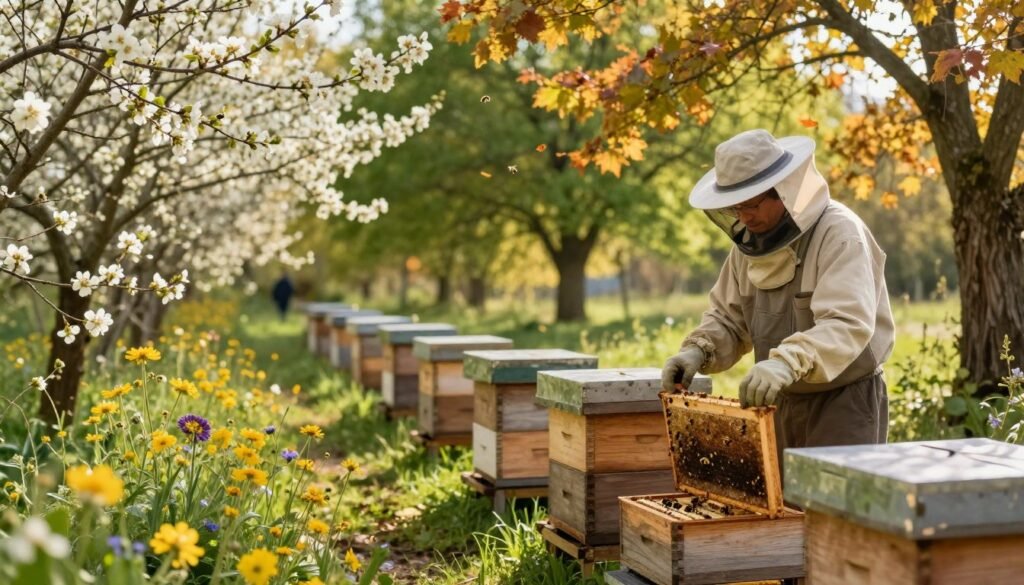
Seasonal timing changes how you plan major moves and queen introductions. Cool spells, like the July chill in Fife, can delay mating and slow colony development. That shift affects the days you wait after placing a new queen and the pace of brood expansion.
As winter approaches, consolidation grows more urgent. Combine weak hives early so one strong brood box holds the cluster. Aim for at least ten medium frames of honey in the hive to feed bees through the cold months.
Adjust inspections by season: check more often in spring and summer, then drop disturbance as foraging wanes. Match major manipulations to local nectar flow; this is the best way to avoid robbing and stress.
- Plan in advance: summer choices set winter outcomes.
- Watch local conditions: regional climate changes timing across the United States.
- Give time: allow several days after any paper or newspaper method placement before opening boxes.
“Effective seasonal management is what separates good beekeeping from great beekeeping.”
For practical steps and timing during a merge, consult this detailed guide on combining honeybee colonies.
Conclusion
strong, Successful consolidation rests on careful prep and patient follow‑up.
Unifying weak colonies preserves honey and population, and it raises the chance of winter survival. Use the newspaper method and proper frame selection so nurses protect brood and the queen during the critical first days.
Monitor the entrance daily from a distance. Look for pollen return, chewed paper, and new eggs after about two weeks. These signs confirm the combination worked and the hive is settling.
For a step‑by‑step merging colonies guide, see this practical resource: merging colonies guide.
With careful work and calm patience, beekeepers can protect stores, strengthen hives, and give their bees the best chance for a thriving season.
FAQ
What is the newspaper method and why use it?
The newspaper method is a safe, gradual way to combine two colonies by stacking the boxes with a sheet of newspaper between them. The paper delays direct contact, forcing bees to chew through and mingle slowly. That pause reduces fighting, helps scent blending, and increases the chance the stronger colony will accept the incoming bees, brood frames, and any new queen.
When should I consider combining colonies?
Combine if one hive lacks a laying queen, shows persistent broodless frames, or has low bee numbers heading into nectar flows or winter. Consolidation saves resources, protects brood, and boosts foraging strength. Avoid combining during peak swarming or extreme heat; choose a calm, moderate-weather day.
How do I confirm a hive is queenless or failing?
Look for multiple signs: spotty brood pattern, laying workers (irregular eggs in many cells), no queen sightings after inspections, or emergency queen cells. A failing queen may appear lethargic, produce few eggs, or show poor brood coverage. Inspect frames for consistent egg patterns across recent brood.
How do I prepare frames before merging?
Prioritize transferring healthy brood frames with nurse bees, some pollen, and honey. Leave empty or drone-laden frames behind. Place frames so young brood sits near the center of the combined nest. Keep frame order tidy to preserve brood warmth and nurse behavior.
Where should I position the newspaper and boxes?
Place the queenright colony on the bottom and the weaker, queenless colony on top with a full sheet of newspaper between the two brood boxes. Align entrances to the bottom box. Staple or weight the paper so it won’t blow away, then add the usual inner cover and outer cover.
Should I cut slits or create ventilation in the newspaper?
Yes. After placing a full sheet, add a few small vertical slits or holes roughly the size of a pencil at spaced intervals. These allow pheromone exchange and gradual traffic flow once bees start chewing. Avoid large gaps that invite immediate confrontation.
How long does it take before removing the paper?
Wait three to five days in warm weather; up to seven days in cool conditions. Monitor for evidence of chewing and bees moving between boxes. Only remove the newspaper if bees have established access through chewed openings and appear calm at the seam.
How do I protect the queen during the merge?
Keep the known laying queen in the stronger, bottom colony. When moving frames from the queenless box, inspect carefully and avoid placing a stray queen in the top without realizing it. If you introduce a newly mated queen, cage her and place the cage among brood frames so nurse bees acclimate before full release.
Can I combine if the weaker colony has a virgin queen or queen cells?
Combining with an unpinned virgin is risky—workers may reject or kill her. Remove active virgin queens or unsealed queen cells before combining, or allow the stronger colony to requeen by introducing a properly caged and accepted queen instead. If you want the virgin to succeed, manage rearing separately.
How should I use smoke during the process?
Use light, steady puffs at the entrance and under the top box to calm bees and encourage bees to turn inward. Avoid excessive smoke; it can mask pheromones and disrupt orientation. Smoke briefly during frame transfers and when lowering boxes together.
Is sugar syrup helpful when combining colonies?
Feeding a light sugar syrup can distract bees and boost nurse activity after combining, especially in spring. Offer near the combined hive entrance or on top frames in small feeders. Do not overfeed in late season when adding syrup may encourage brood production at an inappropriate time.
What about forager drift after merging two nests?
Forager drift can cause loss of workers to the wrong entrance. Reduce drift by keeping the bottom entrance open and temporarily blocking the old entrance of the upper box. Paint or mark hives distinctly and position them so returning bees reorient quickly to the combined location.
How long should I monitor the combined hive?
Inspect gently at three, seven, and fourteen days after combining. Look for brood health, presence of the laying queen, signs of aggression, and food stores. Continue weekly checks for a month to confirm regular forager returns and consistent brood patterns.
Will combining affect honey stores or winter readiness?
Combining concentrates honey and brood into one stronger colony, improving winter survival chances. Ensure adequate stores remain with the combined cluster and that frames are arranged to preserve warm brood spacing. Top off with fondant or emergency feed in late season if necessary.
What equipment and boxes work best for this method?
Use compatible Langstroth brood boxes and frames for easy stacking. Fresh but dry newspaper, a staple gun, frame feeders, and a smoker are essential. Choose a solid inner cover and secure outer cover to protect the seam while paper is chewed.