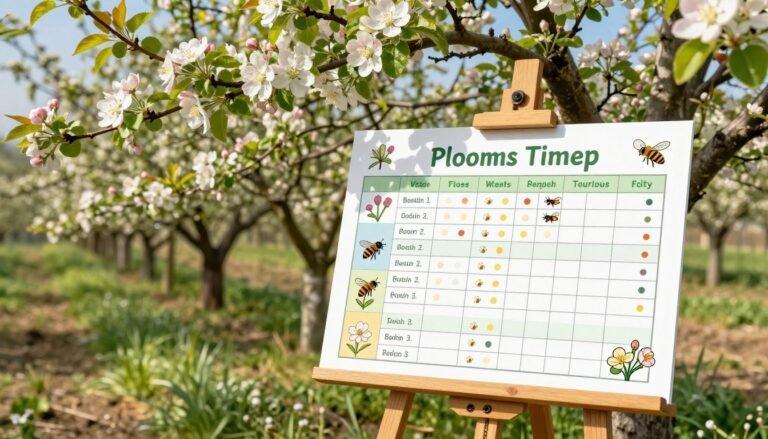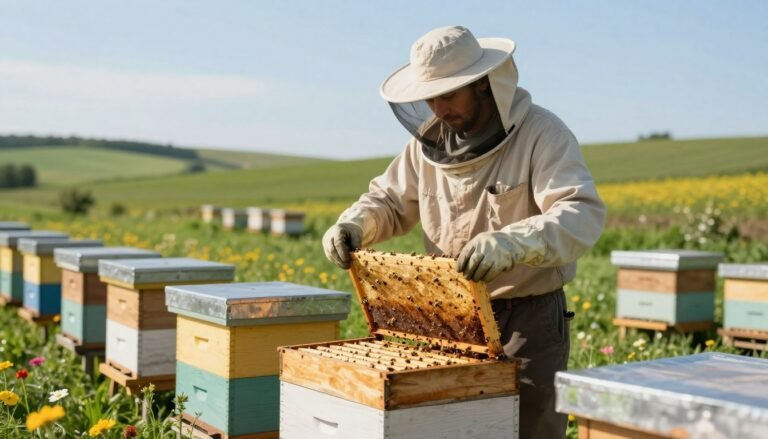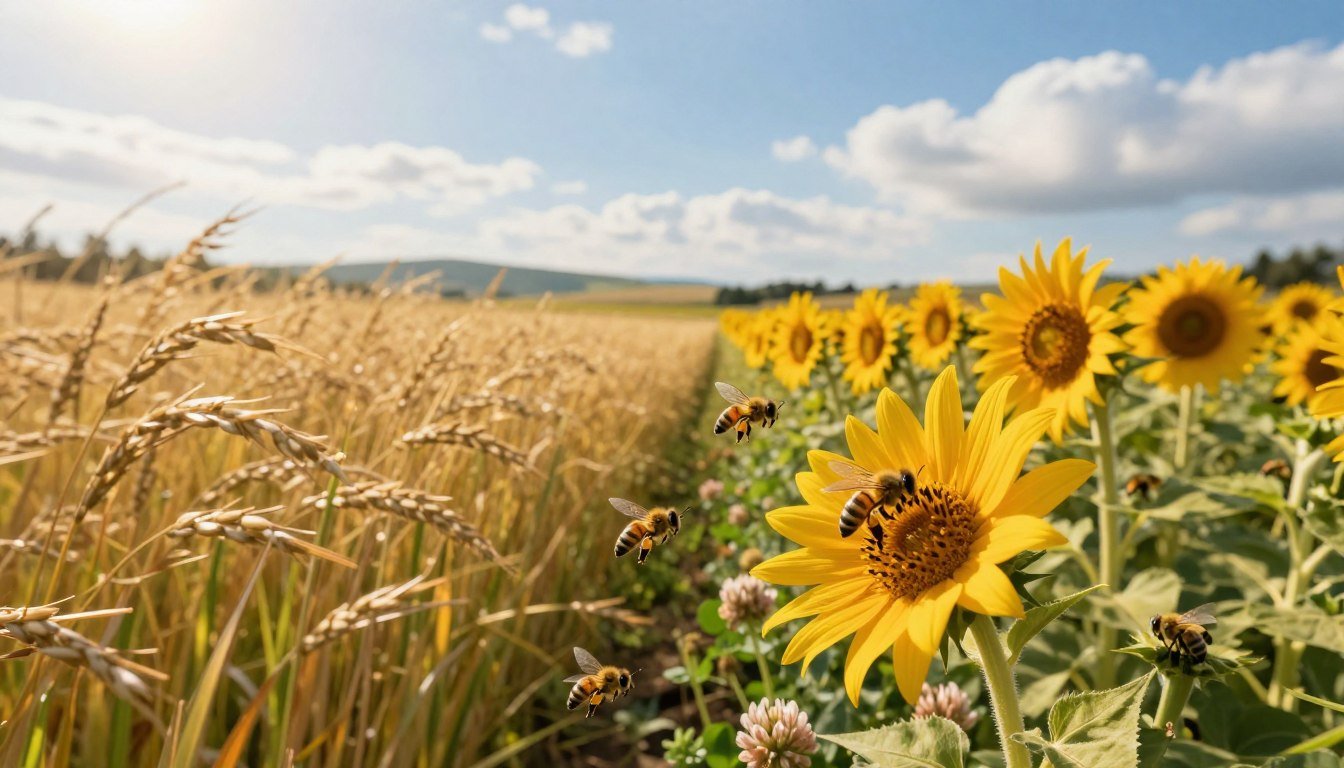
Grower decisions matter when orchard bloom brings bees and crops together. Commercial growers must protect hive health to secure reliable fruit set and harvest.
Michigan State University Extension offers practical guidance in bulletin E3245 that outlines steps growers can use to lower chemical risk to bees. This resource explains timing, spray choices, and orchard practices that reduce exposure.
Protecting pollinators is an industry priority with large economic stakes. Simple actions — clear communication with beekeepers, selecting lower-risk products, and avoiding risky mixes — cut the chance of harm and support long-term crop yields.
For more on integrated planning and decision tools, consult a state pesticide decision guide and practical rental guidance for hive services like those used by commercial orchard managers: pesticide decision-making for bees and renting bees for pollination services.
Key Takeaways
- Prioritize hive health before and during bloom for reliable fruit set.
- Use E3245 guidance to choose timing and products that lower exposure risk.
- Coordinate written plans and alerts with beekeepers ahead of applications.
- Avoid tank mixes and conditions that increase toxicity or drift.
- Simple cultural and spray choices protect pollinators and crop value.
Understanding the Impact of Pesticides on Pollinator Health
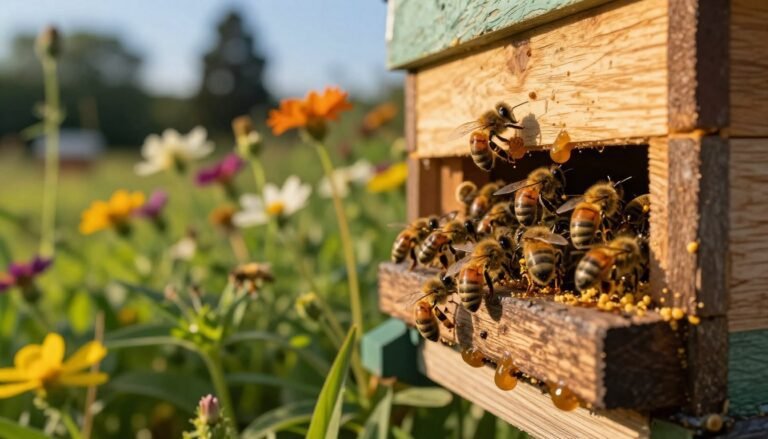
Chemical exposures in flowering fields can trigger sudden losses of foraging bees and weaken entire colonies. Field observations often show piles of dead workers at hive entrances after an application. This visible loss signals a larger risk: contaminated pollen or nectar returned to the hive.
Symptoms of Exposure
Symptoms range from immediate mortality to slow, chronic declines. Sudden drops in field force, scattered dead bees, and brood loss are common signs. Beekeepers may also find contaminated honey or abnormal larval deaths.
Routes of Contamination
Bees pick up residues on plants, in nectar, and from water sources. Honey bees can carry those residues back to the colony, exposing larvae and adult workers.
- Insecticides can kill foragers outright, stopping resource return.
- Herbicides reduce flowering weeds, cutting food and habitat for pollinators.
- Drift or contaminated water can spread toxicity beyond treated rows.
| Route | Common Source | Immediate Effect | Colony Impact |
|---|---|---|---|
| Pollen/Nectar | Spray residues | Forager death, tainted stores | Brood disease, weakened hive |
| Water | Runoff, puddles | Sublethal illness | Reduced foraging, poor brood care |
| Drift | Aerial or ground spray | Mass field mortality | Colony collapse risk |
How to Prevent Pesticide Losses During Pollination Contracts
Simple changes in field layout and timing can greatly reduce bee exposure to toxic sprays. Start by using integrated pest management to cut chemical needs during bloom. Choose lower-risk products and time treatments when bee activity is lowest.
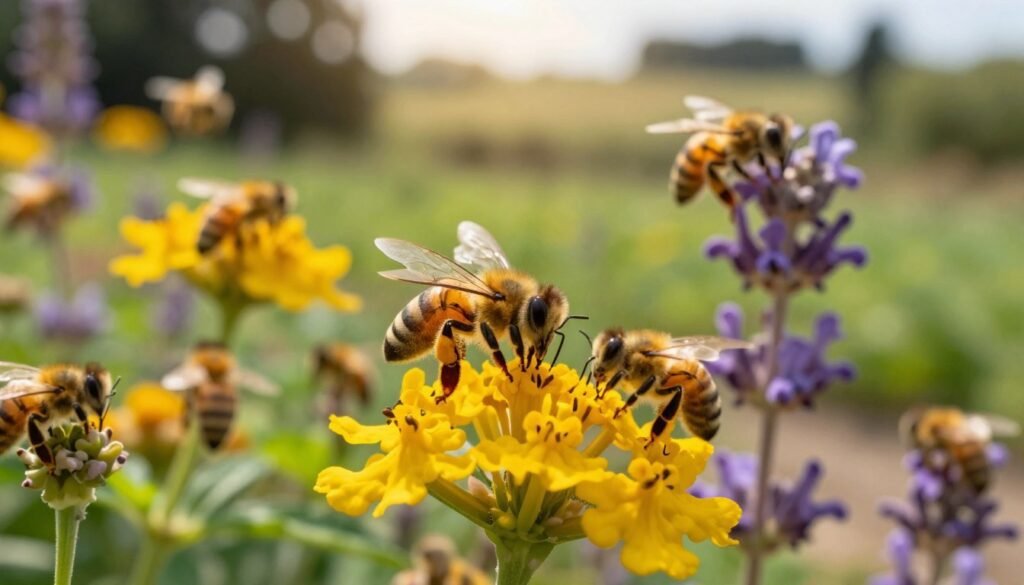
Place apiaries at safe distances. Establish hives at least four miles from fields where toxic materials will be applied when possible. If hives must remain nearby, provide screened water inside the colony and a clean water source away from treated rows.
Support pollinator habitat with wildflower strips and unsprayed cover crops. Remove flowering weeds from drive rows before sprays so bees do not visit contaminated flowers.
- Consult Michigan State University Extension guides for product toxicity comparisons: minimizing pesticide risk to bees.
- Develop clear, written plans and share spray windows with beekeepers.
- When hive moves are impossible, shading with wet burlap can help keep bees cool while they are temporarily confined.
Good communication and simple management steps protect honey bees and other pollinators. For apiary planning tips, see a practical guide at creating a sustainable apiary plan.
Strategic Application Techniques for Commercial Growers
Timing and technique in spray applications make a big difference for bee safety and crop outcomes. Plan applications around bee activity and cooler conditions to cut direct contact with foragers.
Timing Applications for Minimum Activity
Apply treatments after sunset or before sunrise when honey bees are inactive. Aim for air temperatures below 50°F when possible. This reduces flight and lowers the chance that pollen or nectar becomes contaminated.
Use the MSU Enviroweather website for disease models and timing guidance that can limit unnecessary applications and support integrated pest management.
Selecting Low-Toxicity Formulations
Choose liquid or soluble products instead of dusts so residues stick to foliage and not bee bodies. Read EPA warning labels for toxicity guidance and pick products with lower bee risk.
Reducing Off-Target Drift
Calibrate sprayers and select nozzles that create coarser droplets. Keep sprays inside target fields and avoid boom heights that increase drift.
- Check pest thresholds before treating — this saves money and spares pollinators when insects are below damaging levels.
- Protect field edges, flowering trees, and nearby habitat by adjusting application windows and techniques.
Good application practices support both crop protection and pollinator health. For practical guides on pollinator stewardship and seasonal hive care, see the pollinator stewardship guide and a beekeepers’ checklist.
Managing Apiary Relationships and Communication
Clear communication between growers and beekeepers reduces conflict and strengthens hive safety. Written agreements set expectations for hive placement, delivery windows, and notification procedures.
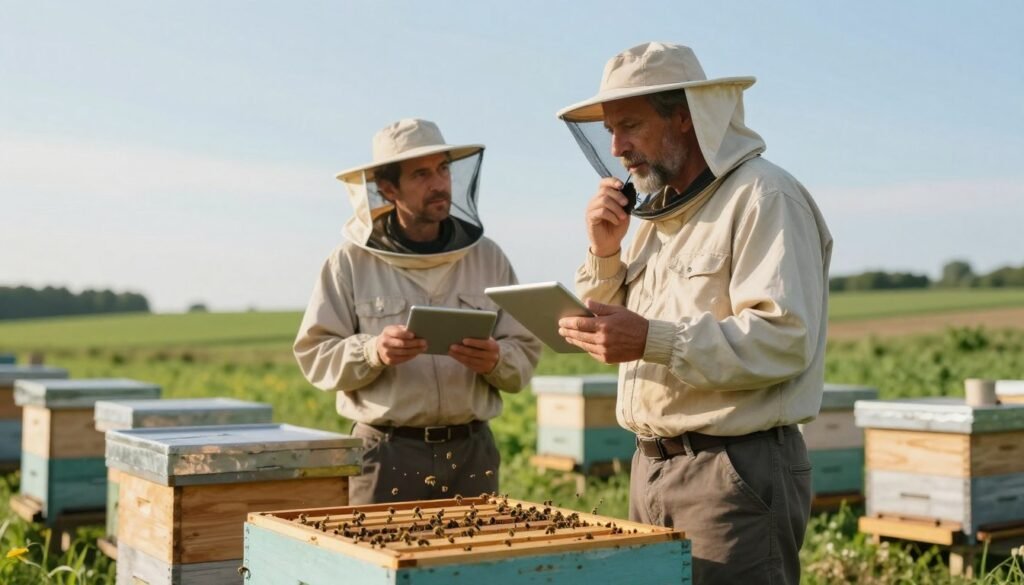
Use a short, signed agreement that lists arrival and removal dates, where colonies will be located, and who will notify about any planned insecticide applications.
Implementing Written Pollination Agreements
Include a clause that requires applicators to alert apiary owners before any insecticide use. This courtesy builds long-term trust and allows beekeepers to shield colonies or provide clean water sources.
FieldWatch.com is a valuable website for locating registered hives. Applicators can check nearby apiaries within the typical 2–3 mile foraging radius for honey bees and take extra care in those zones.
- Define delivery locations and timing so hives sit where crops and flowers best support pollinators and crop yield.
- Agree on drift avoidance steps near trees and flowering plants that attract bee foragers.
- Share integrated pest management plans so both parties reduce unnecessary product use and risk.
| Item | Grower Responsibility | Beekeeper Responsibility |
|---|---|---|
| Notification | Provide advance notice of any insecticide application | Supply contact details and expected hive locations |
| Hive Placement | Reserve delivery zones and protect nearby flowering trees | Deliver colonies at agreed times and positions |
| Water & Resources | Provide clean water points away from treated areas | Monitor hive health and report concerns |
Goodwill matters. Small gestures—sharing honey, holding a farm visit, or joining planning meetings—help align pest management goals and protect pollinators and crops.
Conclusion
Healthy pollinators underpin reliable fruit set and protect returns for growers and beekeepers alike. Shared responsibility, clear communication, and practical field choices keep bees and crops productive.
If a colony is exposed to pesticides, soaking combs in clean water for 24 hours can help remove contaminated pollen and aid recovery. Simple recovery steps like this support hive resilience.
Stakeholders must work together to reduce risk from chemical use, manage water and forage sources, and follow good application techniques. For broader guidance on securing pollinator health, see this securing pollinator health brief and resources on bee colony collapse causes.
FAQ
What signs indicate pollinators have been exposed to harmful chemicals?
Look for sudden die-offs at hive entrances, disoriented or lethargic bees, reduced foraging, and decreased brood production. Beekeepers may also report abnormal honey taste or unusually low honey stores. Document observations with photos and timestamps and notify your extension agent or apiary inspector.
What routes allow contamination of bees and their hives?
Common routes include direct spray on foraging insects, drift of fine droplets or vapor onto flowering plants, systemic uptake into nectar and pollen, and contaminated water sources. Residues can also arrive on plant surfaces and weeds near colonies.
When should growers schedule applications to minimize pollinator activity?
Apply products during late evening or night when bees are less active. Avoid spraying at dawn or midday when foraging peaks. Check local sunrise and sunset times and coordinate with beekeepers to confirm hive locations and peak activity windows.
Which product choices reduce risk to honey bees and other pollinators?
Use insecticides with low toxicity to bees, such as certain microbial or botanical options approved by EPA. Prefer targeted baits or gels over broad‑spectrum sprays. Always read labels for pollinator warnings and select formulations with reduced drift potential.
How can applicators limit off‑target drift that harms nearby colonies?
Use larger droplet nozzles, lower boom heights, and reduced spray pressure to create coarse sprays. Avoid spraying in windy conditions or thermal inversions. Employ drift‑reducing adjuvants and buffer zones between fields and known apiaries.
What should a written pollination agreement include?
Agreements should list hive placement, dates, responsibilities for pest management, notification timelines for spray events, indemnity terms, compensation for losses, and contacts for both grower and beekeeper. Include contingency steps if exposure occurs.
How much advance notice should growers give beekeepers before an application?
Provide at least 24–48 hours notice for planned treatments and immediate notice for unexpected applications. Share the product name, EPA registration number, application rate, timing, and mitigation measures so beekeepers can take protective steps.
What emergency steps should be taken if bee kills occur after applications?
Isolate and preserve dead bees and affected frames for testing. Notify the beekeeper, state apiary inspector, and pesticide regulatory agency. Stop further applications, secure application records, and cooperate with investigations. Consider temporary relocation of hives.
How does integrated pest management (IPM) reduce reliance on risky chemicals?
IPM emphasizes monitoring, biological controls, resistant varieties, and cultural practices to keep pest populations below economic thresholds. Using IPM lowers the need for chemical interventions and thus reduces exposure risks to pollinators.
What role do habitat and flowering management play in protecting pollinators?
Maintaining buffer strips of nonflowering vegetation, planting pollinator-friendly cover crops away from application zones, and managing weeds reduce attractive forage in spray areas. Provide clean water sources and diverse floral resources to support colony health.
Can water and irrigation systems transport residues to hives?
Yes. Runoff, irrigation tailwater, and puddles can contain residues that bees use for drinking. Minimize contaminated runoff by timing applications away from irrigation, using proper buffer zones, and managing field drainage.
Where can growers and beekeepers find authoritative guidance and product toxicity data?
Consult university extension services (for example, Oregon State Extension or University of California IPM), EPA label databases, and state departments of agriculture. Manufacturer labels and Material Safety Data Sheets also list toxicity and mitigation recommendations.
How should parties handle compensation claims if hives are damaged?
Follow the written pollination agreement terms. Document losses with photos, hive inspections, and honey measurements. Engage state apiarists or extension agents for impartial assessments and consider mediation or insurer involvement if disputes arise.
What monitoring practices help detect sublethal effects on colonies?
Regularly track brood pattern, queen health, forager return rates, pollen stores, and honey flows. Keep written logs and perform weekly inspections during high‑risk periods. Sublethal impacts often appear as reduced brood or poor foraging before mass mortality.
How can applicators ensure label compliance regarding pollinators?
Read and follow EPA label directions exactly, including application timing, buffer zones, and pollinator advisory statements. Keep labels on file, train staff on pollinator protection, and use recordkeeping tools to log applications and environmental conditions.