Regular beehive inspections are essential for maintaining healthy, productive colonies. As a beekeeper, these check-ups allow you to monitor your bees’ health, prevent problems, and ensure your hive is thriving. Whether you’re a novice or experienced beekeeper, knowing how to inspect a beehive step by step is a fundamental skill that will help you care for your bees properly and potentially save your colony from disaster.
In this comprehensive guide, we’ll walk through the entire inspection process from preparation to completion, explaining what to look for and how to minimize stress on your bees. By following these steps, you’ll gain confidence in your beekeeping abilities and develop a deeper connection with your honeybee colonies.
Why Regular Beehive Inspections Matter
Bees are remarkably self-sufficient creatures, but regular inspections are crucial for several reasons. Without looking inside the hive, you can’t tell if your queen is laying eggs properly, if pests are causing problems, or if your bees need more space. Here’s why consistent inspections are vital:
- Early detection of diseases and pests like varroa mites before they devastate your colony
- Monitoring queen performance and overall colony health
- Preventing swarming by identifying overcrowding early
- Assessing honey production and determining when to add supers
- Ensuring adequate food stores, especially before winter
Most beekeepers inspect every 7-14 days during spring and summer, less frequently in fall, and minimally in winter. New colonies should be checked after the first week to ensure the queen is established and laying eggs.
Essential Equipment for Beehive Inspection

Before opening your hive, make sure you have all the necessary equipment ready. Having everything prepared will make the inspection process smoother and less stressful for both you and your bees.
Protective Gear
- Bee suit or jacket – Provides protection from stings while allowing mobility
- Veil and hat – Protects your face and neck, the most sensitive areas
- Gloves – Leather or nitrile gloves protect your hands while maintaining dexterity
- Boots – Closed boots prevent bees from crawling up your legs
Inspection Tools
- Hive tool – Essential for prying apart frames and boxes sealed with propolis
- Smoker – Helps calm bees during inspection by masking alarm pheromones
- Bee brush – Gently removes bees from frames for better visibility
- Notebook and pen – For recording observations and tracking hive progress
Quality Tools Make All the Difference
Investing in reliable beekeeping equipment ensures smoother inspections and better protection. Check out our recommended starter kit with all the essentials you need.
Best Time to Inspect a Beehive

Timing is crucial for successful hive inspections. The right conditions will make your bees calmer and the inspection more productive.
Ideal Conditions:
- Weather – Warm, sunny days with temperatures above 60°F (15°C)
- Time of day – Mid-morning to early afternoon (10 AM to 2 PM)
- Wind conditions – Calm days with minimal wind
- Nectar flow – During active nectar flow when foragers are out collecting
When to Avoid Inspections:
- Cold weather – Below 50°F (10°C) can chill brood and stress the colony
- Rainy days – Moisture can harm brood and make bees defensive
- Evening hours – Most foragers have returned, making the hive more crowded
- Dearth periods – When nectar is scarce, bees become more defensive
- Winter months – Only quick checks for food stores when absolutely necessary
Preparing for Your Beehive Inspection
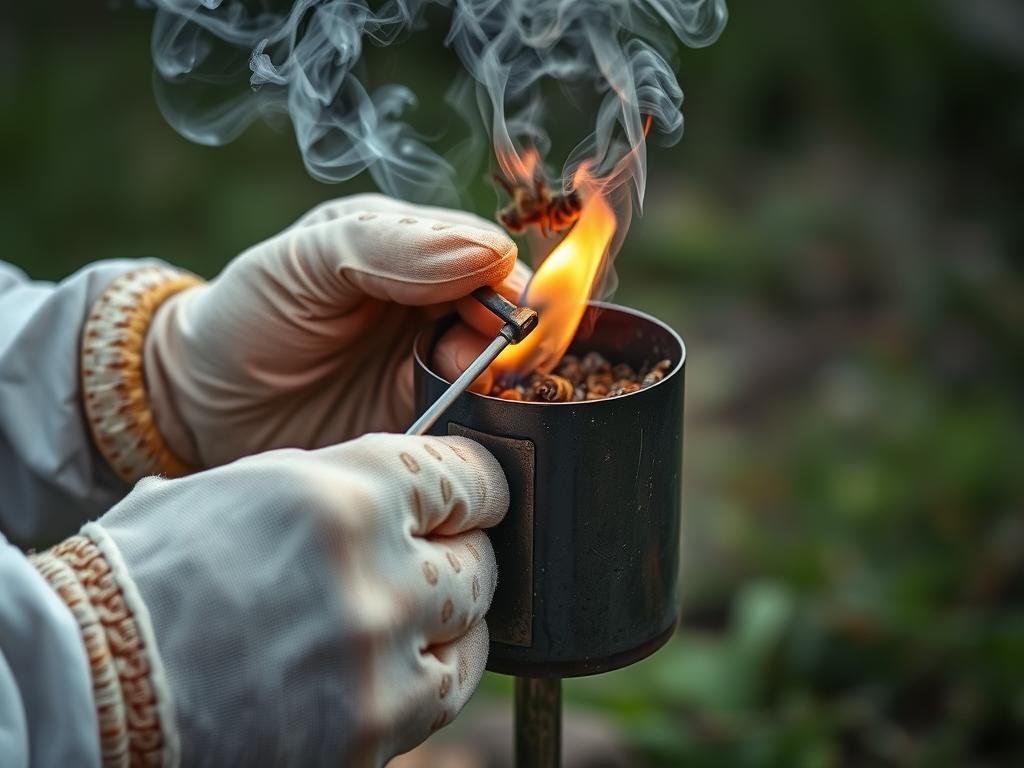
Proper preparation is key to a successful hive inspection. Taking time to get ready will make the process smoother and less stressful for both you and your bees.
Before Approaching the Hive:
- Suit up completely – Put on all protective gear and make sure there are no gaps where bees could enter
- Light your smoker – Ensure it’s producing cool, white smoke and will last throughout the inspection
- Gather all tools – Have your hive tool, brush, and notebook within easy reach
- Plan your approach – Stand to the side of the hive entrance, not blocking the flight path
- Set your intention – Have a clear goal for what you want to check during this inspection
Pro Tip: Use natural smoker fuel like pine needles, dried leaves, or untreated cardboard. Add a small amount of green material on top to create cooler, longer-lasting smoke.
How to Inspect a Beehive Step by Step

Step 1: Approach and Observe the Hive
Before opening the hive, take a moment to observe the entrance activity. Healthy colonies should show bees flying in and out steadily, with some returning with pollen on their legs. Watch for any concerning signs like dead bees at the entrance, bees struggling to fly, or unusual behavior.
Step 2: Apply Smoke
Puff a small amount of smoke at the hive entrance and wait about 30 seconds. This masks alarm pheromones and encourages bees to gorge on honey, making them calmer during inspection. Don’t overdo it – too much smoke can agitate the bees.
Step 3: Open the Hive
- Remove the outer cover and set it upside down nearby (you’ll use this as a surface for stacking boxes)
- Puff a little smoke under the inner cover, then wait 30 seconds
- Gently pry up the inner cover using your hive tool and set it aside
- Apply another gentle puff of smoke across the top of the frames
Step 4: Remove and Inspect Frames
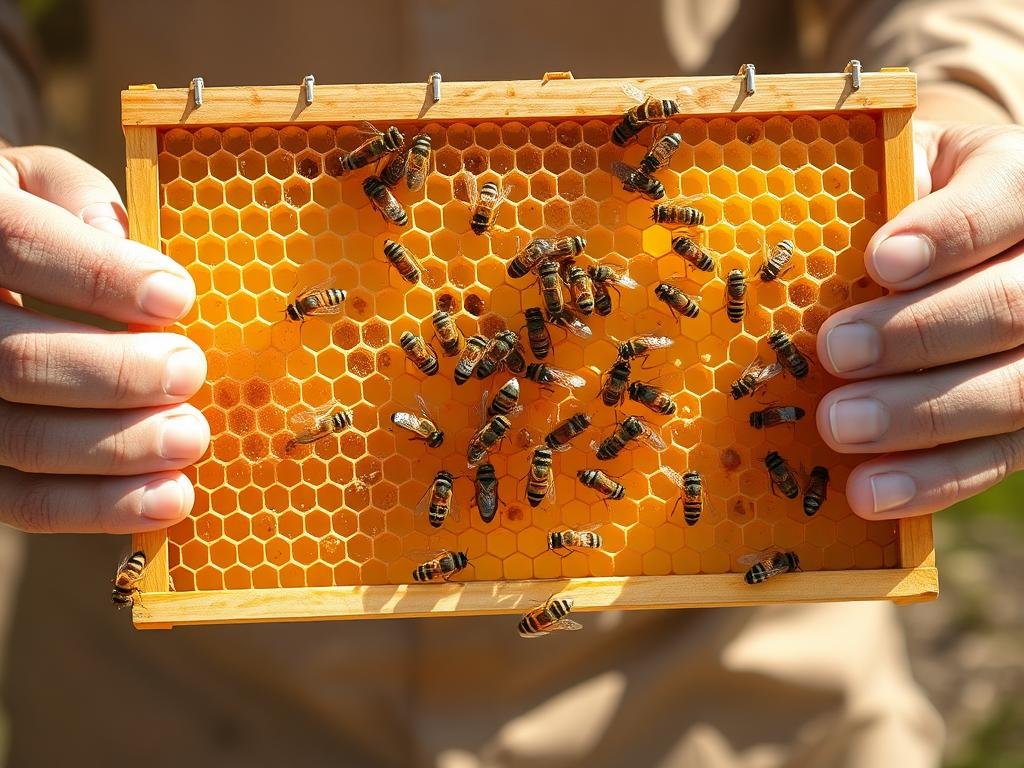
- Start with a frame at the edge of the box (not the center where the queen likely is)
- Use your hive tool to loosen the frame by gently prying between frames
- Lift the frame straight up to avoid rolling or crushing bees
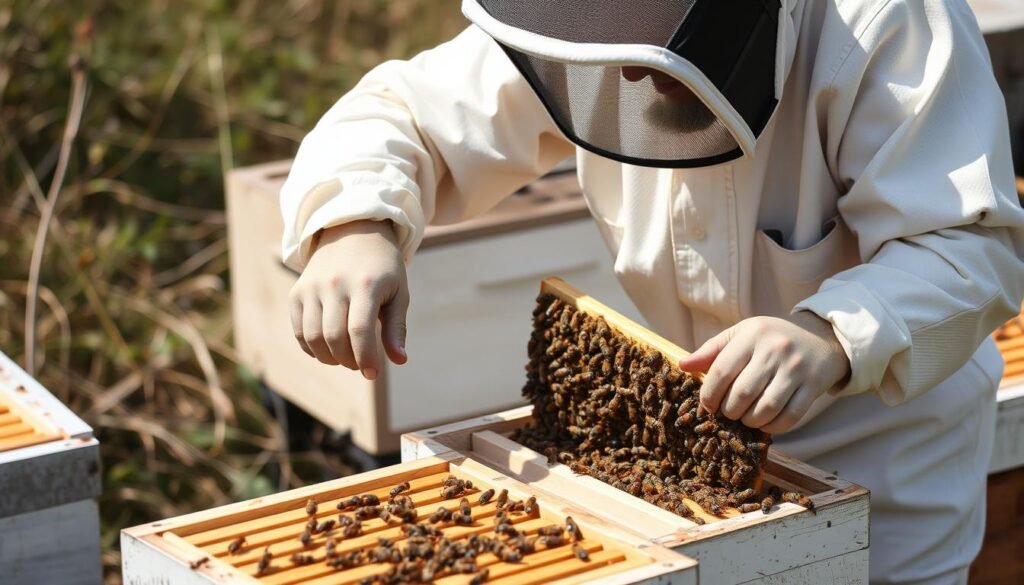
- Hold the frame by the top bar with both hands, keeping it over the hive
- Examine both sides by rotating the frame (don’t flip it like a page)
- Return the frame to its original position or set it in a frame holder if you have one
“The first frame is the hardest. Once you have one frame out, the rest become much easier to remove and inspect.”
Step 5: What to Look For During Inspection
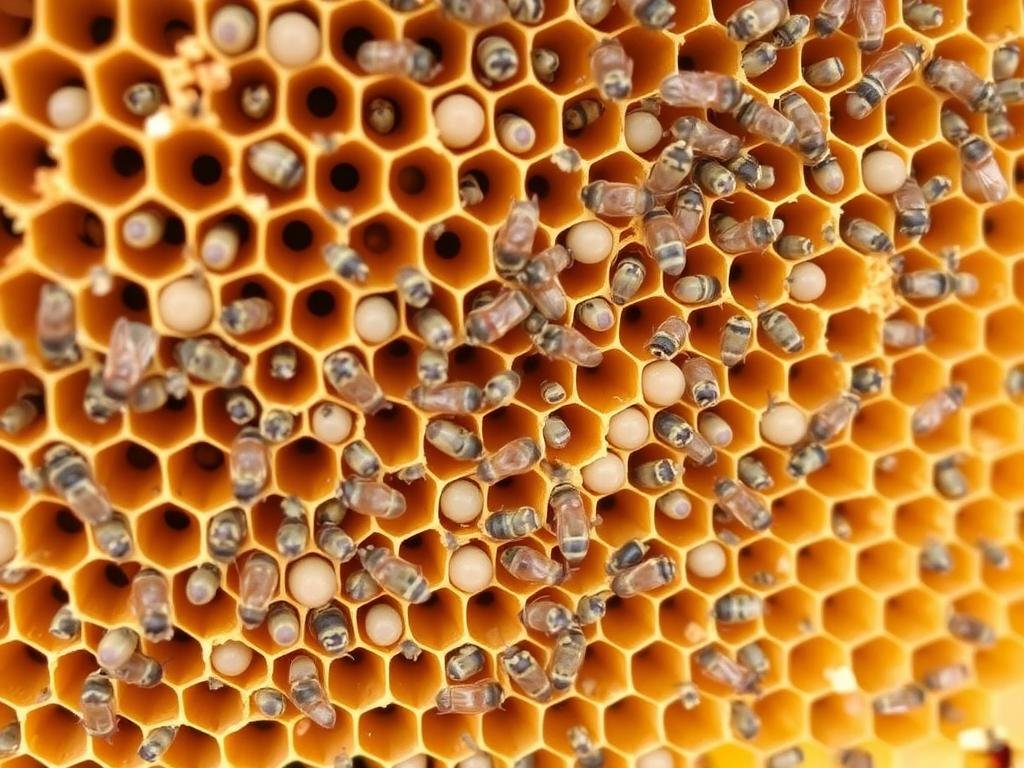
As you examine each frame, pay attention to these key elements:
Queen Assessment
- Queen sighting – She’s larger with a longer abdomen than worker bees
- Eggs – Tiny white specks standing upright in cells (like small grains of rice)
- Brood pattern – Should be solid with few empty cells in the pattern
- Queen cells – Cup-shaped cells hanging vertically (may indicate swarming plans)
Colony Health
- Brood stages – Look for eggs, larvae, and capped brood in appropriate ratios
- Pests and disease – Check for mites, small hive beetles, unusual brood appearance
- Population – Frames should be well-covered with bees appropriate for the season
- Honey and pollen stores – Ensure adequate food reserves, especially before winter
Step 6: Reassemble the Hive
- Make sure frames are properly spaced and pushed together
- Replace any honey supers in the same order they were removed
- Place the inner cover back on top
- Replace the outer cover
- Clean and store your equipment properly
Step 7: Record Your Observations
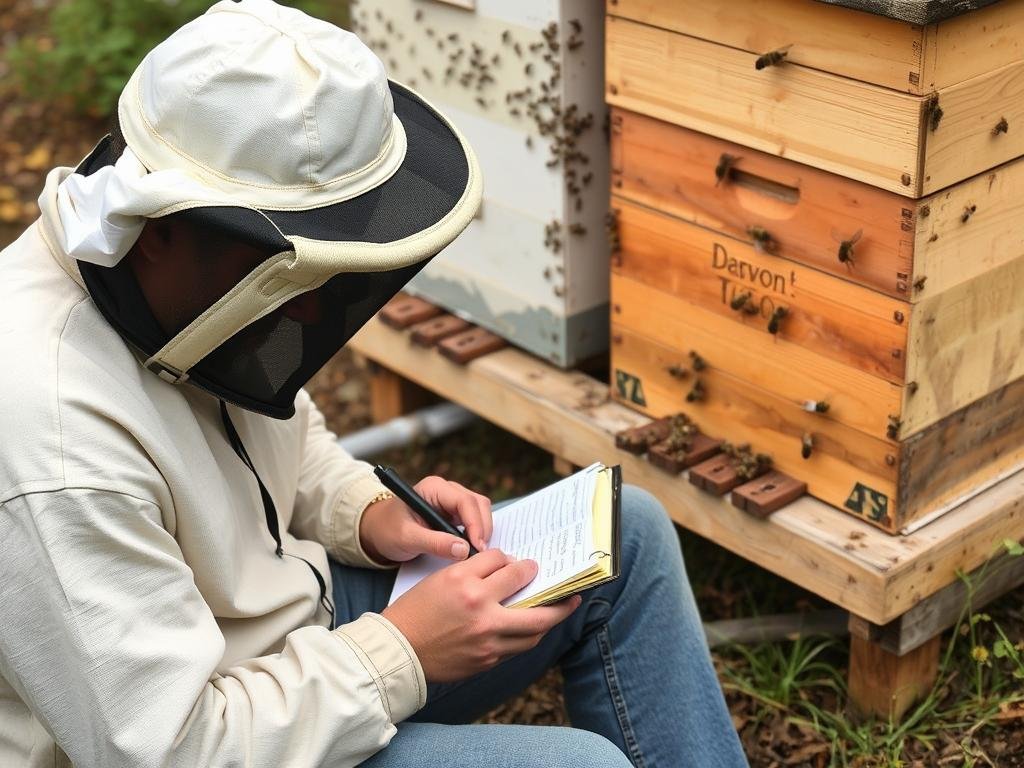
Immediately after inspection, record your observations while they’re fresh in your mind:
- Date and time of inspection
- Weather conditions
- Queen sighting or evidence (eggs, brood pattern)
- Brood stages observed and pattern quality
- Honey and pollen stores
- Signs of disease or pests
- Temperament of the colony
- Actions taken or needed for next inspection
Never Miss an Important Detail
Download our free printable beehive inspection checklist to ensure thorough and consistent inspections every time.
Common Issues to Watch For During Inspection

Brood Issues
- Spotty brood pattern – May indicate a failing queen or disease
- Sunken or perforated cappings – Possible American Foulbrood
- Discolored larvae – Could be European Foulbrood or Sacbrood
- Chalk-like mummies – Indicates Chalkbrood fungal infection
Pest Problems
- Varroa mites – Tiny reddish-brown parasites on bees or in brood
- Small hive beetles – Small black beetles running from light
- Wax moths – Webbing and tunnels through comb
- Ants or mice – Evidence of nesting or damage to comb
Signs of Swarming
- Multiple queen cells, especially along the bottom of frames
- Overcrowded brood nest with little room for the queen to lay
- Reduced egg-laying despite good conditions
- Excessive honey stores in the brood area (“honey bound”)
Warning: If you suspect American Foulbrood (AFB), stop the inspection immediately, close the hive, and contact your local bee inspector or agricultural department. AFB is highly contagious and often requires destruction of infected equipment.
Best Practices for Successful Beehive Inspections
Working with the Bees
- Stay calm and move slowly – Quick movements agitate bees
- Avoid crushing bees – This releases alarm pheromones
- Work on warm, sunny days – Bees are calmer and many are out foraging
- Keep inspections brief – Aim for 15-20 minutes maximum
- Avoid sweet scents – Don’t wear perfumes, scented lotions, or hair products
Inspection Efficiency
- Have a purpose – Know what you’re looking for before opening the hive
- Use a systematic approach – Develop a consistent routine
- Minimize open time – Have all equipment ready before starting
- Consider using a frame holder – Keeps frames safe while you inspect others
- Take photos – Use your phone to document concerns for later reference
“The bees have been at this for 30 million years. We’ve been at it for a few thousand. Be humble, observe carefully, and let the bees teach you.”
Seasonal Considerations for Beehive Inspections

| Season | Inspection Frequency | Key Focus Areas | Special Considerations |
| Spring | Every 7-10 days | Queen performance, population growth, swarm prevention | Add supers as needed, monitor for early pests |
| Summer | Every 10-14 days | Honey production, ventilation, pest management | Harvest honey when ready, check for adequate space |
| Fall | Every 2-3 weeks | Winter preparation, food stores, mite treatment | Feed if necessary, reduce entrance size |
| Winter | Minimal (quick checks only) | Food stores, cluster location, ventilation | Only open on warm days (>50°F), be very brief |
Common Mistakes to Avoid During Beehive Inspections
Best Practices
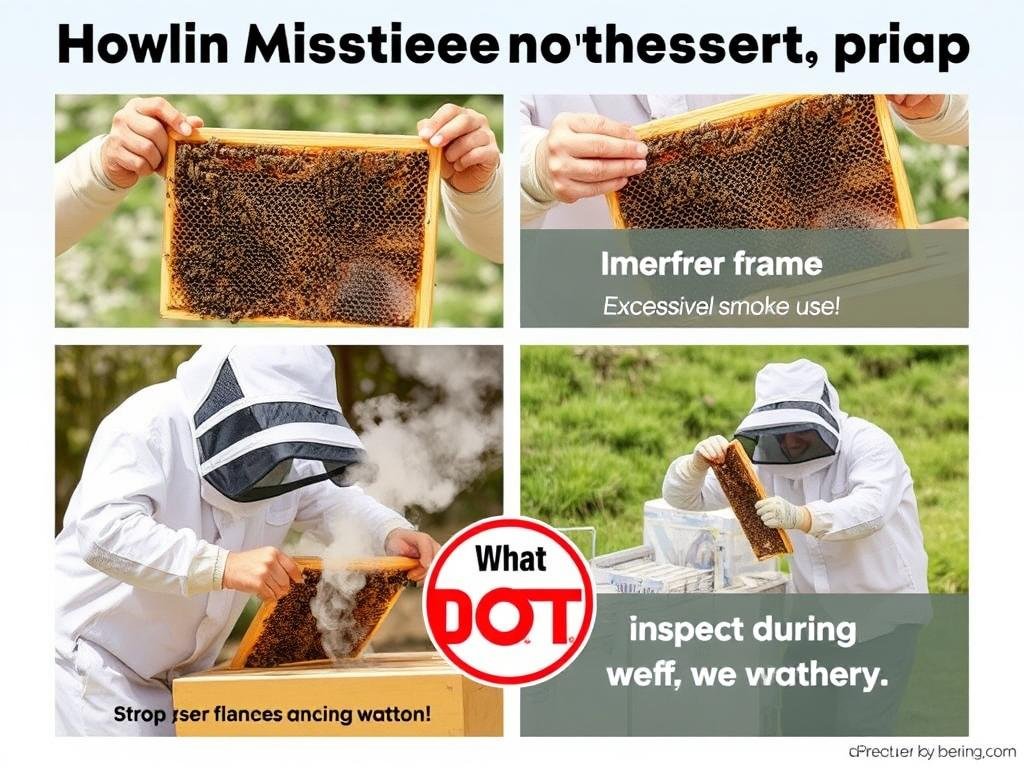
- Moving slowly and deliberately
- Using minimal smoke
- Keeping the hive open for less than 20 minutes
- Inspecting during warm, sunny days
- Maintaining good records after each inspection
- Replacing frames in their original position
Common Mistakes
- Inspecting too frequently and disturbing the colony
- Using too much smoke, agitating the bees
- Crushing bees when replacing frames
- Inspecting during poor weather conditions
- Leaving the hive open too long
- Failing to keep consistent records
Beginner Tip: If you feel overwhelmed during an inspection, it’s okay to close up the hive and try again another day. With practice, you’ll become more comfortable and efficient.
Conclusion: Becoming a Confident Hive Inspector

Learning how to inspect a beehive step by step is a fundamental skill that improves with practice. Each inspection builds your confidence and deepens your understanding of bee behavior and colony health. Remember that even experienced beekeepers are constantly learning from their bees.
Regular, thoughtful inspections allow you to develop a relationship with your colonies and provide the care they need to thrive. By following the guidelines in this article, you’ll be well on your way to becoming a skilled and attentive beekeeper who can identify problems early and make informed decisions about hive management.
Most importantly, enjoy the fascinating world of beekeeping! There’s nothing quite like the satisfaction of watching your colonies grow and prosper under your care.
Ready to Start Your Beekeeping Journey?
Get all the essential equipment you need for successful hive inspections in one convenient kit. Our beginner-friendly packages include quality tools and protective gear to make your beekeeping experience enjoyable and safe.
Frequently Asked Questions About Beehive Inspections
How often should I inspect my beehive?
For established colonies, inspect every 10-14 days during spring and summer, every 3-4 weeks in fall, and minimally in winter. New colonies should be checked after the first week to ensure the queen is established, then follow the regular schedule.
What if I can’t find the queen during inspection?
Don’t panic! Look for eggs instead. The presence of eggs (tiny white specks in cells) indicates the queen was present within the last 3 days. If you see eggs and the brood pattern looks good, your colony likely has a healthy queen even if you can’t spot her.
How do I know if my bees have enough honey?
A deep frame fully filled with honey weighs about 8-10 pounds. For winter in northern climates, colonies need 60-90 pounds of honey (roughly 7-9 deep frames). In warmer regions, 40-60 pounds may be sufficient. During active seasons, ensure they have at least 2-3 frames of honey at all times.
What should I do if I see queen cells during inspection?
First, determine what type of queen cells they are. Swarm cells (usually on frame bottoms) indicate the colony is preparing to swarm. Consider splitting the hive or providing more space. Supersedure cells (usually on frame faces) indicate the bees are replacing their queen. In this case, it’s often best to let them proceed naturally.
How can I tell if my bees have varroa mites?
Perform a sugar roll or alcohol wash test to get an accurate mite count. Visually, look for deformed wings on bees (a sign of Deformed Wing Virus spread by mites) or mites on adult bees (they appear as small reddish-brown dots on the bee’s body). Regular testing is recommended as mites may not be visible during casual inspection.