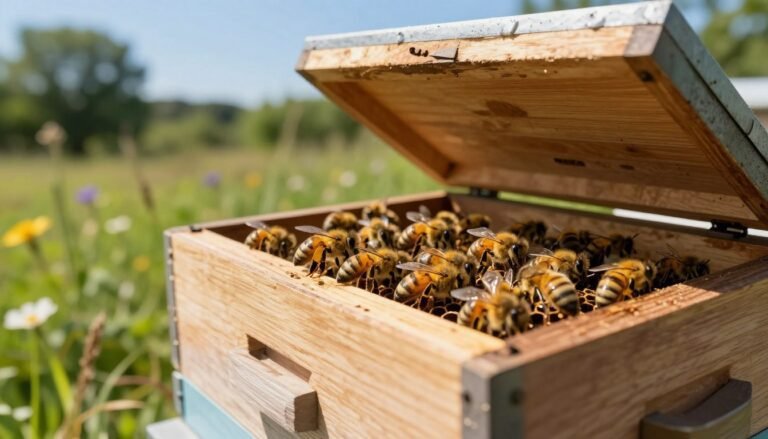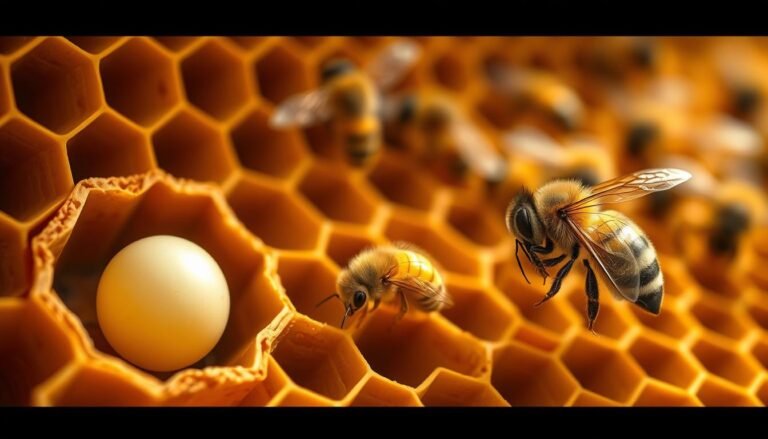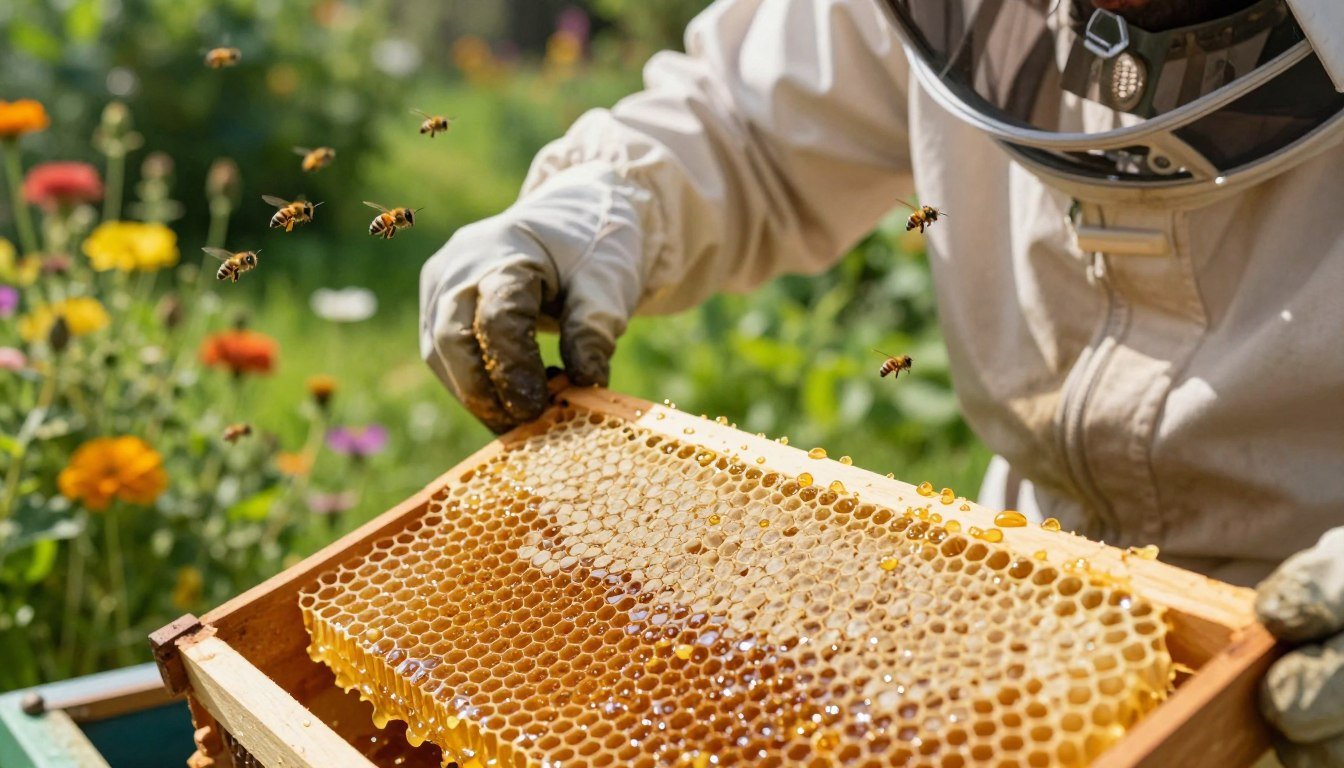
Harvest decisions should always put the queen and brood first. Smiley Honey, since 1989, uses gentle methods that protect stores and maintain strong bees.
Professional beekeepers know northern hives need about 40 to 60 pounds for winter survival. Proper timing matters: only take surplus after the spring and summer flow so stores and food remain adequate.
Clean equipment and the right extractor reduce disease risk between boxes and hives. Inspect frames and capped honey cells to confirm moisture levels and readiness before any extraction.
Practical steps include keeping water and nectar sources uncontaminated, managing supers and frames well, and wearing protective gear to safeguard bees and handlers.
For timing guidance and harvest rules, consult this guide on when to harvest and one on balancing harvest with colony needs: when to harvest and balancing harvest with colony needs.
Key Takeaways
- Prioritize winter stores: northern hives typically need 40–60 lb left for winter.
- Check capped honey: ensure cells are ready before any harvest.
- Use clean equipment: proper extractor and gear prevent disease spread.
- Protect brood and queen: gentle handling keeps colonies productive.
- Manage supers and frames: align harvest with spring and summer flow.
Understanding the Risks of Harvesting During Treatment
Harvesting while a hive is undergoing medication raises clear risks to product safety. Stressed colonies draw more parasites like Varroa mites, and treatments meant to help may move into wax and stores. That movement threatens the quality of what beekeepers place on the market.
Potential Contamination
Chemicals migrate easily. When treatments are applied, residues can lodge in wax, frames, and cells. Bees store nectar in the same box where interventions occur, increasing cross-contamination risk.
Disturbing brood or the queen with early removal of supers can also stress bees and harm colony recovery. Monitor mortality and activity levels closely before considering any harvest.
Regulatory Guidelines
Label instructions and local rules set mandatory waiting periods before honey supers are removed. Failure to follow them risks product recalls and penalties.
- Follow label directions: they set safe withdrawal intervals.
- Check frames and supers: ensure no treated wax contacts stores.
- Document treatments: records help meet regulatory audits and consumer trust.
| Risk | What to Check | Action |
|---|---|---|
| Chemical residue | Wax, frames, capped cells | Delay harvest until withdrawal period ends |
| Brood/queen impact | Brood pattern, queen laying | Minimize inspections and avoid super removal |
| Regulatory non-compliance | Labels, local rules | Keep treatment logs and follow wait times |
For step-by-step guidance on safe handling and removal after treatment, review the methods and precautions resource.
Can You Extract Honey from a Colony Under Treatment
Short answer: generally no. Removing supers while medications are active risks residues moving into capped cells and wax. That contamination endangers product quality and consumer safety.
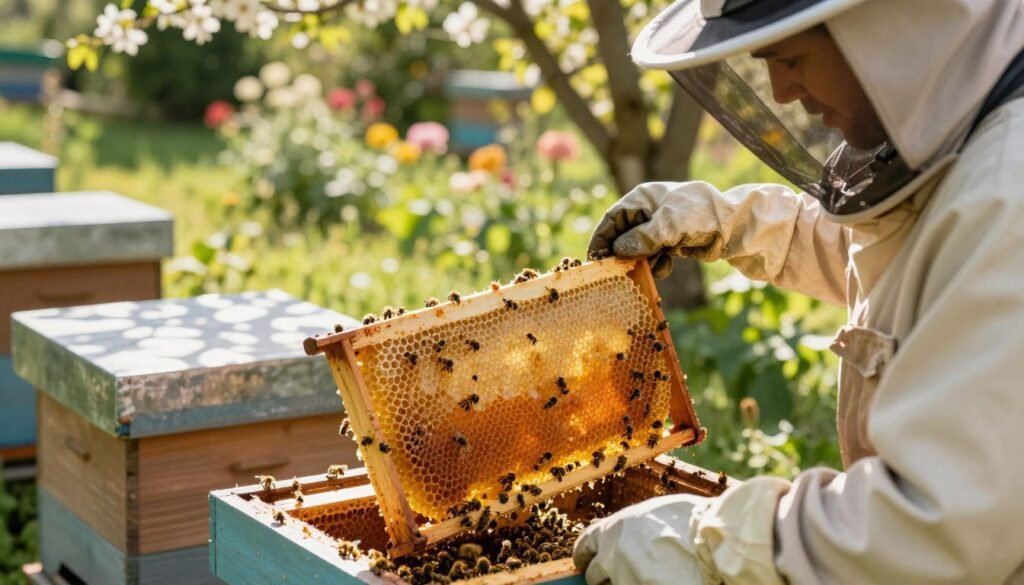
Best practice requires taking honey frames out of the hive before applying any medicated method. Product labels usually state withdrawal periods and often demand that supers be absent during treatment.
Using an extractor on exposed frames can spread residues across all equipment and spoil a whole batch. Protect the queen and brood by minimizing disturbance and by following label directions exactly.
“Always remove honey supers prior to treatment and wait the full withdrawal interval before any extraction.”
- Keep equipment dedicated: clean extractors and separate tools lower cross-contamination risk.
- Document actions: log treatments and harvest dates to meet regulations and reassure buyers.
- Wait it out: harvest only after the required interval so bees, wax, and nectar are safe.
For discussion among experienced beekeepers, review this harvest debate and guidance on apiary productivity.
Impact of Chemical Residues on Honey Quality
Chemical residues left in comb pose lasting risks to product purity and hive health.
Residues often bind to wax and frames and remain detectable for years. That buildup alters flavor and may reduce marketability.
Long-term Effects on Purity
Raw hive honey is kept below 95°F to preserve enzymes and natural benefits. Any heat above that during extraction risks degrading quality.
Trace chemicals in nectar and cells affect brood and the queen. A weakened colony struggles to resist pests, forcing more interventions and raising contamination risk.
“Protecting purity begins with careful hive hygiene and minimal, targeted treatments.”
- Keep frames clean: rotate and replace old comb to limit residue buildup.
- Preserve natural temp: avoid heated extraction above 95°F to maintain raw qualities.
- Prioritize bee health: strong colonies need fewer chemical inputs.
| Issue | Impact | Practical step |
|---|---|---|
| Chemical binding | Long-term residue in wax | Replace old frames and cull contaminated comb |
| Heat during extraction | Loss of enzymes and flavor | Maintain ≤95°F and use gentle methods |
| Brood exposure | Developmental and health decline | Minimize comb disturbance and monitor queen |
For ethical guidance on managing interventions and preserving product integrity, read more about beekeeping ethics.
Identifying the Right Time for Safe Extraction
Look for wax-capped cells as the primary sign that frames are ready. Mature honey usually has moisture below 18.5% and bees seal it with a thin wax layer. Ensure at least 80% of cells are capped before preparing for any extraction.
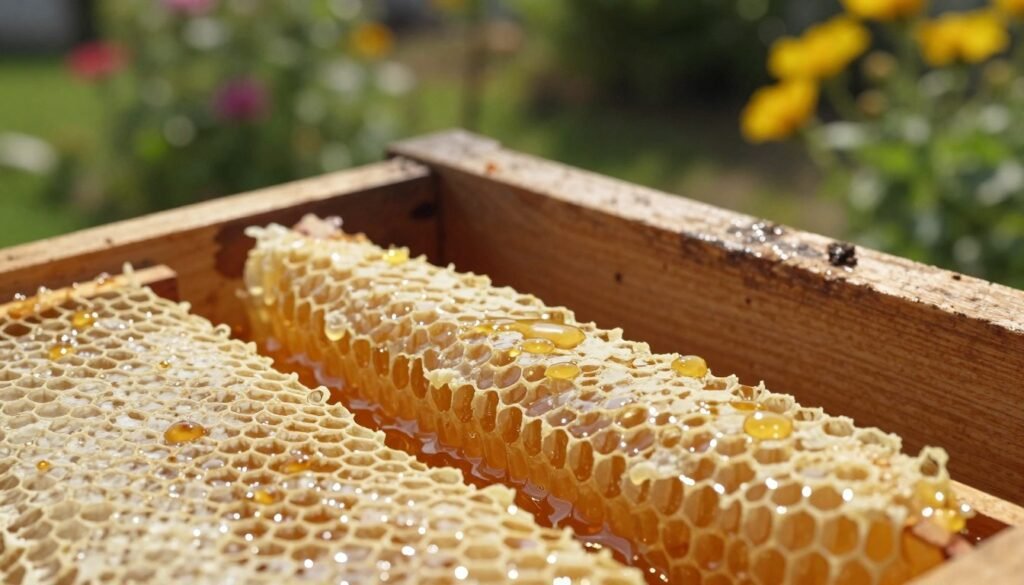
Monitoring Capped Cells
Inspect frames in the honey supers and count capped cells across several frames. If most frames show 80% or higher cap coverage, risk of fermentation is low.
If frames are only partially capped, wait and recheck. That prevents pulling watery stores that might spoil and protects the queen and brood by limiting disturbance to non-honey boxes.
Weather Considerations
Plan harvests on warm, dry days when bees are out foraging. Active foragers reduce hive traffic and make inspections easier.
Record season trends and honey flow patterns—spring and summer flows usually supply surplus stores. Keep detailed logs through the year to predict the best time for the next harvest.
- Aim for 80% frames capped before harvest.
- Confirm moisture
- Work warm, dry days to limit stress on bees.
- Remove only honey frames from supers and leave brood boxes undisturbed.
- Use clean equipment and a dedicated area to avoid contamination.
“Reading the signs on the frames and the landscape is the beekeeper’s best tool.”
For step-by-step procedures and timing recommendations, consult this honey harvesting guide.
Essential Tools for Responsible Honey Removal
Choosing the right equipment shapes product quality and colony health.
Sterilize hive tools between colonies. Use a 10% bleach solution to limit disease spread. Rinse and dry tools before any contact with frames or wax.
Keep a reliable smoker on hand to calm bees during inspections. A bee brush or gentle method helps clear bees from supers so honey frames move with minimal disturbance.
- Extractor hygiene: clean and dry the extractor to prevent water from entering the honey and causing fermentation.
- Capping tools: use a hot knife or capping scratcher to open capped honey cells cleanly.
- Transport box: a sturdy box protects frames during move and reduces stress on the hive.
“Invest in quality tools and maintain them; safety for bees and product follows.”
| Tool | Purpose | Care Tip |
|---|---|---|
| Smoker | Calm bees during removal | Keep fuel dry; inspect bellows |
| Hive tools | Prise frames and scrape wax | Sterilize with 10% bleach; rinse well |
| Extractor | Frames honey extraction | Clean & dry; check seals to avoid water |
| Capping knife | Open capped honey cells | Sharpen and sanitize between uses |
Protecting Bee Health During the Harvest Season
Leaving enough stores late in the season is the single best step toward healthy colonies through winter.
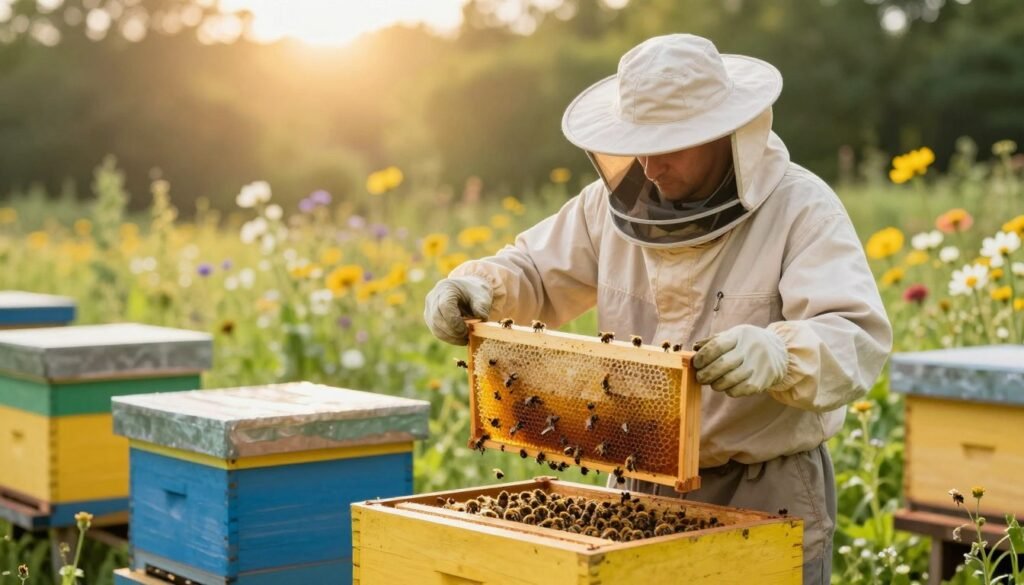
Keep 40–60 pounds of stores in northern apiaries and 20–30 pounds in warmer areas. Colonies with too little food face about a 60% higher mortality rate.
Monitor brood and the queen each inspection. Do not pull frames from brood boxes. Those frames support the next generation and keep brood rearing steady.
- Feed a 2:1 sugar syrup only when nectar is scarce and stores are low.
- Cover boxes and protect the area from robbing during the busy harvest.
- Keep a regular inspection routine to spot health issues early.
A strong colony manages honey flow and seasonal stress better. Prioritize bees over yield to sustain beekeeping year after year.
For practical timing tips and seasonal checklists, see harvest guidance and this seasonal checklist.
Best Practices for Maintaining Hive Hygiene
A strict cleaning routine for processing gear keeps moisture and microbes out of stores. Clean all extracting equipment with soap and water and make sure it is completely dry before use. Water left on metal or in the extractor risks fermentation and off flavors.
Regularly inspect brood frames to verify the queen’s laying and to spot disease early. When removing frames for extraction, swap in empty frames to stop bees building burr comb in gaps.
- Sanitize equipment: soap, rinse, dry; keep the extractor reserved for food-contact only.
- Protect stores: store supers and frames sealed and off the ground to deter wax moths and beetles.
- Manage extra food: control stores to prevent robbing and cross-hive spread of pathogens.
- Monitor brood: healthy brood supports strong bees and reduces need for chemical methods.
“A clean hive is a resilient hive.”
Use food-grade containers for final packing and follow practical timing guidelines such as those in before you harvest. Consistent hygiene yields better honey, stronger frames, and healthier bees.
Modern Innovations in Non-Invasive Harvesting
New tools let beekeepers harvest without lifting heavy boxes or exposing comb to the open air. These methods reduce stress on bees and keep brood and the queen safe during peak spring and summer flows.
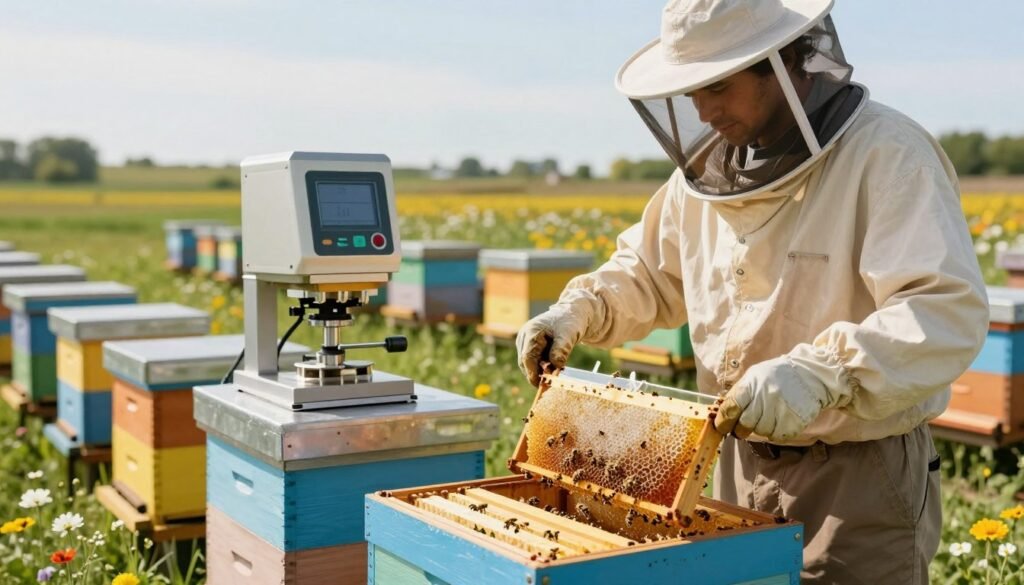
Flow Hive Technology
Flow systems open internal channels to release stores directly into jars. That limits hive openings and keeps frames intact.
Benefit: less disturbance means calmer bees, fewer robbing events, and a reduced need for an extractor.
Top Bar Hive Methods
Top bar setups favor natural comb growth and minimal intervention. Beekeepers remove only finished comb sections and leave brood chambers undisturbed.
This method supports colony health and keeps comb structure intact while still yielding much honey over the season.
- Monitor cells and nectar flow: ensure bees retain enough stores before any removal.
- Keep equipment clean: even non-invasive tools need sanitizing to protect wax and brood.
“Modern, low-impact methods align beekeeping productivity with ethical stewardship.”
Final Thoughts on Ethical Beekeeping
Ethical beekeeping asks that harvest choices prioritize colony resilience over immediate yield.
Respecting natural cycles keeps bees strong through winter and year after year. Observe frames, comb condition, wax quality, and brood health before any extraction or move of supers.
The true masters of the hive are the bees. A careful beekeeper supports foraging, avoids unnecessary disturbance, and records time and treatments to protect product quality and pollinator health today.
Rewards extend beyond honey: steady stewardship yields healthier hives, better frames, and deeper knowledge. Thank you for committing to ethical practices that help beekeepers protect pollinators for generations.
FAQ
Can you extract honey from a colony under treatment?
Harvesting during medication or chemical treatment carries contamination risks for both jars and bees. Most regulators and experienced beekeepers advise against removing capped stores while miticides, antibiotics, or other chemicals are active. Wait until treatment ends and recommended withdrawal periods pass to protect food safety and colony health.
What are the main risks when harvesting while a hive is being treated?
The chief risks include chemical residues in comb and liquid stores, stress to the colony from disturbance, and spreading contaminants across frames and equipment. Residues can taint wax and comb, reducing purity and potentially rendering jars unsellable under food-safety standards.
Are there regulatory guidelines about removing stores during treatment?
Yes. The FDA and local agricultural agencies set limits and withdrawal periods for many bee medicines. Commercial beekeepers follow Integrated Pest Management and label instructions. Always document treatments and follow state apiarist guidance before moving supers or extracting.
How do residues from treatments affect product quality over time?
Persistent chemicals can accumulate in wax and comb, altering flavor and passing into jarred goods. Long-term presence lowers ratings for purity and may require comb replacement. Regular comb renewal and careful records reduce buildup and protect marketability.
When is it safe to remove capped cells after treatment?
Safe timing depends on the specific product used. Many treatments specify a waiting period measured in days or weeks. Check the label and regional recommendations; only remove capped frames once the withdrawal interval has elapsed and lab testing or veterinary advice confirms safety.
How do weather and season influence the decision to harvest during recovery?
Weather affects nectar flow and colony stores. Spring and summer flows may tempt early harvesting, but cold or dearth periods require leaving extra stores for winter survival. Avoid heavy extraction during poor forage or before brood rearing peaks to prevent colony stress.
What tools support responsible removal when treatment is complete?
Use clean supers, sealed transport boxes, a frame extractor or crush-and-strain rig, uncapping tools, and food-grade buckets. Sterilize equipment after any medicated hive work and rotate out old comb to limit residue retention.
How can beekeepers protect colony health during harvest season?
Limit hive openings, handle frames gently, and ensure adequate food stores remain. Monitor queen performance and brood levels, and avoid harvesting frames with brood or excessive stores needed for winter. Timely treatments and good nutrition support recovery.
What are best practices for maintaining hive hygiene after treatment and harvest?
Replace or melt down old comb, sanitize extracting gear, and keep detailed treatment logs. Rotate frames, use clean supers, and avoid cross-contamination between treated and untreated colonies. Regular inspections help catch residue or disease issues early.
Do modern systems like Flow Hives change the approach to harvesting during treatment?
Flow Hive and similar non-invasive technologies reduce opening frequency and disturbance, lowering stress on treated colonies. However, they do not eliminate risks of chemical transfer into stores. Withdrawal periods and hygiene rules still apply before bottling.
Are top bar hive methods safer for colonies undergoing treatment?
Top bar systems allow selective removal of comb without heavy equipment, which can be gentler. They still risk spreading residues if medication is present. As with other methods, follow treatment guidelines and avoid marketing product before safety is confirmed.
What should ethical beekeepers consider before harvesting post-treatment?
Prioritize colony welfare and consumer safety. Follow withdrawal intervals, keep accurate records, renew comb periodically, and use approved products responsibly. Ethical practice means erring on the side of caution rather than rushing a harvest for short-term gain.
How can beekeepers test for residual contamination before processing stores?
Accredited labs can analyze wax and liquid samples for common miticides and antibiotic residues. Small-scale testing provides assurance before extracting and selling. Maintain traceability between tested frames, boxes, and final jars.
What role does the queen and brood status play in harvest decisions after treatment?
Strong brood and a healthy queen indicate recovery; avoid removing brood frames or significant stores. If brood rearing is low, leave extra food. Protecting the reproductive core supports winter survival and long-term colony productivity.