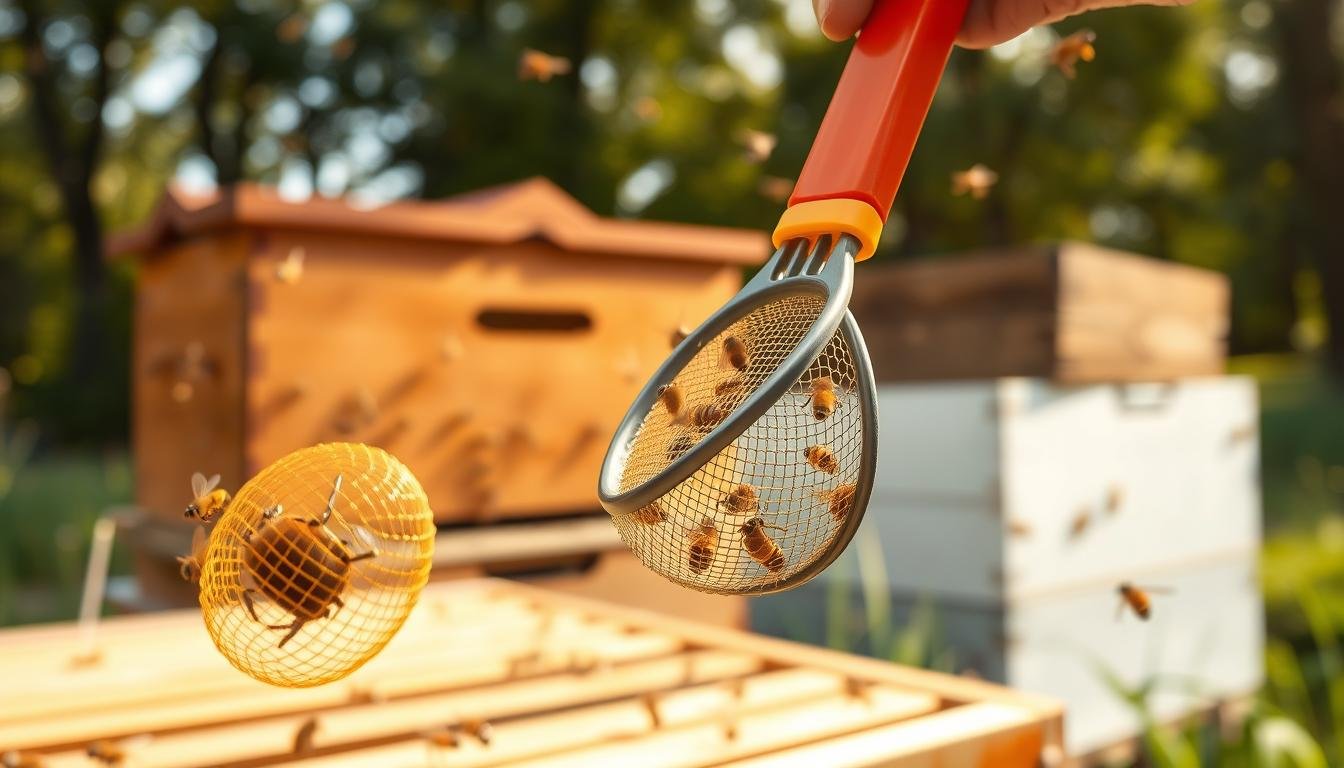
Keeping the royal bee safe during inspections is essential to healthy hives. A good catcher reduces stress on the colony and speeds up frame work.
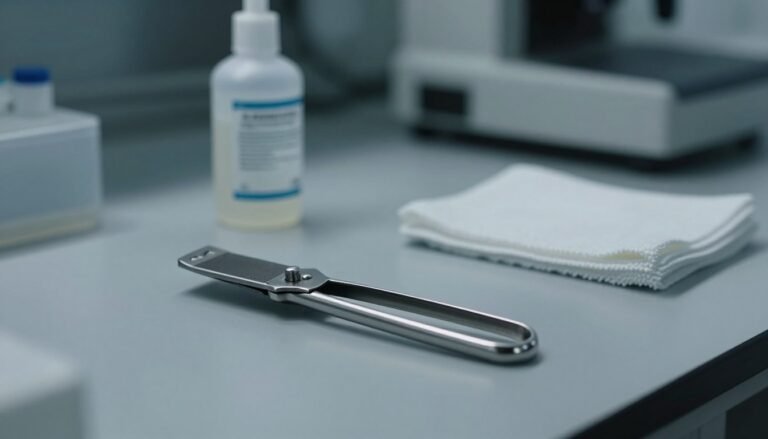
The E-Outstanding stainless steel clip scores 4.6/5 and lets you work one-handed with steady care. This makes handling simpler while wearing gloves and holding a frame.
Seasoned keepers often pair a metal clip with kits such as the Wadoy 14-piece set to manage multiple colonies. More affordable, eco-friendly options like the Together-life 10-pack use durable plastic and save time during routine inspections.
Choose a design that isolates the queen bee without agitating worker bees. Proper technique and a reliable bee catcher cage build confidence and protect the colony over the long run.
Key Takeaways
- One-handed stainless clips like the E-Outstanding reduce queen handling risk.
- Kits with multiple pieces help manage several hives across a season.
- Plastic packs offer cost-effective, eco-friendly durability.
- Use a cage or clip that lets you observe the queen without stress.
- Good gear saves time and supports safer inspections and care.
- Learn a steady technique to work confidently while wearing gloves.
- Find more gear ideas and guides at Beekeepers Realm topics.
Why Every New Beekeeper Needs a Reliable Queen Catcher
A dependable clip can turn nervous hive checks into calm, efficient work. Using a dedicated queen catcher saves time and helps protect the hive’s most valuable member during inspections.
Safe handling matters: isolating queens from worker bees reduces stress and lowers the chance of injury. A consistent method lets you move a queen between frames or into a marking cage without direct contact.
The Together-life 10-pack of stainless steel catchers earns high marks for a reason. With a 4.4-star reputation, their spring-loaded design gives many users reliable performance when managing multiple hives.
- New keepers secure queens without crushing them, a major early concern.
- Using a clip speeds inspections when you oversee several colonies.
- Experienced beekeepers needing efficient gear often recommend durable stainless options.
| Feature | Benefit | When It Helps |
|---|---|---|
| Spring-loaded clips | Consistent grip, one-handed use | During quick frame checks and transfers |
| Stainless construction | Long-lasting durability | Managing multiple hives across a season |
| Compact design | Easy storage and transport | Field work and remote apiaries |
For marking and tracking, check a short guide on how to mark your reproductive female with safe inks: how and why to mark your queen. Investing a little now yields big peace of mind during every inspection.
Essential Features of the Best Queen Catcher Tool for Beginners
Airflow and portability are the quiet winners when choosing a catcher for routine hive checks. Focus on features that protect the queen while making inspections quicker and calmer.
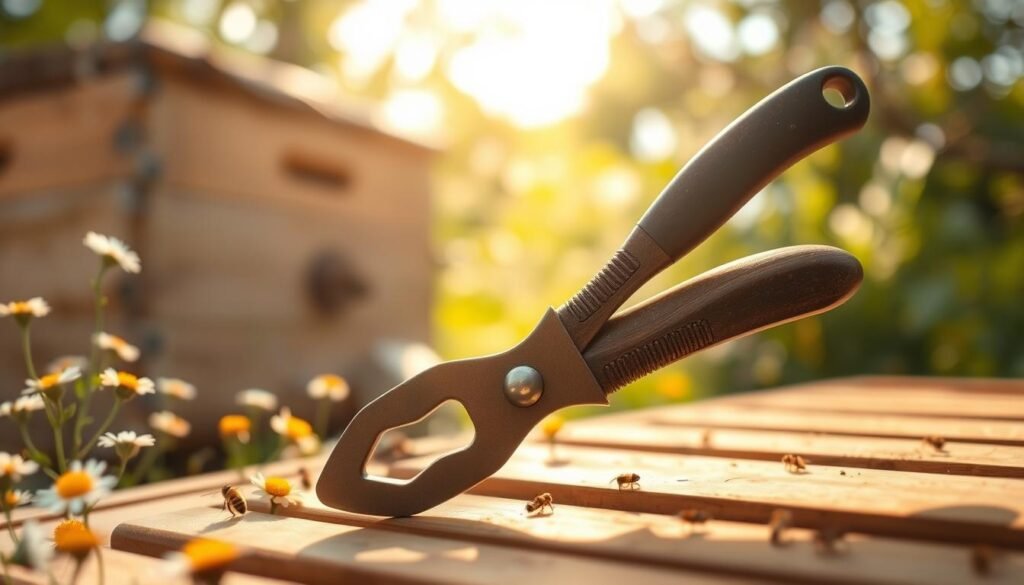
Breathability and Airflow
Proper ventilation keeps the queen comfortable. Mesh slots or strategic vents mimic the hive’s airflow and lower stress during short transfers.
When worker bees can leave through mesh, overcrowding drops and the queen stays calm. This reduces agitation and the chance of injury during handling.
Compact and Lightweight Design
Choose a lightweight clip that fits your pocket. The E-Outstanding stainless version weighs only 1.58 ounces, and the Mann Lake one-handed model measures 3.63 inches long.
One-handed operation matters: it lets you keep gloves on and hold a frame steady while securing the queen. Durable stainless or high-quality plastic makes cleaning easier and extends service life.
- Breathable cages let worker bees escape and reduce crowding.
- Lightweight clips save time and keep gear portable between hives.
- One-handed designs improve control during inspections and frame transfers.
For more on rearing methods and equipment that support safe handling, see queen rearing methods and equipment.
Comparing Stainless Steel Versus Plastic Construction
Material choice shapes durability, visibility, and how worker bees react during capture.
Stainless steel models such as the E-Outstanding earn praise for corrosion resistance and long life in outdoor apiaries. Metal clips resist wear across seasons and stand up to rough field use.
One noted issue is the closure on some metal clips. A few users adjust the clasp to get a secure fit before each inspection.
Plastic catchers such as the Together-life 10-pack offer a lighter option with clear walls. The transparency helps you see queens and lets worker bees escape through grid slots, lowering crowding while you move frames.
- Stainless: long-term strength, corrosion resistance, slightly heavier.
- Plastic: lightweight, better visibility, cost-effective for multiple hives.
- Both: secure cages reduce breakage and protect queen bees during transfers.
| Material | Durability | Visibility | Field Notes |
|---|---|---|---|
| Stainless steel | High — resists rust | Moderate — opaque metal | Strong; closure may need adjustment |
| Plastic | Moderate — less wear over seasons | High — clear walls aid inspection | Lightweight; grid slots let worker bees escape |
| Hybrid designs | Good — metal frame, clear panel | High | Balance of strength and visibility |
Consider inspection frequency and transport needs when you choose. For notes on stainless equipment and material trade-offs, see stainless extractor advantages, or read ideas to reduce plastic use in apiaries.
Understanding One Handed Operation for Efficient Inspections
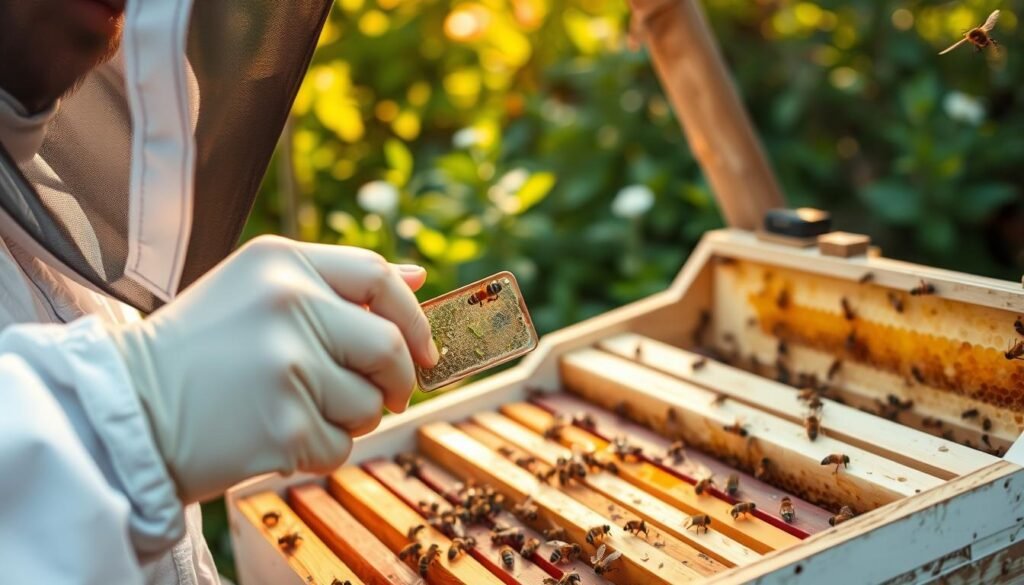
One-handed capture changes how quickly you move through an inspection and cuts wasted motions. This approach keeps one hand free to steady a frame while the other secures the queen.
Mastering the Spring Loaded Mechanism
The spring-loaded clip gives predictable action. Practice closing and releasing the clip until your timing is smooth. That timing reduces stress on the queen and on worker bees during transfers.
“A steady hand and a reliable spring are what make quick, safe inspections possible.”
Many experienced beekeepers needing efficient gear favor the Mann Lake one handed model. It lets you mark queens without using both hands. Wearing gloves, you keep control and cut inspection time.
| Feature | Why it matters | Field tip |
|---|---|---|
| Spring action | Fast, consistent capture | Test before each use |
| Material (plastic/metal) | Weight vs. durability | Clean regularly to avoid issue |
| One-hand design | Better control during inspections | Practice with empty frames |
Selecting the Right Queen Marking Kit for Your Apiary
Selecting the right marking set helps you monitor queen age and hive health across the season. A reliable kit reduces handling time and lowers stress on the colony.
Non Toxic Ink Requirements
Use water-based, non-toxic pens. The AOIT queen bee marking kit includes eight pens that won’t harm bees and last through multiple days of work.
Cage Design for Easy Positioning
A cage with a honeycomb top helps you see exactly where the queen sits. This technique builds confidence and avoids handling issues when moving queens between frames.
Kit Completeness
Look for sets that include clips and a catcher or cage. The 6pcs Queen Bee Catcher/Cage Set has a 4.1-star rating from 358 buyers and is popular among those managing multiple hives.
- Durable plastic metal components extend service life in the apiary.
- Multiple clips let experienced beekeepers needing efficient marking work several colonies at once.
- Complete bee marking kit contents speed inspections and improve hive records.
| Item | Why it matters | Practical tip |
|---|---|---|
| Non-toxic pens | Safe marking, visible for days | Test on an empty frame first |
| Honeycomb-top cage | Better visibility of the queen | Use to practice gentle positioning |
| Multiple clips | Work with several hives quickly | Keep extras in your coat pocket |
For a focused gear guide, see a recommended queen marking kit or explore high precision marking tools to match your technique and apiary needs.
Improving Visibility and Tracking Through Color Coding
Color coding simplifies tracking across multiple hives and speeds identification during inspections. The AOIT kit supplies eight colored pens, so you can assign a hue to each colony and track lineage over seasons.
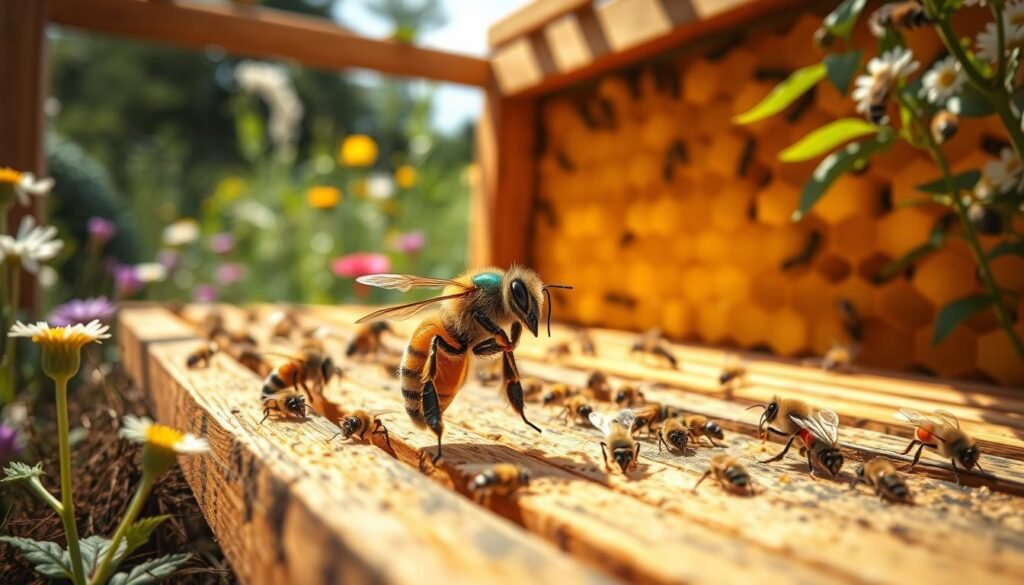
Transparent plastic clips and a clear bee catcher cage make marks easy to spot. These clips are designed to let worker bees escape while keeping the marked queen visible, which reduces crowding and stress.
Use bright colors like yellow or green to see exactly queen movement during transfers. A consistent color system helps you know which queens belong to which hives at a glance and aids long-term record keeping.
- Track age and generation by color to plan requeening or breeding.
- Observe marks through a clear cage without opening a hive completely.
- Choose non-toxic, water-based pens for safe queen bee marking.
| Practice | Benefit | Quick tip |
|---|---|---|
| Assign colors to hives | Faster identification | Use the same color each season |
| Transparent plastic clips | Worker bees escape, queen visible | Check clips for wear |
| Bright color marks | Spot queen at distance | Prefer yellow or green |
For a short guide on marking technique, see how and why to mark your.
Safety Protocols for Handling Queens Without Stress
Gentle technique and steady hands cut queen handling risks during every hive check.
Wear gloves and approach the frame slowly. Keep motions smooth so the queen and worker bees stay calm.
The Bee Queen Cage Catcher (2PCS) is stainless steel and built to protect delicate wings. Check clips and the cage for any sharp edges before use.
Keep full control: hold the frame steady with one hand and use the catcher with the other. Move the queen to a new frame with care to avoid startling the colony.
- Use a plastic or metal cage that isolates the queen bees without crushing them.
- Work slowly so the queen is more likely to be accepted by worker bees.
- Regularly inspect tools to prevent issues that could harm the queen.
“Calm hands and checked equipment are the best protection for colony health.”
| Protocol | Why it matters | Quick tip |
|---|---|---|
| Wear gloves | Protects both keeper and bees | Use thin gloves for better control |
| Steady hands | Reduces panic and injury | Practice with empty frames |
| Tool check | Prevents sharp-edge damage | Inspect clips and cage before inspections |
Final Thoughts on Choosing Your Beekeeping Equipment
Selecting practical pieces lets you build confident habits at the hive edge.
Choose gear that matches how you work. A reliable one handed catcher and clear clips cut inspection time and make handling more predictable.
Practice over several days with a bee marking kit and a simple cage to boost speed and reduce stress on the colony.
Invest in quality items like the Mann Lake one handed option and keep tools clean and organized. Learn more about equipment choices at equipment choices and follow a starter roadmap at Start Here.
Small, steady improvements will save time and build lasting confidence in your beekeeping work.
FAQ
What is a queen catcher and why should a new beekeeper have one?
A queen catcher is a small device used to isolate the reproductive bee during inspections or moves. New beekeepers benefit because it reduces colony disturbance, prevents accidental injury to the queen, and helps with marking and inspections. It also builds confidence during early hive management.
How do I choose between plastic and stainless steel construction?
Plastic models are lightweight, affordable, and often transparent for better visibility. Stainless steel versions offer greater durability and easier sterilization. Choose plastic if you need a compact, low-cost option; choose stainless steel if you want long-term resilience and frequent heavy use.
What features make a catcher easy to use one handed?
Look for a spring-loaded mechanism or a clip that locks with a single thumb motion. An ergonomic grip and balanced weight let you handle frames and the device simultaneously. One-handed operation speeds inspections and reduces the need to set frames down.
How important is airflow and breathability in a queen cage?
Good airflow keeps the queen healthy while confined and prevents overheating during transport. Mesh, slits, or ventilation holes ensure the queen gets fresh air and reduces stress on both queen and attending workers.
Can I mark a queen without stressing her or the colony?
Yes. Use a proper marking kit with quick-drying, non-toxic ink and a gentle handling protocol. Confine the queen briefly in a clear cage, apply the dot to the thorax, let it dry, then release. Practice and calm movements minimize worker agitation.
What should I look for in a queen marking kit?
Prioritize non-toxic inks approved for bees, fine applicators for precise dots, and a cage or tube that holds the queen without crushing her. Kits that include multiple colors and a storage case make tracking and long-term use easier.
How do I prevent worker bees from escaping when using a catcher?
Use a cage with secure clips or a sliding entrance and position the device carefully on the frame to block worker movement. Work methodically and keep inspections calm so workers remain on the comb. A one-handed catcher with a locking mechanism helps maintain control.
Is a metal catcher better for managing multiple hives?
Metal catchers hold up better under heavy use and frequent cleaning, which suits beekeepers managing several colonies. Plastic can be fine for occasional use, but metal offers superior longevity and resistance to wear.
How do color-coded markings improve hive management?
Color codes let you track queens by age or lineage at a glance. Use a consistent system across your apiary and record color choices. This speeds decisions during splits, re-queening, and health checks.
Are there safety protocols to handle queens without causing stress?
Yes. Wear gloves if needed, move slowly, avoid crushing the queen, and limit confinement time. Work during warm daylight hours and keep the queen shaded and ventilated. Always return the queen to a secure spot on the frame so workers accept her quickly.
What maintenance does a durable plastic or metal catcher need?
Rinse after use to remove propolis and debris, and disinfect periodically with a mild solution or hive-safe cleaner. Check moving parts like springs or clips for wear and replace any broken pieces to maintain reliable function.
How can I master the spring-loaded mechanism during inspections?
Practice the motion away from live colonies until it feels natural. Learn to apply gentle, even pressure and to position the device so the queen is visible through the opening. Repetition builds speed and reduces disturbance during real inspections.
What should be included in a complete marking and catching kit?
A complete kit typically includes a cage or catcher, non-toxic marking pens or paint, an applicator, spare clips or springs, and a small instruction guide. A compact case helps keep everything organized in the field.
Can experienced beekeepers still benefit from a compact, lightweight catcher?
Absolutely. Even experienced apiarists appreciate compact devices that speed inspections, reduce fatigue, and allow precise control when managing multiple hives. Portability and one-handed designs remain valuable at any skill level.