Hive Longevity: The Lifespan and Vitality of Bee Colonies
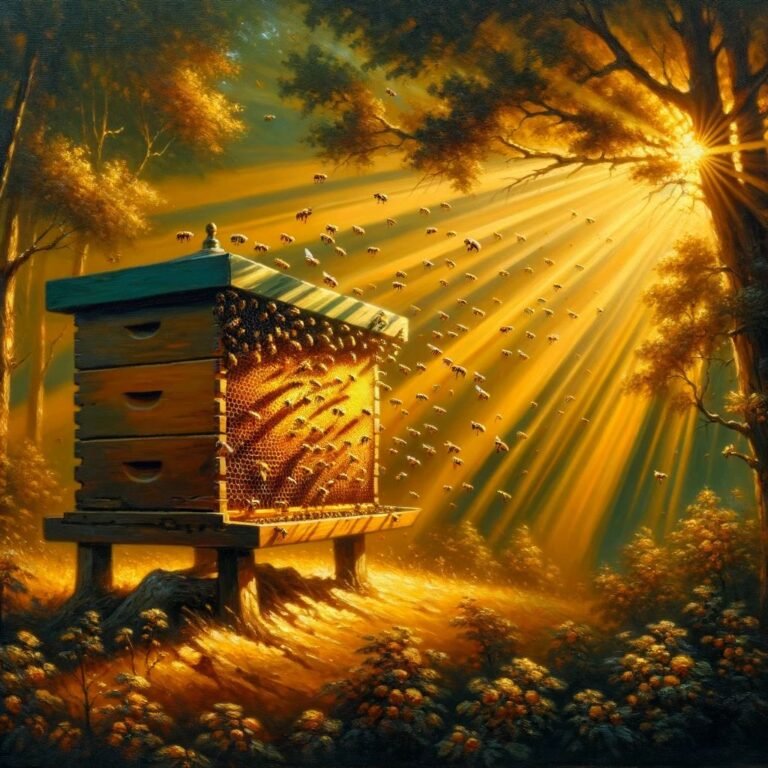
What actually determines whether a honey bee colony survives for years or collapses in a season: queen quality, varroa management, forage, and beekeeper experience.


What actually determines whether a honey bee colony survives for years or collapses in a season: queen quality, varroa management, forage, and beekeeper experience.
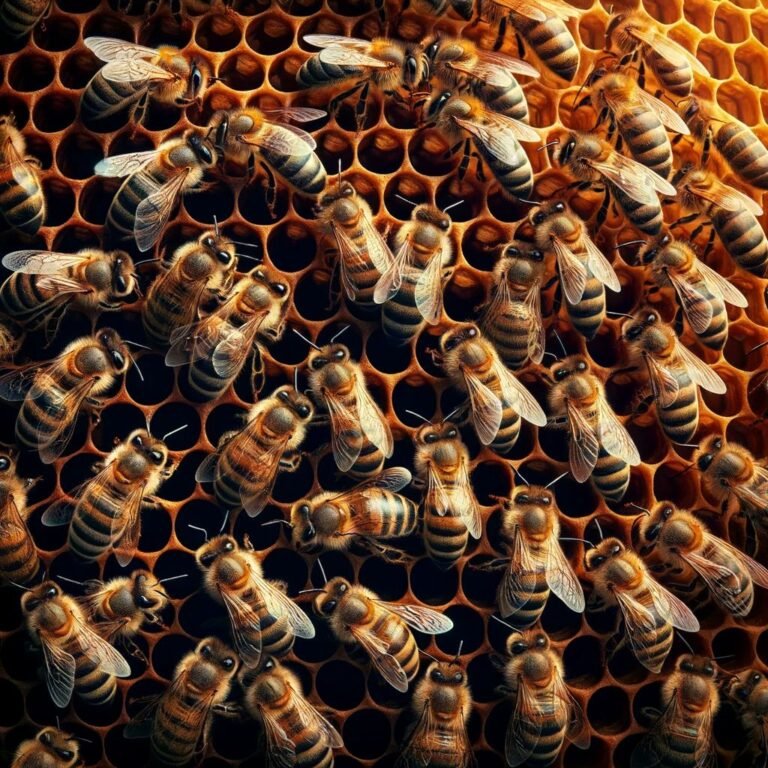
Why a honey bee queen mating with many drones isn't incidental. It's one of the most consistently documented drivers of colony disease resistance.

What actually controls how fast a honey bee colony grows: queen egg-laying, food supply, comb space, and pest pressure.
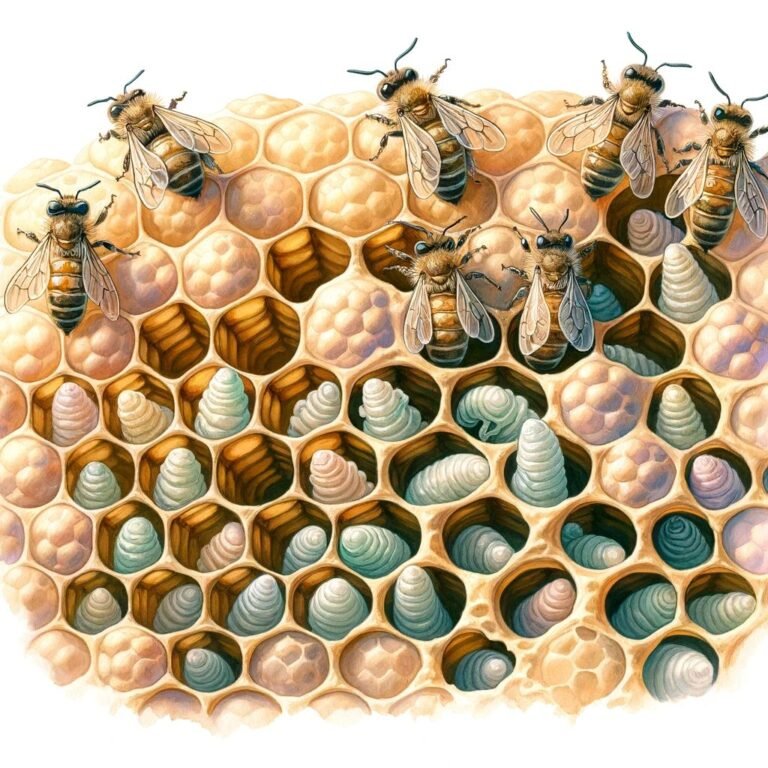
The real difference between swarming and supersedure: one is how a colony reproduces, the other is how it replaces a failing queen.
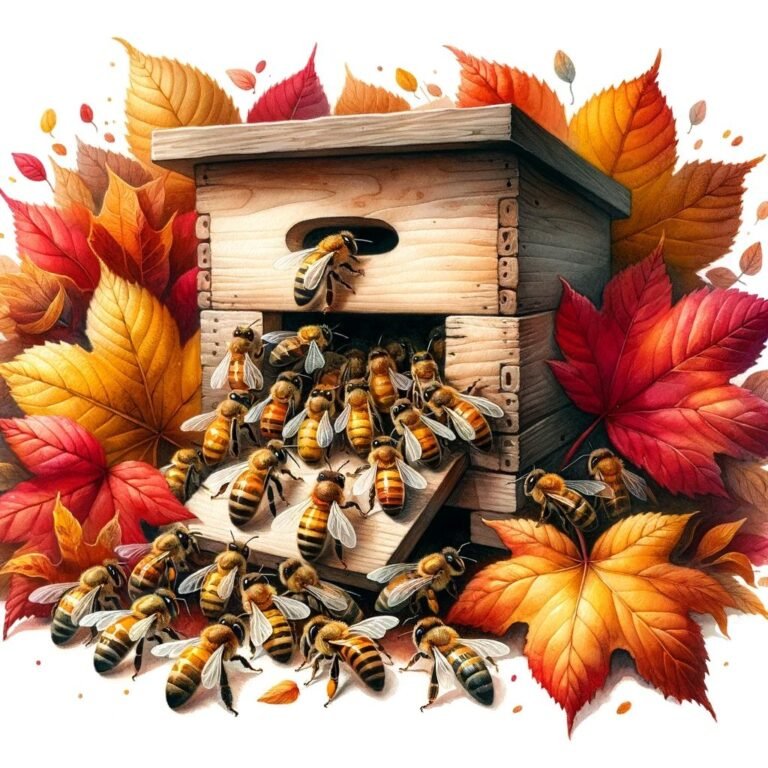
How a honey bee colony's population, behavior, and even bee lifespan change dramatically across spring, summer, fall, and winter.

How a honeybee hive organizes itself without a central leader: the roles, division of labor, and communication that hold the colony together.
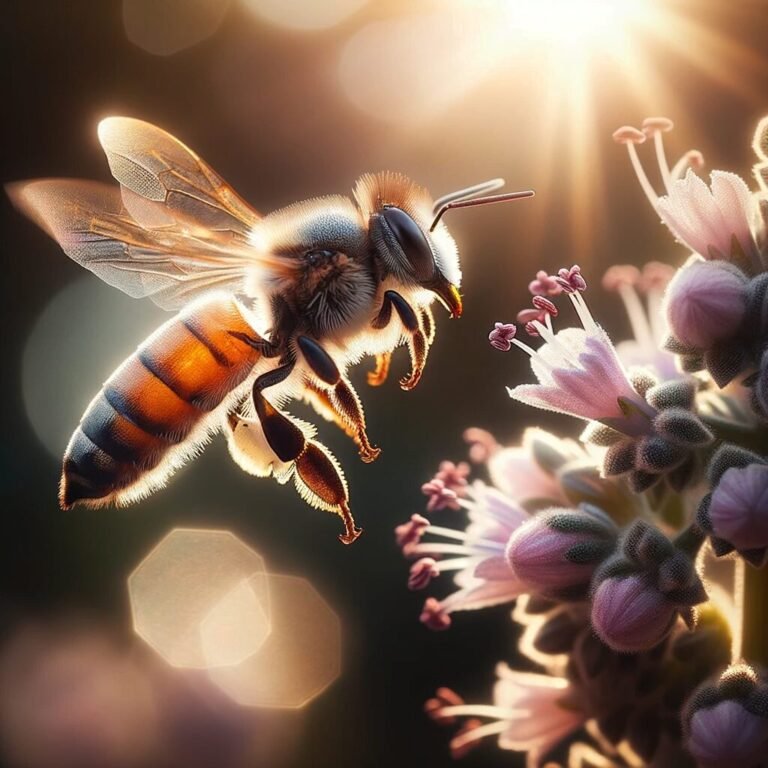
How scout bees search for a new nest site, signal quality through the waggle dance, and reach consensus through quorum sensing.
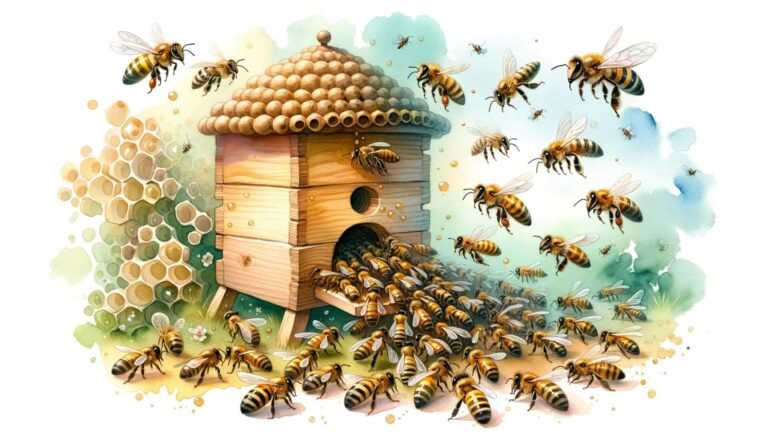
Do honey bees really compete with native bees and other pollinators? Here's what the research actually shows about competition, coexistence, and forage.
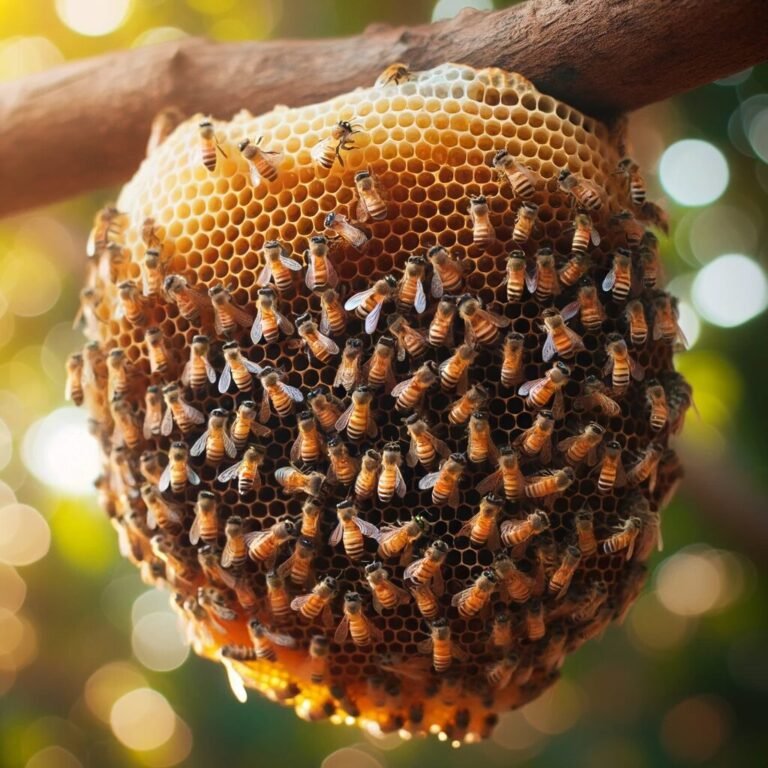
The real biology and math behind honeycomb: how bees produce wax, and why the hexagon is the most efficient shape they could build with it.