Honey Labeling Rules: What Must Be on the Jar

A honey label has to answer specific legal questions about origin, purity, and blending. Here is what actually has to be on the jar.


A honey label has to answer specific legal questions about origin, purity, and blending. Here is what actually has to be on the jar.
A real breakdown of what honey production costs: startup equipment, ongoing labor, colony replacement, and why true cost per pound is often closer to sale price than beekeepers expect.
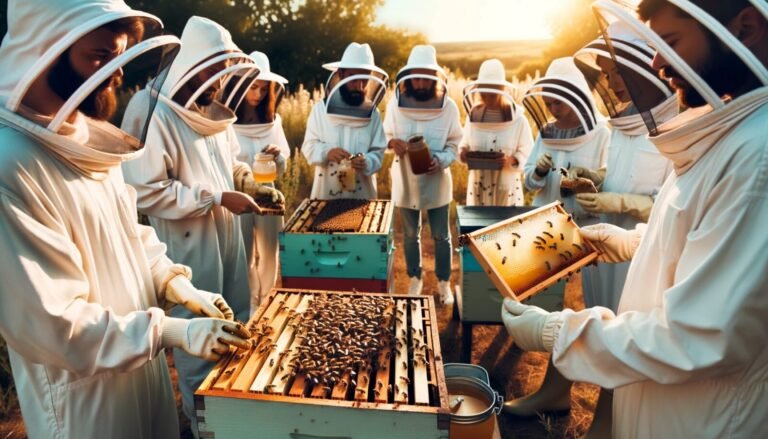
Commercial-scale beekeeping education runs through university extension programs, the EAS Master Beekeeper track, and hands-on mentorship. Here is where to actually find it.

Honey production is often talked about as a purely agricultural activity, but it is genuinely inseparable from the broader ecosystem a colony forages in – biodiversity, pollination, and climate all shape what a hive can produce, and the reverse is…

Honey production regulations differ sharply by jurisdiction. Here is what U.S. and EU producers actually need to comply with before selling a jar.

Turning honey production into an actual business, rather than a well-loved hobby that happens to sell a few jars a year, involves a distinct set of decisions around scale, cost structure, compliance, and how the operation actually reaches paying customers.…
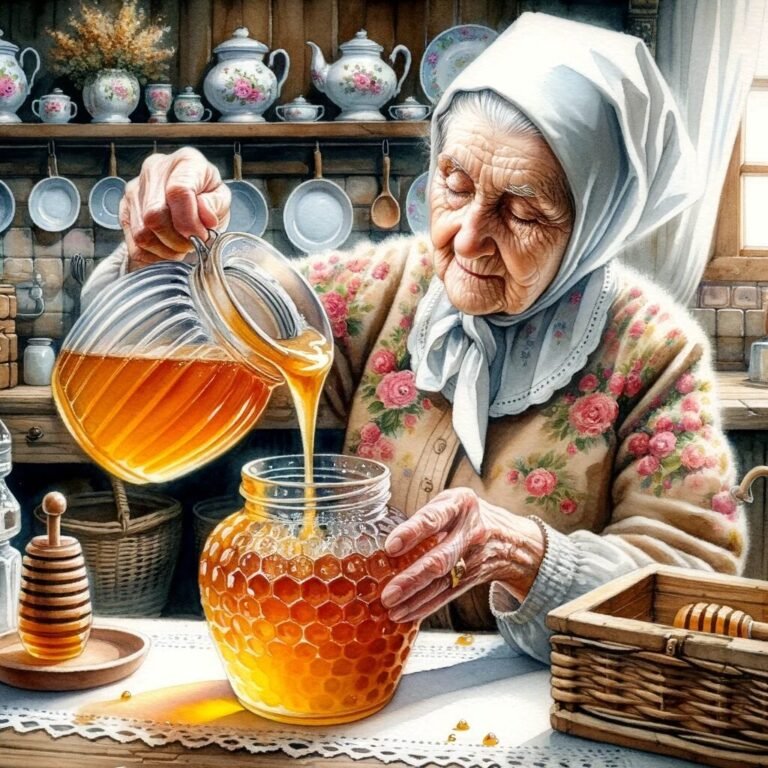
What actually makes honey "organic" is the certified, chemical-free foraging environment and beekeeping practices behind it, not the honey itself.

A hive can fill multiple supers during a strong spring nectar flow and then produce almost nothing for weeks during a summer dearth – the same colony, the same beekeeper, wildly different output, purely because of what’s actually blooming outside.…

A beekeeper who only remembers “that hive seemed a bit weak last month” has no real way to tell whether it’s actually declining or just had an off week. A simple per-hive log – even just a notebook with inspection…