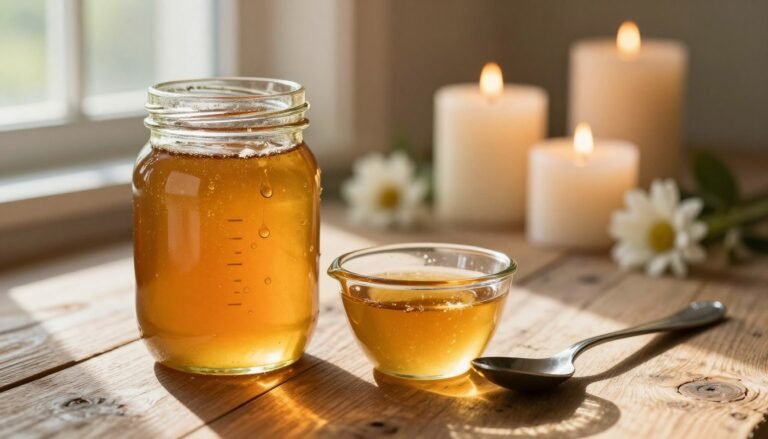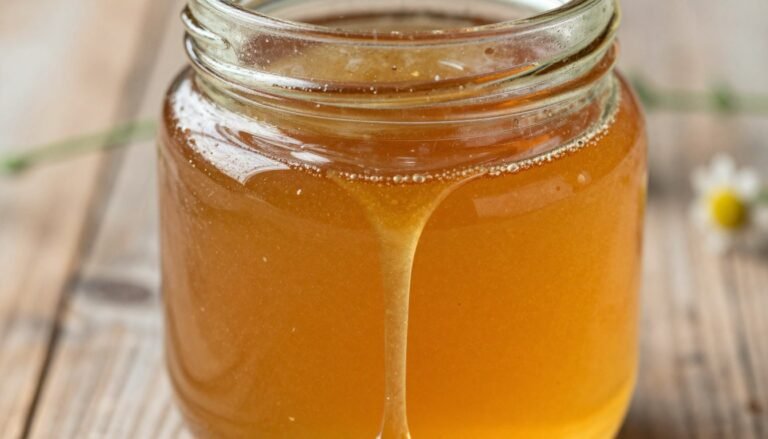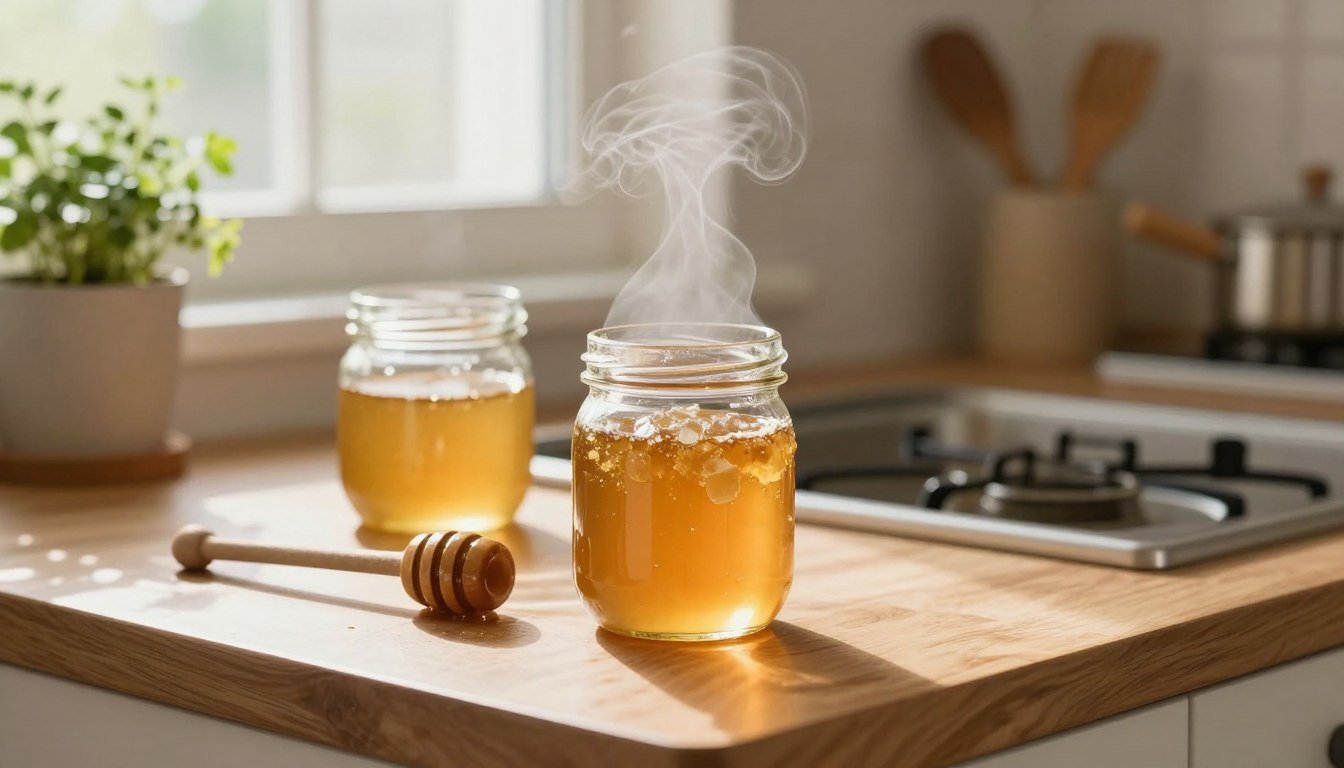
This short guide explains a gentle, reliable way to restore thick, grainy jars back to smooth syrup while protecting flavor and beneficial compounds.
Crystallized honey is a natural change, not spoilage. Low, even heat in a closed glass jar melts crystals without caramelizing sugars or degrading enzymes. Avoid sudden high temperatures that can alter color and aroma.
We outline safe warming options, from warm tap water baths to controlled sous vide, and explain why glass containers and slow heating matter. Practical tips help you choose the best method for small jars or bulk batches.
For more methods and seller-focused care notes, see this warm water bath guide and labeling recommendations at packaging advice.
Key Takeaways
- Use gentle, consistent heat in a sealed glass jar.
- Keep temperatures below about 110°F to protect quality.
- Avoid microwaves and direct stovetop heating.
- Stir occasionally as crystals dissolve for even warming.
- Label jars with simple care notes for future handling.
Understanding Why Honey Crystallizes
Crystallization starts when sugars in the jar separate and form tiny crystals that change texture.
Raw honey generally holds about 16% to 20% water. That low moisture level, along with a high sugar load, makes solid formation likely. When glucose leaves solution it bonds into crystals while other sugars remain liquid.
This is a natural process and often indicates a product that is unprocessed and intact. Many consumers read this as a sign of quality rather than spoilage. A short quote puts this plainly:
“Crystallization is a natural trait and can reveal that the product kept more of its natural components.”
The chart below compares common causes, visible signs, and simple next steps.
| Cause | Visible Sign | What it suggests |
|---|---|---|
| High glucose ratio | Fine, sandy texture | Unprocessed jar |
| Low water (16–20%) | Partial clouding | Stable long shelf life |
| Presence of pollen or wax | Chunky crystals | Less filtering in production |
This short guide explains the science behind the change and helps you manage pantry jars. For deeper reading on why products crystallize, see this explanation, and for contrasts between raw and processed options visit raw vs processed.
The Science Behind Sugar and Water Molecules
At a molecular level, raw honey is a supersaturated solution where sugars and water share the same space but not the same fate.
Glucose and fructose balance
Glucose and Fructose Balance
Glucose and fructose are the main sugars in jars bought from farmers or stores. Glucose tends to leave the solution first. When that happens, the glucose molecules link together and form tiny crystals while the water remains liquid.
“Crystallization is a chemical shift where sugar molecules reorganize, not an indicator of spoilage.”
The role of pollen and wax
The Role of Pollen and Wax
Microscopic pollen grains and fine wax bits act as seeds. These particles give glucose a place to start bonding. Ultra-filtered commercial jars remove those seeds and stay liquid longer.
- Benefits: Raw jars keep more natural nutrients and enzymes.
- Process note: High-heat commercial methods reduce enzyme content and alter flavor.
- Practical point: When honey crystallize, it often signals a product that kept its natural profile.
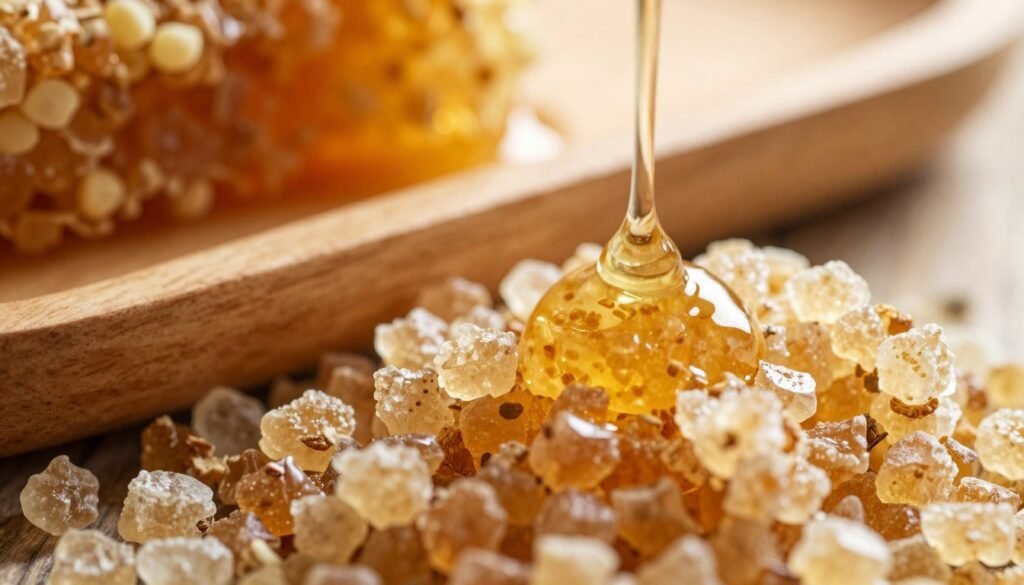
Why Crystallization Is a Sign of Quality
Many buyers see crystal formation as proof the jar kept its natural pollen and minimal processing. This is often taken as a positive sign that the product stayed closer to its original state.
The unique texture of this spread is valued by many people. A thick, grainy mouthfeel makes it ideal for spreading on toast or stirring into yogurt.
Because different types of honey have varying sugar balances, the pace at which honey crystallization happens can vary by floral source, such as clover or wildflower.
When honey crystallizes, it often confirms the producer avoided high-heat pasteurization. That preservation keeps more natural enzymes and nutrients intact.
You can enjoy the thick, spreadable texture right from the jar if you prefer. For a deeper look at the science and care around this process, see honey crystallization.
“Crystal formation often points to an authentic, minimally processed product.”
Essential Preparation Before You Begin
A quick inspection of containers and seals saves time and preserves quality.
Selecting the Right Jar
Choose a glass container whenever possible. Glass is non-reactive and stands up to gentle warming. It also lets you watch the texture change without opening the lid.
Avoid plastic jars when heating. Plastic can warp or release substances when exposed to warm water baths. That risk affects flavor and safety.
- Confirm the jar is properly sealed. A tight lid keeps water out during warming.
- Use a clear glass container so you can monitor progress without repeated opening.
- If moving honey into another vessel, pick a clean, heat-safe glass container labeled for food use.
Final check: no cracks, no warped lids, and no signs of contamination. A safe container protects texture and keeps aroma intact.
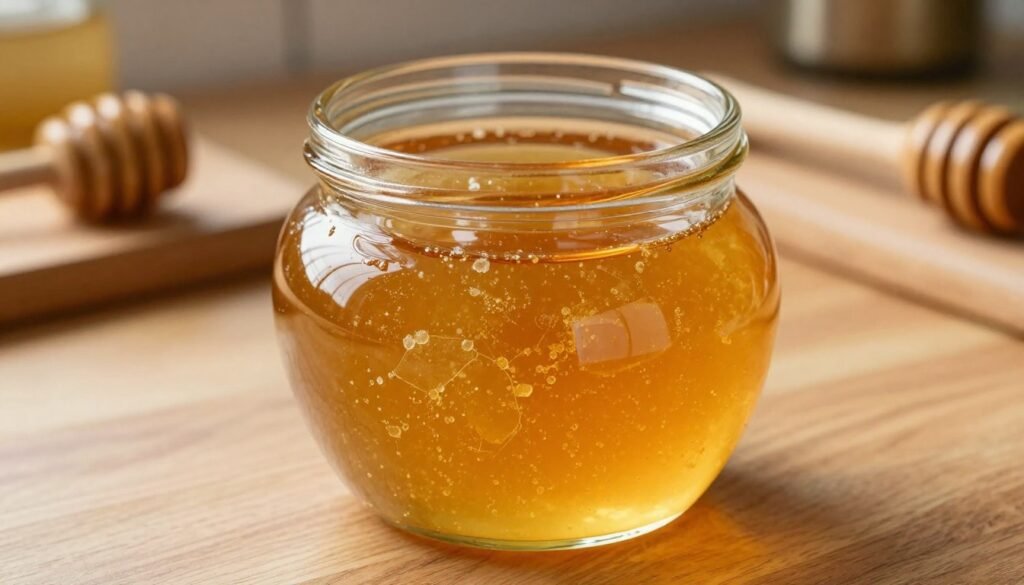
How to Reliquefy Crystallized Honey Without Damage
A patient, low-temperature approach restores a thick jar to syrup without altering aroma or nutrients.
Keep the heat below 110°F. That temperature limit prevents caramelization and protects enzymes found in raw honey.
Use a heat-safe glass container and a snug lid so no water dilutes the product during the process. A sealed jar also helps the sugar and glucose molecules remix with the water evenly.
Allow ample time. Crystals can take an hour or more to melt at gentle warmth. Rushing with higher heat risks color and flavor changes.
- Place the jar in a warm water bath and monitor the temperature.
- Stir gently as crystals dissolve for uniform texture.
- Stop heating once the spread returns to a smooth pour.
Preserve nutrients by managing heat and time. This simple process keeps the natural profile intact while breaking down stubborn crystals.
“Slow warming and the right container make all the difference when restoring texture.”
For a step-by-step warm water routine, see the warm water bath guide. For tips on storage that slow future crystal formation, review these long-term storage notes.
Utilizing Water Bath Techniques
A bowl-based water bath spreads warmth evenly and reduces hot spots that can alter flavor or color.
Using Tap Water
Fill a ceramic bowl with hot tap water and place the sealed jar into the bowl. Let honey sit minutes in the warm bath for 10–15 minutes.
After that time, remove the jar and stir gently. If crystals remain, return the jar and repeat process until the texture is smooth.
Boiling Water Methods
For faster warming, pour freshly boiled water into the bowl but do not place the jar on a stove or directly over a flame.
Keep an eye on temperature and swap water if it cools rapidly. This lowers the risk of overheating the glass container or reducing quality.
Sous Vide Precision
For precise results, set a sous vide bath between 100°F and 105°F and immerse the sealed jar in a larger bath.
This method gives steady temperature control and is ideal when you want repeatable warming options for multiple jars.
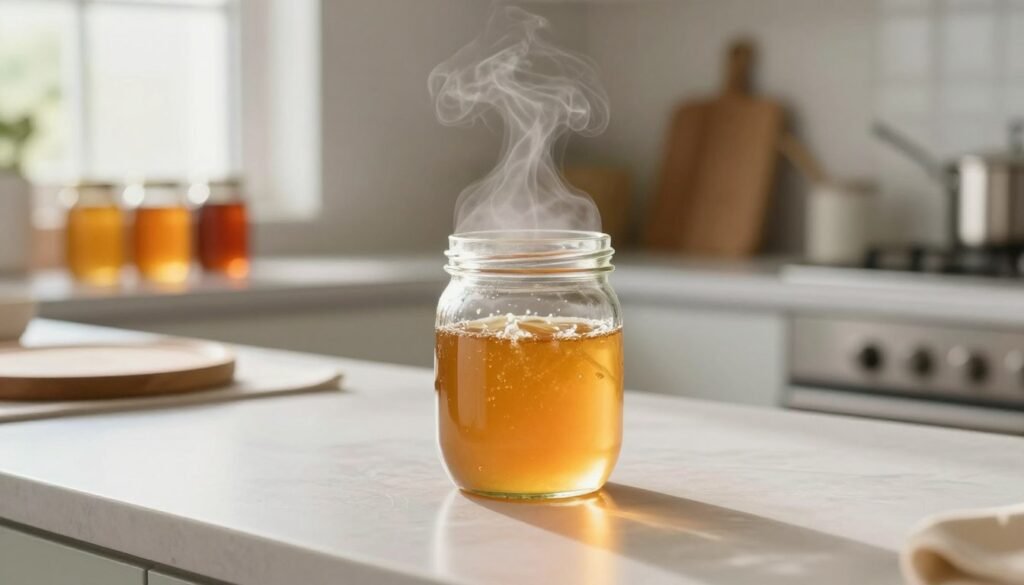
“A steady water bath is the most reliable way to warm jar contents while protecting texture and aroma.”
Exploring Radiant Heating Options
Placing a sealed glass container near a warm surface is an effective, low-risk method for softening crystals.
Radiant warming options in the home include a low electric blanket and a household radiator. An electric blanket set on low can take 30–60 minutes. Allow jar honey to sit minutes while you stir honey occasionally to break up crystals.
Put the jar on a shelf near a radiator, but check often. Keep the nearby temperature under about 110°F. Use a thermometer at jar level so the process does not exceed that range.
A parked car on a sunny day can reach 140°F and will warm large buckets fast. Monitor carefully and avoid leaving containers unattended. That option is powerful but less precise.
“Slow radiant heat lets sugars remix gently and preserves aroma and enzymes.”
| Option | Typical Time | Best For |
|---|---|---|
| Electric blanket (low) | 30–60 minutes | Small jars, paced stirring |
| Home radiator | 1–3 hours | Multiple jars, gentle steady heat |
| Sunny car interior | 30–90 minutes | Large buckets, careful monitoring |
https://www.youtube.com/watch?v=rG3ikXjzeEc
The Role of Temperature Control
A steady, narrow temperature range is the single most important control when working with thick jars.
Monitoring the Sweet Spot
Keep warmth steady between 95°F and 100°F. This range melts crystals while protecting color and floral aroma.
Maintain a thermometer at jar level and check honey often. Small rises toward 110°F can start irreversible changes.
- Consistency: Stable warmth avoids hot spots that caramelize sugars.
- Frequency: Open the lid briefly only when stirring; then reseal and resume gentle heating.
- Protection: Staying in the recommended band helps preserve delicate enzymes and taste.
“Gentle, monitored warmth safeguards texture and flavor.”
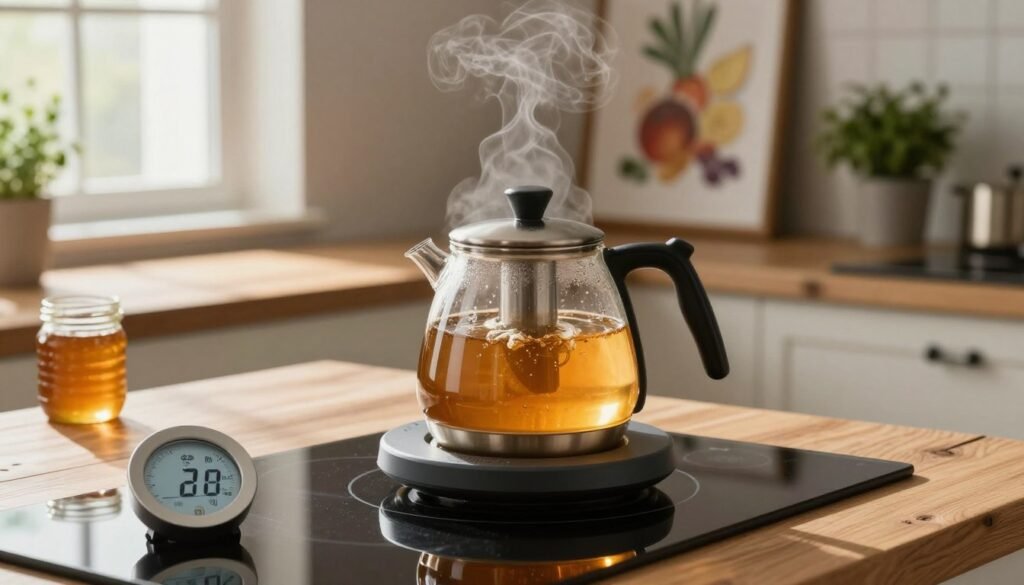
For a practical routine and troubleshooting tips, see this fix solidified honey guide.
Why Glass Containers Are Preferred
Glass jars give a clear view of the crystals and let you judge progress during gentle warming. This visual feedback saves time and reduces repeated opening.
The primary reason people pick glass is that it is non-reactive and won’t leach chemicals when warmed. That protects aroma and keeps flavor true to the original product.
Unlike a plastic vessel, a glass jar stands up well in a warm water bath or near a mild heat source. It is durable and heat-safe for most gentle methods used at home.
- Pure result: A glass honey container helps avoid synthetic contaminants that can alter taste.
- Safe warming: Glass works well with steady external heat and shows bubble and texture change.
- Practical: Choose clear glass for easy monitoring and reliable performance.
“Prioritizing a non-reactive container preserves aroma, color, and enzyme activity.”
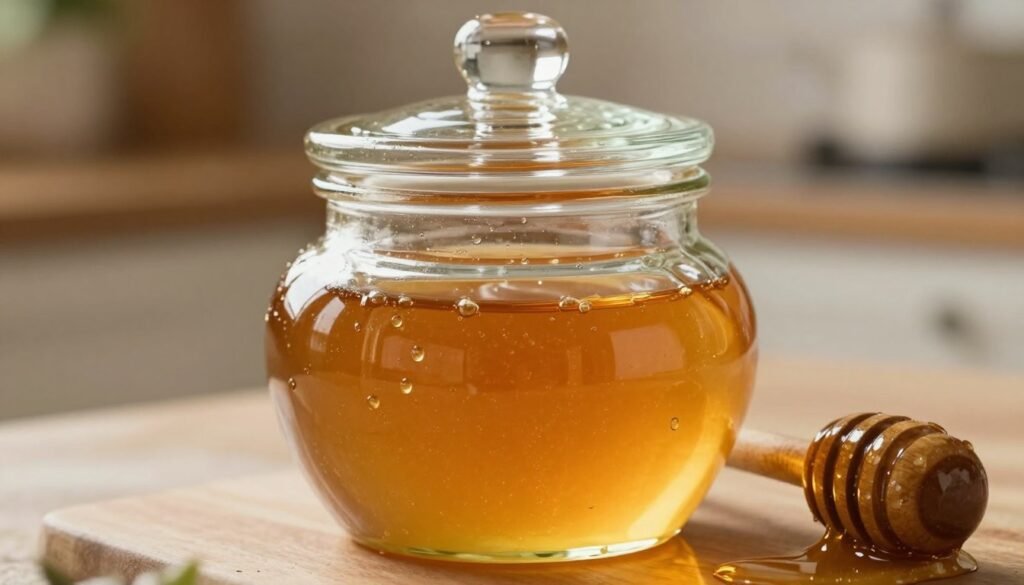
Common Mistakes to Avoid
Avoid shortcuts that seem quick but can permanently change texture or aroma.
Never add water directly to your jar. Adding water creates a syrup that ferments quickly. That makes the product unsafe and short-lived.
Do not heat in a plastic container. Plastic can leach chemicals when warmed and harm flavor.
Microwaves create hot spots and can destroy delicate enzymes. This heating method often ruins natural character.
- Repeat process only when needed. If the jar is still grainy after one run, repeat the gentle routine rather than raising temperature.
- Watch the sugar carefully. Overheating the sugar causes caramelization and permanent flavor loss.
- Choose a proper container for warmth—glass gives visual feedback and protects aroma.
“Slow, monitored warming protects taste and preserves beneficial compounds.”
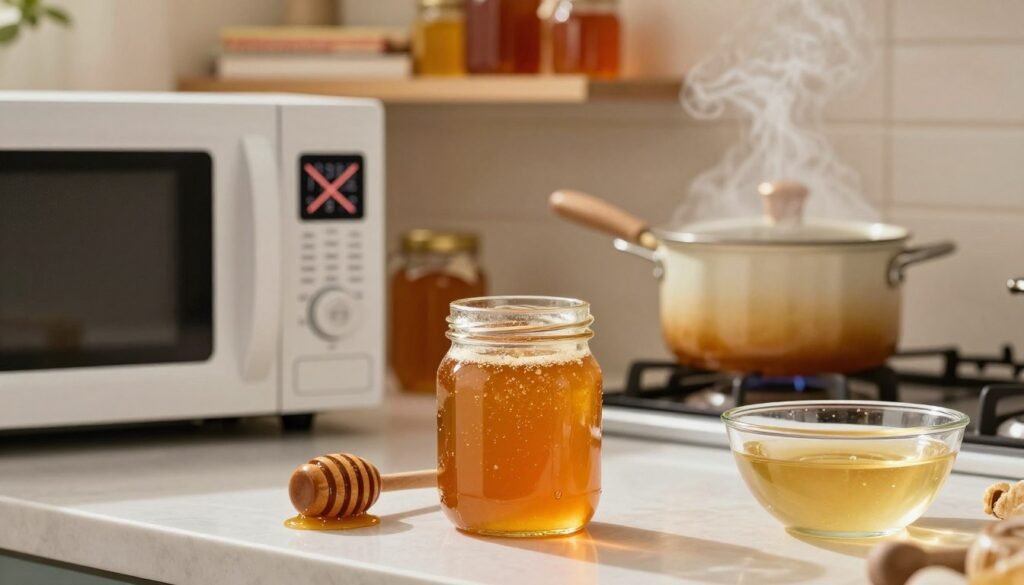
Risks of Overheating Your Honey
Excess warmth can strip a jar of its natural enzymes and soften the bright floral notes you expect from raw honey.
Keep temperature steady and modest. Crossing about 110°F denatures enzymes and lowers the product’s value.
High heat can also caramelize sugars. That change alters color and flavor and is often irreversible.
- Nutrient loss: Excessive heating reduces antioxidants and other nutrients that provide health benefits.
- Flavor change: Aggressive heat shifts aroma and sweetness through caramelization.
- Short exposure matters: Even brief overheating can cause lasting change.
Monitor with a thermometer and favor slow, steady warming over rapid spikes. Proper, gentle heating preserves both taste and benefits and keeps your jar nutrient-dense for family use.
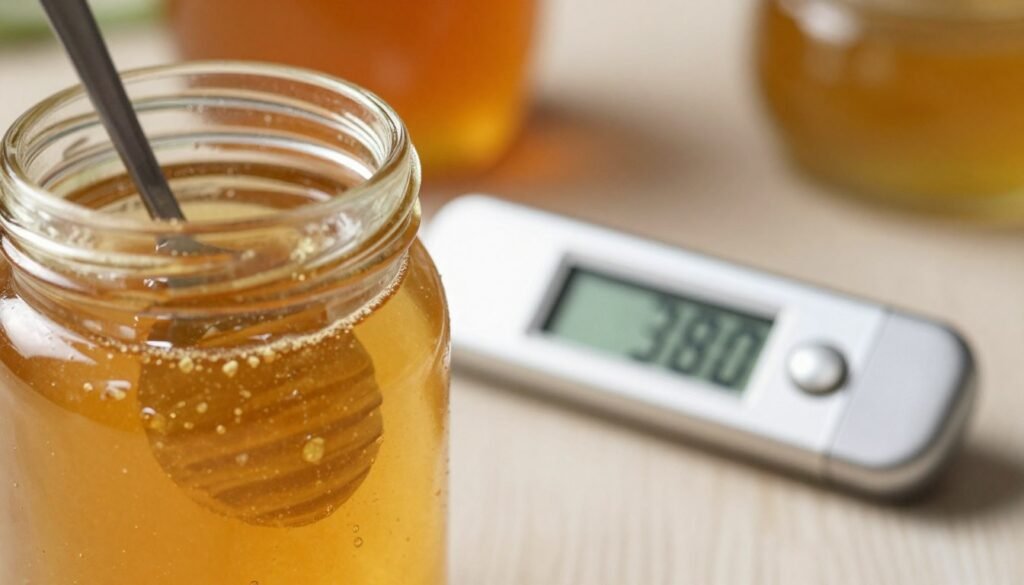
For stepwise routines and troubleshooting, see a practical de-crystallize safely guide and background on formation at why honey crystallizes.
Storing Your Honey to Prevent Future Crystallization
A dry, dark cupboard gives your jars the best chance of staying smooth for longer. Store small glass containers away from sunlight and heat. This slows the main reason crystallization starts: cool temperature swings.
Keep the lid tight. A secure seal stops humid air and stray water from changing texture. Moisture entering a jar speeds fermentation and shortens shelf life.
Place jars where temperature stays steady. Avoid the fridge and spots near ovens or windows. Let honey rest in a stable environment and it will remain usable for more time.
If your jar does crystallize again, repeat the gentle warming routine described earlier. That restores smooth texture and keeps natural benefits intact.
For safe handling and to help avoid contamination, review guidance on how to avoid contamination.
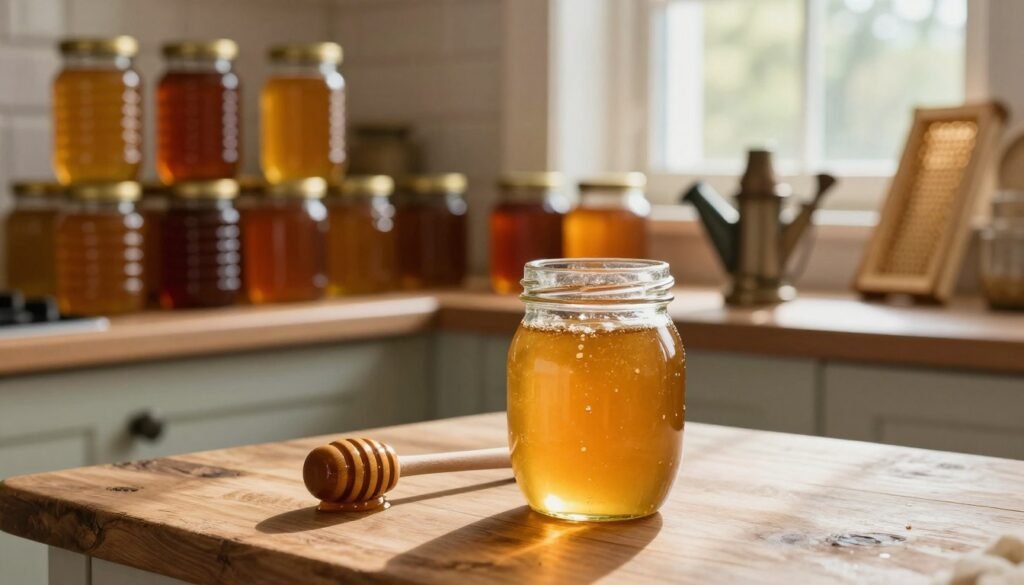
| Storage Factor | Recommendation | Reason |
|---|---|---|
| Location | Cool, dark cupboard | Reduces temperature swings that make honey crystallize |
| Container | Sealed glass jar | Non-reactive and easy to monitor |
| Humidity | Low, dry area | Prevents water entry and fermentation |
| Monitoring | Check every few months | Catch early set-up and rewarm gently if needed |
Conclusion
A calm, patient routine makes it simple to restore smooth flow while keeping flavor and natural benefits.
This short conclusion reminds readers that decrystallizing your jar of raw honey is a safe, effective process. Both creamy, crystallized honey and a clear, pourable result are fine for use and taste.
Use a gentle water bath or other low-heat options as a reliable method. Keep glass containers sealed, monitor temperature, and favor slow warming over rapid spikes.
Many people find this guide helpful for managing pantry jars and preserving texture, aroma, and health benefits. Choose the way that fits your needs and enjoy your supply with confidence.
FAQ
What causes honey to crystallize?
Honey crystallizes when glucose separates from water and forms crystals. The ratio of glucose to fructose, plus pollen, wax particles, and storage temperature, affects how quickly granules form. Cooler temperatures and unfiltered, raw products speed the process.
Is crystallization a sign of spoiled honey?
No. Crystallization often indicates minimal processing and high quality. It preserves natural enzymes, pollen, and flavors. Crystals are safe and reversible with proper warming methods that preserve nutrients.
What jar should I use before warming honey?
Use a clean glass container with a wide mouth. Glass withstands gentle heat, avoids plastic leaching, and lets you monitor texture. Transfer honey into the jar if the original container is plastic or damaged.
Can I use tap water for a warm water bath?
Yes. A warm water bath using tap water is effective and safe. Keep water below 110°F (43°C) and ensure the jar is sealed to prevent water entering. Stir occasionally until smooth, then cool and store.
Is boiling water safe for restoring texture?
Avoid direct boiling. Pouring boiling water over a sealed jar risks overheating and degrading flavor and enzymes. Instead, allow boiled water to cool to the recommended temperature before using a bath.
What temperature range preserves honey quality?
Maintain a gentle warmth between 95–110°F (35–43°C). This range dissolves crystals without breaking down beneficial enzymes or altering aroma. Use a thermometer or sous vide for reliable control.
How does sous vide compare with a water bath?
Sous vide offers precise temperature control for longer, gentle warming—ideal for preserving delicate properties. A warm water bath is simpler and effective for short sessions when you monitor temperature closely.
Can radiant heat sources like a radiator or oven help?
Radiant heat can work but is less consistent. Keep jars off direct heat and maintain moderate, steady warmth. Avoid ovens set above the safe temperature range and never place sealed jars on hot elements.
How long should I warm a jar of honey?
Times vary by crystal size and jar volume. Small jars may smooth in 20–30 minutes at the recommended temperature, while larger or heavily crystallized jars may need several hours. Check periodically and stir gently if needed.
Is stirring during warming necessary?
Gentle stirring helps redistribute heat and dissolve crystals faster. Use a clean, dry utensil. Avoid introducing water or excessive air which can encourage fermentation or affect shelf life.
What are common mistakes that harm honey?
Common errors include overheating above 110°F (43°C), using direct flame or microwave, warming in plastic containers, and allowing water into the jar. These can reduce flavor, aroma, and beneficial enzymes.
How often can I warm honey without losing quality?
Limit repeated heating. Each session risks incremental loss of heat-sensitive compounds. If honey re-crystallizes, use gentle, controlled warming and store properly to reduce frequency.
How should I store honey to slow crystallization?
Store in a sealed glass jar at stable room temperature, ideally between 60–70°F (15–21°C). Keep it away from direct sunlight and moisture. Avoid refrigeration and wide temperature swings.
Are some varieties less likely to crystallize?
Yes. Honeys higher in fructose, such as acacia and tupelo, resist crystallization longer. Clover and canola tend to crystallize faster. Raw, unfiltered honey with pollen crystallizes more readily but retains more nutrients.
Can adding liquid speed re-liquefaction?
Do not add water or other liquids. Introducing moisture risks fermentation and spoilage. Use controlled warming methods instead; they dissolve crystals without changing moisture content.
What indicates overheating has occurred?
Signs include a dulled aroma, noticeably flatter taste, darker color, or very runny texture. Overheated honey may also lose some of its natural floral notes and enzymes that contribute to health benefits.