American foulbrood (AFB) is a notifiable, infectious disease that attacks honey bee larvae and pupae. This condition has no cure, so early action is vital to protect nearby colonies and the broader apiary.
During routine inspection look for clear symptoms: sunken caps, discolored larvae, or a foul odor from the comb. Spores survive for decades, so containment and strict order of operations are essential when an infected colony is found.
Beekeepers must avoid illegal use antibiotics, which can mask signs and complicate testing. Instead, contact an apiary officer for accurate information and guidance on testing equipment and next steps.
Key Takeaways
- American foulbrood targets larvae and pupae and has no effective cure.
- Early detection and isolation are the best defenses for your hives.
- Avoid antibiotics; they can hide symptoms and breach regulations.
- Report unusual signs and follow official guidance via the reporting page.
- Proper comb and brood management reduces long‑term risk in the apiary.
Understanding the Risks of Bee Diseases
The most serious risk to an apiary comes from dormant spores that survive extreme conditions.
The Threat of Spores
The Threat of Spores
AFB spores resist heat, cold, and time. They can remain in comb or equipment for decades and spark new infections when brood conditions change.
Impact on Colony Health
Impact on Colony Health
When a colony weakens, the whole group loses productivity quickly. Losses often spread across neighboring colonies when spores move on tools, frames, or bees.
- The primary threat is spore resilience; dormant spores can wait in brood for years.
- Antibiotics like oxytetracycline cannot kill dormant spores and are not a reliable treatment.
- Managing brood health and hygiene is crucial to protect colonies and equipment.
Research from USDA sources highlights that routine inspection and strict equipment control reduce long‑term risk and help keep apiaries productive.
Recognizing Symptoms of American Foulbrood
Watch frames closely during inspections; subtle signs reveal serious brood infections.
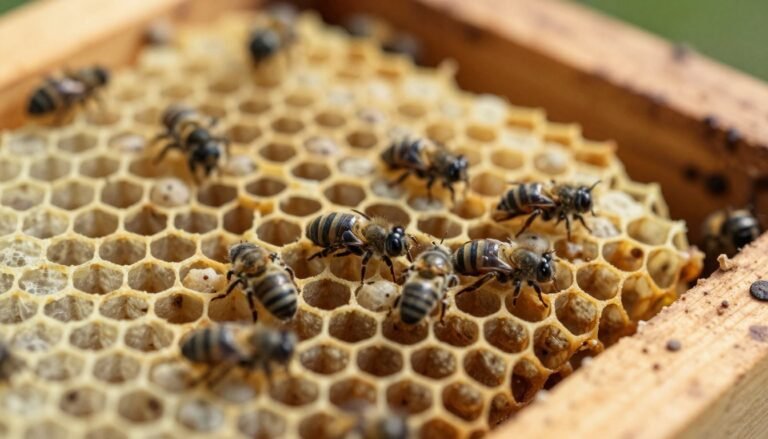
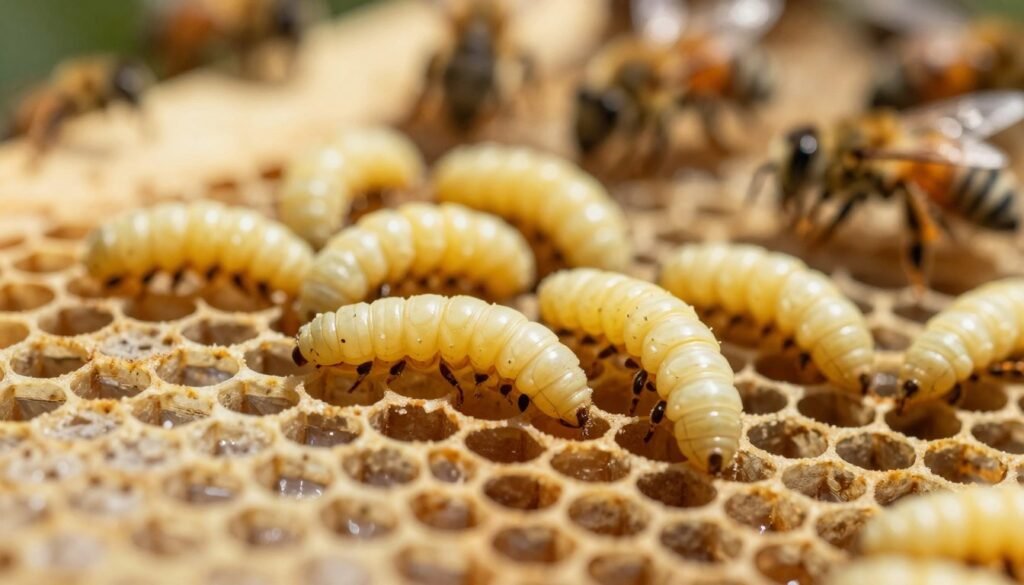
american foulbrood often shows first in the brood pattern. Infected larvae lose their pearly white color and turn light brown or coffee brown. Look for an uneven brood layout across frames; this irregular brood pattern signals that the colony is under stress.
Check individual brood cells for sunken or perforated caps. These caps often indicate the larva inside has died from the disease.
Pupae and remaining larvae in affected brood cells will decay. That decay can leave a sticky, foul odor and a brown, ropy mass that spreads spores easily.
- Sunken caps on cells are a key sign of infection.
- Color shift from white larva to light brown or coffee brown is diagnostic.
- Perforated caps and irregular brood patterns suggest serious foulbrood involvement.
- If you find these signs, arrange diagnostic testing promptly to confirm presence of spores.
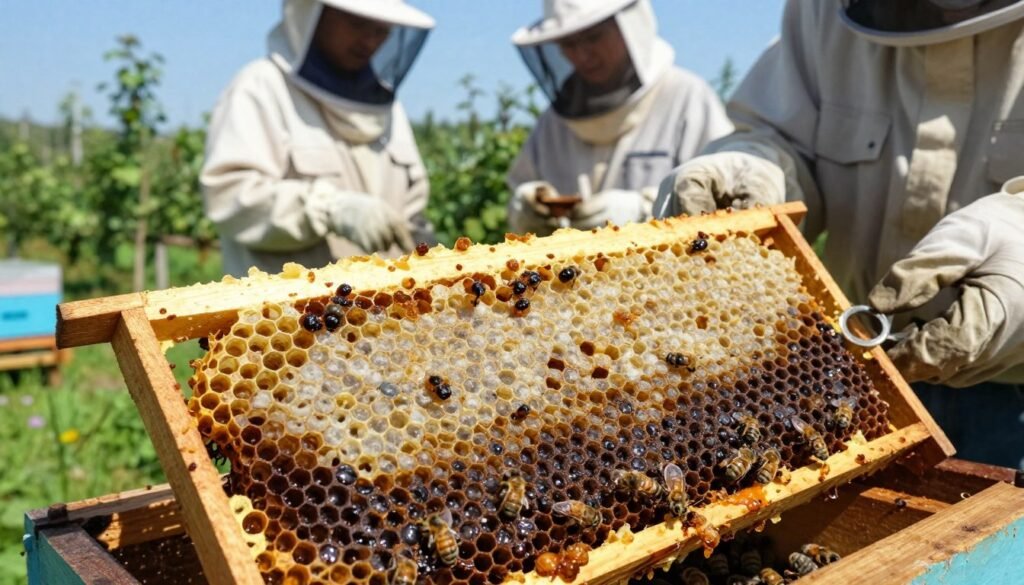
How to Quarantine a Suspect Diseased Hive
Start by securing the affected stand and any nearby equipment until definitive testing is complete.
Restrict movement of bees and gear immediately. Stop transferring frames or tools between colonies. Even brief contact spreads spores and endangers brood in healthy boxes.
Physically isolate the unit several meters from other hives and mark the area. Close gates and limit human traffic in the apiary so robber bees cannot enter and carry spores back to your colonies.
- Keep frames in their original boxes; do not move brood frames between colonies.
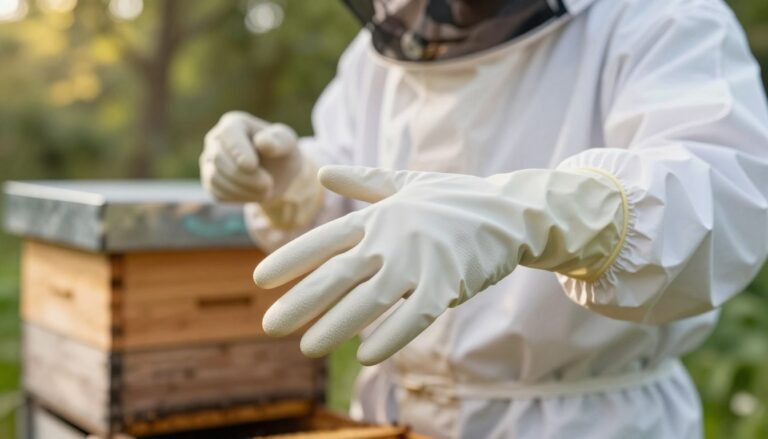
- Use dedicated tools and clean protective gear after contact; consider single-use disposables for inspections.
- Secure entrances and apply robber-control measures while samples are sent for testing.
For official steps and reporting, consult local guidance via this apiary disease page. For equipment care after loss, review recommended cleaning methods on this foundation cleaning guide.
Immediate Steps for Hive Isolation
When bees stop flying, the first isolation step is to seal the entrance securely. This prevents robber bees from entering and limits any bee traffic that can move spores between colonies.
Closing Hive Entrances
Block the opening after most foragers have returned. Use a secure, breathable cover that prevents escape but avoids heat buildup.
Seal carefully: a small gap can allow robbers in or put the remaining colony at risk.
Preventing Robber Bees
Once sealed, consider humane euthanasia for the colony inside to stop infected larvae from producing more spores. Follow local rules and guidance from Agriculture Victoria for approved methods.
- Keep the brood nest isolated. Even a few bees can carry enough spores to infect nearby colonies.
- Watch hives closely for robbing attempts and act immediately to secure the yard.
- Use barrier methods and limit foot traffic near affected stands.
For details on identifying robbing behavior and early signs, consult this resource: robber behavior guide.
Conducting the Matchstick Test for Diagnosis
One practical field test detects ropy, light brown larval remains that signal serious brood infection.
Use a clean stick or match to probe individual brood cells gently. Insert the stick into the cell and pull straight up.
If the decayed larva stretches out in a ropy strand up to 30mm or more, this is a strong indicator foulbrood is present.
Take care with the used stick. Do not leave it exposed in the yard because it can carry spores and contaminate other bee equipment or colony entrances.
- Perform the test only on suspect brood cells and wear dedicated gloves for inspections.
- Record findings and limit movement of frames after testing to reduce spread within the hive.
- The matchstick test gives quick field evidence of symptoms before laboratory confirmation.
If results suggest infection, contact an apiary officer for next steps and lab testing rather than attempting unverified treatments.
Utilizing Laboratory Services for Honey Testing
Professional labs detect spores and early infections that field checks can miss. Sending samples gives beekeepers objective results that guide management and legal reporting.
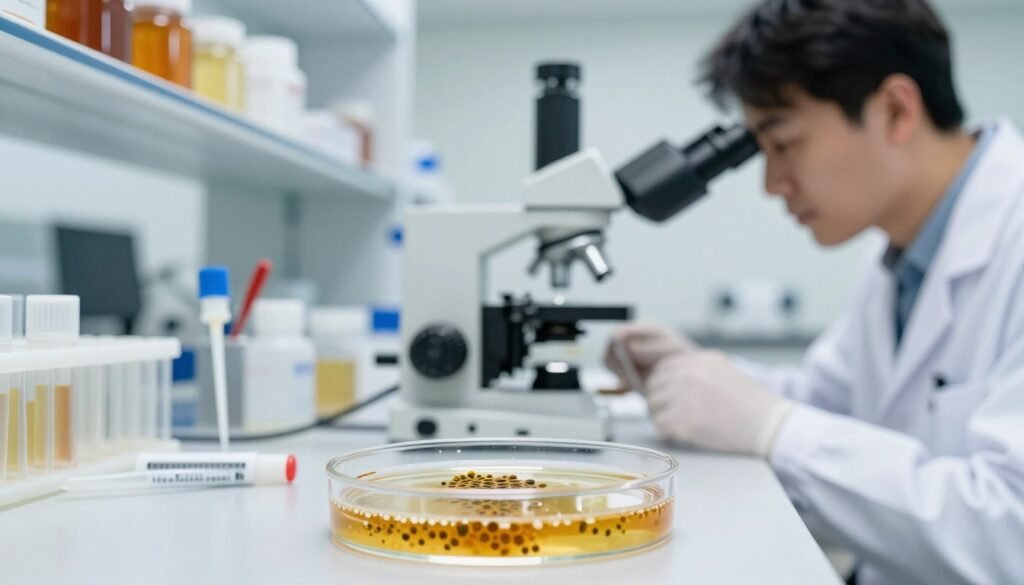
Submitting Larval Smears
Prepare smears carefully. Use a clean matchstick to remove a suspect larva from its cell, then gently smear the material onto a labeled glass slide. Label each slide with date, apiary location, and colony ID.
Package samples in clean, sealed containers and avoid contaminating combs or honey. Contamination can cause false negatives or positives and waste lab time.
- Gribbles Veterinary Pathology accepts larval smears and honey samples for detection of afb spores and other infections.
- Honey culture tests (HCTs) can reveal early infection before brood cells show clear signs.
- Beekeepers are responsible for test fees; budget for analysis when planning apiary care.
| Sample Type | Purpose | Typical Turnaround |
|---|---|---|
| Larval smear | Direct detection of spores in brood cell material | 3–7 business days |
| Honey culture test | Early screening for afb spores across hives | 5–10 business days |
| Comb sample | Confirm presence of spores in stored combs | 5–14 business days |
Confirm accreditation. Agriculture Victoria accepts results from any NATA‑accredited laboratory; check their information page for guidance on valid labs and reporting.
Finally, keep clear records of tests and results. That information helps protect the queen, brood, pupae, and nearby hives and supports sound decisions if infections are found.
The Role of Apiary Officers in Disease Management
Apiary officers act as the primary contact for disease response and legal guidance in an affected yard. They offer clear information during an inspection and help owners meet reporting obligations.
These trained professionals assess colonies and decide if a destruction order or sterilization is necessary. They also advise about the queen and the overall health of each hive.
Working with an officer reduces guesswork and risk. Officers follow current science and federal guidance. They protect nearby bee groups and assist with safe handling of equipment.
“Contact your local apiary officer promptly; their assessment protects your yard and the wider community.”
- Officers inspect frames and give documented findings.
- They explain legal steps and approved control measures.
- They offer referrals for testing, disposal, or sterilization services.
| Role | Action | Benefit |
|---|---|---|
| Apiary officer | Conducts on‑site inspection | Accurate diagnosis and official record |
| Field veterinarian | Advises on colony health | Preserves queen and brood where possible |
| Regulatory staff | Orders destruction or sterilization | Limits spread across hives and apiary |
Understanding Legal Notification Requirements
american foulbrood is a notifiable disease under the Livestock Disease Control Act 1994.
If you find signs that suggest infection, state law requires prompt notification. Contact the Customer Service Centre at 136 186 for immediate guidance and reporting.
Reporting protects neighbouring colonies and helps authorities track and contain spread across the apiary. Failure to report can lead to enforcement action and serious consequences for your operation.
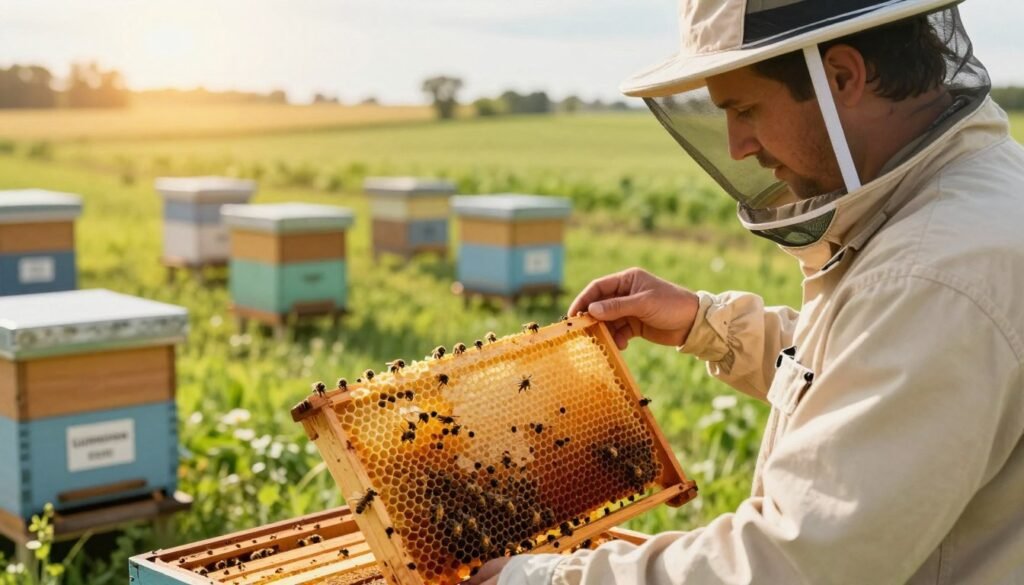
An officer will record the details you provide and outline legal steps. They will explain testing, movement restrictions, and any required treatments or disposal measures.
| Requirement | Action | Contact |
|---|---|---|
| Notify suspected infection | Call and provide location details | Customer Service Centre: 136 186 |
| Provide sample info | Follow officer instructions for testing | Local apiary officer (via state portal) |
| Follow legal directions | Comply with movement and disposal orders | Regulatory staff |
Keep clear records of reports and actions taken. Accurate information speeds response and reduces risk for other hives in your region.
Evaluating Options for Infected Hive Equipment
Decisions about contaminated kit influence long‑term apiary health and legal compliance.
Destruction is often the final, effective pathway when contamination is confirmed.
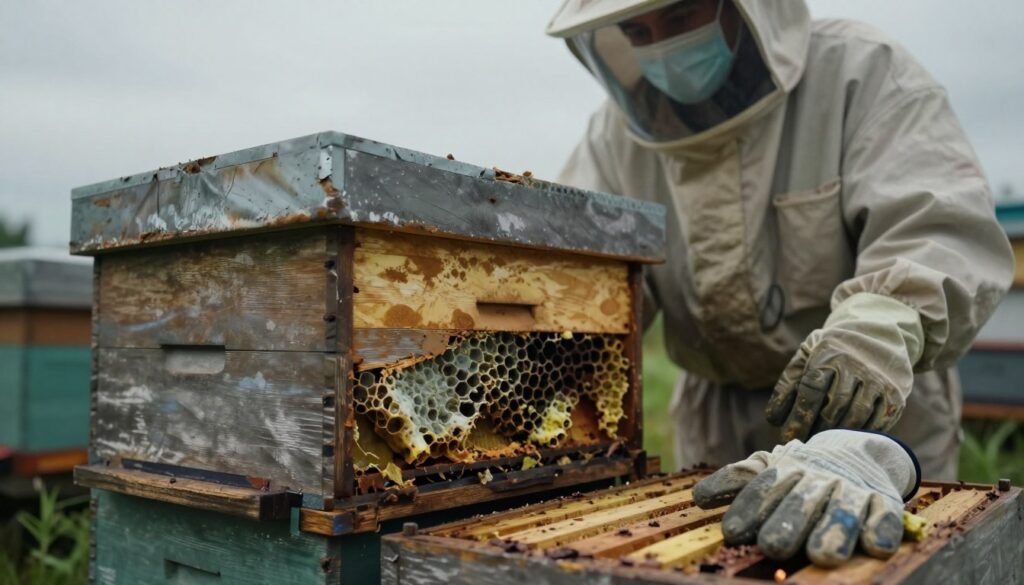
Destruction Protocols
When an official order requires removal, close the entrance and render the colony non‑viable under officer guidance. Burning or approved sterilization eliminates the risk of persistent spores.
All combs, frames, and accessories that cannot be irradiated must be destroyed. This includes brood cells and the queen if they are part of contaminated components.
- Never attempt chemical treatment with antibiotics; use antibiotics is illegal and fails against dormant spores.
- Follow an apiary officer’s instructions for on‑site destruction and documentation.
- Keep records of disposal, dates, and samples for legal compliance and tracking.
“Destruction of contaminated equipment is the only reliable way to stop re‑emergence in following seasons.”
| Option | What is destroyed | When it applies |
|---|---|---|
| Burning | Combs, frames, boxes, entrenched brood | Confirmed american foulbrood or when irradiation unavailable |
| Irradiation | Frames, combs, some equipment | Approved facilities accept items that are otherwise salvageable |
| Controlled disposal | Small tools, protective gear, contaminated honey | When ordered by regulatory staff after assessment |
Beekeepers must comply with the legal process and seek clarification before action. For practical hygiene guidance, review official protocols here: apiary hygiene guidelines.
For recovery planning and prevention, read prudent steps for comb care on this resource: preventing comb infection.
The Process of Gamma and X-ray Irradiation
Modern radiation treatments neutralize persistent spores that resist chemical methods.
Gamma and X-ray irradiation target DNA in spores and render them noninfectious without burning every frame. Professional plants treat frames, combs, and metal gear so usable parts can return to service safely.

Steritech Pty Ltd operates facilities in Victoria and Queensland that accept contaminated equipment for sterilization. For many beekeepers this service preserves combs and queen excluders that would otherwise be lost.
- Safe, professional sterilization: gamma and X-ray kill afb spores on combs and metal parts.
- Cost and logistics: factor transport and handling when you consider treatment options.
- Condition matters: heavily damaged brood or larvae‑eaten combs may not be salvageable.
“Confirm preparation rules with your provider and follow their packing instructions.”
Seek current information from the irradiation service before shipment. This treatment offers a credible alternative to destruction and avoids improper use of antibiotics that mask infection.
Managing Honey Extraction Risks
Even a small jar of contaminated honey can introduce spores across your apiary. Honey drawn from frames near infected brood or larvae may carry resilient spores that survive storage and handling.
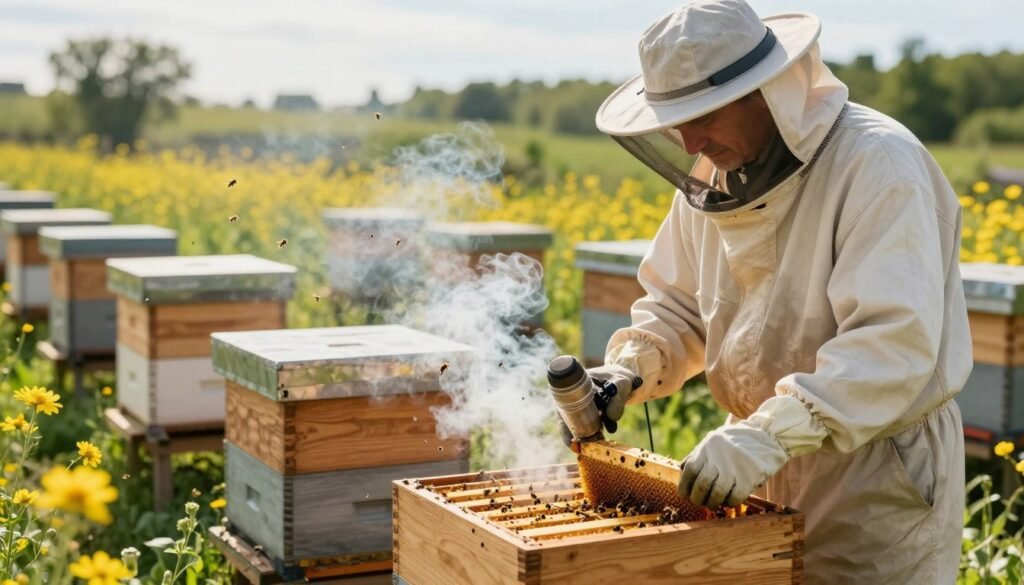
If there is any sign of infected afb in the colony, stop extraction immediately. Halt all processing and isolate extracted product until an apiary officer advises on safety and lab testing.
Extraction equipment can spread spores widely. Buckets, strainers, pumps, and combs must be treated as contaminated after contact with affected cell areas.
- Do not mix honey from different sources during a suspected infection event.
- Consult the apiary officer before selling or consuming honey from piles where brood or larvae showed signs.
- Follow approved sterilization or disposal steps for combs and tools; improper treatment or antibiotics mask presence of disease and increase risk.
Implementing Barrier Management Practices
Create dedicated zones for brood gear so moving equipment never crosses colony lines. This simple step lowers the risk of disease spreading across your apiary. Barriers reduce accidental contact from tools, frames, and clothing.
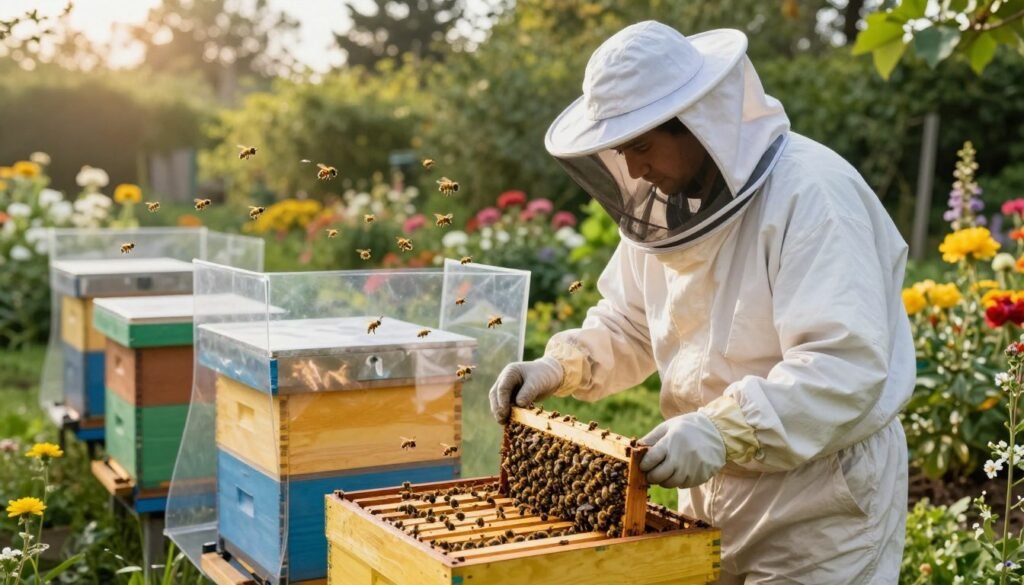
Keep each stand supplied with its own toolset and protective wear. Store spare frames and queen equipment separately. By isolating queen and brood items you limit cross‑contamination between hives.
Carry out regular inspection of barrier points and storage. Check that cabinets, benches, and marked zones remain clean and orderly. Repair or replace any broken screens or seals promptly.
Practical benefits:
- Reduces spread of pathogens during routine work.
- Preserves colony strength and supports steady honey yields.
- Makes inspections safer and more consistent for every beekeeper.
| Measure | Action | Benefit |
|---|---|---|
| Dedicated toolkits | Assign kit per stand | Limits transfer of spores |
| Separate storage | Lockable bins for brood gear | Reduces accidental mix‑ups |
| Entrance control | Physical screens and signage | Prevents robbing and contact |
Follow official guidance when designing your system. Use the biosecurity plan for practical layout ideas: apiary biosecurity plan.
“Barrier management is a simple, powerful way to protect your investment and keep colonies productive.”
Long-term Apiary Health Monitoring
Keep a consistent calendar and inspect every stand at four‑week intervals to spot early brood problems.
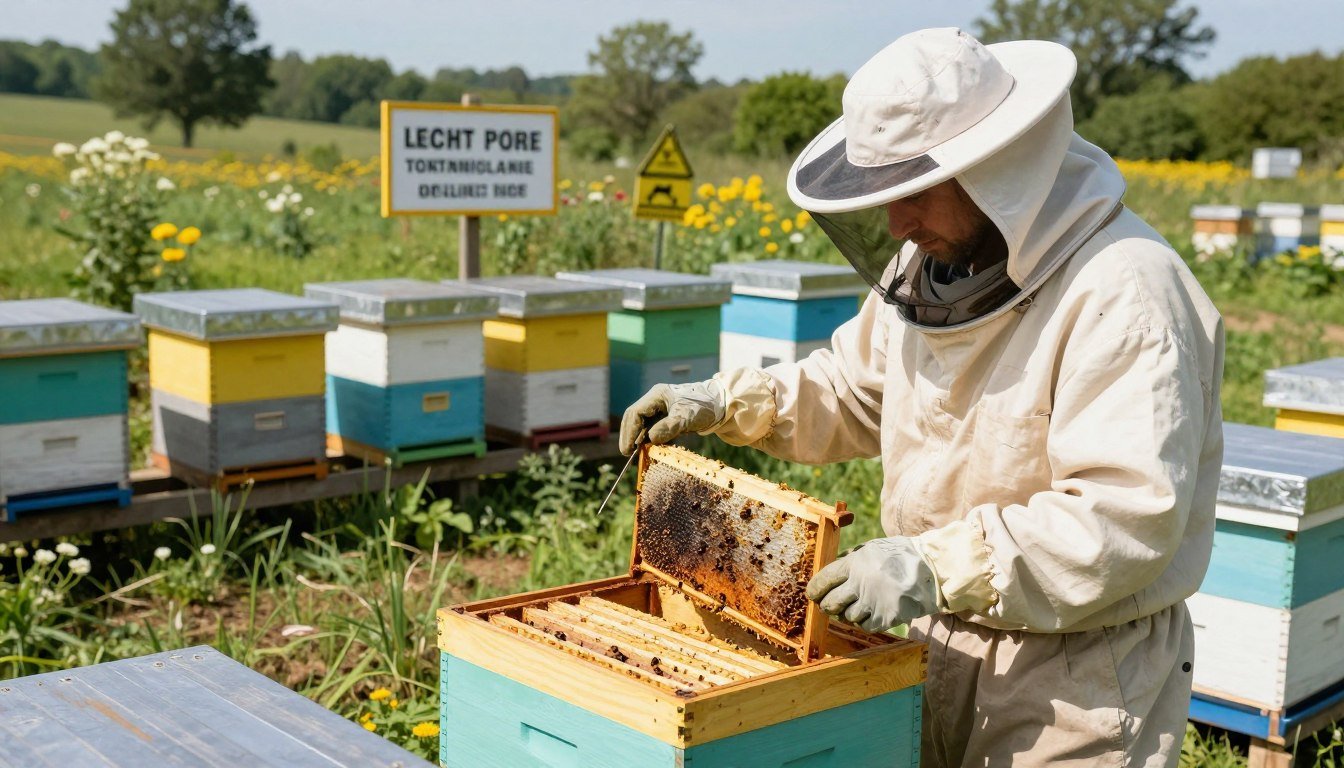
Regular inspection schedules are the backbone of sound beekeeping. Check each set of hives every four weeks and note brood pattern, queen presence, and any unusual cell or comb changes.
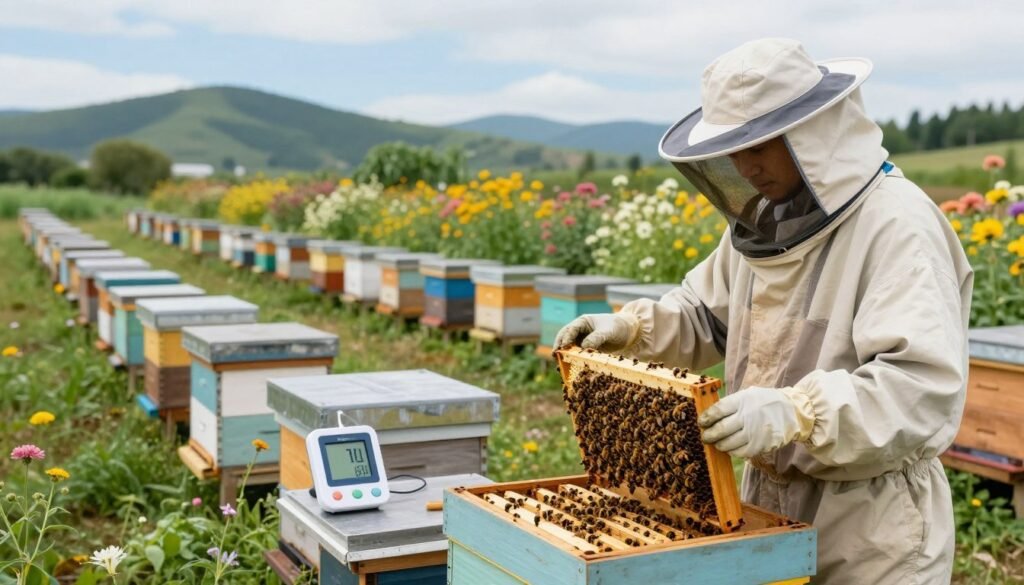
Regular Inspection Schedules
Every beekeeper should keep clear records after each inspection. Short notes on brood condition and queen performance make trend spotting simple.
Even after treatment, remain watchful. Foulbrood has no permanent cure in colonies, so follow up tests matter.
- Inspect all remaining hives every four weeks for signs of infection.
- Send honey samples periodically to a lab to monitor spore load.
- Track combs and queen health so small infestation events do not become catastrophic.
“Consistent checks and careful records are the best defense against resurging infections.”
Use this information to refine maintenance plans and share reports on the apiary page recommended by local authorities. A steady schedule protects yields and keeps your operation compliant and resilient.
Conclusion
Consistent care and recorded checks are the backbone of responsible beekeeping. Keep short, regular inspections and note any unusual symptoms promptly.
Act quickly: report concerns to local apiary officers and follow their instructions for legal notification and safe handling.
There is no cure for American foulbrood, so strict quarantine and careful equipment management remain the most reliable defenses. Protect your honey bee colonies by isolating affected stands, securing tools, and using approved sterilization or disposal pathways.
Stay informed, keep clear records, and commit to best practice. These steps help safeguard your operation and preserve long‑term productivity.
FAQ
What immediate signs indicate American foulbrood in a colony?
Look for sunken, perforated brood cappings, patchy brood patterns, and larvae that become stringy or ropy when probed. Infected brood often turns light brown then darkens, and a foul odor may be present. Check for presence of dead brood that sticks to a matchstick when pulled out.
Why are spores such a serious threat to apiaries?
Spores of Paenibacillus larvae survive for decades in comb, equipment, and honey. They resist heat and many disinfectants, spread easily via tools, robbing bees, and contaminated frames, and can infect healthy colonies with tiny doses.
Which colony-level impacts should a beekeeper expect with an outbreak?
Expect reduced brood production, fewer workers, increased winter losses, and weakened pollination performance. Affected colonies may collapse within weeks to months if not managed, and nearby hives face higher infection risk.
What steps are recommended for immediate isolation of an infected unit?
Move the unit away from healthy apiaries if possible, clearly mark it, reduce the entrance, and limit all manipulations. Use dedicated protective gear and tools, and avoid sharing frames, supers, or equipment between sites.
How should entrances be managed to reduce spread?
Narrow entrances to restrict traffic and robbing, and position the box so returning foragers can orient without visiting nearby colonies. Do not seal completely; maintain ventilation and allow bees to fly while limiting access by other bees.
What practices prevent robber bees from carrying infection between colonies?
Feed colonies away from infected units, remove exposed honey, reduce entrances on vulnerable hives, and schedule inspections during peak foraging to minimize robbing events. Use robber screens if needed.
How does the matchstick test work and what does it show?
The matchstick test probes suspect brood. If larval material pulls into a sticky, glutinous thread, foulbrood bacteria are likely present. This field check helps decide whether to collect samples for lab confirmation.
When should laboratory testing be used for confirmation?
Submit samples when field signs are ambiguous or for legal reporting. Labs perform bacterial culture, PCR, or microscopy on larval smears and honey. Official confirmation guides regulatory action and treatment choices.
What samples do labs prefer for diagnosis?
Provide fresh, affected larval tissue or brood comb pieces and small honey samples in clean, labeled containers. Follow your state apiary inspector’s instructions for chain-of-custody and transport to ensure valid results.
What role do state apiary officers play in managing infections?
Apiary officers inspect suspected outbreaks, collect diagnostic samples, advise on legal duties, and enforce regulations. They help coordinate control measures and can recommend eradication, treatment, or movement restrictions.
Are beekeepers legally required to report foulbrood?
Many U.S. states mandate notification of American foulbrood. Reporting enables coordinated control and protects regional beekeeping. Contact your state Department of Agriculture or local apiary program for specific obligations.
What are options for contaminated equipment once infection is confirmed?
Destroy heavily contaminated comb and frames by burning where allowed or use approved sterilization like gamma irradiation. Salvageable equipment can be sterilized using heat methods or professional irradiation services.
How do gamma and X-ray irradiation help manage infected gear?
Irradiation penetrates comb and equipment to inactivate spores without melting plastic. Commercial facilities offer services that neutralize Paenibacillus larvae spores, allowing safe reuse of comb and woodenware when regulations permit.
What precautions should be taken during honey extraction from exposed colonies?
Avoid extracting honey from infected or suspect supers. Contaminated honey can spread spores via feeding or sale. Use clean, dedicated extraction equipment and consider laboratory testing before processing any suspect honey.
Which barrier management practices reduce disease spread across an apiary?
Implement distance between yards, maintain separate tool sets, label equipment, control apiary access, and establish strict sanitation routines. Rotate inspection schedules to limit cross-contamination and require wash stations for visitors.
How often should inspections occur for long-term colony health monitoring?
Inspect at least every 7–14 days during the active season, with more frequent checks during nectar flows or after detecting problems. Regular monitoring catches early signs, improves response times, and supports strong queen and brood health.