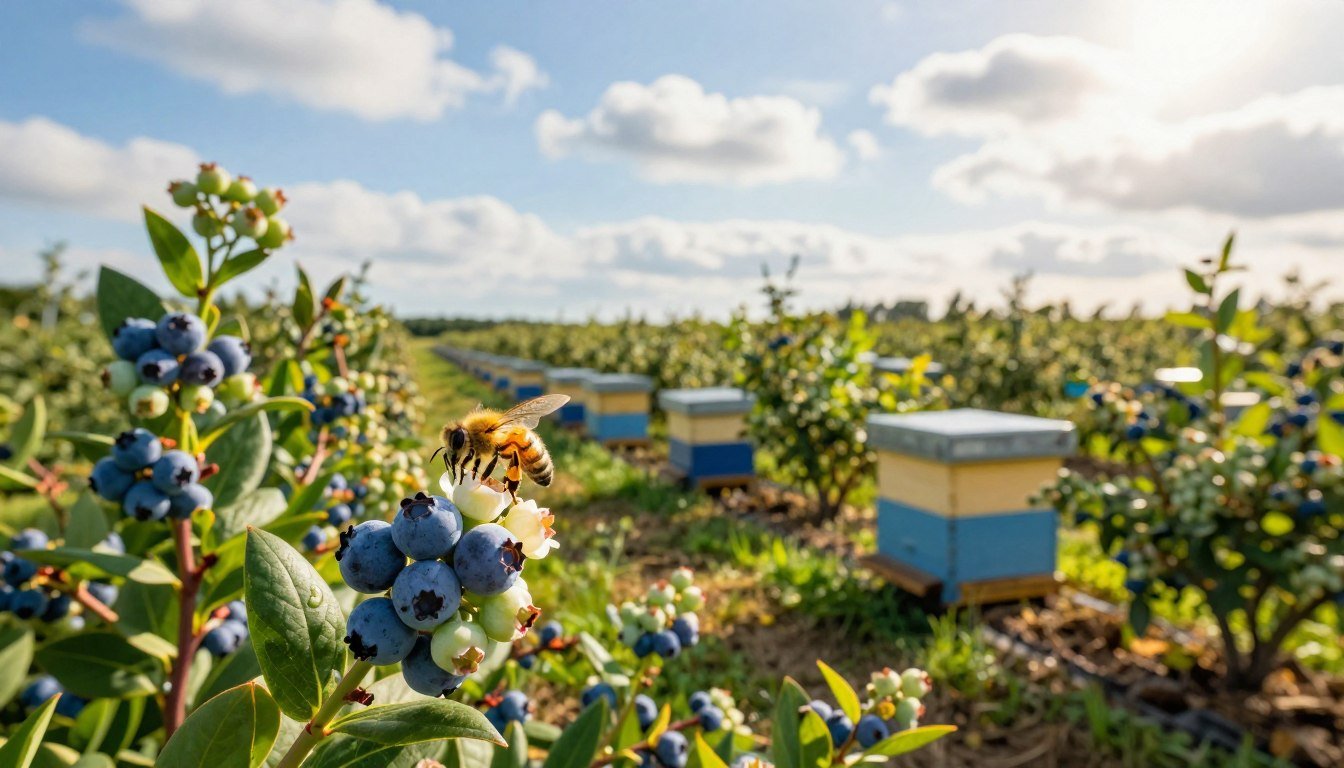
Healthy bees and clear plans are central to a strong harvest. Growers who manage bee colonies well see bigger, more uniform berries and better returns.
Research from Michigan State shows that effective pollination drives berry size and quality. Farm teams who work closely with beekeepers keep colonies strong during bloom. This ensures a steady flow of bees across fields when flowers are receptive.
This short guide gives practical information for blueberry growers. It covers hive care, timing, and field coordination so growers can protect their investment in pollination services. Follow clear, farm-specific steps to support both managed colonies and native pollinators.
Practical action and good communication help farms reduce risks from pesticides and stress. With consistent attention to colony health, growers can unlock the full production potential of their fields.
Key Takeaways
- Prioritize honey bee health to improve berry set and size.
- Coordinate with beekeepers to keep colonies strong through bloom.
- Effective pollination is the main driver of higher yields.
- Use farm-specific guidance to protect pollination investments.
- Combine managed hives and native pollinators for best results.
The Importance of Pollination for Blueberry Yields
Without steady visits from active bees, many flowers never develop into full-size fruit. Pollination is often the most limiting factor in wild production systems, and it determines final berry weight and quality.
Each blossom may need about three honey bee visits to receive enough pollen for maximum growth. Highbush fields can have up to 10 million flowers per acre, so the scale of the task is immense.
Well-timed pollination releases hormones in fertilized seeds that drive berry expansion. Managed colonies act as an insurance policy when wild pollinators are scarce.
“Growers who prioritize pollination see more consistent fruit set and higher yields.”
- Three visits per flower increases the chance of full-size fruit.
- Sufficient numbers of bees in the field during bloom are essential.
- Timing and consistency of visits matter as much as bee numbers.
| Factor | Impact | Action |
|---|---|---|
| Visit frequency | Sets seed number and berry size | Ensure active honey bees during bloom |
| Flower density | Higher demand for pollinators | Adjust stocking or supplement wild pollinators |
| Timing | Consistency improves fruit set | Coordinate with beekeepers and use guides |
For practical steps, see the pollinator stewardship guide and consider renting bees for services when native pollinators are low.
Understanding Honey Bee Biology and Foraging Behavior
Understanding how a honey bee colony operates helps predict where and when crops get visited. A colony acts as a single, complex unit: individual bees work together to keep the group alive.
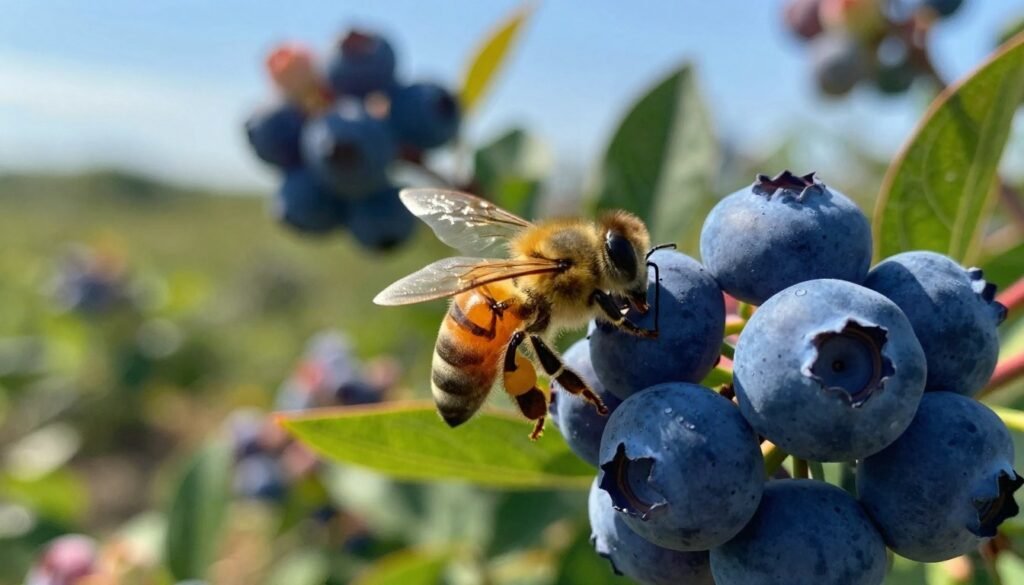
Honey Bee Foraging Patterns
Foraging bees usually range about 2 miles from their hive and can cover thousands of acres. This wide reach means one colony can serve many fields in a single day.
When resources are plentiful, foragers focus on nearby blossoms. If local blooms thin out, bees travel farther to collect nectar and pollen.
The Role of Worker Bees
Worker bees change roles as they age. Younger workers clean cells, feed brood, and care for the queen.
Older workers become foragers and bring back water, nectar, and pollen that sustain the colony and produce honey. The number of frames covered with bees is a simple way to estimate colony strength and likely field impact.
“Healthy colonies with a steady workforce deliver reliable visits that support better fruit set and crop quality.”
- The colony functions as a superorganism—individual health affects the whole group.
- Role shifts keep the hive balanced and ready for bloom periods.
- Pesticide losses of foragers force younger bees into early foraging, stressing the colony.
Practical tip:monitor frames and worker activity to predict when your fields will receive the most visits from bees.
Developing a Comprehensive Blueberry Pollination Hive Placement Strategy
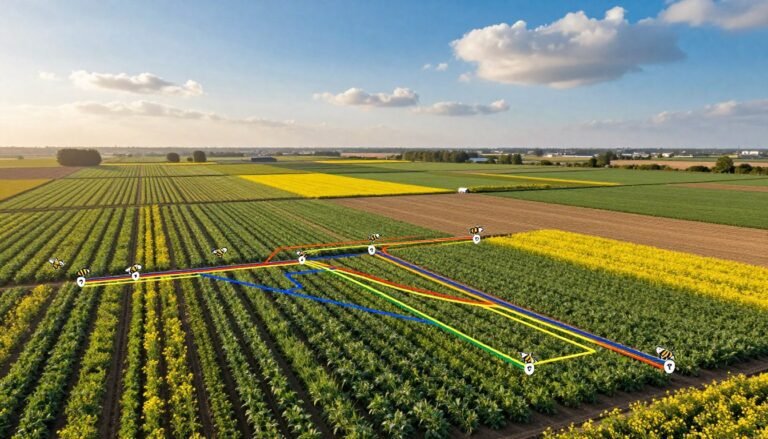
Thoughtful positioning of honey bee colonies can raise visit rates and even out fruit set in every block. Start by matching locations to your cultivars’ bloom timing and flower density. Different varieties need different visit patterns, so map fields by cultivar before hives arrive.
Set clear expectations with your beekeeper. Use a written contract that states the number of strong colonies, delivery dates, and who checks colony strength during bloom. This reduces misunderstandings and protects both parties.
Sheltered sites near the field edge help hives warm earlier and get foragers working at first light. Place hives so bees are encouraged toward the field interior rather than flying out to competing blooms.
“A strong colony with steady foragers provides more consistent visits than several weak colonies.”
- Map fields by cultivar, size, and nearby floral competitors.
- Agree on colony strength, delivery timing, and monitoring duties in a contract.
- Choose sheltered, accessible spots that favor interior foraging.
| Consideration | Why it matters | Grower action | Beekeeper role |
|---|---|---|---|
| Cultivar bloom window | Determines timing of peak visits | Schedule deliveries to match bloom | Deliver colonies on agreed dates |
| Colony strength | Stronger colonies give more foragers | Require minimum frames of bees in contract | Maintain colony health before delivery |
| Shelter and sun | Helps hives warm and start earlier | Select wind-protected, sunny edges | Place equipment for safe access |
| Field access | Affects monitoring and management | Ensure beekeepers can reach hives | Provide clear access and timing |
For additional practical guidance, review the pollinator stewardship guide to align your written agreement with best practices.
Determining Optimal Stocking Densities for Your Fields
Choosing the right number of colonies starts with measuring how many flowers a field produces and how many bees are already working it.
A common rule of thumb is 2–3 hives per acre for commercial blueberry blocks. In large fields with few wild bees, growers in Maine sometimes use up to 5 hives per acre to protect yield.
Colony quality matters more than count. One strong hive with about 30,000 workers can outperform several weak colonies. Ask your beekeepers to verify frames of bees and overall strength before delivery.
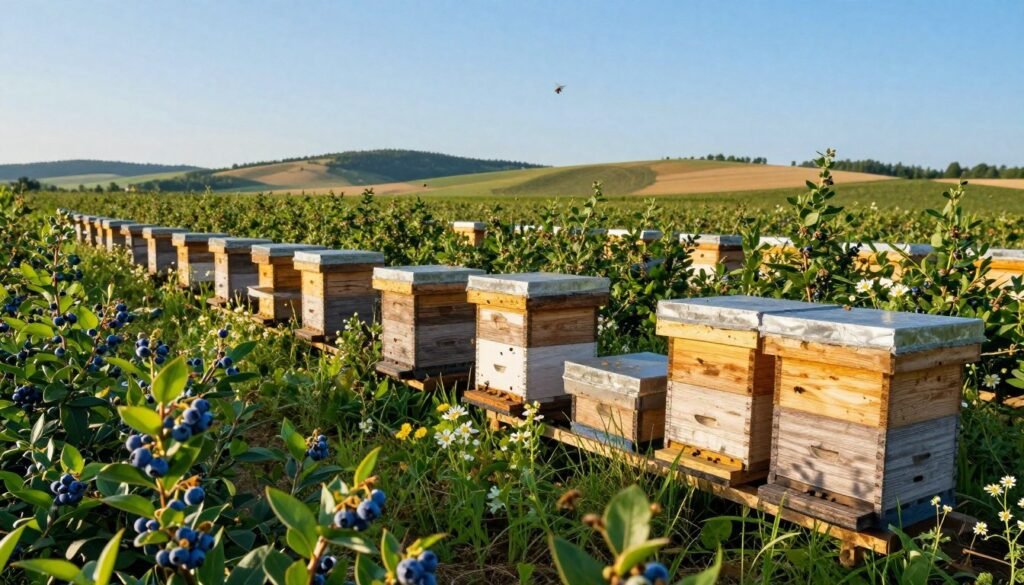
Adjusting for field size and flower density
Use 1‑meter quadrat counts to record bee visits and blooms. The University of Maine method helps decide whether to add extra hives mid‑bloom.
- If wild bee activity is high, you may lower stocking per acre.
- If visits are low in quadrats, increase hives per acre or replace weak colonies.
- Think of stocking as insurance against poor weather and variable pollinators.
For detailed stocking exams and research, see this technical review and practical tips on boosting colony numbers in the field from beekeepers.
Timing the Introduction of Managed Bee Colonies
Bringing bee colonies in at the right bloom window makes every foraging trip count toward fruit set.
Introduce hives when the crop reaches 10%–20% bloom. This encourages honey bees to learn the target flowers and focus foraging on your field. Waiting avoids early foraging habits on alternate blooms.
In isolated blocks near forest, some growers place hives at about 5% flowering to extend the pollination window. Use that option only when local floral competition is low.
“Move colonies only after dark so returning foragers stay with their hive and colony strength is preserved.”
Coordination is essential. Plan rotations and delivery timing with your beekeepers well before bloom. Safe night moves and agreed monitoring reduce stress on managed bees and protect bee health.
| Action | When to do it | Why it matters |
|---|---|---|
| Initial introduction | 10%–20% bloom | Focuses foragers on crop flowers |
| Early placement (isolated fields) | ~5% bloom | Extends pollination window in low-competition areas |
| Hive moves | After dark | Prevents loss of foragers and maintains strength |
| Rotation planning | Pre-bloom meeting | Maximizes visits where competition is high |
For practical notes on honey bees and blueberry pollination, review guidance from Extension experts: honey bees and blueberry pollination.
Selecting Ideal Locations for Hive Placement
Good siting of honey bee hives shapes uniform visits and cleaner fruit set across the field. Start with a simple map that marks rows, sun exposure, and nearby flowering crops. This helps avoid parts of the field that might get fewer visits during bloom.
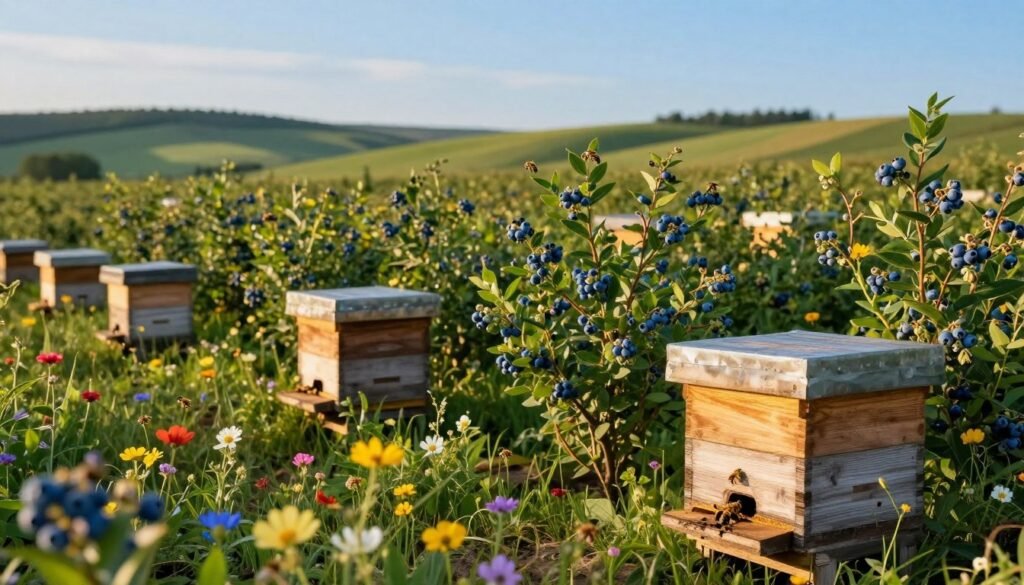
Equidistant Placement Techniques
Spread hives equidistantly so every block gets regular forager traffic. When grouped, use sets of 30–40 with about 2.5 meters between hives and 3 meters between rows.
Alternate entrance orientation in groups to reduce drift and keep honey bee colonies returning to the correct hive.
Avoiding Competing Floral Sources
Fields surrounded by other crops need hives placed as far from competitors as practical. Face entrances east or south to catch morning sun and encourage earlier foraging on your crop.
Accessibility for Beekeepers
Elevate hives on pallets to limit dew and weed interference. Choose dry, firm spots that are not prone to mud so beekeepers can move or inspect bee colonies quickly.
- Ensure clear access routes for inspection and any post-bloom moves.
- Confirm agreed stocking and strength checks with your beekeeper in writing.
For detailed operational guidance, review this managing bee colonies document: managing bee colonies.
Managing Environmental Factors and Wind Protection
When wind speeds reach about 30 km/hour, honey bees often stop foraging and leave the field idle. This makes wind protection a practical priority for growers during bloom.
Natural shelter such as wooded areas gives bees an easier entry and exit route and stabilizes internal colony temperature. Locate hives near these areas when possible to support steady foraging and brood development.
If natural shelter is absent, install artificial windbreaks. Snow fences or fabric screens 2–3 meters high work well. Place each hive about 1 meter behind the barrier so bees avoid direct, constant gusts.
- Manage wind exposure before colonies arrive so beekeepers can set hives correctly.
- Consistent protection helps maintain colony strength and extends active hours during light winds.
- Shielded sites reduce stress on the brood and improve forager return rates across fields.
“Protecting colonies from harsh winds directly improves field activity and pollination reliability.”
| Risk | Recommendation | Expected benefit |
|---|---|---|
| Winds ≥30 km/h | Use 2–3 m windbreaks; place hive 1 m behind | Maintains foraging and reduces colony stress |
| No natural shelter | Install snow fence or fabric screen | Creates reliable shelter similar to wooded areas |
| Exposed fields | Assess sites pre-bloom with beekeepers | Ensures correct siting and easy access for inspections |
Integrating Bumble Bees and Wild Pollinators
Diverse pollinator communities make crop visits more steady across weather and bloom stages. Adding bumble bees and encouraging wild bees reduces reliance on any single species.
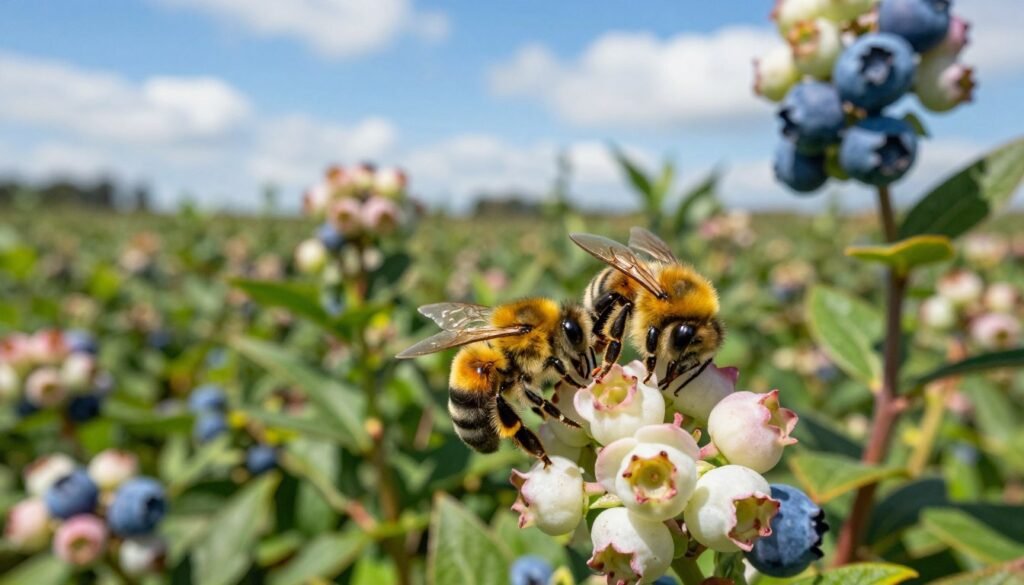
Bumble bees perform buzz pollination, which often releases more pollen per visit than honey bees. They stay active at lower temperatures and can keep flowers fertilized during cool mornings.
- Bombus impatiens (Eastern bumble bee) is commercially available for growers in the eastern U.S. and Canada.
- Over 150 wild bee species have been recorded in Michigan fields; many are important contributors.
- Create mixed bloom habitats and undisturbed soil to support nesting and seasonal forage.
Practical notes: order commercial bumble colonies 14–16 weeks before bloom to secure delivery. Combine managed bees with on-farm habitat work to build a resilient pollination network.
“Diversifying managed and native bees minimizes risk and strengthens crop resilience.”
| Pollinator | Strength | Grower action |
|---|---|---|
| Bumble bees | Excellent at buzz pollination; active when cold | Order 14–16 weeks early; place where cool foraging occurs |
| Honey bees | Large workforce; broad foraging range | Use as backbone; verify colony strength before bloom |
| Wild bees | Many species; season-long support | Create mixed-flower habitats and leave nesting sites |
For operational guidance on protecting managed colonies during bloom, review the bee protection protocol.
Establishing Clear Communication with Your Beekeeper
A clear, written agreement sets expectations and protects both growers and beekeepers. Use a contract to record delivery dates, minimum colony strength, and removal timing so both parties share the same plan.
Inspect on arrival. Ask your beekeeper to open a few boxes so you can confirm frames covered with bees and overall colony condition. Do this soon after delivery.
Share pesticide schedules and re-entry intervals in writing. Timely information about sprays allows beekeepers to move colonies or shield foragers and protect bee health.
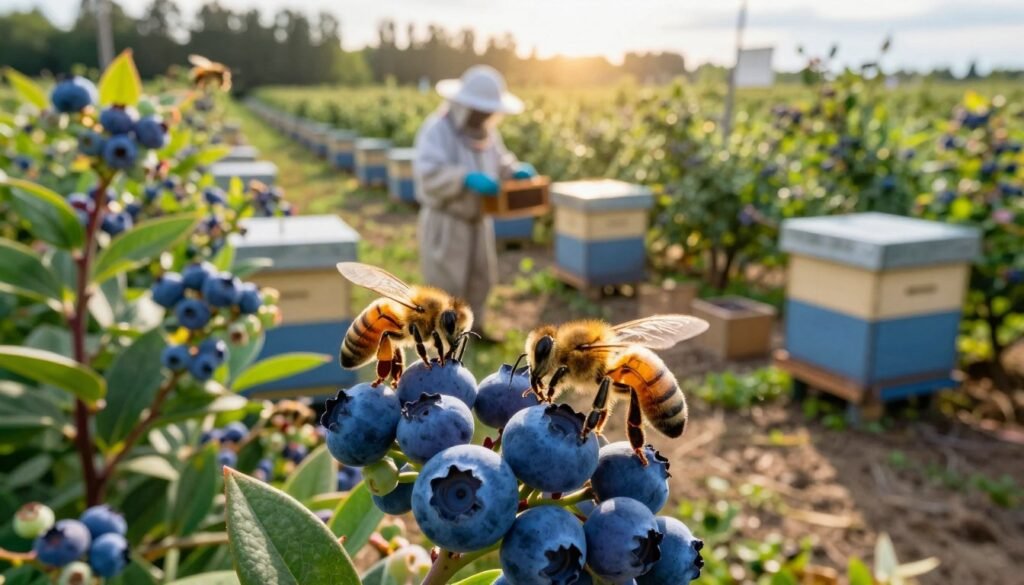
Keep records of inspections and agree on who acts if a colony drops below agreed strength. Regular check-ins during bloom let growers and beekeepers address issues quickly.
“A professional, transparent relationship reduces risk and improves pollination outcomes.”
- Define responsibilities for hive checks and emergency contacts.
- Document expected numbers of honey bee colonies and frames covered.
- Schedule brief, regular updates during the bloom window.
Protecting Bee Health Through Integrated Pest Management
Regular field scouting helps growers decide whether a spray is truly needed. Weekly checks for fruitworms, gall wasps, and other pests let you act only when thresholds are reached.
Use degree‑day models from Enviroweather to time interventions. Better timing can cut follow-up sprays and lower accidental exposure to bees during bloom.
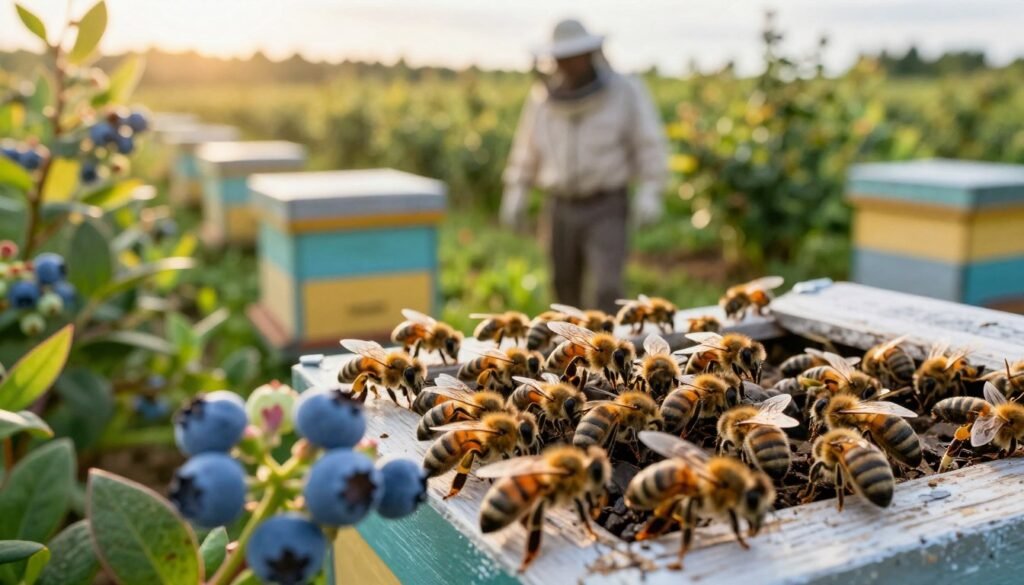
Select pest‑resistant varieties where possible. Cultivars less prone to gall wasps reduce chemical needs and help maintain colony strength in adjacent fields.
- Protecting bee health through IPM reduces pesticide pressure on colonies.
- Weekly scouting informs targeted, minimal applications.
- Minimize insecticide and fungicide use during bloom to avoid harming bee gut microbes and behavior.
“Even low‑risk sprays can have sublethal effects on foragers and brood.”
Work with beekeepers on spray schedules and consider habitat steps that lower pest pressure. For practical community-level cooperation, see community apiary support.
Mitigating Pesticide Exposure During Bloom
Careful timing and application of sprays keeps bees working your fields and limits harm to developing brood. Apply pesticides at night or in cool weather when foragers are inactive to reduce direct contact.
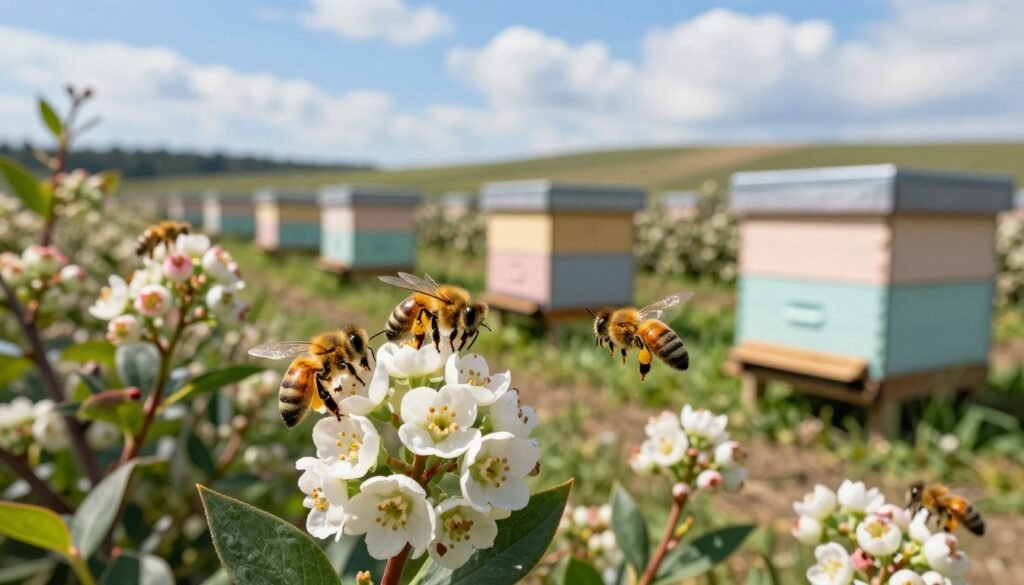
Check wind speed before any treatment—low winds limit drift onto flowering weeds and ditches where bees may collect pollen. Mow blooms in row edges and margins ahead of spraying so foragers do not visit contaminated plants.
Avoid tank mixing insecticides and fungicides during bloom; combinations can create unpredictable toxicity to a bee or honey bees. Use adjuvants only when the label specifically permits them.
Calibrate spray equipment for precise coverage and follow label directions—this is both legal and critical to protect colony brood and adult foragers. Remember that some products harm larvae even when adults show low acute toxicity.
“Mitigating pesticide exposure during bloom is a core responsibility for growers who rely on healthy colonies.”
- Apply sprays after dusk when possible.
- Keep records and notify beekeepers before treatments.
- Manage margins and avoid unnecessary mixes during bloom.
For operational layout tips that support safer on‑farm work near pollinators, review this apiary planning guide: apiary planning guide.
Providing Essential Water and Foraging Resources
Providing reliable hydration and seasonal blooms is one of the most cost‑effective ways to support colonies. Water keeps workers active, cools the nest, and helps dilute stored honey when nectar is scarce.
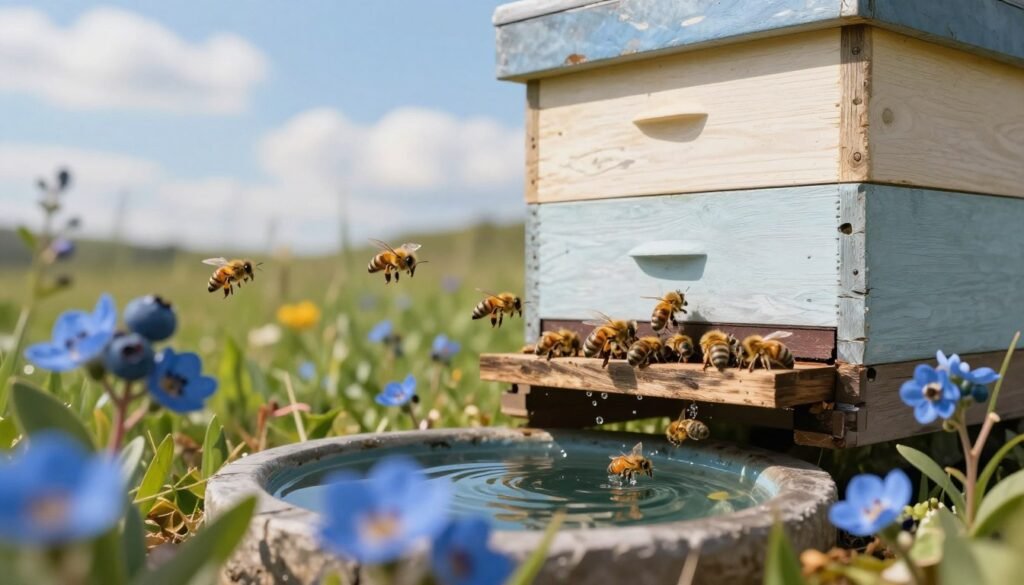
Creating On-Farm Water Sources
Set up simple reservoirs near the hives before colonies arrive. A barrel cut in half or a clean harvest box works well when fitted with floating landing pads.
Floating pads—pieces of wood, cork, or plastic—prevent drownings and let foragers drink safely. Position water stations so returning workers find them on first visits.
Beyond water, plant a sequence of flowering trees, shrubs, and wildflowers to provide continuous nectar and pollen. Diverse forage strengthens colonies and helps them cope with pesticides, parasites, and disease.
- Start early: install water and plantings before hive delivery.
- Keep sources clean: refresh water and remove debris weekly.
- Create variety: mix trees, shrubs, and seasonal plants for steady nutrition.
| Resource | How to set up | Grower benefit |
|---|---|---|
| Barrel or box reservoir | Half barrel with floating pads near hives | Immediate hydration; low cost |
| Floating landing pad | Wood, cork, or mesh pieces added to water | Prevents drownings and keeps foragers safe |
| Seasonal plantings | Staged blooms from spring to late summer | Continuous forage; better colony resilience |
| Maintenance | Weekly cleaning and water refresh | Reduces disease risk and keeps use steady |
For longer-term habitat planning and practical resources, see this apiary resources guide to help design plantings that support managed and wild pollinators.
Monitoring Colony Strength and Pollination Success
Quick, regular checks of frames covered with bees show whether your honey bee colonies will deliver during bloom. Inspect boxes soon after delivery and count frames covered with bees to confirm agreed strength.
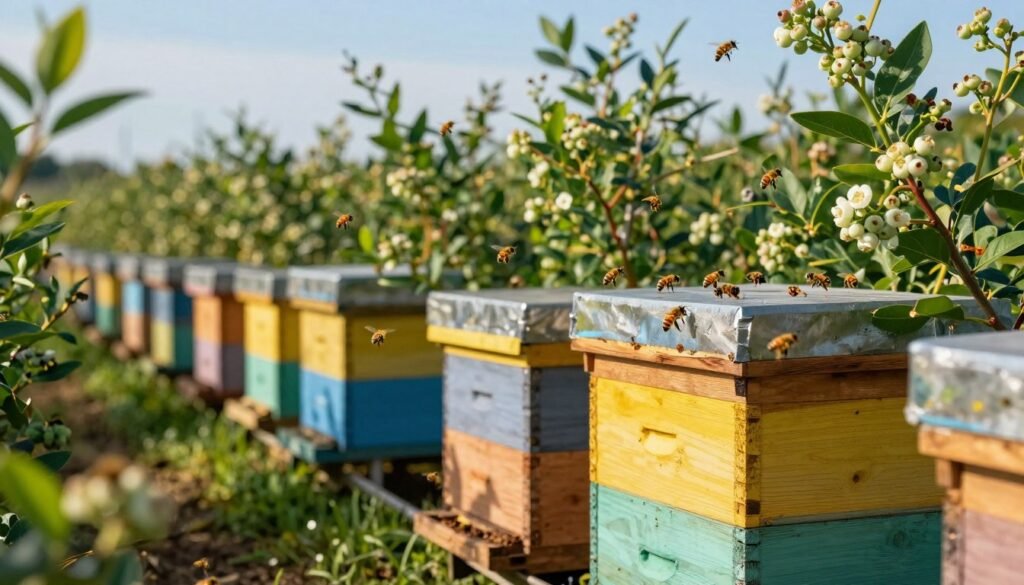
Field signs are simple and fast. If flowers brown or discolor on the bush, pollination was likely insufficient. In well-served areas, corollas fall while they are still bright white — a reliable sign of fertilization.
Aim for about four to eight honey bees per bush during the warmest part of the day. Walk representative rows and record bee counts and fruit set. Keep written notes so you can compare results year to year.
Work with your beekeepers on follow-up checks. If records show underperformance, consider adding more hives, boosting stocking per acre, or bringing in managed bumble or wild bees to diversify services.
“Monitoring is the final, crucial step that protects your investment in pollination services.”
Action list:
- Inspect frames covered with bees on arrival.
- Log flower condition and corolla drop daily during bloom.
- Target 4–8 honey bees per bush at peak hours.
- Adjust stocking and provider plans for next season based on records.
Conclusion
Farmers who align colony strength and timing see measurably higher production. Prioritize bee health, clear contracts, and simple on‑farm practices to protect your investment in pollination services.
Integrating managed colonies with native pollinators creates resilience across weather and bloom variability. Small steps—water stations, wind shelters, and habitat plantings—pay off in more uniform fruit set and higher returns.
Review practical guidance such as the bee protection protocol and consider pollinator corridors shown in this hedgerow design guide to strengthen your approach.
Blueberry growers who stay informed and work closely with beekeepers will secure reliable pollination and better long‑term yields. Thank you for supporting pollinators and thoughtful farm management.
FAQ
What is the recommended number of honey bee colonies per acre for best blueberry yields?
Recommendations vary with variety, bloom density, and nearby wild pollinators, but a common starting point is 1–2 strong honey bee colonies per acre. Adjust based on field size, flower load, and observed fruit set. Higher stocking often improves fruit size and uniformity in heavy-bloom years.
When should beekeepers place colonies in fields to maximize fruit set?
Place strong colonies just before bloom begins so foragers learn the crop quickly. Ideally move colonies into place when about 10–20% of flowers open, then leave them through peak bloom. Timing ensures maximum forager activity during the critical pollination window.
How should growers position colonies across large blocks to ensure even coverage?
Use an equidistant layout: distribute colonies uniformly along field margins and interior access points so no area is more than a few hundred feet from a colony. For irregular fields, staggered rows or distributed satellite groups prevent forager clustering and encourage even visitation.
What factors reduce honey bee foraging efficiency in the field?
Strong winds, high temperatures, poor water availability, and nearby competing floral resources reduce foraging. Pesticide exposure and weak colony strength also cut activity. Provide wind breaks, reliable water, and avoid pesticide applications during bloom to maintain effective foraging.
How do growers balance managed colonies with wild bees and bumble bees?
Encourage wild pollinators through habitat strips, nesting sites, and reduced pesticide use. Managed honey bee colonies provide high visitation rates, while bumble bees and native bees offer buzz pollination and activity in cool or low-light conditions. A mixed approach boosts resilience and fruit set.
What signs indicate a colony is strong enough for pollination service?
Look for vigorous forager traffic at the entrance, multiple brood frames with healthy larvae, minimal disease symptoms, and full frames of stored pollen. Beekeepers often rate colonies by frames of bees—aim for colonies with at least 8–10 frames of bees for reliable service.
How can growers and beekeepers reduce pesticide risk during bloom?
Coordinate spraying schedules and use label-safe products. Apply pesticides outside foraging hours (late evening or early morning), choose bee-friendly formulations, and communicate via written spray notices. Integrated pest management and scouting reduce unnecessary applications during bloom.
What on-farm resources improve colony health and pollination performance?
Provide clean, shallow water sources near colonies, maintain diverse non-crop floral resources before and after bloom, and ensure easy access for hive management. Reducing stressors like poor nutrition and pesticide drift helps colonies sustain high foraging rates.
How should growers adjust stocking rates for different field conditions?
Increase colony density in large, dense-flowering blocks, or where wild pollinator numbers are low. Reduce numbers if significant native bee activity exists or if adjacent crops compete for foragers. Monitor fruit set and be ready to add colonies if set is below target levels.
What placement considerations improve beekeeper access and colony maintenance?
Pick locations with firm, level ground and good vehicle access, clear turning space, and minimal standing water. Place colonies where smoke and traffic won’t disturb nearby residences. Accessibility speeds routine checks and reduces colony stress during management visits.
How does wind affect where colonies should be sited in fields?
Strong prevailing winds suppress flight and reduce visitation. Site colonies behind windbreaks such as shelterbelts, hedgerows, or temporary screens to give foragers calm launch corridors. Position entrances facing downwind when possible to ease return flights.
Can growers rely solely on honey bees, or should they introduce other pollinators?
Relying only on honey bees increases risk if colonies are weak or environmental conditions change. Introducing or conserving bumble bees and native pollinators complements honey bees by offering different foraging behaviors and activity during cool, cloudy conditions.
What monitoring practices quantify pollination success during and after bloom?
Track colony strength before bloom, conduct bloom-time visitation counts, and measure initial fruit set and berry size. Post-bloom fruit counts and yield per acre comparisons across blocks help assess whether stocking or placement changes are needed the next season.
How do growers manage pests while protecting managed bee colonies?
Use integrated pest management: scout frequently, apply thresholds, choose selective chemistry, and schedule treatments outside foraging hours. Communicate with beekeepers about treatments and follow label restrictions to protect colonies in and near fields.
What role does field layout play in placement decisions for managed colonies?
Field shape, row orientation, and surrounding landscape influence forager flight paths. Long narrow blocks may need more evenly spaced colonies, while compact fields can use perimeter placements. Consider adjacent crops and natural habitat when planning distribution.
How can growers measure colony strength quickly before bloom?
Use simple checks: count the number of frames covered with bees, observe forager traffic at the entrance, and inspect brood frames for continuity. Quick assessments help determine if colonies meet the minimum strength needed for effective service.
Are there recommended distances from competing floral sources when placing colonies?
Avoid placing colonies close to large, attractive wildflower patches or neighboring crops in full bloom. If unavoidable, increase colony numbers or shift placement toward the crop interior so foragers encounter your blooms first and reduce diversion to competing sources.
What practical steps improve pollination in fields with uneven fruit set?
Reassess colony distribution and strength, add temporary satellite groups in low-set zones, enhance floral resources pre-bloom, and check for pesticide exposures. Small, targeted changes often correct patchy set without large operational changes.
How should growers and beekeepers document agreements and expectations?
Use written contracts detailing delivery dates, colony strength standards, placement locations, compensation, and spray notification procedures. Clear documentation prevents misunderstandings and supports timely responses if issues arise during bloom.