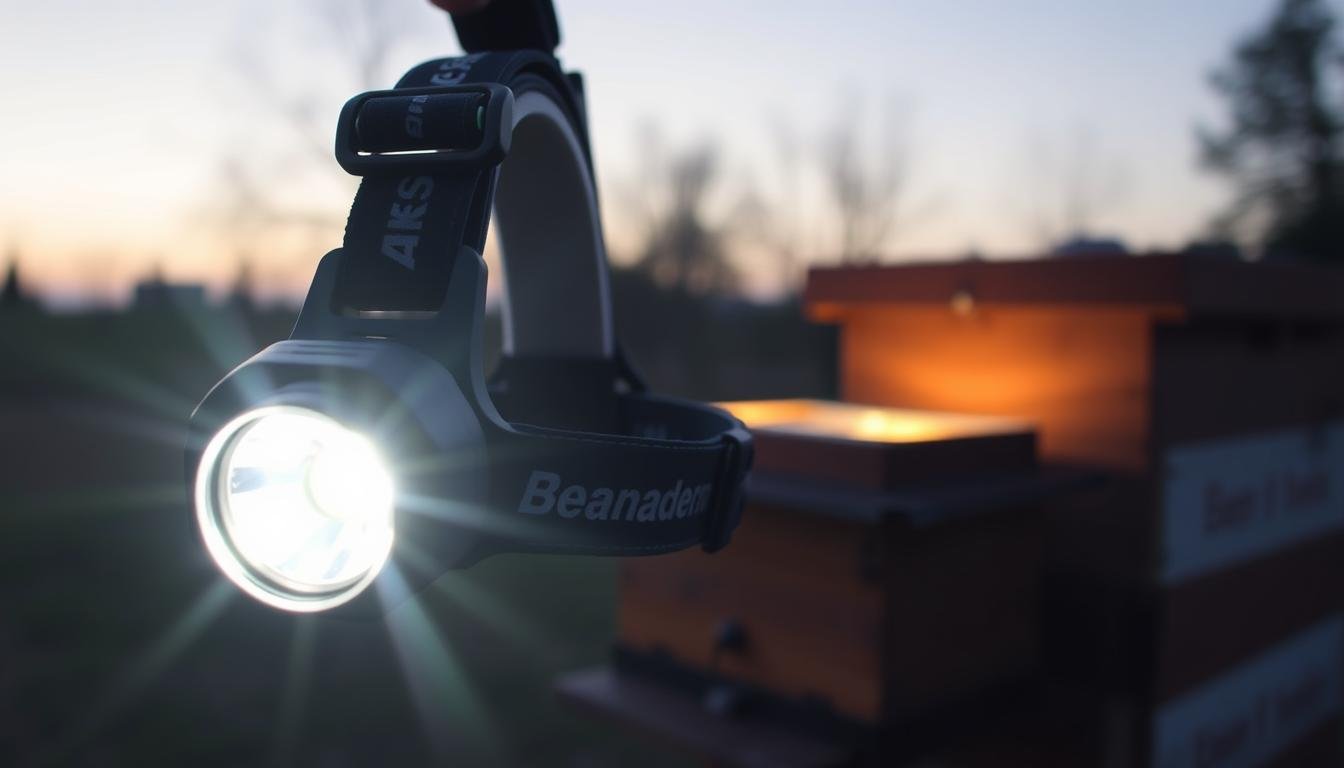
Choosing reliable lighting makes routine apiary work faster and safer. Our team ran rigorous testing on 27 top models to measure beam distance, runtime, and ruggedness. The goal was clear: find gear that keeps your hands free and your view steady during critical tasks.
The Petzl Tikkina shines with a 62-meter beam and a wallet-friendly street price near $16. For pro-level use, the Zebralight H600w Mk IV offers a 121-meter beam and build quality that stands up to frequent outdoor use. Consistent light output and long runtime were top priorities.
This guide condenses our field results to help you pick the right solution quickly. We emphasize models that resist sudden dimming and hold up over time. Use this overview to match a light source to your specific apiary needs.
Key Takeaways
- Tested 27 models: Field trials focused on beam reach, battery life, and durability.
- Petzl Tikkina: Reliable entry-level choice with a 62-meter beam at an affordable price.
- Zebralight H600w Mk IV: High-output, durable option for professional use with a 121-meter beam.
- Consistent light output and runtime matter most to avoid interruptions during work.
- Match beam distance and build quality to your typical environment and tasks.
Why Proper Lighting Matters for Apiary Management
Clear, steady light helps beekeepers catch issues that are invisible in dim conditions. Spotting mites, brood problems, or early signs of disease depends on seeing small details in the comb.
The right headlamp lets you inspect deep into the brood chamber without tilting frames or disturbing the cluster. That keeps the colony calmer and reduces handling errors.
Hands-free illumination is a practical must when you lift heavy supers or use delicate tools. Consistent light quality lets you tell capped brood from pests and makes fast, confident decisions.
- High-quality headlamps reveal small pests like varroa mites quickly.
- Good beam control reduces the need to move frames to get a view.
- Reliable light improves safety when working at night or early hours.
- Experienced keepers use headlamps to keep both hands free for tools and hive parts.
Investing in the right gear saves time and lowers stress for you and the bees. Choosing among the best headlamps comes down to beam quality, comfort, and runtime.
Essential Features for the Best Headlamp for Low-Light Hive Inspections
Controlled lighting helps you see fine details while minimizing disturbance to bees.
Adjustable brightness is vital. Being able to dim the beam conserves battery and prevents startling the colony. Lower settings extend battery life and let you work longer between swaps or charges.
Ergonomic design matters as much as output. A secure, lightweight band reduces neck strain and fits comfortably under a veil. Comfortable gear speeds work and keeps focus on frames, not fit.
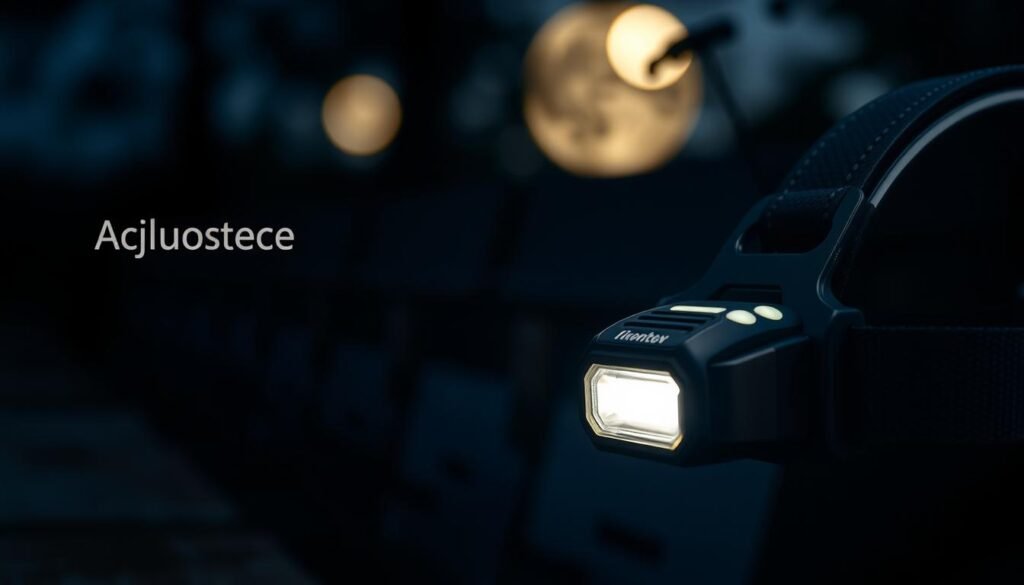
- The Black Diamond Spot delivers a 94-meter distance and a 2.9-hour high run time, useful when you need reach without moving too close.
- Choose units with at least 100 lumens to reveal small pests and brood details without glaring the colony.
- Consider weight and pack power: lighter models are easier to wear for hours, and reliable batteries or USB charging improve field performance.
| Feature | Why it matters | Target spec |
|---|---|---|
| Brightness levels | Conserve battery and reduce bee stress | Multiple modes, dimming |
| Beam distance | See deep frames without crowding | 90–120 meters useful |
| Battery life | Lasts through long apiary sessions | 3+ hours on high, longer on low |
| Weight & fit | Comfort during extended use | Lightweight band, balanced head unit |
Understanding Lumens and Beam Distance for Bee Safety
Matching lumen output to beam pattern prevents glare while keeping frames visible at a safe distance. This balance helps you scan comb without triggering defensive behavior.
Lumens measure total light output, but the way that light is focused defines how far it travels. A narrow, high-power spot can reach targets dozens of meters away without flooding the colony with glare.
The Fenix HP25R delivers a 182-meter beam distance. That range is useful when you need to check distant boxes or dark corners while keeping a respectful space from the bees.
During testing we found a focused spot often outperformed wide flood modes for close work. Adjustable brightness preserves night vision and extends battery life when you lower the output for routine tasks.
- High lumens aid visibility, but avoid harsh glare that can disturb colonies.
- Choose a model with multiple brightness levels to match each task.
- Consider weight and balance—comfort affects performance when you lean over frames for long hours.
Durability and Waterproofing Requirements for Outdoor Work
Durable lighting must survive rain, propolis and the odd drop without losing output. Rugged gear means fewer interruptions and lower replacement costs.
The Black Diamond Storm carries an IP67 rating, so it can survive brief submersion in 1 meter of water. That rating protects critical seals around the battery compartment and lens.
Choose housings made from aluminum or high-impact plastic. Those materials resist dents and cracking when gear hits concrete or rocky ground. Proper seals keep water and bee spray out, which prevents common failures seen in cheap units.
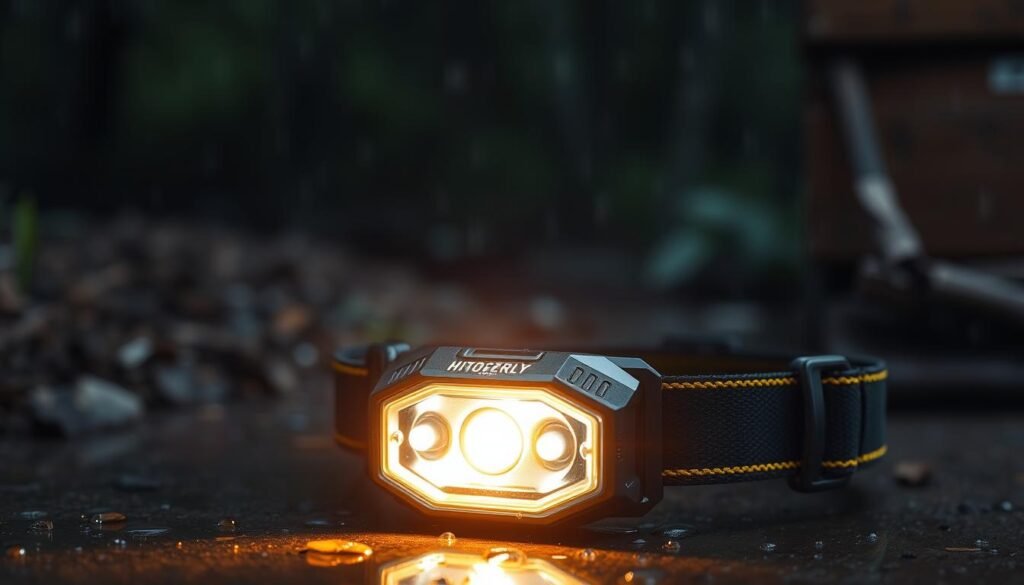
- Durability is non-negotiable: field work exposes lighting to moisture and rough handling.
- Seal and housing matter: testing shows waterproof seals prevent battery damage.
- Rugged build saves money: resilient units maintain performance and extend life.
For more on choosing weather-ready gear, see our weatherproof lighting guide. A reliable headlamp and spare batteries keep your work moving through wet weather and long hours.
Top Performance Picks for Serious Beekeepers
Serious beekeepers need lights that pair raw output with reliable runtime under real conditions.
High-output models deliver long beam distance and steady battery life when you work big yards or at night.
High-Output Professional Models
The Zebralight H600w Mk IV offers a 121-meter beam and about 3.1 hours on high. Its metal body stands up to frequent use and rough handling.
Versatile Flood Options
For broad-area lighting, choose units that switch from a tight spot to a wide flood. That lets you move from close frame checks to general area work without swapping gear.
Long-Range Beam Performance
The Fenix HP25R reaches 182 meters, useful when you need maximum distance and power. Long-range output reduces walking time between boxes at night.
| Model | Beam Distance | High Run Time | Key Feature |
|---|---|---|---|
| Zebralight H600w Mk IV | 121 m | 3.1 hours | Durable metal housing, balanced weight |
| Fenix HP25R | 182 m | Varies by battery | Extreme range, strong spot output |
| Flood Option (wide beam) | 30–60 m | 4+ hours on low | Broad area illumination, multiple modes |
Testing in real-world conditions showed these picks handle long days with dependable output and flexible brightness modes. Choose based on range, power, and the battery life you need.
Budget-Friendly Options for Occasional Hive Checks
If you only check colonies occasionally, a simple light can cover most needs without extra cost.
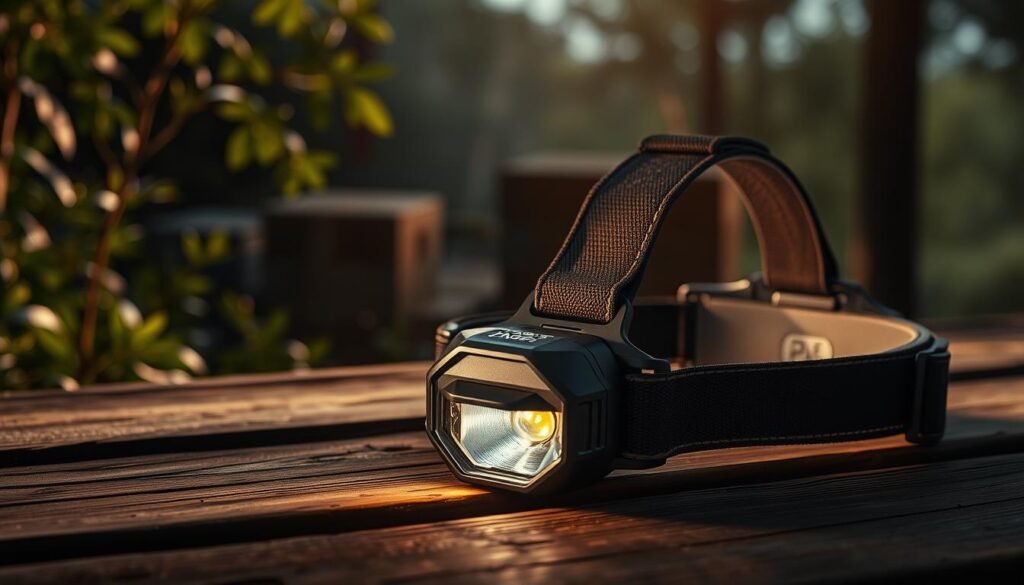
Value-driven gear focuses on steady output, low price, and easy use. The Petzl Tikkina is an excellent choice here: a 62-meter distance and about 3.5 hours on high at roughly $16. That kind of performance covers short evening work and quick night visits.
Why consider budget options? They save money while giving reliable brightness and good battery life. Entry models often use standard AAA batteries, and our testing found many deliver 3+ hours on a single set.
Value-Driven Performance
- Cost-effective: low price leaves room in your budget for tools and PPE.
- Lightweight: compact units often weigh only a few ounces and fit easily in a gear bag.
- Practical features: simple modes, decent lumens, and a secure headband for hands-free work.
For casual use, choose an option that balances weight, output, and run time. That way you get dependable lighting without overspending on pro-level power.
Specialized Lighting for Ultralight and Compact Needs
When every ounce counts, a compact lamp can change how you pack and travel to remote apiary sites.
Packed light, long time: The Petzl e+LITE weighs just 1 ounce and delivers about 9.4 hours of run time. That makes it ideal as a backup or daily carry in a small kit.
Compact lighting is made for beekeepers who hike between yards or carry gear across rough terrain. These units trade long distance for low weight and durable construction.
We tested several tiny options to confirm they give usable brightness for close-up tasks. They do not replace larger models with strong spot output, but they excel as emergency or minimalist choices.
| Feature | Why it matters | Typical spec |
|---|---|---|
| Weight | Easier to carry long distances | 1–3 ounces |
| Run time | Long field use without spares | 6–10 hours on low |
| Output | Close-up visibility, pocketable | 30–150 lumens |
Keep one compact unit in your vehicle or shed as a reliable, lightweight option. For guided packing tips and gear lists, see our lightweight packing guide and consider noise reduction or storage ideas at this apiary equipment resource.
Why Rechargeable Models Are Preferred for Field Use
A lamp that recharges on the trail removes the stress of carrying extra alkaline cells. Rechargeable units save money over a season and make power planning simpler when you work long into the night.
USB Charging Convenience
The Black Diamond ReVolt uses micro-USB charging, so you can top off the battery with a compact power bank. This lets you keep steady brightness and check run time without returning to the shed.
USB charging also means faster turnarounds between sessions. Plugging into a phone-style charger or a solar pack is a practical way to keep the light ready during multi-site work.
Hybrid Battery Compatibility
Hybrid designs let you use both rechargeable cells and standard batteries as a fallback. That flexibility prevents being stranded if a charge cycle is missed or power banks are depleted.
- Field convenience: top off a battery via USB or a portable bank.
- Money saved: fewer disposable batteries bought across the season.
- Redundancy: hybrid compatibility ensures you have an option if charge is low.
Managing Battery Life During Extended Inspections
Stretching battery hours during long field sessions starts with smart brightness choices.
Use the lowest effective mode when scanning frames. Dimming the light often doubles usable time and keeps your night vision steady.
The Black Diamond Storm delivers about 5 hours on high. That runtime covers most long days without a recharge.
“Monitoring power and carrying spares prevents a dead light at a critical moment.”
Carry extra batteries if your unit is not rechargeable. Swap quickly to avoid interruptions and limit stress on the colony.
- Check battery level regularly; many models include an indicator.
- Prefer rechargeable cells or hybrid setups when access to power is possible.
- Plan modes: start bright for tasks needing distance, then lower output for close work.
| Tip | Why it helps | Expected result |
|---|---|---|
| Lower brightness | Reduces drain | Run time often doubles |
| Carry spares | Quick swap if no recharge | Continuous use all day |
| Watch indicator | Avoid surprises | Better timing for swaps |
For practical gear picks and charging advice, see our lighting and power guide.
The Role of Color Modes in Preserving Night Vision
Colored lighting modes help you keep your night vision while you work after dusk.
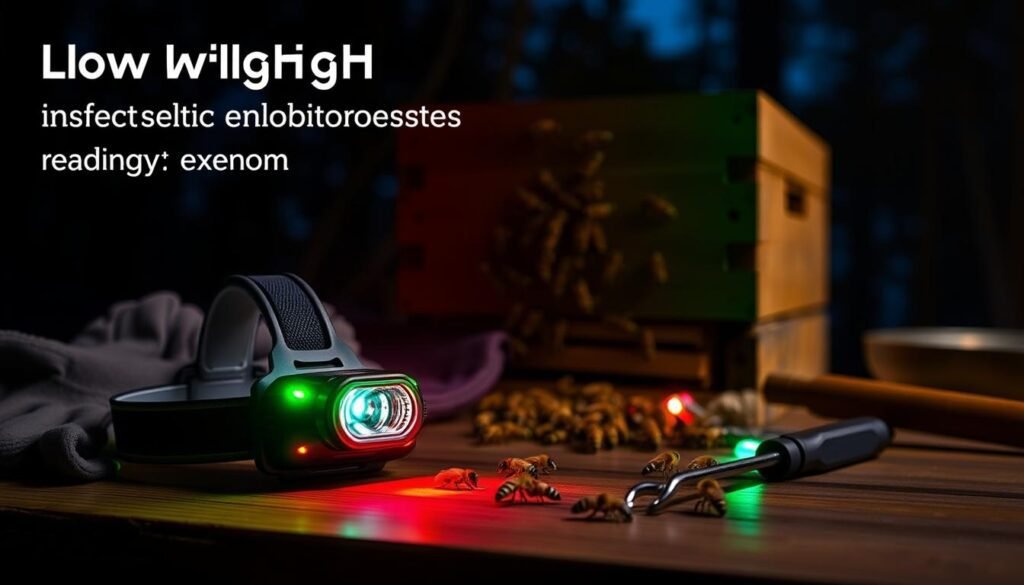
Red and green options reduce glare and keep your eyes adapted to the dark. That preserves natural sight and lets you scan frames without repeatedly re-adjusting.
Benefits of Red and Green Light
Red light is less likely to startle bees and keeps colonies calmer during late checks. It also lowers perceived brightness so your night vision lasts longer.
Green light improves contrast on comb and helps you spot eggs, larvae, and small pests more easily. Green often reveals subtle details that white beams can wash out.
“Testing showed color modes are a valuable addition to any serious beekeeping kit.”
- Use colored modes to preserve night vision during early-morning or late-evening work.
- Check that your unit allows quick switching between white and colored modes.
- Colored options often extend effective work time while easing colony handling.
| Mode | When to use | Primary benefit |
|---|---|---|
| Red | Close frame checks at night | Less visible to bees; preserves night vision |
| Green | Detail work on comb | Better contrast; helps spot small features |
| White | General area lighting | Max lumens and distance when needed |
Comparing Headlamps Against Handheld Flashlights
Hands-free lighting keeps your movements precise and your attention on the comb, not the beam.
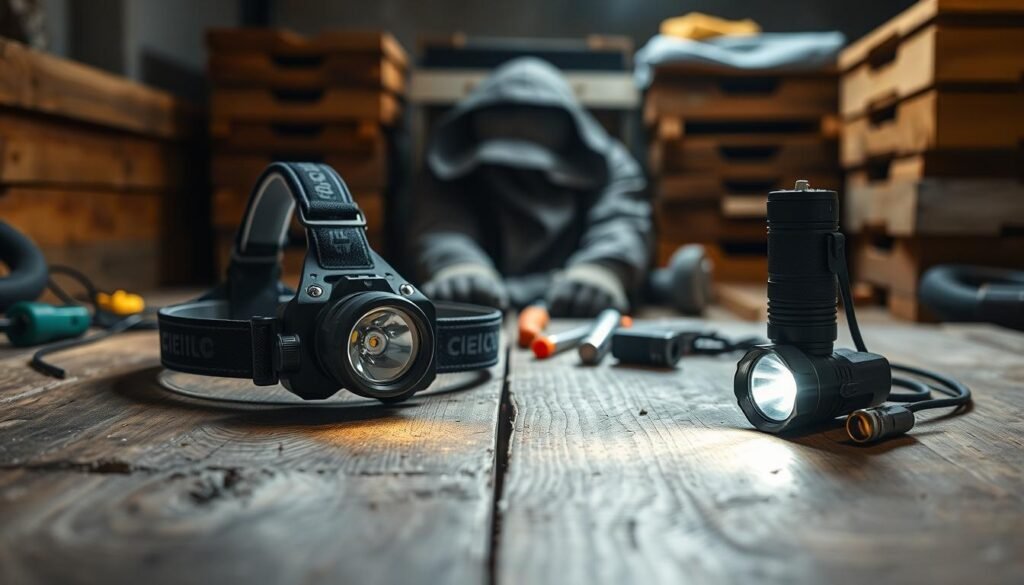
Handheld flashlights like the Coast G20 give a focused 54 lumens. That output works well for close-up checks inside frames and tight corners.
Headlamps win when you need both hands free. They keep the beam aligned with your gaze so the light follows each movement.
Below we summarize key trade-offs to help you decide by price, weight, and practical performance during night work.
| Tool | Typical lumens | Best use | Advantage |
|---|---|---|---|
| Headlamp | 30–200 | Hands-free frame work | Stable beam placement; frees both hands |
| Handheld flashlight | 50–400 | Targeted close checks | Compact; strong spot distance |
| Compact torch (backup) | 10–60 | Tight corners, quick checks | Low weight; easy to stash |
Practical notes:
- Most keepers shift to a headlamp after testing one season; the hands-free design speeds work and reduces strain.
- Carry a small flashlight as a secondary source to check hidden gaps or deep distance spots.
- Watch battery life and pack spare batteries or a USB bank to extend field hours.
“Choose the tool that matches your workflow: steady beam and hands-free operation usually trump raw power in routine apiary use.”
For moving colonies at night and choosing proper lighting tools, see our guide on lighting tools for night moves.
Tips for Hands-Free Operation in Tight Hive Spaces
A stable beam and secure fit make confined-frame work faster and less disruptive.
Adjust the headband so the unit sits snug without pressure. A well-fitted headband prevents the light from slipping when you lean into a narrow area.
Choose a low-profile model to avoid snagging on boxes or your veil. Low weight also improves comfort and reduces neck strain during long sessions.

The NEBO Inspector 500+ adds versatility with a magnetic base and compact design. Use it as a headlamp or clip it to your suit for steady illumination in tight gaps.
- Aim the beam to light the frame directly ahead and reduce harsh shadows.
- Keep spare batteries or a small rechargeable bank handy to extend run time in the field.
- Practice fit and mode switching at home so controls are second nature during work.
“A secure headband and correct positioning let you focus on frames, not fiddling with the light.”
| Tip | Why it helps | Quick result |
|---|---|---|
| Low-profile head unit | Prevents snagging on gear | Smoother movement in tight areas |
| Magnetic/base clip options | Hands-free versatility | Stable spot illumination in narrow gaps |
| Spare battery or bank | Maintain power during long sessions | Continuous work without interruption |
Avoiding Common Pitfalls When Selecting Beekeeping Gear
Real-world durability beats marketing claims when selecting gear that must survive rain and propolis.
Don’t buy a light without a reliable water rating. Units lacking waterproof seals often fail after exposure to morning dew or a sudden shower.
Be wary of advertised battery life. Manufacturers state ideal numbers, but independent testing often shows fewer usable hours in field use.
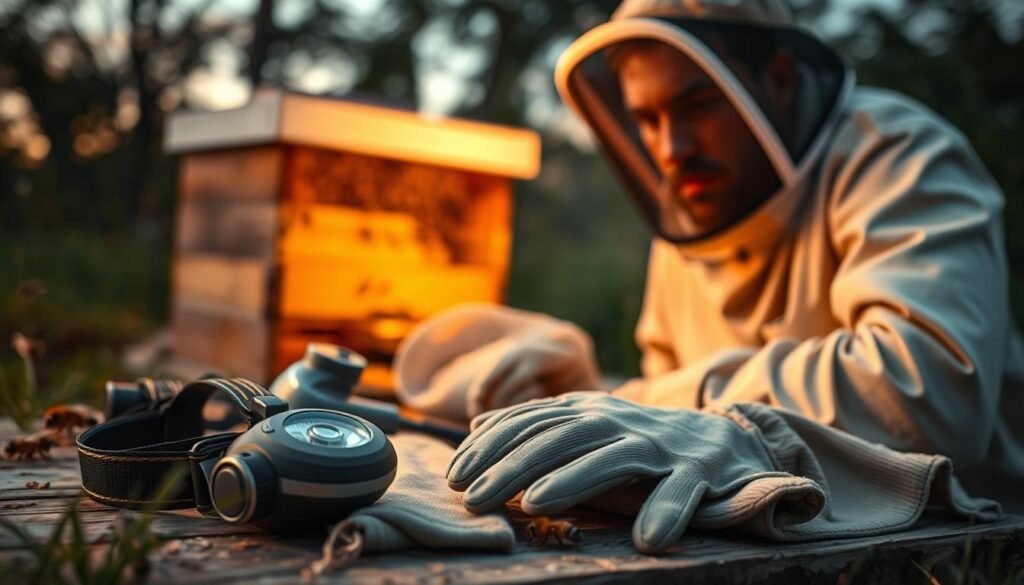
Also consider simple ergonomics: a snug band and easy controls matter when you work with gloves. Small buttons or awkward design slow you down and raise stress on the colony.
- Prioritize durability and verified testing over flashy specs or low price.
- Avoid cheap, non-waterproof units that likely fail within a season.
- Check real-world battery and power reports, not just the label claims.
- Pick a model with comfortable fit and glove-friendly controls to save time and strain.
- Match lumens and distance to your actual needs rather than buying a unit with excess power you won’t use.
“Practical features and proven life in the field are worth a higher price if they save time and replacements.”
How to Maintain Your Lighting Equipment for Longevity
Routine cleaning and careful storage extend the usable life of your lighting gear far beyond a single season.
Clean after every use. Wipe the headlamp with a damp cloth to remove propolis, wax, and bee debris. Check lens and seals so the light stays clear and reliable.
Inspect the battery compartment regularly for corrosion. Replace leaking cells immediately and clean contacts with a soft brush to prevent damage.
Store batteries in a cool, dry place when not in use. That simple step protects capacity and helps battery life last through more hours of work.
Follow manufacturer guidelines for rechargeable cells. Proper charging cycles preserve capacity and reduce the chance of early failure.
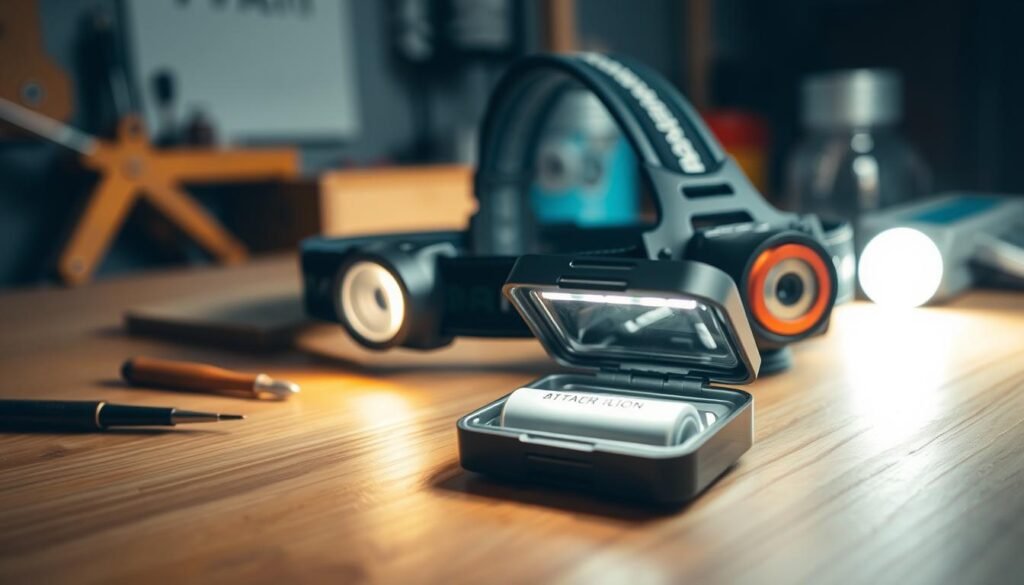
“Periodically testing your light before a session prevents being caught without illumination at a critical moment.”
- Keep a protective case to avoid accidental activation and physical damage.
- Carry spare batteries or a charged power bank for longer runs.
- Include a quick pre-shift test in your routine to confirm output and runtime.
Safety Considerations for Nighttime Hive Handling
Working around hives after dusk calls for careful planning to keep both you and the colony safe. Night work is quieter, but sudden bright flashes or erratic motion can still provoke defensive behavior.
Prepare your light and battery setup before you start. Charge your primary headlamp and carry spare batteries or a charged USB bank. Confirm the unit runs through a short testing routine so you know switch locations by feel.
Use a red light mode when possible to reduce agitation and preserve your night vision. Red illumination shows comb detail without the glare that can trigger stings.
- Move slowly and keep gestures deliberate to avoid startling bees.
- Tell someone where you’ll be and an estimated return time before you go out after dark.
- Clear the path to your vehicle of tripping hazards; a backup light source ensures you never get stranded in the dark.
“A reliable light and clear plan are the simplest ways to reduce risk and finish work in fewer hours.”
Conclusion
A reliable light setup keeps your focus on colony health, not on fumbling with gear at dusk.
Balance brightness, battery life, and durability when you select gear. Our field testing highlighted models that hold steady output and long hours under real use. Good headlamps deliver the reach you need without glare and save time during each check.
Prioritize waterproof ratings and simple controls. Regular cleaning and smart battery management extend tool life and avoid surprises in the field. Carry spare batteries or a charged power bank to cover long hours.
Choose tools that make work faster and safer. The right headlamp and a clear maintenance plan let you focus on colony care, not on replacing bulbs or losing time in the dark.
FAQ
What brightness and beam type should I choose for evening hive checks?
Aim for a lamp that offers adjustable output between a low, steady glow (around 20–100 lumens) and a brighter flood or spot mode when you need detail. A wide flood beam lights the box interior without harsh shadows, while a narrower spot helps read labels or inspect frames. Choose models with smooth dimming so you can reduce glare and avoid startling bees.
How long should battery life last during multiple inspections?
Look for a unit that runs at least 6–10 hours on a conservative setting and 2–4 hours at higher output. Rechargeable lithium-ion cells usually deliver consistent runtime and faster recharge. For extended field work, carry a USB power bank or spare batteries to avoid interruptions.
Are rechargeable units better than disposables in the apiary?
Rechargeable lamps with USB charging save money and waste over time and often provide stable output. Hybrid designs that accept both built-in batteries and replaceable AAs offer flexibility when you can’t access a charger. Consider charging routines and whether you have reliable power in the field.
Do colored modes like red or green help when working at night?
Yes. Red preserves night vision and reduces bee agitation during low-light work. Green can improve contrast for certain details. Use color modes at low intensities to avoid stressing colonies and to keep your vision adapted to the dark.
How important is waterproofing and ruggedness for outdoor use?
Very important. Choose an IPX4 or higher rating to handle rain and hive washes. Shock-resistant housings and secure head straps help during vigorous tasks. Durable construction reduces failures from drops, hive tools, or rough handling.
Can a lightweight compact lamp perform as well as a heavier professional model?
Compact lamps excel for quick checks and traveling since they’re light and packable. However, professional units with higher output and larger batteries deliver longer runtime and stronger beams for detailed inspections. Match weight and power to your typical use—short visits versus long sessions.
What beam distance do I need around my apiary?
For close-range hive work, a beam distance of 20–50 meters is adequate. If you walk long rows or need to scan equipment across the yard, models rated for 100+ meters offer better reach. Beam distance matters less than usable light at the work surface, so prioritize usable flood at short range.
How do I maintain my lighting gear to extend service life?
Keep contacts clean and dry, charge lithium batteries according to manufacturer guidance, and store the unit away from extreme heat. Replace worn straps and seals, and inspect waterproofing after impacts. Regular checks prevent failures mid-inspection.
Is hands-free operation really better than a handheld flashlight?
Yes. A head-worn unit frees both hands for hive manipulation and tool use, improving safety and efficiency. Choose an adjustable strap and tilting bezel so you can direct light precisely without straining your neck.
What safety features should I look for when choosing lighting gear for night handling?
Opt for stable mounting, no-slip straps, and smooth dimming to avoid sudden blinding bursts. Battery level indicators and multiple power modes help prevent unexpected shutoffs. Select designs with secure battery access so cells won’t fall out during work.