Published December 3, 2025 · Last Updated August 26, 2026
This guide offers practical, evidence-informed tips for reducing flare-ups of skin reactions in hot summer weather and for lowering heat stress on apiaries.
Many people notice their skin reacts worse in sun and high heat. Simple, step-by-step changes can cut flare frequency without giving up outdoor plans.
Start with a clear framework: learn the condition and signs, track triggers in a diary, cut exposure to heat drivers, and update clothing and skin care. Quick measures — shade, airflow, cool compresses, hydration, and loose garments — bring fast relief.
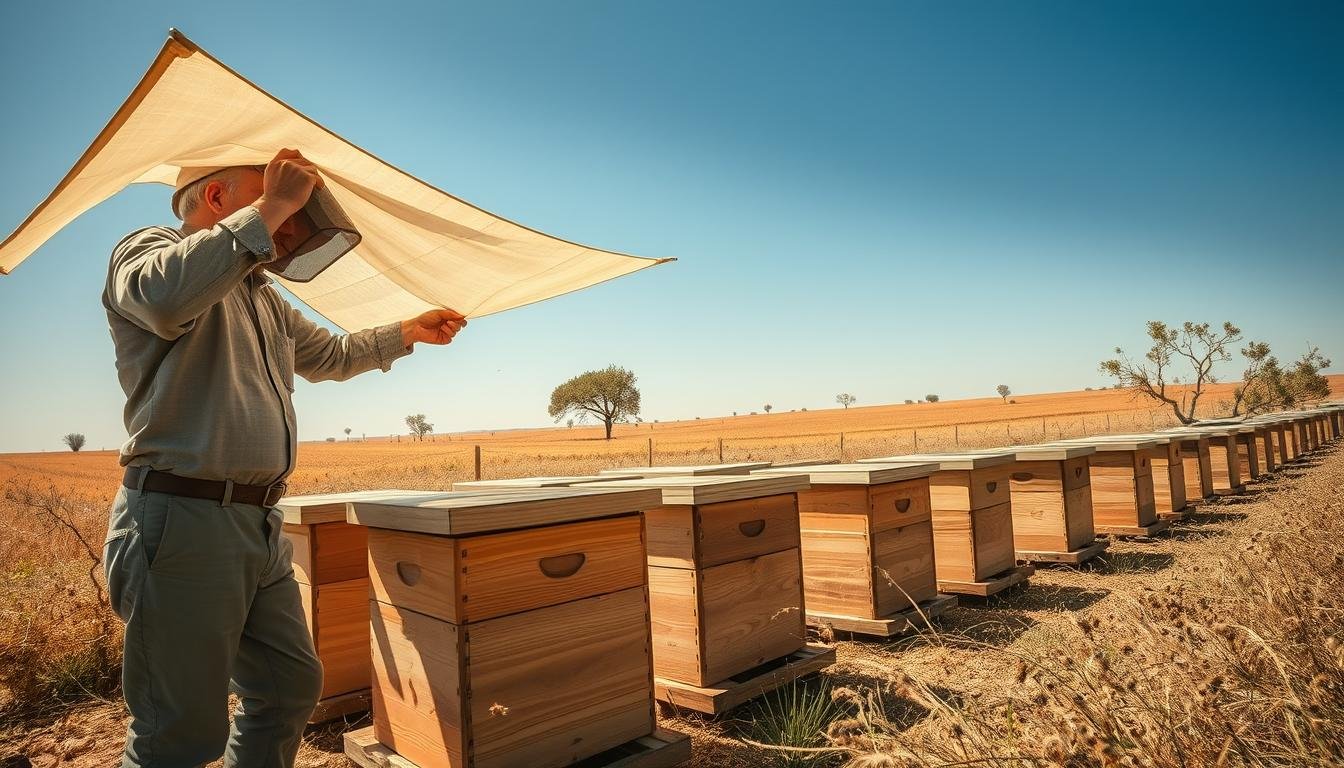
When lifestyle steps fall short, medical options range from OTC antihistamines to prescription choices like H2 blockers, leukotriene modifiers, omalizumab, or short courses of steroids. For apiary-focused cooling ideas and shade solutions, see this practical resource: protecting bee colonies in high temperatures.
Key Takeaways
- Track symptoms and triggers in a diary to spot patterns.
- Short-term fixes: shade, cool compresses, loose clothing, and hydration.
- Sunscreen that blocks UVA/UVB and visible light limits light-triggered flares.
- OTC antihistamines help many people; prescriptions exist for tougher cases.
- Plan outdoor time for cooler parts of the day to reduce flare risk.
Understanding heat-related hives in summer weather
Rising body temperature and intense light can set off rapid, itchy rashes in certain individuals.
What are hives and urticaria? These are skin conditions where transient, itchy welts appear suddenly. Welts may move, fade within an hour, or return later. Chronic urticaria lasts over six weeks and can persist for months or years.
Major types and common triggers
- Cholinergic urticaria: driven by a rise in body temperature and sweating during exercise or heat.
- Heat urticaria: triggered by direct exposure to hot air or sunlight.
- Solar urticaria: provoked by sunlight and visible light intensity.
- Cold urticaria: can appear in warm seasons after cold-water swims or in air-conditioned spaces.
Symptoms and timing include itchy bumps or welts, varied rash patterns, and rapid onset. Adrenaline release during heat exposure can speed symptom appearance. Many episodes fade quickly, while chronic forms last much longer.
Heat rash versus urticaria — heat rash (miliaria) comes from blocked sweat ducts and improves with cooling and airflow. Urticaria is immune-mediated, often more itchy, and shows shifting, raised welts rather than localized trapped-sweat spots.
| Feature | Urticaria | Heat rash (miliaria) | Note |
|---|---|---|---|
| Cause | Immune release (histamine) | Blocked sweat ducts | Different mechanisms guide treatment |
| Appearance | Raised, migrating welts | Small red papules or vesicles | Urticaria is often more widespread |
| Onset & duration | Rapid onset; may fade within an hour or be chronic | Develops in heat; improves with cooling | Timing helps identify the condition |
| Triggers | Temperature shifts, sweat, sun, cold water | Occlusion, humidity, lack of airflow | Layered triggers often converge |
How to protect hives from extreme heat: identify and manage your triggers
Logging daily exposures often uncovers links between activities and itchy outbreaks.
Use a symptom and exposure journal to help find patterns and triggers
A simple, structured diary helps find connections between what you do and when welts appear. Record date, time, weather, exertion, meals, skin products, and recovery steps.
Take photos during flares; many people improve quickly and visual records give a doctor useful context. Review notes weekly to spot peak times or settings and test what brings relief.

Managing stress and anxiety that may cause or worsen hives
Stress can spark adrenaline and trigger a flare that may last up to an hour. People may find breathwork, short meditations, and calm movement helpful when cooling options are limited.
Trim combined triggers first: heat, exercise, sunlight, and stress often act together. Tracking over a few weeks helps prioritize which trigger changes give the biggest gains.
- Log each event and symptom; review results weekly.
- Capture photos during flares for the doctor visit.
- Use mindfulness or cooler-timed activity to lower stress and sweating.
Next step: share your journal with a dermatologist or allergist who can interpret patterns, check for underlying condition clues, and recommend treatment. This iterative process builds confidence and makes follow-up time more productive. For further reading, see managing chronic hives in summer.
Stay cool and dry: practical ways to reduce sweating and irritation
Plan timing and place for outdoor time. Adjusting when and where you go outside keeps your body temperature steadier and lowers the chance of a flare during summer. Small choices often prevent big rises in temperature and cut skin irritation.
Plan activities around the hottest parts of the day
Schedule outdoor tasks early or late in the day. Pick breezier, shaded environments and avoid long stints in hot weather. Shorter exposure limits thermal load and reduces sweat that can worsen rashes.
Cooling strategies: shade, compresses, airflow, and moisture control
Seek shade on walks, use fans for steady airflow, and take regular rest breaks inside cool but not icy rooms. Carry a soft cloth to dab moisture and apply cool compresses several times daily unless cold-triggered reactions occur.
Hydration for steady body temperature
Drink regularly through the day. Sipping fluids before, during, and after outdoor time helps the body manage temperature and sweat production. Antiperspirant on high-sweat areas can reduce moisture and skin irritation.
“Small adjustments — route choice, shade, ventilation, and moisture management — often add up to fewer flares.”
- Plan breaks in ventilated spaces; avoid very cold blasts that cause abrupt swings.
- Note which environments and tactics work best in your journal and adjust as needed.
- For cooling ideas aimed at apiaries and airflow, see this guide: beehive ventilation and cooling.
Dress for hot weather: clothes and fabrics that may help
Right garments can lower skin stress and keep you cooler during hot spells. Choose materials and cuts that move air, limit friction, and cut repeated wet-dry cycles that worsen rashes.
Cotton vs. moisture-wicking fabrics
Cotton feels soft and familiar. It is comfortable at first but holds sweat close to the skin in high heat. That trapped moisture can lead to longer damp contact and more irritation.
Engineered moisture-wicking fabrics pull sweat away and speed evaporation. These fabrics often keep the surface drier and reduce the chance of a flare during activity.
Loose fits, flat seams, and tagless designs
Pick relaxed cuts that avoid tight waistbands, shoulder straps, and snug collars. Pressure points and rough seams can trigger hives and raise the risk of a rash.
Flat seams and tagless labels cut friction. Simple swaps — softer bands, adjustable straps — protect fragile skin and lower irritation during a long day outside.
Sun-protective clothing without overheating
Lightweight UPF shirts, pants, and broad-brim hats give coverage while allowing airflow. Layer breathable pieces so the body can shed heat and sweat evaporates faster.
Practical tip: pack a spare layer to change into if garments become saturated. Test fabrics during short activities and note results in your journal to find what limits sweat cling and helps calm hives.
Sunlight and pollen exposure: reduce common summer triggers
Strong sunlight and airborne pollen often act together to spark itchy welts in summer. Solar urticaria may worsen with intense light, and common seasonal allergens can add a second burden on sensitive skin.

Sunscreens with broad protection
Mineral formulas containing zinc oxide or titanium dioxide block UVA, UVB, and portions of visible light. The British Association of Dermatologists recommends these ingredients for solar urticaria because they offer broad coverage and gentle skin tolerance in warm months.
Application tips: apply generously, cover exposed skin fully, and reapply every two hours or more often if sweating or swimming. Consistent coverage lowers light exposure and cuts flare risk.
Managing pollen and skin comfort
Check daily pollen reports during peak months and plan outdoor time when counts are lower. Use UPF clothing, broad-brim hats, and shade strategies while keeping cooling habits like fans or brief breaks in cool air.
- Close windows on high-allergy days and run AC with clean filters.
- Rinse skin after being outside and use hypoallergenic sunscreen and gentle moisturizers.
- Layer defenses—sunscreen, clothing, timing, and environmental controls—for steady relief.
Note: reactions vary among people, so refine strategies by season and symptom response.
Treatments that may help: from OTC antihistamines to prescriptions
Effective care often blends safe over-the-counter choices with targeted prescriptions when needed.
Over-the-counter options and when they work best
First-line OTC antihistamines reduce itch and swelling by blocking histamine. About half of people with hives see clear benefit with daily, regular dosing rather than only as-needed use during warm months.
Use non-drowsy formulas if you are active during the day. Track response in your symptom diary and note whether medications cut flare length and severity.
Prescription therapies and escalation
When symptoms persist despite OTC use, a doctor may add H2 antihistamines (famotidine), leukotriene antagonists, or biologic therapy such as omalizumab for people with chronic urticaria.
Short courses of prednisone can help severe, time-limited flares but are not a long-term plan. These medications target pathways that cause hives when triggers like temperature and sweating are unavoidable.
When to see a doctor and what to bring
See a specialist when flares last over six weeks, worsen quality of life, or recur each season. Bring photos, a dated symptom diary, and a list of current medications.
“Discuss side effects, monitoring, and a follow-up cadence so the treatment plan adapts as weather and triggers change.”
- Safety: balance benefits and risks with your doctor.
- Follow-up: regular review helps refine medications across months and seasons.
Conclusion
A simple, steady plan makes summer skin reactions easier to manage and keeps outdoor life pleasant.
Start with practical steps: plan the day around cooler times, seek shade and airflow, and drink often so your body stays steady and sweating is less extreme.
Use broad-spectrum sunscreen and UPF clothing, reapplying sunscreen every two hours during long sun exposure. Keep a dated symptom diary and photos to clarify triggers for clinic visits.
Remember that urticaria and other skin conditions have many causes; no single fix fits all. Combine timing, clothing, environment, and medications when needed, and revisit strategies as the summer weather and your tolerance change.
For beekeeping-specific cooling gear and shade ideas, see summer beekeeping essentials.
FAQ
What are the main types of urticaria linked with hot weather and sweating?
Heat-related skin reactions include cholinergic urticaria (small, itchy bumps triggered by rising body temperature or sweat), heat urticaria (direct skin response to hot surfaces or ambient heat), solar urticaria (reaction to sunlight and sometimes visible light), and exercise-induced forms that overlap with sweating. Each type has different triggers and may need distinct strategies.
How can I tell the difference between heat rash and an urticaria flare?
Heat rash (miliaria) often shows as tiny, non-raised red spots or clear blisters where sweat ducts are blocked and feels prickly. Urticaria produces raised wheals or hives that move, blanch with pressure, and itch intensely. Note duration and response to cooling: hives often shift location and respond to antihistamines, while heat rash improves by reducing sweat and cooling the skin.
Which symptoms suggest temperature-triggered hives need medical attention?
Seek care if wheals last beyond a few days, spread rapidly, cause severe swelling of the face or throat, or come with breathing difficulty, dizziness, or fainting. Chronic or recurrent episodes that disrupt sleep or work also warrant evaluation by a dermatologist or allergist.
What practical steps reduce sweating and skin irritation on hot days?
Plan outdoor activity for early morning or evening, use shaded routes, carry a handheld fan, and apply cool compresses during flares. Keep skin dry with absorbent towels or talc-free powders and change out of sweaty clothes quickly. Air-conditioned spaces and cross-ventilation lower body temperature and reduce flare risk.
Which fabrics and clothing features help minimize irritation during heat waves?
Breathable, loose-fitting cotton and linen reduce friction and allow airflow. Moisture-wicking synthetic blends can work when you sweat a lot, but choose soft weaves. Look for flat seams, tagless labels, and light colors. Sun-protective shirts with UPF ratings provide coverage without adding much heat.
Can sunscreen cause or prevent flare-ups related to sunlight?
Broad-spectrum sunscreens with physical blockers like zinc oxide or titanium dioxide reduce UVA/UVB exposure and can lower solar urticaria risk. Some chemical sunscreens may irritate sensitive skin, so test on a small area first. Combine sunscreen with protective clothing and limited direct sun during peak hours.
What over-the-counter treatments commonly help heat-related hives?
Non-sedating oral antihistamines such as cetirizine, loratadine, or fexofenadine often reduce itching and wheal formation. Calamine lotion and topical cooling gels can soothe irritation. Always follow dosing instructions and consult a clinician if OTC options fail.
When might prescription therapies be needed and what are typical options?
If hives are frequent, severe, or refractory to OTC antihistamines, prescribers may increase antihistamine dose, add H2 blockers, leukotriene antagonists, or consider biologic therapy such as omalizumab. Short courses of oral corticosteroids may be used for severe flares but are not a long-term solution.
How can keeping a symptom and exposure journal help manage temperature-sensitive hives?
A journal tracking activity, weather, clothing, meals, medications, stress, and onset/duration of lesions helps identify consistent triggers. Photos of eruptions and timing relative to heat or exercise provide useful data for clinicians when tailoring treatment.
What role does hydration and body-temperature control play in preventing flares?
Adequate hydration supports thermoregulation and may reduce excessive sweating. Drinking cool fluids, using cooling vests during prolonged heat exposure, and resting in air-conditioned areas during peaks all help maintain stable body temperature and lower flare risk.
Can stress and anxiety make heat-related hives worse?
Yes. Emotional stress raises core temperature and amplifies immune responses that drive hives. Techniques such as paced breathing, progressive muscle relaxation, and brief mindfulness breaks can reduce both stress and the frequency of flares.
How should I prepare for a doctor or allergist visit about recurrent summer hives?
Bring a symptom diary, clear photos of outbreaks, a list of current medications and supplements, recent changes in lifestyle or detergents, and any patterns you noted with heat, sweat, or sunlight. This information speeds diagnosis and helps guide testing or treatment choices.
Are there specific environmental controls at home that lower the chance of flares?
Keep indoor humidity moderate with air conditioning or dehumidifiers, launder bedding in cool cycles with gentle, fragrance-free detergent, and avoid hot showers that can elevate skin temperature. Maintain good airflow in living spaces to prevent localized heat buildup.