Honey doesn’t dissolve cleanly into a cold cocktail shaker the way sugar syrup does — it clumps, it sinks, and it never fully integrates no matter how hard you shake. The fix professional bartenders actually use is honey syrup: honey thinned with warm water into a pourable, shakeable liquid, and it’s the base behind two real classic cocktails, the Bee’s Knees and the Gold Rush, that turn a home bar staple into something genuinely worth making from scratch.
Key Takeaways
- Honey syrup is simply honey and warm water combined at a 1:1 ratio by volume, stirred or gently heated until fully blended — it keeps refrigerated for weeks and mixes into a shaker far better than raw honey ever will.
- The Bee’s Knees is a Prohibition-era cocktail of gin, fresh lemon juice, and honey syrup, with citrus and honey originally used partly to mask the rough taste of homemade bathtub gin.
- The Gold Rush — bourbon, fresh lemon juice, and honey syrup — was invented around 1999 by T.J. Siegal at Sasha Petraske’s influential Milk & Honey bar in New York City.
- The Gold Rush is essentially a Bee’s Knees built on bourbon instead of gin, or a whiskey sour with honey syrup swapped in for standard simple syrup.
- Both drinks work with any quality raw honey, though a lighter varietal (clover, orange blossom) keeps the spirit’s own flavor from getting overpowered.
How to Make Honey Syrup for Cocktails
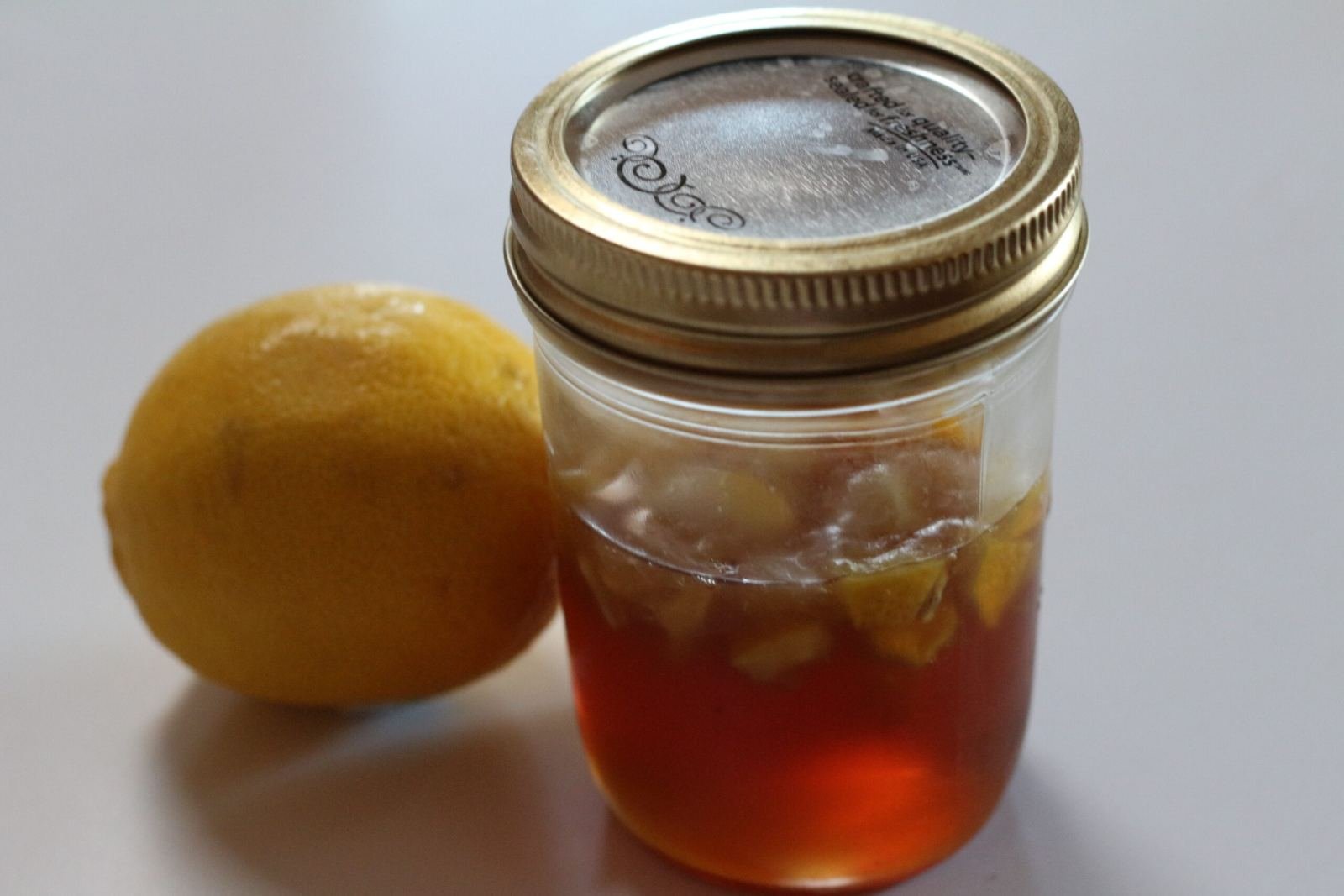
Honey syrup solves a real, practical bartending problem: straight honey is too viscous and dense to shake evenly into a cold cocktail, so it either clumps at the bottom of the shaker or never fully integrates into the drink. Thinning it with water fixes that without changing the underlying flavor. The standard ratio is 1 part honey to 1 part warm water by volume — combine the two in a jar, stir or gently warm until fully dissolved, and let it cool before using. Warm (not boiling) water helps the honey dissolve faster, but there’s no need to actually cook the mixture; honey syrup made this way keeps well refrigerated for several weeks, so it’s worth batching more than you need for a single drink.
The Cocktail Dudes’ short video above walks through the actual technique in under two minutes — useful to watch once even if you’ve read the ratio above, since seeing the syrup’s consistency at the end makes it easy to tell when it’s ready.
The Bee’s Knees: A Real Prohibition-Era Cocktail
The Bee’s Knees — gin, fresh lemon juice, and honey syrup, shaken and strained — is a genuine Prohibition-era drink, not a modern invention dressed up in old-timey branding. Its exact origin is genuinely disputed rather than settled: some cocktail historians credit Frank Meier, the Austrian-born head bartender at the Hôtel Ritz in Paris in the early 1920s, while a 1929 newspaper account instead credits the drink to American socialite Margaret Brown — the same “Unsinkable” Molly Brown known for surviving the Titanic. Both stories can’t be fully verified, and that’s worth stating plainly rather than picking one as fact just because it makes a cleaner story — the drink’s own history remains genuinely contested among cocktail historians.
What’s better documented is the drink’s practical purpose during Prohibition: bathtub gin, distilled illegally and quickly, often tasted rough and slightly off, and bright citrus combined with honey’s sweetness did real work covering up those flaws. The name itself comes from 1920s slang — “the bee’s knees” simply meant “the best,” part of a broader trend of animal-body-part slang from the same era (the cat’s pajamas, the snake’s hips) rather than a literal reference to bees.
The Gold Rush: A Named, Dated, Verifiable Invention
Unlike the Bee’s Knees, the Gold Rush has a specific, well-documented origin. It was invented around 1999 by T.J. Siegal, a bartender and childhood friend of Sasha Petraske, at Petraske’s Milk & Honey — the New York City bar widely credited with kicking off the modern craft cocktail and speakeasy revival. The drink swaps bourbon in for gin and otherwise follows the same basic structure as a Bee’s Knees: 2 parts bourbon, 3/4 part fresh lemon juice, 3/4 part honey syrup, shaken with ice and strained. It’s also accurately described as a classic whiskey sour with honey syrup used instead of standard simple syrup — the honey adds a rounder, less purely sweet finish than sugar syrup does, which is a meaningful part of why the drink caught on as a modern classic rather than a novelty.
The Gold Rush is “a Bee’s Knees with bourbon” — or, just as accurately, a whiskey sour built with honey syrup instead of simple syrup.
Which Honey Actually Works Best
Either drink works with any quality raw honey, but the choice of varietal genuinely changes the result. A light, mild honey — clover or orange blossom are common, widely available choices — lets the base spirit’s own character come through clearly, which is usually the better default for both drinks. A stronger, more distinctive honey (buckwheat or a dark wildflower blend, for example) will assert itself more in the final drink, which can work well in a Gold Rush’s bourbon base but risks overpowering gin’s more delicate botanicals in a Bee’s Knees. There’s no strictly “correct” choice here — it’s a genuine matter of taste — but it’s worth choosing deliberately rather than grabbing whatever honey happens to be in the cupboard.
Frequently Asked Questions
What is honey syrup and how do I make it?
Honey syrup is honey combined with warm water at a 1:1 ratio by volume, stirred or gently warmed until fully blended. It keeps refrigerated for several weeks and mixes into a cold cocktail shaker far more evenly than straight honey does.
What’s the difference between a Bee’s Knees and a Gold Rush?
A Bee’s Knees is made with gin, fresh lemon juice, and honey syrup. A Gold Rush follows the same basic structure but uses bourbon instead of gin — it’s essentially a Bee’s Knees built on whiskey, or a whiskey sour made with honey syrup instead of simple syrup.
Who invented the Bee’s Knees cocktail?
Its origin is genuinely disputed. Some accounts credit Frank Meier, head bartender at the Paris Ritz in the early 1920s; a 1929 newspaper instead credited American socialite Margaret “Unsinkable Molly” Brown. Neither claim is definitively proven.
Who invented the Gold Rush cocktail?
T.J. Siegal invented it around 1999 at Sasha Petraske’s Milk & Honey bar in New York City, a bar widely credited with launching the modern craft cocktail movement.
What kind of honey should I use for cocktails?
A light varietal like clover or orange blossom honey is a safe default that won’t overpower the base spirit. A stronger honey, like buckwheat or a dark wildflower blend, works too but will assert more of its own flavor in the finished drink.