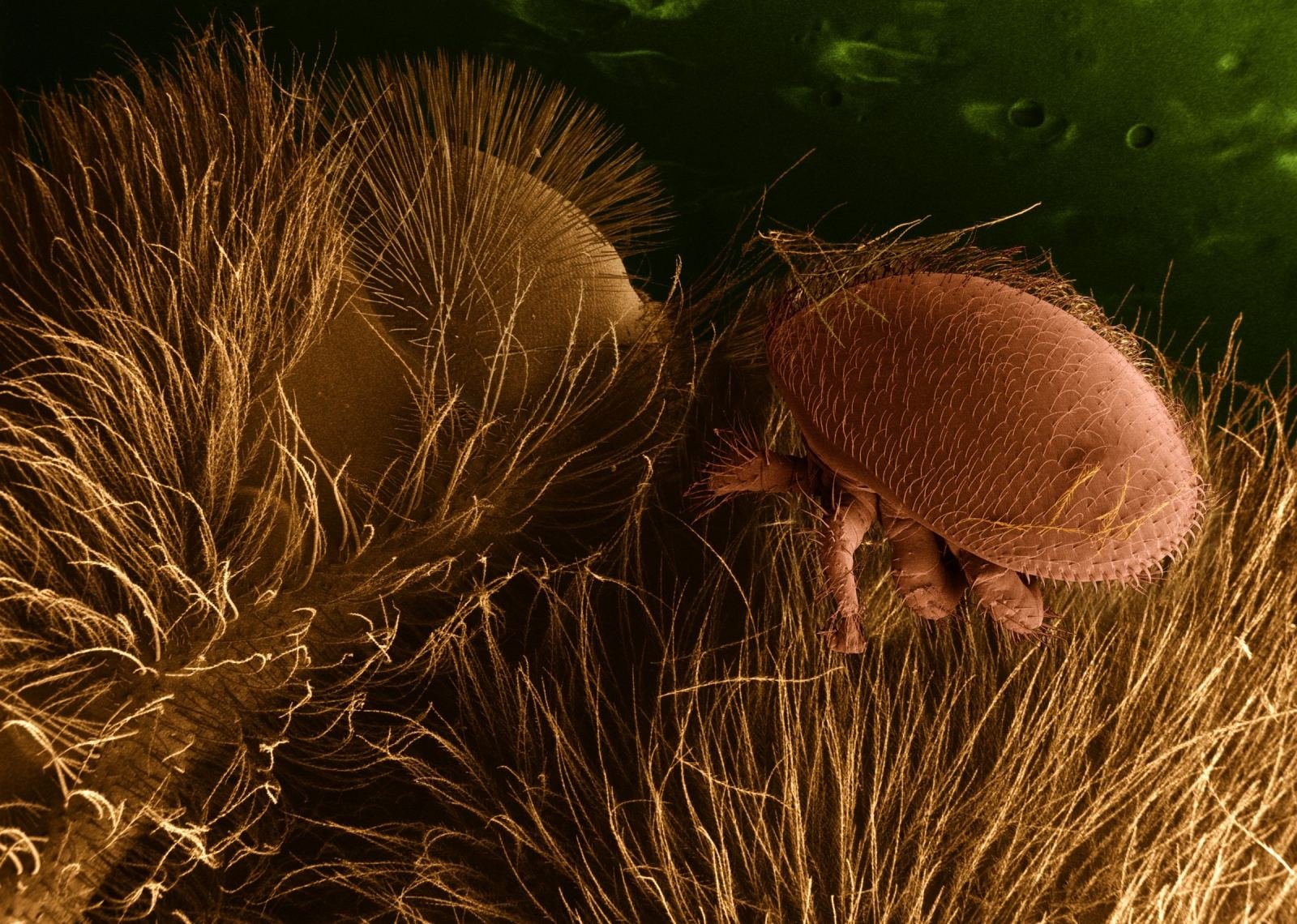
Amitraz is the miticide most US beekeepers reach for first, sold under brand names like Apivar, and it’s also the one Varroa mites are increasingly evolving resistance to. A February 2026 USDA Agricultural Research Service study found a way to fight back without waiting on a brand-new chemical: pairing amitraz with a second compound that blocks the mite’s own defense mechanism, restoring the pesticide’s killing power even against mites that have already evolved resistance to it.
Key Takeaways
- USDA ARS researcher Julia Fine, working with UC Davis and two other ARS labs, identified a synergist compound that blocks an ABC efflux transporter — the mechanism resistant Varroa mites use to pump amitraz back out of their cells before it can build up to a lethal concentration.
- Combining the synergist with amitraz restored meaningful toxicity even against mites that had already evolved amitraz resistance.
- Published in the Journal of Apicultural Research in 2026; the underlying mechanism research also appears in Parasites & Vectors.
- US crops dependent on pollination are valued at more than $20 billion annually, underscoring why Varroa control keeps drawing dedicated federal research funding.
- This is a synergist strategy, not a new standalone miticide — the next research step is refining a version that targets the mite’s transporter specifically without affecting honeybees.
Why Amitraz Resistance Is a Real Problem
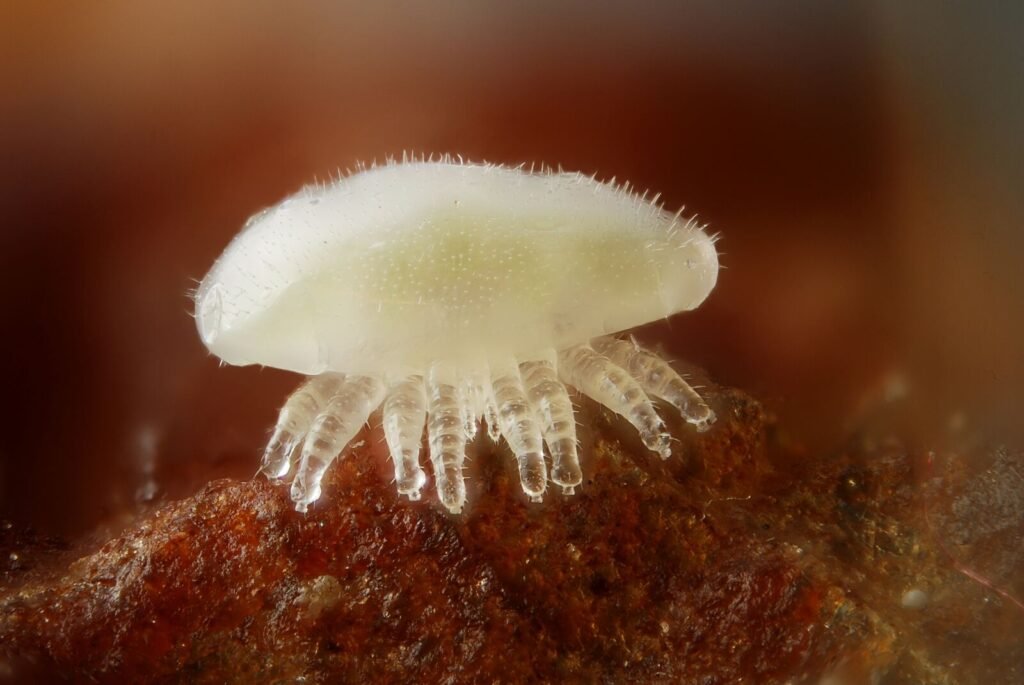
Amitraz strips are the most widely used Varroa treatment in US beekeeping largely because they’re effective, inexpensive, and don’t require the temperature windows or protective handling that formic or oxalic acid treatments do — this site’s own guide to Apivar application covers why it’s become a default choice for so many beekeepers. That popularity is also the problem: heavy, repeated reliance on a single active ingredient is exactly the condition under which pest resistance evolves fastest, and confirmed amitraz-resistant Varroa populations have been reported in multiple US states over the past several years. Once a mite population develops resistance, beekeepers in that region lose their easiest treatment option and have to fall back on more temperature-sensitive or labor-intensive alternatives.
How the New Research Actually Works
Julia Fine, a research entomologist at the ARS Pollinator Health Research Laboratory in Davis, California, led the work in collaboration with UC Davis, the ARS Bee Research Laboratory in Beltsville, Maryland, and the ARS Honey Bee Breeding, Genetics, and Physiology Research Laboratory in Baton Rouge, Louisiana. The team focused on an ABC efflux transporter — a naturally occurring cellular pump that resistant mites use to physically remove amitraz from their cells before it accumulates to a toxic level. The mechanism is detailed in the team’s official USDA ARS research news release and in the peer-reviewed paper published in the Journal of Apicultural Research.
“This compound inhibits a naturally occurring process that prevents certain chemicals, like pesticides, from accumulating inside cells.” — Julia Fine, USDA ARS
Blocking that pump with a second compound — a synergist, in pharmacology terms — means amitraz can no longer be exported out of the mite’s cells fast enough to escape a lethal dose. Fine explained the underlying logic directly:
“If a chemical toxicant can’t reach a high enough concentration in a cell, it won’t have a toxic effect in the organism.” — Julia Fine, USDA ARS
Why This Matters for Ordinary Beekeepers, Not Just Researchers
The practical payoff, if this research eventually reaches the market as a commercial formulation, is fewer treatment cycles and less pressure pushing mites toward even broader resistance. Fine put the stakes in plain economic and practical terms:
“Better amitraz formulations can decrease the need for additional treatments, lower the selection pressure on the mite population, and decrease the economic burden on bee keepers as they protect their colonies.” — Julia Fine, USDA ARS
That selection-pressure point connects directly to something covered in this site’s broader look at spotting the signs of Varroa resistance in your own hive: every time a treatment only partially works, the mites that survive are disproportionately the resistant ones, which speeds up resistance developing in the wider population. A synergist that restores amitraz’s original killing power, rather than asking beekeepers to rotate to a completely different chemical class, is a way to break that cycle without retraining an entire industry on a new product.
What Happens Next
This is still upstream research, not a product on shelves. Fine has been direct that the next step is developing a version of the synergist compound that’s more targeted: “Now that we know this process is important to amitraz tolerance in Varroa, the next step is to develop synergists that specifically inhibit this process in Varroa without affecting honey bees.” Until that work is further along, beekeepers dealing with suspected amitraz resistance today still need to rely on rotating treatment types — this site’s comparison of oxalic acid, formic acid, thymol, and other Varroa treatment options covers the alternatives worth rotating in. The larger takeaway from both this study and the UC Riverside hybrid-bee resistance research published the same year is that Varroa control is being attacked from two very different directions at once — chemical synergists on one side, naturally resistant bee genetics on the other.
Frequently Asked Questions
Is this new amitraz treatment available to buy yet?
No. This is laboratory research published in 2026 identifying a promising synergist mechanism — a commercial product, if one is developed, would still need to go through further testing and EPA registration.
What is an ABC efflux transporter?
A naturally occurring cellular pump that resistant Varroa mites use to remove amitraz from their cells before it reaches a toxic concentration — blocking this pump is what let researchers restore amitraz’s effectiveness.
Does amitraz resistance mean Apivar no longer works at all?
Not universally — resistance varies by region and mite population. Confirmed resistant populations exist in parts of the US, which is exactly why researchers are working on ways to restore or extend the chemical’s effectiveness rather than abandoning it.
Who conducted this research?
Julia Fine, a research entomologist at the USDA Agricultural Research Service’s Pollinator Health Research Laboratory in Davis, California, working with UC Davis and two additional ARS labs in Beltsville, Maryland, and Baton Rouge, Louisiana.