Chickens and bees showing up on the same homestead wish list makes sense — both are low-footprint, both reward a small amount of regular attention, and neither needs acres to be worth keeping. The two animals also genuinely get along better than people expect, once you solve the one real point of friction between them: water.
Bees don’t bother chickens. A hen pecking around the yard isn’t a threat to a hive, and guard bees generally only react to something moving directly across the entrance, not to a bird thirty feet away. Where the two systems actually compete is for a clean water source — and getting that wrong is what causes almost every real “my chickens and bees don’t mix” story homesteaders tell.
Why Water Is the Actual Friction Point
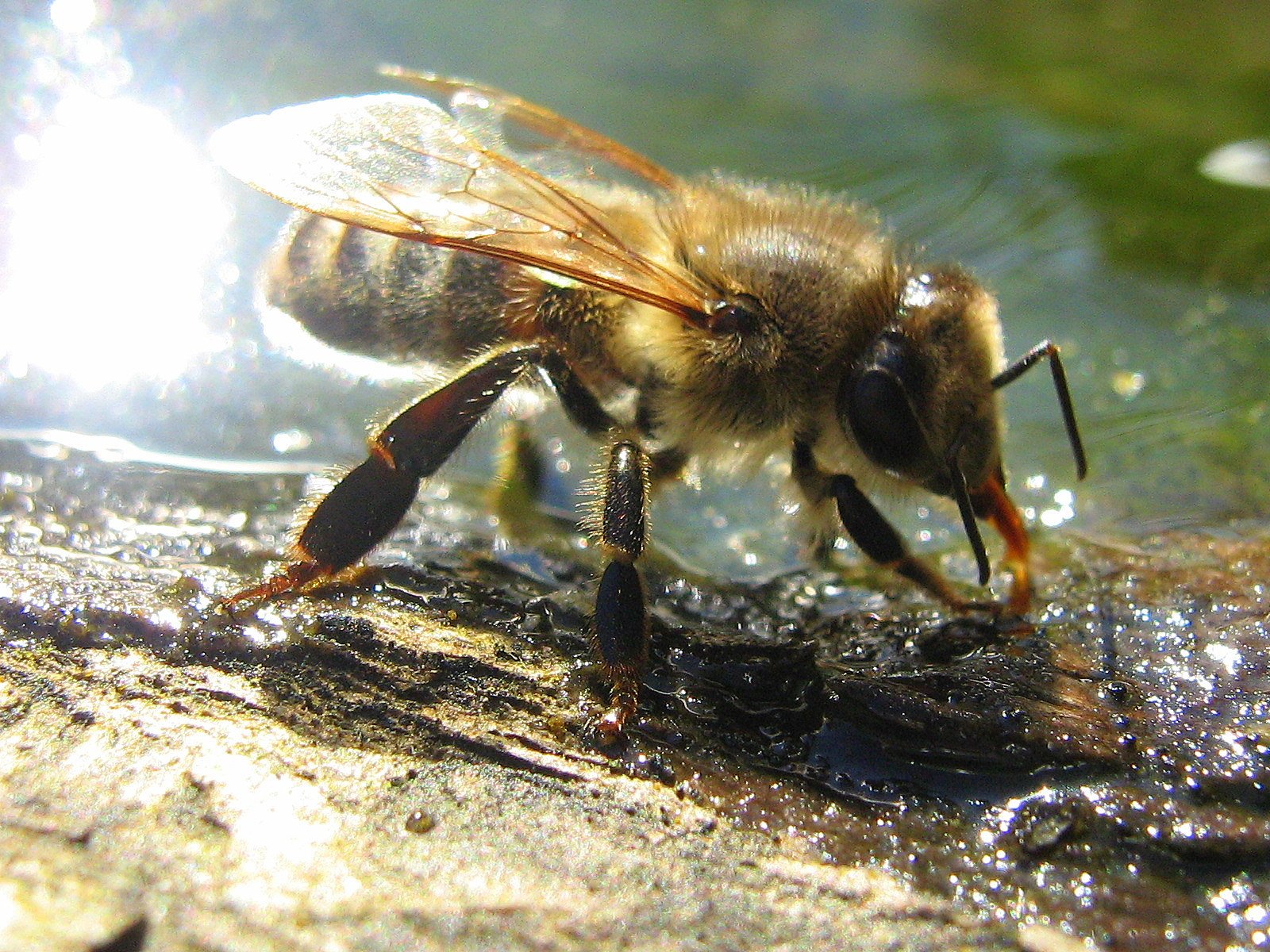
Honeybees need a reliable water source to cool the hive and dilute stored honey for larvae feeding, and they will find whatever water is closest — including a chicken’s open waterer — if nothing better is available nearby. That creates two real problems at once: bees can drown in an open dish with no landing surface, and a crowd of bees working a chicken’s water source can genuinely intimidate the birds or, less commonly, provoke a defensive sting if a hen gets too aggressive investigating them.
The fix isn’t distance, it’s design. A dedicated bee-only water source, placed before the birds’ waterer is ever the closest option, solves this almost completely.
| Water setup | Bee-safe? | Notes |
|---|---|---|
| Open chicken waterer, no rocks | No | Bees drown easily with no landing surface |
| Open chicken waterer with rocks/marbles added | Partial | Gives bees a place to land, but still shared water |
| Chicken nipple/cup waterer | Yes | Physically inaccessible to bees, no shared contact at all |
| Shallow dish or planter saucer with pebbles, placed near the hive | Yes | Gives bees their own reliable source closer than the coop |
Switching a flock over to nipple or cup waterers solves the problem from the chicken side entirely — bees simply can’t access the water at all — and it’s a genuine upgrade for flock health regardless of whether you keep bees, since it keeps the water cleaner than an open dish chickens walk and scratch through all day. Pair that with a shallow, pebble-filled water source placed nearer to the hive than the coop, and both animals default to their own supply without any ongoing management from you.
Coop and Hive Placement
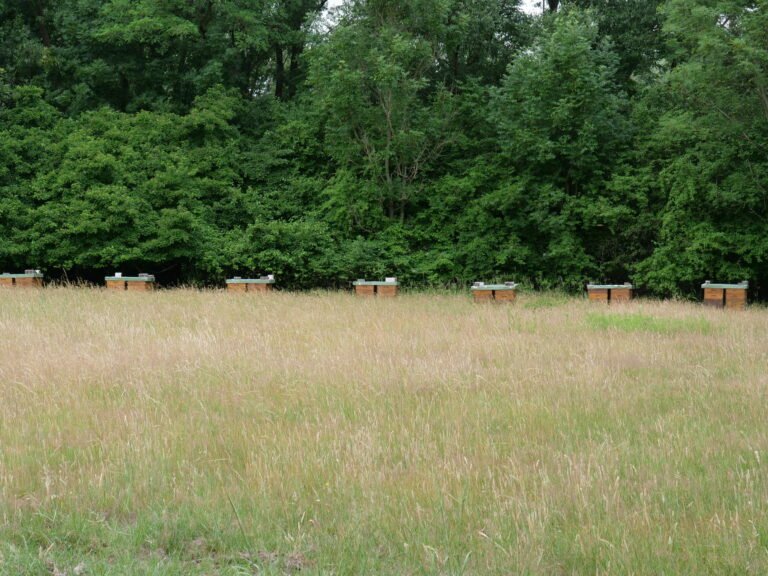
There’s no fixed minimum distance required between a coop and a hive — plenty of homesteads run both within twenty or thirty feet of each other without issue. What actually matters is the same flight-path principle that governs hive placement near anything else: orient the hive entrance so departing and returning bees aren’t flying directly through the run or across the birds’ main foraging area, and keep the water-source fix above in place. If the coop run and the hive’s flight path genuinely can’t avoid crossing, moving either one by even a few feet, or adding a low fence panel to redirect bee traffic upward, usually resolves it without needing to relocate either system to opposite ends of the property.
What Actually Works in the Bees’ Favor
The relationship isn’t purely about avoiding conflict — chickens do a genuinely useful job of cleaning up dead bees, fallen wax cappings, and spilled syrup around the base of a hive, which helps reduce the debris that can otherwise attract ants or other pests to the apiary. They’ll also work over the ground for other insects in the yard, which is a mild but real assist to general pest pressure near the hive. None of this makes chickens a substitute for anything a beekeeper would otherwise do — it’s a small, free side benefit of running both systems on the same ground rather than a reason to add chickens on its own.
Frequently Asked Questions
Will my chickens attack my beehive or eat the bees?
Chickens will occasionally eat a dead or dying bee they find on the ground, but they don’t attack a hive or bother healthy foraging bees in flight — the two generally ignore each other unless water access forces an interaction.
Can bees sting my chickens?
It’s possible but uncommon. Most reported incidents trace back to a hen investigating bees clustered at a shared water source rather than random aggression from either animal.
How close can a chicken coop be to a beehive?
There’s no required minimum distance — many homesteads run both within a few dozen feet of each other successfully, provided the hive’s flight path doesn’t cross directly through the run and water sources are kept separate.
Do I need a special waterer if I keep both animals?
Switching your flock to a nipple or cup-style waterer removes the water-competition problem entirely, since bees can’t access an enclosed water source the way they can an open dish.