More than 1,650 U.S. golf courses currently participate in a formal environmental certification program built around exactly the land most golfers never think about — the rough, the tree lines, the unused acreage between fairways — and roughly 850 of them have gone through the work of actually earning full certification. A golf course is, on paper, an odd candidate for meaningful pollinator conservation. In practice, the amount of out-of-play land most courses carry makes them one of the more realistic places to convert real acreage into real habitat, if a course chooses to.
Key Takeaways
- The Audubon Cooperative Sanctuary Program (ACSP) for Golf is run by Audubon International, an education and certification program distinct from the National Audubon Society.
- Courses must meet documented environmental management standards across six categories to earn and keep certification, with recertification required every three years.
- Over 1,650 U.S. golf courses are members of the program, with roughly 850 having achieved full certified status.
- A related, more narrowly focused initiative — Monarchs in the Rough — specifically funds and supports courses building at least one acre of monarch and pollinator habitat.
- The USGA (United States Golf Association) has backed pollinator-focused course habitat work with real funding, including $1.5 million in grants supporting the Monarchs in the Rough initiative.
Table of Contents
- What the Audubon Cooperative Sanctuary Program Actually Is
- Why Golf Courses Have Unusual Habitat Potential
- What Certification Actually Requires
- Monarchs in the Rough: The Pollinator-Specific Program
- Why the USGA Is Funding This
- A Fair Skeptical Question: Does It Actually Work?
- Frequently Asked Questions
What the Audubon Cooperative Sanctuary Program Actually Is
The Audubon Cooperative Sanctuary Program for Golf Courses (ACSP) is run by Audubon International — an independent nonprofit distinct from the more widely known National Audubon Society, worth flagging since the name overlap causes genuine confusion. First and foremost, the program describes itself as an education initiative rather than a pure enforcement scheme: it exists to help golf courses adopt better environmental management practices, with formal certification as the credential a course earns once those practices are documented and verified.
Why Golf Courses Have Unusual Habitat Potential
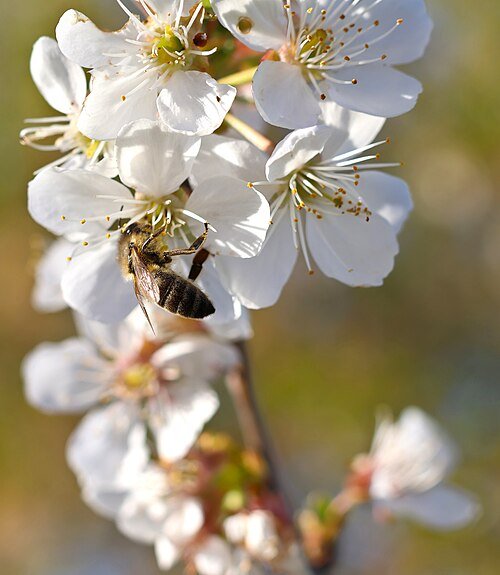
It’s worth pausing on why a golf course is a genuinely interesting habitat candidate rather than an odd choice. A typical 18-hole course includes substantial acreage that isn’t fairway, green, or tee box — rough, tree lines, water-hazard margins, and out-of-bounds areas that exist for the game’s layout but see essentially no foot traffic and little functional use. That land is already fenced off from public access in practice, already excluded from the kind of intensive agricultural chemical use found on working farmland, and already committed to a stable, long-term land use that isn’t likely to be redeveloped season to season. Converting even a modest fraction of that already-idle acreage into native, pollinator-friendly planting is a comparatively low-friction way to create real habitat — the land is sitting there either way; the only question is what grows on it.

What Certification Actually Requires
Earning ACSP certification isn’t a one-time paperwork exercise. Courses must implement and document environmental management practices across six defined categories, and certification isn’t permanent — recertification is required every three years, which means a course has to keep maintaining its practices to keep its certified status rather than earning a badge once and moving on. That renewal requirement is a meaningful design choice: it builds in ongoing accountability rather than rewarding a single initial push followed by neglect.
| Metric | Figure |
|---|---|
| Total U.S. golf courses enrolled as ACSP members | Over 1,650 |
| Courses with full certified status | Approximately 850 |
| Recertification cycle | Every 3 years |
| Categories of required environmental standards | 6 |
| USGA grant funding supporting related pollinator work | $1.5 million (Monarchs in the Rough) |
Monarchs in the Rough: The Pollinator-Specific Program
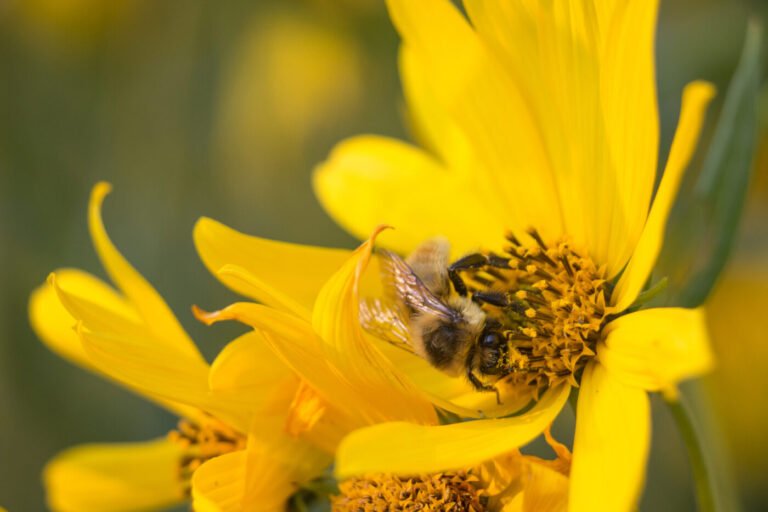
Within the broader ACSP framework sits a more narrowly targeted initiative called Monarchs in the Rough, an affiliated Audubon International program specifically focused on pollinators. Rather than covering the full range of general environmental management the main ACSP certification requires, this program provides courses with the material and guidance needed to build at least one acre of dedicated monarch and pollinator habitat — a concrete, achievable unit of conversion rather than an open-ended environmental commitment. Framing the ask as “one acre” rather than “redesign your course’s ecology” is a deliberate way to make participation realistic for a working golf business that still has to function as a golf course first.
The program’s own description of its purpose is specific about scope: it “provides material for courses to build one acre of monarch habitat, aiding monarch breeding and migration while benefitting other at-risk pollinators” — a target sized to be genuinely achievable rather than aspirational.
Why the USGA Is Funding This
The United States Golf Association’s involvement adds a layer of institutional weight beyond a single nonprofit’s advocacy. The USGA has provided real financial backing for this kind of course-level habitat work, including $1.5 million in grant funding connected to the Monarchs in the Rough initiative specifically. For the sport’s own governing body to fund pollinator habitat work — rather than leaving it purely to individual course owners’ discretion — signals that golf’s own institutions increasingly see this as connected to the industry’s long-term reputation and land-use practices, not just a nice-to-have side project championed by outside environmental groups.
A Fair Skeptical Question: Does It Actually Work?
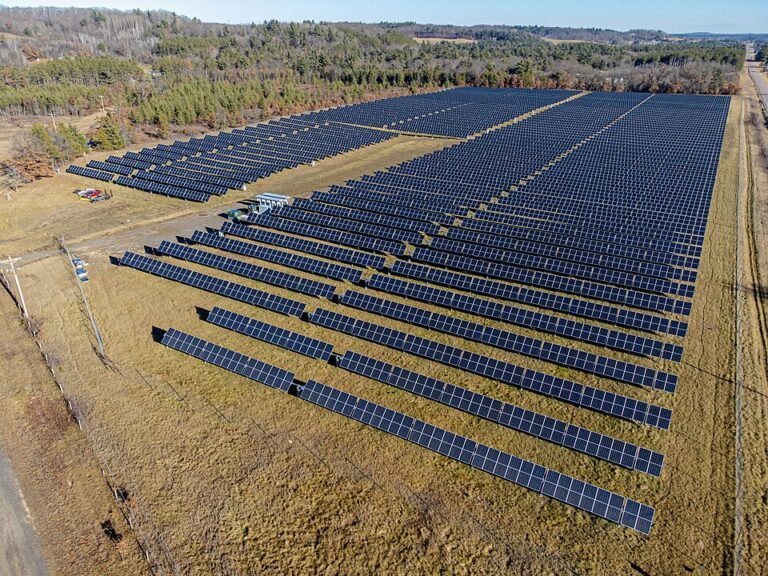
It’s reasonable to ask whether a golf course habitat acre delivers real ecological value or mostly functions as good publicity. The honest answer sits in between. An acre of restored native habitat genuinely does support pollinators — the basic ecology isn’t in dispute, and it mirrors the same underlying logic behind restoring habitat on other underused land, including the solar-facility pollinator work this site covers in its piece on agrivoltaics and pollinator-friendly solar farms. What’s harder to verify at a system-wide level is exactly how much cumulative difference roughly 850 certified courses collectively make against national pollinator decline — a question the program’s own materials don’t claim to fully answer, and one worth keeping in mind rather than treating certification as proof of large-scale ecological impact on its own.
Frequently Asked Questions
Is the golf course Audubon program connected to the National Audubon Society?
No — the Audubon Cooperative Sanctuary Program is run by Audubon International, a separate organization from the National Audubon Society, despite the similar name.
How many golf courses are actually certified?
Over 1,650 U.S. courses participate as members, with approximately 850 having achieved full certified status.
What is Monarchs in the Rough?
An affiliated Audubon International program that provides golf courses with material specifically to build at least one acre of monarch and pollinator habitat.
Does the USGA actually support this financially?
Yes — the USGA has provided grant funding, including $1.5 million connected to the Monarchs in the Rough initiative.
Do golf courses have to be recertified periodically?
Yes — ACSP certification isn’t permanent; courses must be recertified every three years to maintain their status.