Beeswax-based leather conditioners like Otter Wax, Sno-Seal, and Obenauf’s work by melting into leather’s fibers and drying into a solid, water-shedding layer — a genuinely different job from oil-based conditioners, which soften leather but don’t seal out water the same way. Anyone who’s made beeswax lip balm or beeswax soap at home already understands the basic chemistry here — it’s the same wax, applied to a very different surface, for a very different reason.
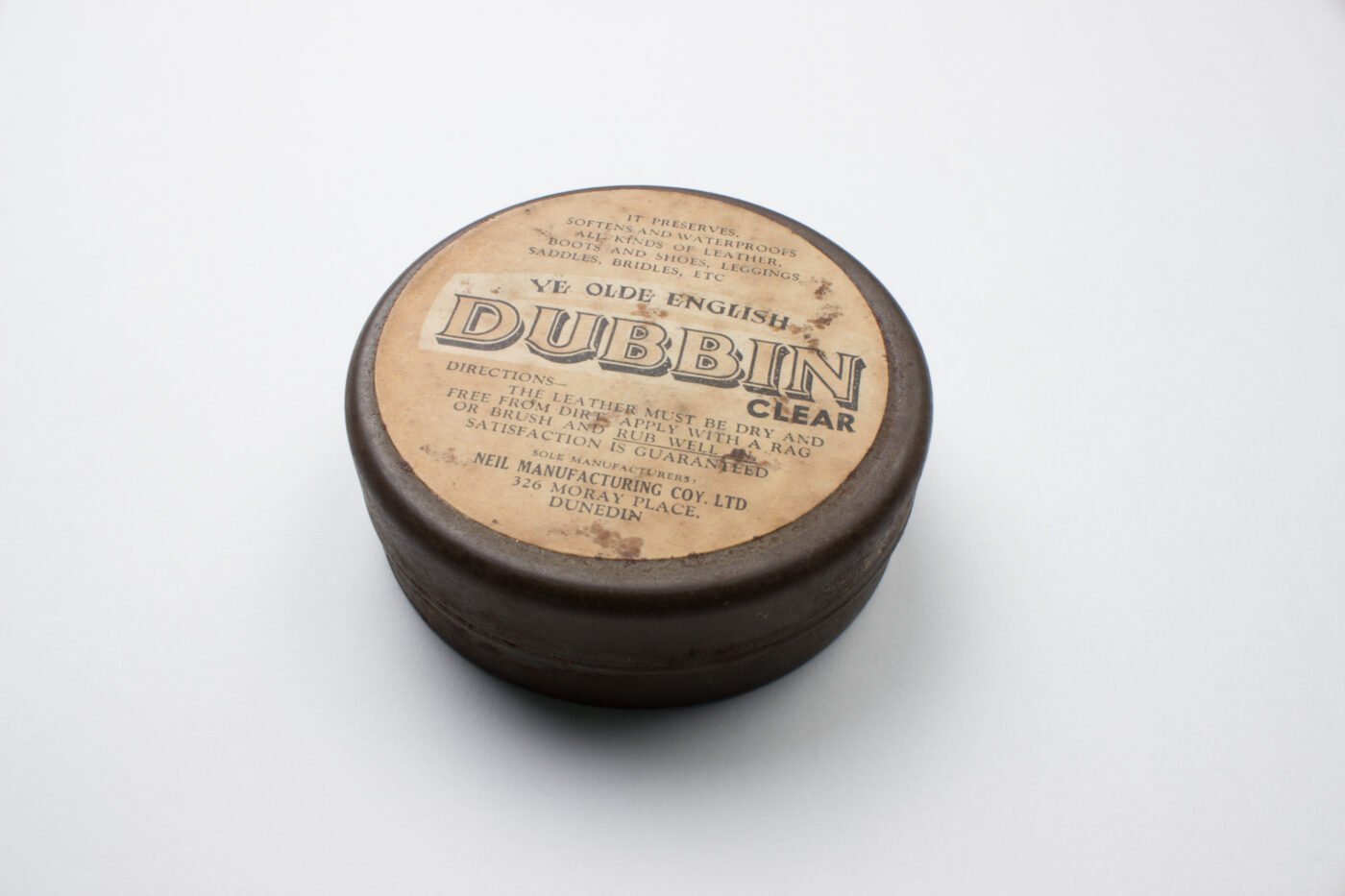
This is a real, mature product category with genuine brand differences worth knowing before buying, not just a repackaged version of the wood polish or candle-making content already on this site. It’s also an old one — “dubbin,” a wax-and-oil leather dressing sold in tins since at least the early 1900s for boots, leggings, and saddles, is the direct historical ancestor of every modern beeswax boot wax on the market today.
Key Takeaways
- Wax-based leather protectants (beeswax, sometimes blended with paraffin or synthetic waxes) seal and waterproof; cream/oil-based conditioners (mink oil, neatsfoot oil, lanolin-based) soften and moisturize but don’t seal out water as effectively.
- Otter Wax, Sno-Seal, and Obenauf’s are all real, verifiable beeswax-based waterproofing products widely sold for boots, work gloves, and outdoor gear.
- Bickmore’s Bick 4 is a genuine leather conditioner but is explicitly positioned as a non-wax, non-glossing alternative for people who don’t want a waxy finish or color change.
- Wax treatments darken most leathers noticeably — always test on a hidden section first, especially on lighter or dyed leather.
- Wax-based products are the better choice for boots, work gear, and anything exposed to real weather; oil-based conditioners suit softer goods like wallets, bags, and baseball gloves where flexibility matters more than waterproofing.
Wax vs. Oil vs. Cream: What Each Actually Does
| Type | How it works | Best for | Example products |
|---|---|---|---|
| Beeswax-based wax/paste | Melts into fibers, dries to a solid water-shedding layer on the surface | Work boots, hiking boots, tool belts, harnesses, anything facing real weather | Otter Wax, Sno-Seal, Obenauf’s Heavy Duty LP |
| Oil-based (mink oil, neatsfoot) | Absorbs into leather, softening and moisturizing fibers from within | Baseball gloves, saddles, items needing maximum flexibility | Various saddle/glove-specific oils |
| Cream conditioner, no wax | Light conditioning without a wax film or color/sheen change | Dress shoes, bags, and goods where you don’t want a glossy or darkened finish | Bickmore Bick 4 |
The Real Brands, and What Makes Them Different
Otter Wax’s Boot Wax is made from beeswax, lanolin, and orange oil, and is explicitly marketed for boots, work gloves, belts, and harnesses — gear that takes a genuine beating outdoors. Sno-Seal’s Original Beeswax Waterproofing has been sold for decades specifically for protection against rain, sun, snow, and salt, and dries to a solid wax film that stays put in the leather’s surface rather than wearing off quickly. Obenauf’s Heavy Duty LP blends natural oils with a beeswax formula aimed at the same heavy-duty boot and outdoor-gear category. All three share the same basic promise: real waterproofing through a wax seal, at the cost of some darkening and a slightly stiffer initial feel until the wax is worked in and the leather flexes with wear.
Bickmore’s Bick 4 sits apart deliberately — it’s formulated as a conditioner that avoids a glossy, waxy buildup and won’t noticeably change the leather’s natural color, which makes it the better pick for anyone who wants conditioning without altering the look of the item, at the cost of little to no real waterproofing benefit.
Sno-Seal’s beeswax formula “dries to a solid wax that ‘stays put’ in the surface of the leather so it lasts longer” than lighter oil treatments that need frequent reapplication — the core tradeoff that defines the entire wax-vs-oil category.
How to Actually Apply a Wax-Based Conditioner
- Clean first. Wipe off dirt and old product residue before applying; wax sealed over grime traps it against the leather.
- Warm it in. Most of these products apply best worked in by hand or with gentle heat (a hair dryer on low, or simply warming the tin), since beeswax softens and spreads far more evenly warm than cold.
- Apply thin coats, not one heavy one. A thin layer that’s fully worked in and buffed outperforms a thick layer left sitting on the surface, which just flakes off with wear.
- Test on a hidden spot first. Wax treatments genuinely darken most leather, sometimes significantly on lighter tans — a small test patch on an inside seam avoids an unpleasant surprise on a visible panel.
- Reapply based on exposure, not a fixed schedule. Boots worn daily in wet conditions need reapplication far more often than a belt or bag used occasionally indoors — watch for water starting to soak in rather than bead up as the real signal it’s time.
When to Skip the Wax Entirely
Wax-based waterproofing is the wrong choice for suede or nubuck (the wax mats down the napped texture permanently), for anything you specifically don’t want darkened, and for goods like a baseball glove or saddle where maximum flexibility matters more than water resistance — an oil-based product is the better fit there. It’s also worth skipping on decorative or dress leather goods where a stiffer, darker finish would work against the item’s purpose.
Frequently Asked Questions
Will beeswax waterproofing wax ruin the color of my leather?
It will typically darken leather to some degree, sometimes significantly on lighter or unfinished leathers — always test on a hidden area first. Darker leathers show less visible change than tans and natural finishes.
Can I make my own leather waterproofing wax at home?
Yes — a common home ratio blends beeswax with neatsfoot oil or a similar carrier oil, melted together and applied warm, following the same basic double-boiler method used for homemade beeswax lip balm, just with different proportions suited to leather rather than skin.
How is this different from mink oil?
Mink oil is an animal-fat-based oil that absorbs into the leather to soften and moisturize it, while beeswax-based products sit more on the surface and form an actual water-shedding seal — the two solve related but different problems, and some leather-care routines use both at different stages.
Does wax conditioning work on synthetic “leather”?
Not effectively — these products are formulated to interact with natural leather’s fiber structure, and most synthetic or “vegan leather” materials won’t absorb wax the same way, so a dedicated synthetic-material cleaner is the better choice for those items.
The honest choice here isn’t which brand wins outright — it’s whether you need real waterproofing (reach for the wax) or gentle conditioning without a color or texture change (reach for a wax-free cream instead).