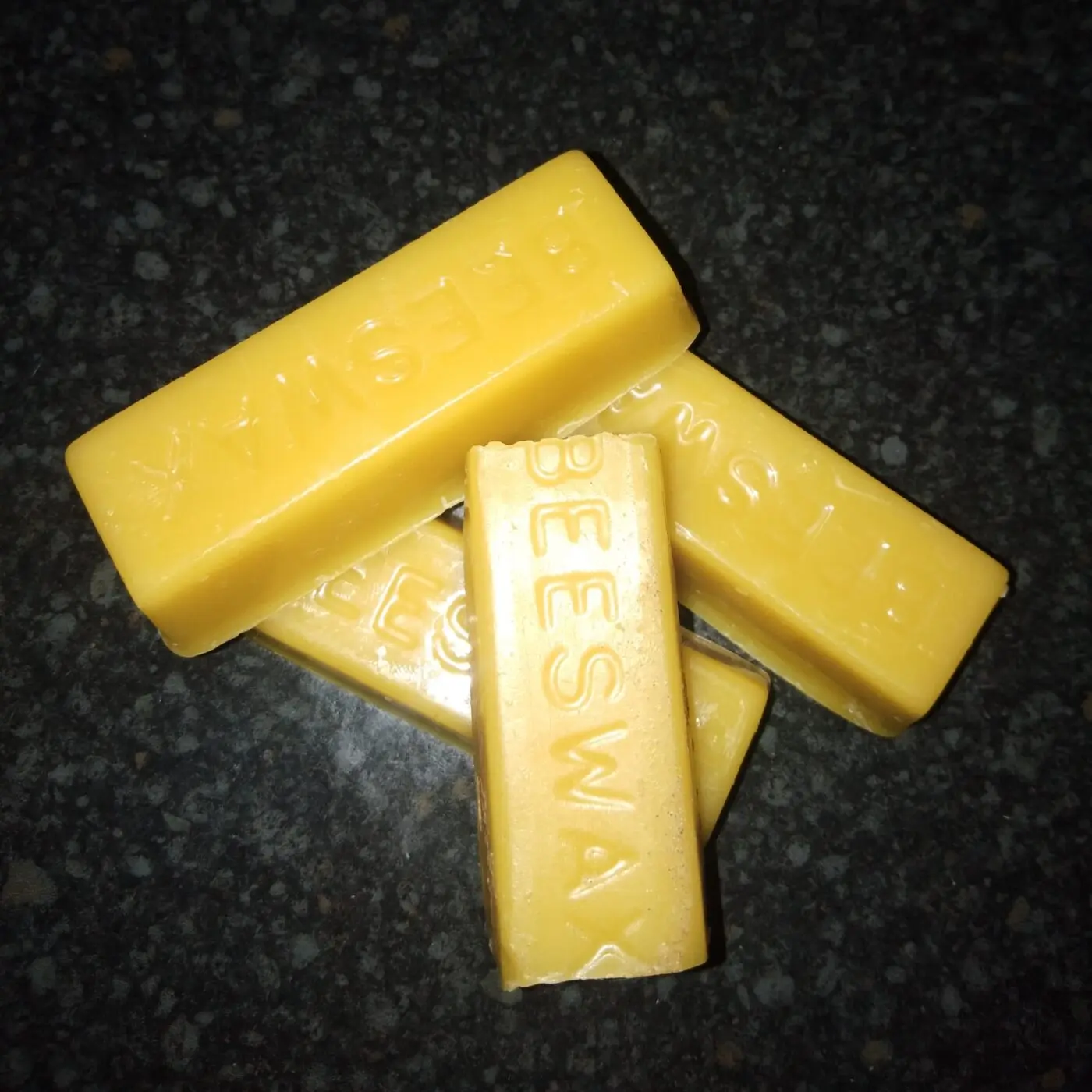
Beeswax is the base ingredient in most quality mustache waxes and beard balms because it holds a stiff, all-day shape without the stickiness of petroleum jelly or the greasiness of straight oil. A mustache wax needs enough hold to train hair against its natural direction (a curled tip, a flat “handlebar”), while a beard balm needs less hold and more conditioning — and the beeswax percentage is the single biggest variable separating one product from the other, and one brand from the next.
This site has covered how to make your own beeswax lip balm and beeswax soap at home, but grooming wax is a different animal from a hold standpoint, and most beekeepers who make their own candles or lip balm have never actually compared what’s sold commercially. Here’s what’s actually in these products, which real brands use genuine beeswax versus a synthetic substitute, and how to pick a hold level that matches your facial hair instead of your Instagram feed.
Key Takeaways
- Mustache wax and beard balm are different products: wax is for styling/hold (10-40%+ beeswax by weight), balm is for conditioning with light hold (usually under 10% beeswax, cut with butters and oils).
- Hold strength is almost entirely a function of beeswax percentage — “strong hold” wax is mostly beeswax with a little oil to keep it workable; “light hold” is mostly oil and butter with just enough beeswax to set.
- Real, verifiable beeswax-based brands include Honest Amish, Badger, Rocky Mountain Barber Co., Stache Stick by Mountaineer Brand, and smaller beekeeper-run operations like Miss Bee Haven and Sweet Comb Chicago.
- Not every “beard wax” on the market actually contains beeswax — some budget mustache waxes substitute paraffin or synthetic waxes, which hold differently (more brittle, less pliable when warmed between fingers) and won’t say “beeswax” on the ingredient list.
- A little goes a long way: over-application is the single most common mistake, since beeswax-based products soften with body heat and a pea-sized amount usually outperforms a thumbnail-sized one.
Wax vs. Balm: Two Different Jobs
The grooming aisle blurs these terms constantly, but they solve different problems. A mustache wax is a styling product — its job is to hold hair in a shape it wouldn’t hold on its own, whether that’s a subtle downward mustache or a full curled handlebar tip. That requires a high beeswax ratio, because beeswax is what stays rigid at room temperature and softens just enough at skin temperature to be workable with warmed fingertips.
A beard balm is closer to a leave-in conditioner with a little bit of hold mixed in. It’s meant to tame flyaways, add shine, and moisturize the skin underneath a longer beard — not to sculpt a specific shape. Balms lean on shea butter, cocoa butter, and carrier oils (jojoba, argan, coconut) for the conditioning half of the job, with beeswax present mostly to firm the mixture into a solid balm you can scoop from a tin rather than a runny oil.
Buying the wrong one for your goal is the most common complaint in product reviews: a heavy wax on a full beard looks greasy and does nothing useful, while a light balm applied to a mustache you’re trying to train into a curl won’t hold past lunch.
What Beeswax Percentage Actually Buys You
| Hold level | Approx. beeswax content | Typical use case | Feel |
|---|---|---|---|
| Extra firm / strong | ~35-45% | Handlebar curls, trained tips, all-day sculpting | Hard at room temp, needs real warming between fingers |
| Medium / classic | ~20-30% | Everyday mustache shaping, taming without a dramatic curl | Firm but workable with body heat alone |
| Light hold wax | ~10-15% | Light training, first-time wax users | Softer, easier to remove, less “helmet” feel |
| Beard balm | ~3-8% | Conditioning + very light hold on a full beard | Creamy, absorbs rather than sitting on top |
These percentages aren’t standardized or required on labels the way food nutrition facts are, so treat them as the general pattern the market follows rather than a guarantee for any specific SKU — always check the actual ingredient list, which brings up the next issue.
Real Brands, and What’s Actually in Them
Honest Amish, made in western Pennsylvania, lists beeswax near the top of its ingredient deck alongside fruit and nut butters and organic oils — it’s one of the more widely stocked mass-market options that’s genuinely beeswax-based rather than a synthetic stand-in. Badger’s organic mustache and beard wax is USDA-certified organic, which by definition rules out synthetic wax substitutes. Rocky Mountain Barber Co.’s beard balm blends beeswax with jojoba and coconut oil for a lighter, conditioning-first formula rather than a strong-hold styling wax. Mountaineer Brand’s Stache Stick is marketed specifically as an extra-firm-hold mustache wax built on beeswax and plant oils, positioning it closer to the “strong hold” end of the table above.
Smaller, beekeeper-run operations are also worth knowing about specifically because the beeswax is traceable to an actual apiary rather than an unnamed bulk supplier: Miss Bee Haven sells a mustache wax and beard balm pairing made with their own harvested beeswax, shea butter, and coconut oil, and Sweet Comb Chicago started making beard wax explicitly as a side project tied to their beekeeping operation. Buying from an outfit like this is functionally similar to buying raw honey directly from a beekeeper instead of a supermarket blend — you’re paying a bit more for traceability, not just marketing.
How to Read the Label Before You Buy
- Look for “beeswax,” “cera alba,” or “Apis mellifera wax” specifically — these are the same ingredient under different naming conventions (cera alba is the INCI cosmetic name), and any of the three confirms real beeswax.
- Be skeptical of “wax blend” or “botanical wax” with no beeswax named. Some budget mustache waxes substitute paraffin, candelilla wax, or carnauba wax, which behave differently — paraffin in particular tends to feel more plastic and less pliable when warmed, and doesn’t carry beeswax’s faint natural honey scent.
- Check for a scent disclosure if you’re sensitive to fragrance. Unscented and “bay rum” or pine-scented options both exist widely; beeswax itself has a mild natural scent that some heavily fragranced products are actually masking rather than complementing.
- Small-batch and larger commercial brands are both legitimate — a bigger name like Honest Amish isn’t lower quality than a small apiary seller, it’s just sourcing beeswax from suppliers rather than its own hives. Neither is inherently the “better” buy; it’s a traceability and price trade-off, not a quality one.
How Much to Actually Use
The single most common first-time mistake is overapplying. Beeswax-based products are solid at room temperature specifically so a small amount can be worked between warmed fingertips into a workable paste — start with an amount roughly the size of a grain of rice for a mustache, or a pea for a full beard balm application, and add more only if that genuinely isn’t enough after working it in for 20-30 seconds. Reapplying a small second dab is always easier than trying to strip out an overapplied, greasy-looking mess, which usually requires a proper wash with dish soap or a dedicated beard shampoo since plain water won’t cut through a wax base.
Frequently Asked Questions
Does mustache wax go bad?
A genuine beeswax-based wax has a long shelf life — a year or more unopened, and typically many months of regular use — since beeswax itself is naturally resistant to spoilage. The oils and butters blended into it are the more likely thing to eventually turn rancid, usually signaled by a sour smell replacing the product’s original scent.
Can I make mustache wax at home instead of buying it?
Yes — the basic ratio most home recipes use is roughly 1 part beeswax to 1 part carrier oil (jojoba or sweet almond are common) by weight, melted together in a double boiler and poured into a small tin to set. It follows the same core technique as making beeswax lip balm, just with a higher beeswax ratio for more hold.
Will mustache wax stain my clothes or pillowcase?
It can, if overapplied or if a heavily waxed mustache is pressed directly against fabric before the wax has fully set against body heat — a light residue is possible on pale pillowcases specifically. Using the correct small amount and giving it a minute to set after application largely avoids this.
Is beard balm a substitute for beard oil?
Not entirely — balm includes butters and a small amount of wax for light hold and styling, while oil is purely a conditioning product with no hold at all. Many people layer oil first for absorption, then a small amount of balm on top for hold and flyaway control.
The honest differentiator here isn’t which brand has the fanciest packaging — it’s whether beeswax actually appears on the ingredient list, and whether the hold level you bought matches the job you’re actually asking it to do.