DriftWatch and its beekeeper-focused counterpart, BeeCheck, are free, voluntary online mapping registries that let beekeepers mark their apiary locations so pesticide applicators can see exactly where hives are before they spray — a simple communication fix for a problem that otherwise depends on an applicator happening to know, by word of mouth, that bees are nearby. Run by the nonprofit FieldWatch, the system now covers 28 U.S. states and three Canadian provinces, and in several participating states, registering hives is also a practical prerequisite for compensation if a pesticide application does end up killing a beekeeper’s colonies.
Key Takeaways
- DriftWatch began in 2008 as a specialty-crop registry developed by Purdue University’s College of Agriculture and the Office of Indiana State Chemist, later spinning off into the independent nonprofit FieldWatch.
- BeeCheck is FieldWatch’s simplified registry specifically for beekeepers, requiring less information than the full specialty-crop DriftWatch form and letting apiary owners mark hive locations quickly, including for large numbers of hives.
- The system now operates across 28 U.S. states and three Canadian provinces, functioning as a shared map that pesticide applicators can consult before planning an application near registered sites.
- Participation is entirely voluntary and the platform explicitly is not a substitute for any state’s regulatory pesticide-use requirements — it’s a communication layer on top of, not instead of, existing law.
- In some states, registering hives through BeeCheck is a practical condition for beekeepers to be eligible for compensation if a documented pesticide-drift incident kills or damages their colonies.
Table of Contents
- What DriftWatch and BeeCheck Actually Do
- From a Purdue Pilot Program to a Multi-State Nonprofit
- How a Beekeeper Actually Uses BeeCheck
- What the System Can’t Do
- Frequently Asked Questions
What DriftWatch and BeeCheck Actually Do
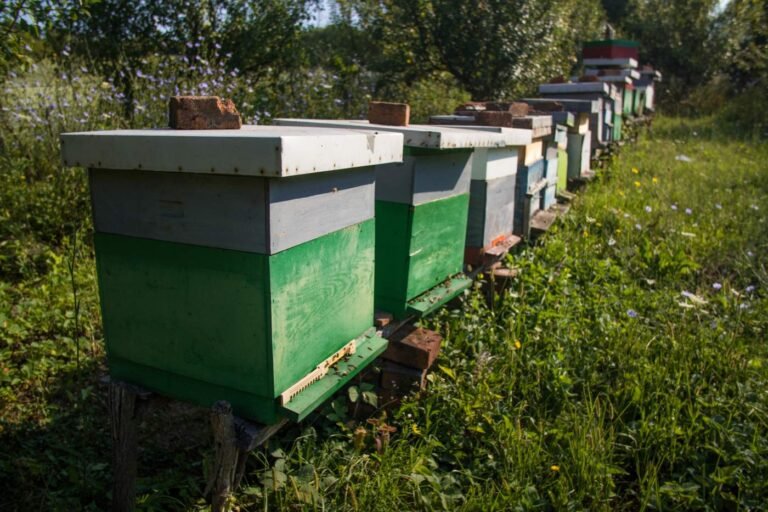
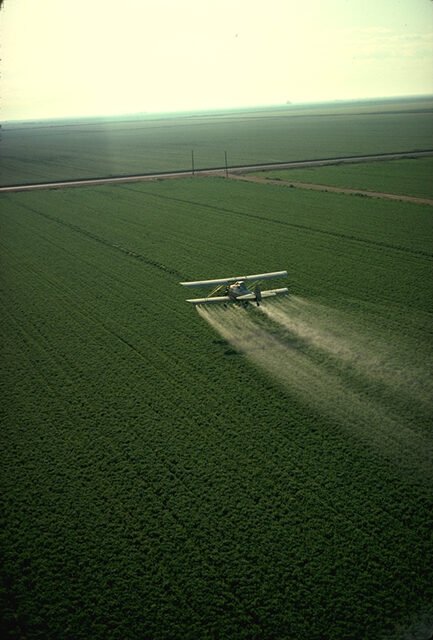
The underlying problem DriftWatch was built to solve is straightforward: a pesticide applicator spraying a field often has no reliable way of knowing that a beekeeper has hives set up in a hedgerow a quarter-mile away, or that a specialty vegetable grower has a pesticide-sensitive crop just over the property line — information that, historically, depended entirely on personal relationships and word of mouth in a given farming community. DriftWatch addresses this with a shared, opt-in online map: registered specialty-crop growers and beekeepers mark their site locations, and pesticide applicators can pull up that same map before planning an application to see what pesticide-sensitive sites sit nearby. BeeCheck is simply the beekeeper-specific front door into the same underlying FieldWatch system, streamlined so an apiary owner — including one managing a large number of hives — can register locations with less data entry than the full specialty-crop DriftWatch form requires.
From a Purdue Pilot Program to a Multi-State Nonprofit
DriftWatch didn’t start as a national platform; it began in 2008 as a specialty-crop site registry developed jointly by Purdue University’s College of Agriculture and the Office of Indiana State Chemist, aimed initially at Indiana growers and applicators. As other states recognized the same communication gap, the program expanded well beyond its Indiana origins, eventually spinning out into FieldWatch, an independent nonprofit that now administers not just DriftWatch and BeeCheck but related registries including SeedFieldCheck and CropCheck for other categories of pesticide-sensitive sites. The organization’s own stated model — “Communication + Cooperation + Collaboration = Successful Co-existence” — reflects that it was built from the outset as a voluntary coordination tool between two groups (specialty growers and applicators, later extended to beekeepers) who each have a legitimate interest in the other knowing where they operate.
How a Beekeeper Actually Uses BeeCheck
In practice, registering is a self-service process: a beekeeper creates a free account on the FieldWatch/BeeCheck platform for their state, then marks the general location of each apiary site on the shared map, along with basic identifying information. Because BeeCheck is designed specifically for apiaries rather than mixed specialty-crop operations, it deliberately asks for less than the full DriftWatch form, which matters in practice for beekeepers managing many out-yards across a season, including migratory operations moving hives seasonally for crop pollination work. Once registered, a beekeeper’s sites show up on the same map pesticide applicators are encouraged to check before an application, giving the applicator the option to adjust timing, method, or buffer distance around a known apiary — something explored in more depth in this site’s guide to apiary risk preparedness more broadly, though pesticide drift is a very different hazard profile from a sudden natural disaster.
What the System Can’t Do
It’s worth being direct about what DriftWatch and BeeCheck are not. The platform’s own materials state plainly that it “is not a substitute for any state regulatory requirements” — registering an apiary doesn’t create a legally enforceable no-spray zone, doesn’t obligate any applicator to actually check the map before spraying, and doesn’t replace whatever pesticide-label restrictions, state apiary registration rules, or local ordinances already apply. It is, deliberately, a voluntary communication layer rather than a regulatory one, which means its real-world effectiveness depends heavily on applicator adoption and habit in a given area — a beekeeper registered on BeeCheck in a region where few local applicators actually consult the map gets a smaller practical benefit than one operating where the tool has become a routine part of local spray planning. That said, in several participating states, hive registration through BeeCheck is also tied to something with real teeth: eligibility for compensation programs when a documented pesticide application does kill or damage a beekeeper’s registered colonies, which gives beekeepers a concrete incentive to register even in areas where applicator uptake is still uneven.
Frequently Asked Questions
What is the difference between DriftWatch and BeeCheck?
DriftWatch is the general specialty-crop pesticide-sensitive site registry; BeeCheck is FieldWatch’s simplified version of the same registry built specifically for beekeepers, requiring less information and designed for registering apiary locations, including large numbers of hives.
Is registering my apiary on BeeCheck free?
Yes, registration is free and voluntary for beekeepers.
Does registering on BeeCheck legally stop pesticide applicators from spraying near my bees?
No. The platform is a voluntary communication tool, not a regulatory one — it does not create an enforceable no-spray zone and does not replace existing state pesticide regulations or label requirements.
Which states currently participate in FieldWatch/BeeCheck?
As of this writing, FieldWatch operates across 28 U.S. states and three Canadian provinces; coverage has expanded over time, so beekeepers should check FieldWatch’s own site for current participation in their specific state.
Why would I register my hives if it’s not legally binding?
Beyond improving the odds an applicator checks for nearby hives before spraying, several participating states tie BeeCheck registration to eligibility for compensation programs if a documented pesticide-drift incident damages or kills registered colonies.