Last Updated September 14, 2026
Washboarding is a strange, hard-to-miss honey bee behavior where groups of worker bees gather on a flat surface — usually the front of the hive — and rock rhythmically back and forth while scraping their front legs across the surface, as if scrubbing a washboard. It’s been formally studied for more than a century, USDA researchers have documented exactly which bees do it and when, and yet no one has been able to prove what it’s actually for — making it one of the few honey bee behaviors that beekeepers can watch happen in broad daylight without anyone being able to fully explain why.
Key Takeaways
- Washboarding is a synchronized rocking motion performed by worker bees, most often on the vertical exterior surface of the hive, in which the front legs stroke the surface while the rear four legs stay largely planted.
- USDA-ARS researchers Katie Bohrer and Jeffrey Pettis documented that washboarders are exclusively worker bees, that the behavior starts around 13 days of age and peaks between 15 and 25 days, and that it happens more on rough or textured surfaces than on smooth ones.
- Activity has been observed increasing through the morning, peaking around midday, and continuing at a steady lower level into the evening, with beekeepers often noticing it most during warm weather and at the end of a nectar flow.
- Leading theories include surface cleaning or propolis application, a form of social bonding or communication, muscle/motor-skill development in young workers, and — from a 2017 study of feral colonies — a possible role in dispersing orientation pheromone near the hive entrance. None has been confirmed as the definitive explanation.
- Washboarding causes no harm to the colony and requires no beekeeper intervention; it’s considered a normal, if genuinely unexplained, part of honey bee behavior.
Table of Contents
- What Washboarding Actually Looks Like
- What USDA Research Actually Documented
- The Leading Theories — and Why None Is Confirmed
- Should a Beekeeper Do Anything About It?
- Frequently Asked Questions
What Washboarding Actually Looks Like
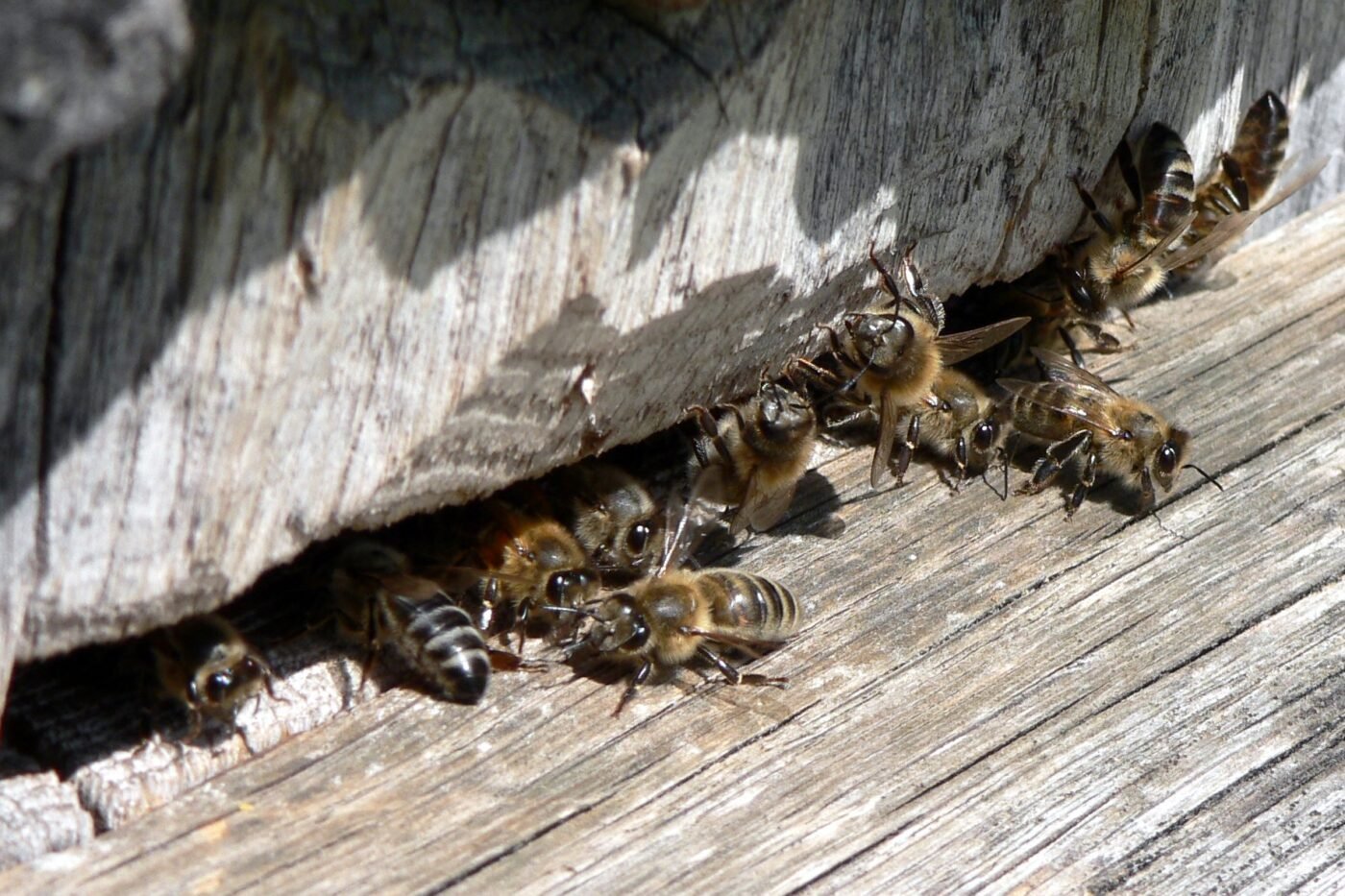
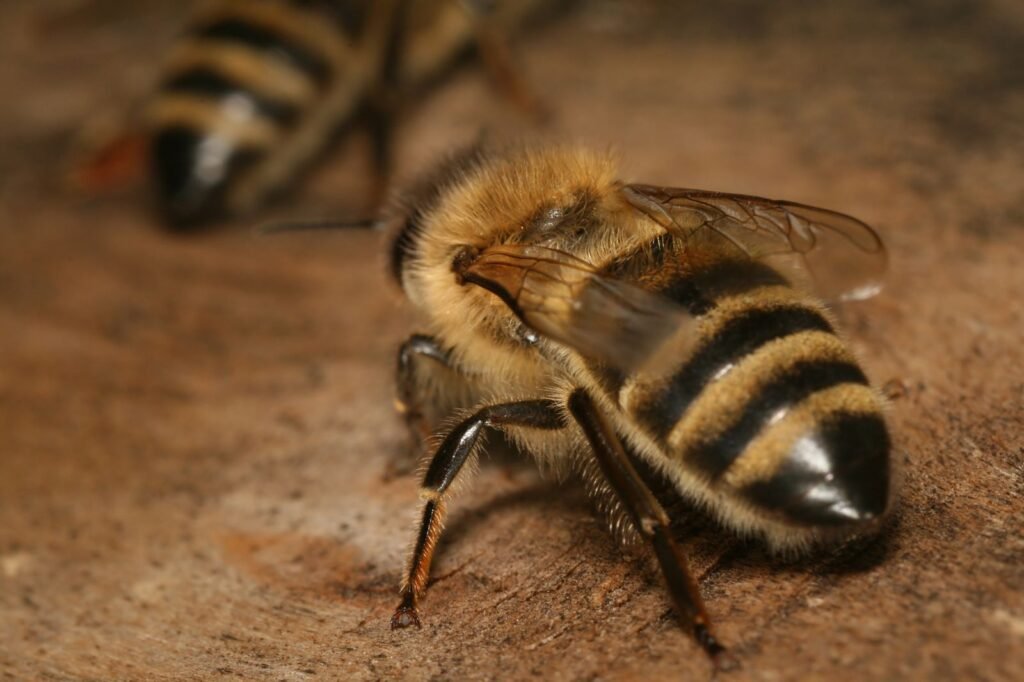
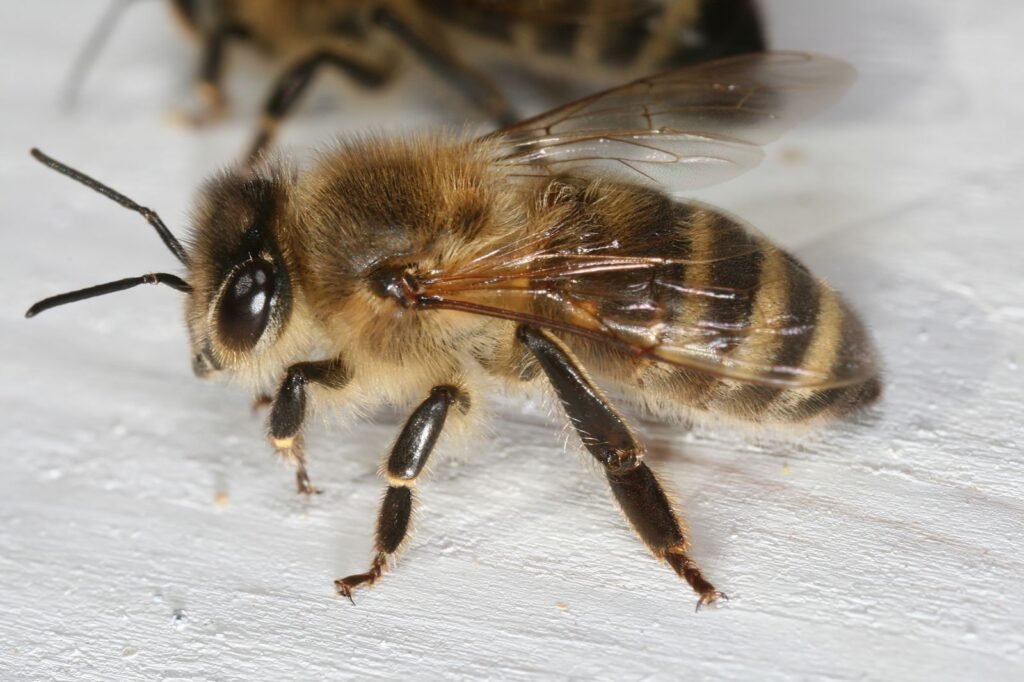
The name describes the motion almost perfectly: a group of bees — sometimes just a handful, sometimes dozens — line up on a flat surface, typically the vertical front board of the hive, and rock their whole bodies backward and forward in a steady, synchronized rhythm. Close observation shows the rear four legs generally stay planted in roughly one spot while the front two legs do the active work, sweeping and stroking the surface with each forward rock, sometimes accompanied by what looks like a brief licking or mouthing motion at the surface. It happens both on the outside of the hive and, less visibly to a beekeeper, on interior surfaces as well, and beekeepers who’ve watched it for any length of time often describe it as oddly hypnotic — a whole cluster of bees moving in loose unison for no immediately obvious reason.
What USDA Research Actually Documented
Washboarding has attracted scientific curiosity for over a century, but one of the more detailed modern studies of the behavior came from USDA-ARS Bee Research Laboratory scientists Katie Bohrer and Jeffrey Pettis, published as a formal observational study of washboarding in feral honey bee colonies. Their research established several concrete, repeatable facts about who washboards and when: every washboarder identified in their study was a worker bee — no drones were observed participating — and the behavior doesn’t start immediately after emergence, but rather begins around 13 days of age, with participation peaking in workers between 15 and 25 days old, an age range that overlaps with when workers are transitioning toward more outdoor-oriented hive duties. Their observations also found a clear daily pattern, with washboarding activity increasing from roughly 8 a.m. through early afternoon before leveling off at a lower, steady rate into the evening, and a clear surface preference — bees washboarded more readily on rougher or more irregularly textured surfaces (slate, for instance, more than smooth glass), which is itself a meaningful clue even without a confirmed explanation.
The Leading Theories — and Why None Is Confirmed
Despite over a century of observation, entomologists still can’t say with confidence what washboarding accomplishes for the colony, and several genuinely competing theories remain on the table rather than one clear winner. One holds that the behavior functions as a cleaning or surface-conditioning activity — quite literally polishing or smoothing a rough surface, potentially reducing places where pathogens or debris could accumulate, or applying a thin layer of propolis in the process. Another treats it as a social or communicative behavior, pointing to its synchronized, group nature as something closer to the coordinated signaling seen in other honey bee behaviors like the waggle dance, though without anything like the same demonstrated information content. A third proposes it as a kind of motor-skill training for young bees — the idea that repeatedly practicing this coordinated leg movement and full-body rocking helps reinforce muscle groups and neural pathways that later prove useful for tasks like comb construction or cleaning cells, which would help explain why it clusters so specifically around the 15-to-25-day age window rather than occurring at random. A fourth, less-favored idea suggests a predator-deterrent function, though this has less direct supporting evidence than the others. None of these theories has been definitively confirmed or ruled out, and it remains an open, actively interesting question in honey bee behavioral research rather than a settled one.
A 2017 study in the Transactions of the Kansas Academy of Science adds a fifth possibility worth taking seriously. Wildlife biologist James F. Taulman documented washboarding in feral honey bee colonies nesting in Kansas forest cavities — the first formal record of the behavior outside a managed apiary — and proposed that washboarders’ distinctive head-down posture may help disperse Nasonov pheromone, the scent worker bees release from a gland near the tip of the abdomen to mark and orient nestmates toward the entrance. If that holds up, it would tie washboarding to the same orientation-and-recruitment signaling bees use after swarming or when guiding nestmates to a new food source, rather than treating it purely as a cleaning or developmental behavior.
Entomologists at the University of California, Davis have floated still other angles. In a UC Agriculture and Natural Resources write-up of washboarding observed at the university’s own research apiary, bee breeder-geneticist Susan Cobey suggested it might simply be “busy work” bees turn to during slow foraging conditions, while longtime UC Davis entomology professor Norman Gary favored the cleaning-and-polishing explanation — a reminder that even researchers who’ve watched the behavior firsthand for decades land on different guesses.
Michigan State University Extension apiculturist Dr. Zachary Huang, who has studied honey bee behavior for more than three decades, covers washboarding directly as one of several genuinely puzzling “beehaviors” in a recorded university Extension presentation, walking through what’s actually been observed versus what remains speculation:
Should a Beekeeper Do Anything About It?
No — washboarding is considered a completely normal, harmless behavior that requires no intervention, treatment, or concern on a beekeeper’s part. It doesn’t indicate disease, stress, queenlessness, or any other colony problem, and it doesn’t interfere with normal foraging, brood-rearing, or any other essential colony function; the bees performing it are simply diverting some portion of their time to an activity whose real function remains genuinely unresolved. If anything, beekeepers who notice it happening more on certain hive surfaces than others — matching Bohrer and Pettis’s documented preference for rougher, more textured material — have an easy, low-stakes way to observe the pattern firsthand: simply note which of their hive’s surfaces, paint types, or wood textures seem to attract the behavior most, an informal experiment that costs nothing and adds a small, genuine data point to what remains an open scientific question. It sits alongside other externally visible but not fully understood behaviors like bearding outside the hive as a reminder that plenty of ordinary honey bee behavior is still, genuinely, not completely explained.
Frequently Asked Questions
What is washboarding behavior in honey bees?
Washboarding is a synchronized rocking motion in which groups of worker bees stroke their front legs across a flat surface, usually on the exterior of the hive, in a rhythmic scrubbing-like movement whose exact purpose is not yet scientifically confirmed.
Do drones ever washboard?
No. USDA-ARS research by Katie Bohrer and Jeffrey Pettis found that every washboarder observed was a worker bee, with no drone participation recorded.
At what age do worker bees start washboarding?
Research found washboarding begins around 13 days of age, with participation peaking in workers between 15 and 25 days old.
Is washboarding the same thing as bearding?
No, they’re distinct behaviors. Bearding is bees clustering outside the hive, typically to relieve internal heat and congestion during hot weather. Washboarding is a rhythmic front-leg rocking and stroking motion tied to worker age rather than temperature, and it can occur even when a hive isn’t bearding at all, as the Southern Oregon Beekeepers Association explains.
Does washboarding mean a colony is overcrowded?
Not necessarily. Some beekeepers report noticing more washboarding around overcrowded conditions or the end of a strong nectar flow, but that link hasn’t been formally tested — the actual research ties the behavior to worker age, not colony density. A hive that does look genuinely crowded still calls for the standard response (adding a super or making a split) regardless of how much washboarding is happening.
Is washboarding harmful or a sign of a problem in the hive?
No. It’s considered a normal, harmless behavior unrelated to disease, stress, or queen problems, and requires no beekeeper action.
What is the most likely explanation for why bees washboard?
There isn’t a confirmed single explanation. Leading theories include surface cleaning or propolis application, social bonding or communication, motor-skill development in young workers, and a possible role in dispersing orientation pheromone near the hive entrance, but no theory has been definitively proven over the others.
Related Reading
Image credits: Photo: Wojsyl, CC BY-SA 3.0, via Wikimedia Commons.