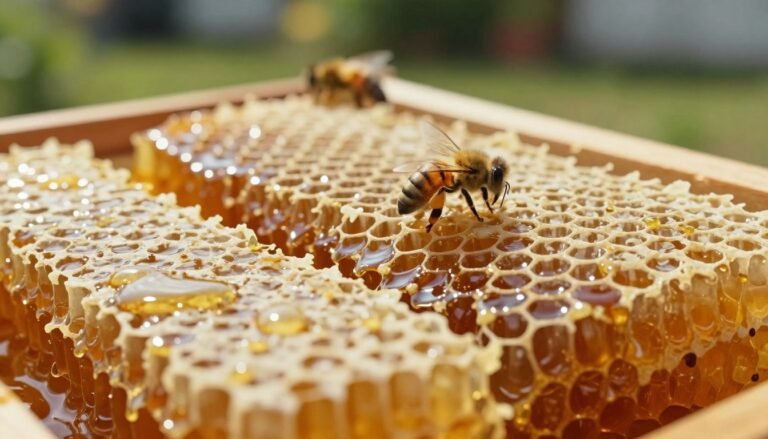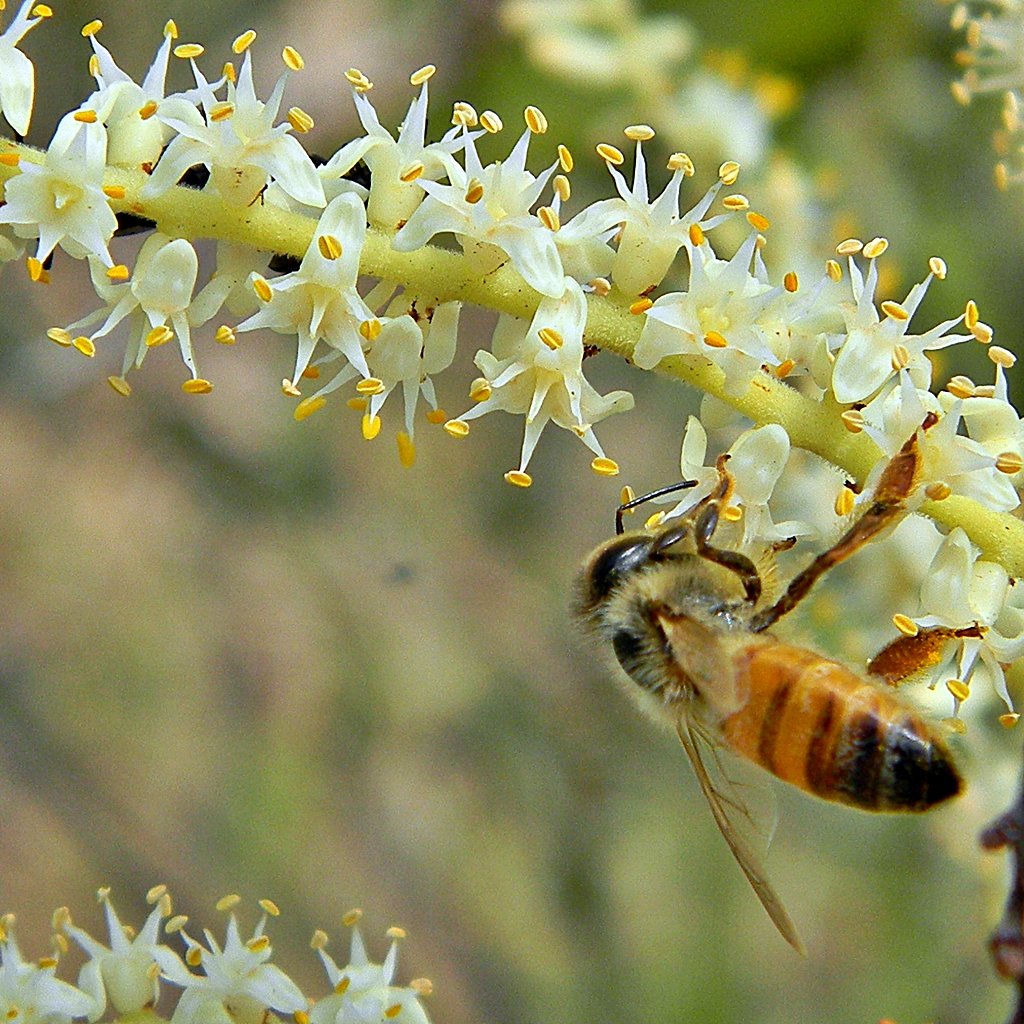
Saw palmetto honey comes from one of the most common plants in Florida — the short, squat saw palmetto shrub found along nearly every walking trail and preserve in the state — yet it’s genuinely hard to find in quantity, because a plant this abundant still takes years to mature enough to bloom and even then produces only a limited amount of nectar per plant. That scarcity-despite-abundance is the real story behind this honey’s reputation among Florida beekeepers and specialty buyers, and it shapes both its price and its distinctive, polarizing flavor.
Key Takeaways
- Saw palmetto (Serenoa repens) is one of the most visually common native plants across Florida’s trails and preserves, but individual plants take a long time to mature to flowering and produce only limited nectar even once they do — a real, verifiable reason for the honey’s scarcity despite the plant’s abundance.
- The flavor is genuinely distinctive and more complex than most single-origin honeys: descriptions consistently include a smoky, almost salty note alongside sweetness, with fruity, citrusy, and caramel-woody undertones — some tasters specifically note grapefruit, dried rose, dark plum, and cedar characteristics.
- It’s light in color with a hint of fruitiness and a “woodsy” character, and is specifically recommended by several Florida producers as a pairing for salty, hard cheeses rather than as a mild all-purpose sweetener.
- Bees foraging saw palmetto flowers are also drawn to the oils that seep from the plant’s surface and developing fruit, not just the nectar itself — a detail specific to this plant’s chemistry.
- Because it’s a true Florida-native monofloral honey rather than a wildflower blend, buyers should look for a named Florida apiary or region on the label rather than assuming any “palmetto honey” listing is the genuine single-origin product.
Table of Contents
- A Common Plant, an Uncommon Honey
- A Genuinely Complex, Polarizing Flavor
- How Florida Producers Actually Recommend Using It
- Frequently Asked Questions
A Common Plant, an Uncommon Honey
Saw palmetto is about as ubiquitous a plant as Florida has — a short, fan-leafed, palm-like shrub that thrives in the state’s subtropical conditions and shows up in dense stands along most of Florida’s hiking trails and nature preserves. That abundance might suggest saw palmetto honey should be common and cheap, but the reality runs the opposite direction: individual plants take a long time to grow and mature before they’re capable of producing flowering buds at all, and even mature, blooming plants yield only a limited amount of nectar and, in turn, honey. The result is a true Florida-native monofloral honey that stays a specialty product relative to more heavily produced Southeastern varietals like tupelo or orange blossom, despite growing on some of the most common ground cover in the state.
A Genuinely Complex, Polarizing Flavor
Saw palmetto honey doesn’t taste like a typical mild wildflower honey, and multiple independent tasting descriptions from Florida producers converge on a similar, unusually complex profile: a light-colored honey carrying a smoky, almost salty edge alongside its sweetness, with fruity and citrusy notes layered against caramel and woody undertones. Some more detailed tasting notes go further, specifically calling out grapefruit and dried rose on the front end and dark plum and cedar in the finish. This is a genuinely more complex flavor profile than most single-varietal honeys on the market, and it’s not a honey that reads as “generic sweet” the way a mild clover or wildflower honey does — worth knowing before buying a jar expecting a neutral table honey.
How Florida Producers Actually Recommend Using It
Several Florida honey producers specifically position saw palmetto honey as a pairing honey for salty, hard cheeses, where its bold, smoky-sweet complexity complements rather than gets lost against a strong cheese — a more specific and more useful recommendation than the generic “great on toast” framing applied to most honey varietals. It’s also mentioned as a good addition to a vinaigrette or salad dressing, where its complexity stands in for some of the depth a simpler honey would leave flat. One botanical detail worth knowing: bees working saw palmetto aren’t purely nectar foragers here — they’re also drawn to oils that seep from the plant’s surface and its developing fruit, a somewhat unusual foraging behavior specific to this species that likely contributes to the honey’s distinctive character.
Frequently Asked Questions
Why is saw palmetto honey hard to find if the plant is everywhere in Florida?
Individual saw palmetto plants take a long time to mature enough to flower, and even mature, blooming plants produce only a limited amount of nectar. The plant’s visual abundance doesn’t translate into abundant honey production.
What does saw palmetto honey taste like?
It’s genuinely complex: light in color with a smoky, almost salty edge alongside sweetness, and fruity, citrusy, caramel, and woody notes — some detailed tasting notes specifically mention grapefruit, dried rose, dark plum, and cedar.
What should I pair saw palmetto honey with?
Florida producers commonly recommend it with salty, hard cheeses, and as an addition to salad dressings or vinaigrettes, where its bold complexity holds up better than a milder honey would.
Is all “palmetto honey” sold online genuinely single-origin?
Not necessarily — as with any specialty varietal, check the label for a named Florida apiary or region rather than assuming a “palmetto honey” listing is exclusively sourced from saw palmetto nectar.
Do bees collect anything besides nectar from saw palmetto?
Yes — bees are also drawn to oils that seep from the plant’s surface and its developing fruit, in addition to foraging the flowers for nectar, a detail specific to this plant’s chemistry.
Where does saw palmetto honey come from?
It’s a true Florida-native monofloral honey, produced from the nectar of Serenoa repens, a shrub found widely across Florida’s trails, preserves, and natural areas.
For additional context, see National Honey Board.