Mesquite honey comes from one of the few reliable nectar sources in America’s hottest deserts, and one of its main source trees — Prosopis glandulosa — is literally named “honey mesquite,” a rare case of a plant’s common name directly reflecting its value to beekeepers rather than its appearance or use to humans. Produced across the Sonoran and Chihuahuan Desert regions of Arizona, New Mexico, and Texas, it’s a light-colored, mild honey whose exact flavor description varies more between producers than most single-origin honeys — worth knowing before you buy a jar expecting one fixed, universal taste.
Key Takeaways
- Honey mesquite (Prosopis glandulosa) is a real, commonly used tree species name — not a marketing term — reflecting how important its nectar is to desert beekeepers.
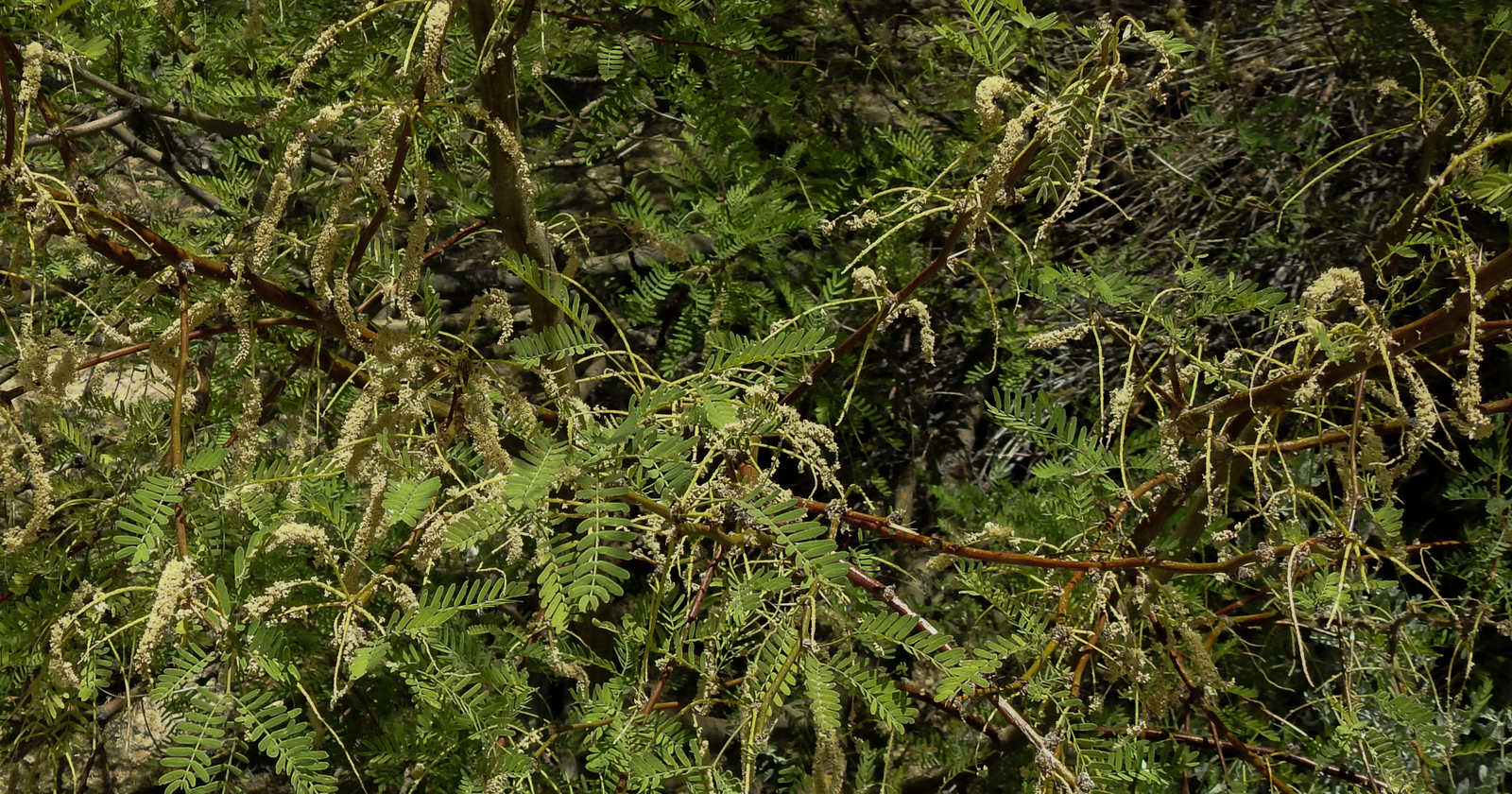
- Mesquite trees typically bloom from April through June in the Sonoran Desert, producing small, fragrant, greenish-yellow catkin-like flower spikes that are one of the few dependable nectar sources during the desert’s early dry season.
- Flavor descriptions genuinely vary by source: most describe it as light-colored with a mild, buttery or cinnamon-like sweetness, though some beekeepers and tasters report a darker, heavier profile — a real, documented inconsistency across producers rather than a single fixed flavor profile you can assume from the name alone.
- Mesquite trees have notoriously sharp thorns, and dense mesquite groves (called a “bosque”) can be difficult or restricted terrain to work in directly — a genuine practical hazard specific to this forage source.
- Desert beekeeping in mesquite country depends on a reliable water source near the apiary, since colonies in arid regions need consistent water access to process nectar and cool the hive, independent of the mesquite bloom itself.
Table of Contents
- The Tree That’s Named After Honey
- The Bloom Window and Why the Desert Needs It
- Flavor: Why Descriptions Vary So Much
- What Desert Beekeeping Around Mesquite Actually Requires
- Frequently Asked Questions
The Tree That’s Named After Honey
Most monofloral honeys are named after their source plant regardless of whether the plant itself has any particular association with bees — clover honey doesn’t imply clover was named for its honey. Honey mesquite is a genuine exception: Prosopis glandulosa carries “honey” directly in its accepted common name, a naming choice that reflects just how significant the tree’s nectar is to beekeepers working the Southwestern deserts, where far fewer nectar-producing plants are available compared to a temperate climate with a long, overlapping bloom season.
The Bloom Window and Why the Desert Needs It
Mesquite trees across the Sonoran Desert typically bloom from April through June, once temperatures have warmed consistently, producing small, fragrant, greenish-yellow flower spikes that look more like slender catkins than a typical showy blossom. That timing matters beyond the honey itself: in an environment where nectar-producing plants are naturally scarce for much of the year, a dependable spring bloom from a widespread, drought-tolerant tree is a critical resource for both wild pollinators and managed honey bee colonies trying to build up strength after winter before the punishing heat of a desert summer sets in.
Flavor: Why Descriptions Vary So Much
Ask several mesquite honey producers to describe their product and you’ll get real, meaningfully different answers — this isn’t inconsistent reporting, it’s an honestly documented variation. Most sources describe mesquite honey as light in color with a mild sweetness and a buttery or cinnamon-like character, sometimes with a subtle smoky undertone, finishing clean rather than lingering. Other beekeepers and buyers describe a darker, heavier-flavored honey from the same source plant. That spread is a real reflection of how much floral-source honey can vary based on the specific mesquite species, regional soil and rainfall conditions in a given year, and how much the nectar is blended with other minor forage the colony worked at the same time — genuinely different from a single, standardized commercial product, and part of what makes single-origin desert honey worth seeking out for the variation itself rather than expecting one fixed flavor every time.
What Desert Beekeeping Around Mesquite Actually Requires
Two practical realities shape beekeeping in mesquite country beyond simply having trees nearby to forage. First, mesquite trees have genuinely sharp thorns, and dense mesquite groves — sometimes called a “bosque,” a Spanish term for this kind of streamside woodland — can be difficult and even restricted terrain to move through directly, which matters if an apiary site is placed near or within one. Second, and more fundamental to desert beekeeping generally regardless of the specific bloom: colonies need a reliable, consistent water source near the hive. Bees use water to dilute stored honey for feeding brood and to cool the hive through evaporation on hot days, and in arid regions without natural standing water nearby, beekeepers typically have to provide it deliberately — a requirement that has nothing to do with mesquite specifically but is inseparable from keeping bees successfully anywhere in the Southwest desert climate mesquite honey comes from. For more on that broader climate challenge, see this site’s guide to beekeeping in hot, arid climates.
Frequently Asked Questions
Why is honey mesquite literally named after honey?
Prosopis glandulosa‘s common name, “honey mesquite,” reflects how valuable the tree’s nectar is to beekeepers in the desert Southwest, where dependable nectar sources are naturally limited for much of the year.
What does mesquite honey actually taste like?
Most descriptions center on a light color and a mild, buttery or cinnamon-like sweetness with a clean finish, though some producers report a darker, heavier flavor from the same source — a real, documented variation rather than one fixed taste.
When do mesquite trees bloom?
Typically from April through June in the Sonoran Desert, once temperatures warm consistently, producing small greenish-yellow catkin-like flower spikes.
Is it dangerous to keep bees near mesquite trees?
The trees themselves aren’t a hazard to bees, but their sharp thorns make dense mesquite groves difficult to move through for a beekeeper working near or inside one. It’s a physical access consideration, not a risk to the colony.
Why does desert beekeeping need a water source if mesquite is blooming?
Bees need water year-round to dilute food for brood and cool the hive by evaporation, regardless of whether a specific bloom like mesquite is happening. In arid regions without natural standing water, beekeepers generally have to provide it deliberately.
Where is most mesquite honey produced?
Primarily across the Sonoran and Chihuahuan Desert regions of the American Southwest, including Arizona, New Mexico, and Texas, and adjoining areas of northern Mexico.
More detail on this is available from National Honey Board.