Published August 31, 2026
Table of Contents
- What Wax Moth Traps Are
- How Pheromone Traps Actually Work
- Greater vs. Lesser Wax Moth: Why the Distinction Matters
- Honest Effectiveness: Monitoring vs. Elimination
- Types of Wax Moth Traps Available
- DIY Traps vs. Commercial Pheromone Lures
- Traps as Part of a Broader Control Strategy
- Where and When to Place Traps
- Reusable Housings vs. Disposable Traps
- Who Should Use Wax Moth Traps
- Reading Trap Results to Assess Actual Risk
- Traps Inside Active Hives vs. Storage-Only Use
- Lure Replacement Schedule
- Regional Climate and Wax Moth Pressure
- Why Dark Brood Comb Draws More Attention
- Cost Compared to Reactive Damage Repair
- How Many Traps for a Typical Storage Area
- Keeping Simple Trap Records
- Common Mistakes
What Wax Moth Traps Are
Wax moth traps are devices, typically using a species-specific sex pheromone lure, designed to attract and capture adult wax moths — most commonly the greater wax moth — either to monitor infestation levels in stored comb and equipment or as one component of a broader control strategy. Understanding both what these traps genuinely do well and their real limitations helps set accurate expectations before relying on them as your primary wax moth defense.
How Pheromone Traps Actually Work
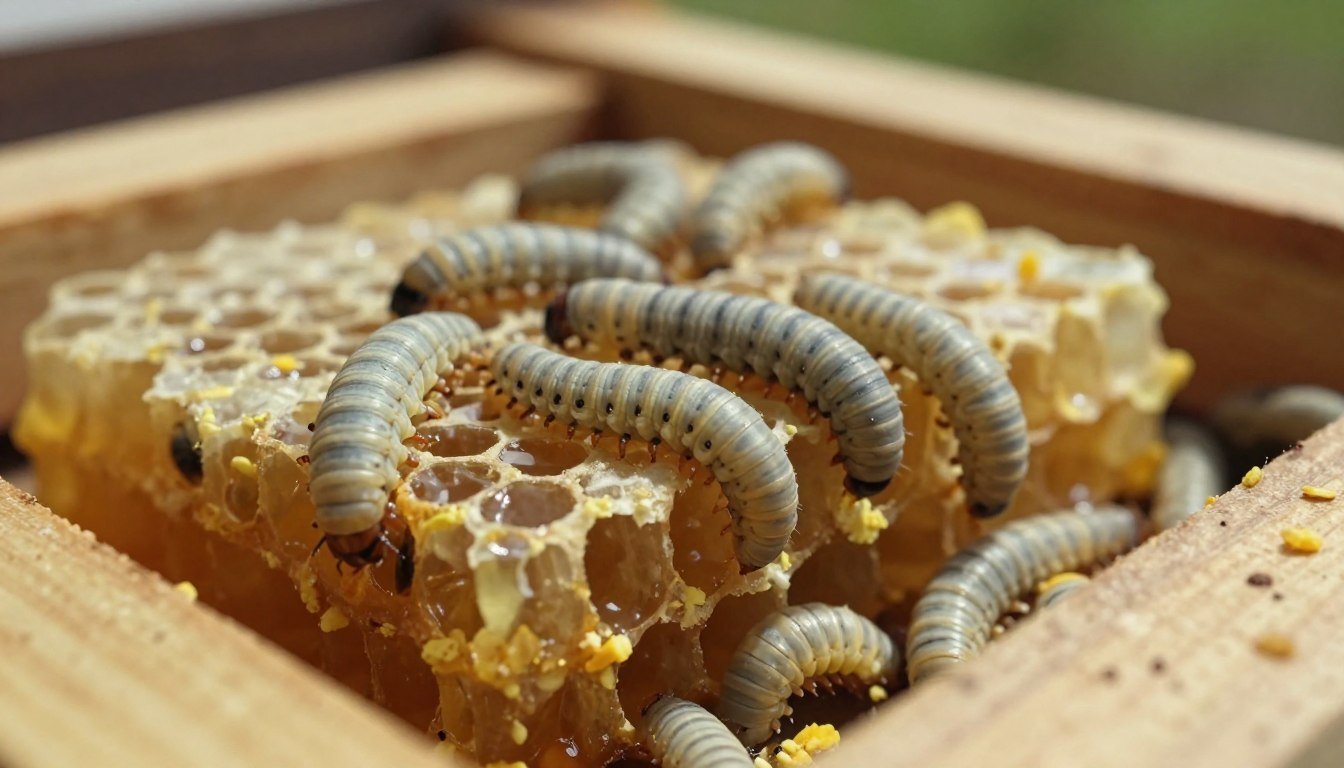
Pheromone traps work by mimicking the specific sex pheromone female wax moths release to attract mates, luring male moths into the trap and away from actual breeding-ready females, which interrupts the reproductive cycle rather than directly killing existing larvae already present in comb. Because the pheromone lure is species-specific, these traps are highly targeted — they attract wax moths specifically rather than moths generally, which is both a precision advantage and part of why understanding your specific pest (see below) matters for choosing the right lure.
Greater vs. Lesser Wax Moth: Why the Distinction Matters
The greater wax moth (Galleria mellonella) is the more commonly discussed and more destructive species, notably having evolved to partially mimic honeybee pheromones, allowing it to infiltrate colonies somewhat undetected — a genuinely remarkable evolutionary adaptation specifically targeting hive defenses. The lesser wax moth is a related but distinct species with its own separate pheromone profile, meaning a trap or lure formulated for one species won’t reliably attract the other — checking which species a specific commercial trap targets, rather than assuming “wax moth trap” is a one-size-fits-all product, matters for actually getting useful monitoring or control data.
Honest Effectiveness: Monitoring vs. Elimination
Pheromone traps are genuinely useful for monitoring — giving you a real count of moth activity in your storage area, helping distinguish a minor presence from a genuine infestation requiring more aggressive intervention — but published research describes them as only partly effective as a standalone elimination method, since wax moths use multiple mating-detection mechanisms beyond the single pheromone signal a trap mimics, including ultrasonic communication traps don’t address at all. This is an important, honest distinction: don’t expect pheromone traps alone to eliminate an existing infestation, but do expect them to give you useful, real-time visibility into moth pressure in your storage area.
Types of Wax Moth Traps Available
Commercial options range from simple hanging pheromone-lure traps with a sticky interior surface, to bucket-style traps combining a pheromone lure with a liquid or sticky-board capture mechanism, to reusable trap housings that only require periodic lure replacement rather than replacing the entire unit. Reusable housing designs generally offer better long-term value for beekeepers planning to monitor storage areas across multiple seasons, since only the consumable lure component needs periodic replacement.
DIY Traps vs. Commercial Pheromone Lures
| Factor | Commercial Pheromone Trap | DIY Attractant Trap (vinegar, banana peel, etc.) |
|---|---|---|
| Specificity | Highly species-targeted | Attracts a broader range of insects |
| Monitoring accuracy | Reliable count of actual wax moth activity | Less reliable — mixed catch makes counts less meaningful |
| Cost | Modest recurring lure cost | Essentially free, household ingredients |
DIY attractant traps using vinegar or fermenting fruit can capture some wax moths, but their lack of species specificity makes them a poor monitoring tool — you can’t distinguish genuine wax moth activity from other insects drawn to the same general attractant, which undermines the main practical value pheromone traps otherwise provide.
Traps as Part of a Broader Control Strategy
Given the honest effectiveness limitations covered above, most experienced beekeepers pair pheromone traps (for monitoring) with other established control methods for stored comb — freezing frames to kill existing eggs and larvae, using Bacillus thuringiensis (Bt) products like Certan on stored comb, and ensuring good ventilation and light exposure in storage areas, since wax moths generally avoid well-lit, well-ventilated conditions. Traps genuinely earn their place in this combined approach as an early-warning monitoring tool, not as the sole defense.
Where and When to Place Traps
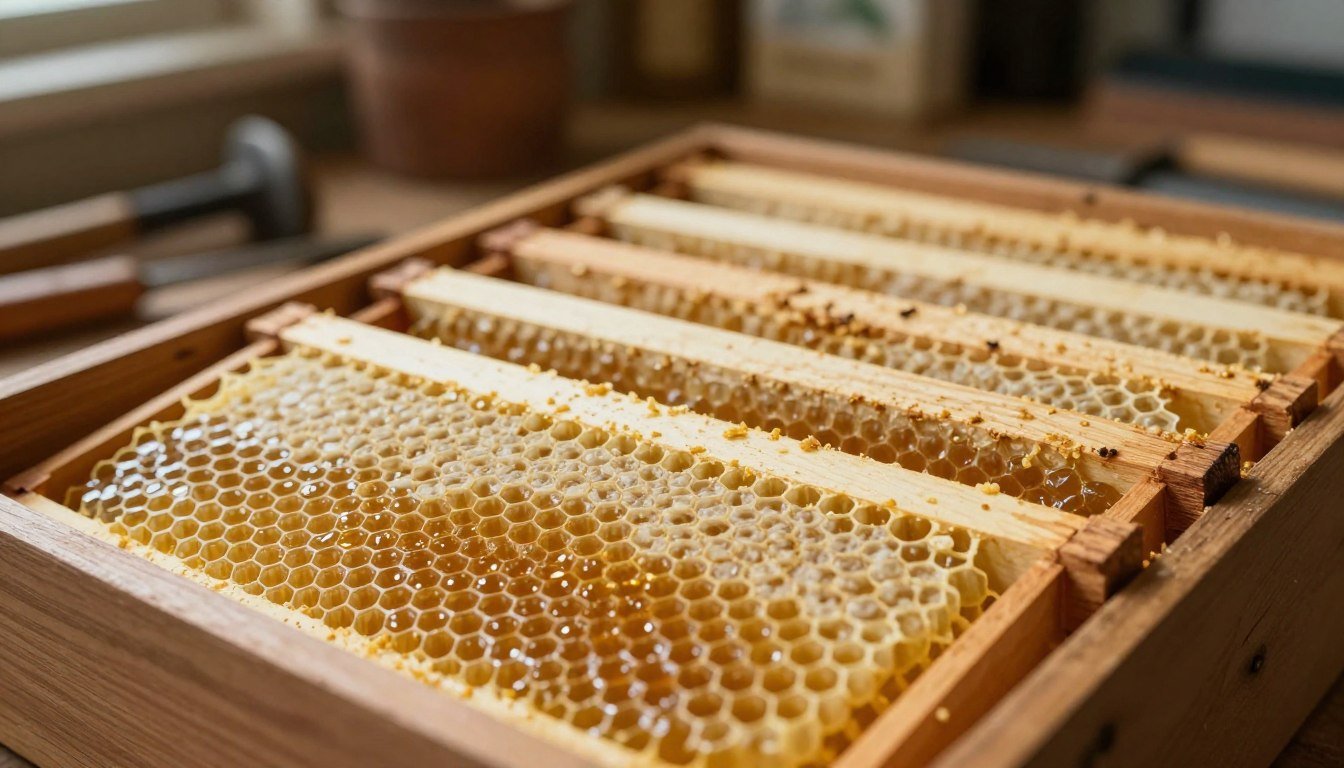
Traps are most useful placed in and around comb storage areas — where drawn comb, especially darker brood comb more attractive to wax moths, is kept between seasons — and are typically most relevant during the warmer months when wax moth breeding activity peaks. Placing a trap directly inside a sealed storage container isn’t generally useful, since the goal is intercepting adult moths before they reach stored comb, not monitoring inside an already-sealed space where entry is supposed to be prevented in the first place.
Who Should Use Wax Moth Traps
Beekeepers storing significant quantities of drawn comb between seasons, especially in warmer climates where wax moth pressure runs higher, benefit most from adding monitoring traps to their storage routine. A beekeeper storing only a small amount of comb, or one already using rigorous freezing and Bt-treatment protocols with good storage-area ventilation, may find traps a lower-priority addition rather than an essential one.
Reading Trap Results to Assess Actual Risk
A trap catching a handful of moths over several weeks suggests low background pressure worth continued monitoring, while a rapidly filling trap or repeated high counts signals genuinely elevated risk that likely warrants more active intervention beyond monitoring alone — freezing vulnerable comb sooner, tightening storage-area prevention practices, or applying a Bt treatment preemptively rather than waiting for visible larval damage to appear. Treating trap counts as an early-warning signal you actually act on, rather than just a passive data point, is what turns monitoring into genuinely useful pest management.
Traps Inside Active Hives vs. Storage-Only Use
Wax moth traps are primarily intended for stored comb and equipment rather than active, strong colonies, since a healthy, populous hive generally defends itself against wax moths through normal colony activity and comb maintenance — wax moth problems in active hives usually signal an underlying weakness (a small or queenless colony, or significant comb going unused) rather than something a trap alone should be expected to fix. Placing a trap inside an active hive as a primary defense, instead of addressing the colony weakness actually enabling moth establishment, treats a symptom rather than the real cause.
Lure Replacement Schedule
Pheromone lures degrade over time and generally need replacement every few weeks to a couple of months depending on the specific product and storage conditions, with manufacturer guidance on the package typically providing the most accurate timeline for a given formulation. Continuing to rely on an expired or significantly degraded lure gives a false sense of active monitoring while the trap’s actual attraction power has quietly dropped off, potentially masking a real increase in moth pressure you’d otherwise catch with a fresh lure in place.
Regional Climate and Wax Moth Pressure
Wax moth pressure varies substantially by climate, with warmer regions generally experiencing more sustained breeding activity across a longer season compared to colder climates where winter temperatures naturally suppress moth populations for part of the year. Beekeepers in consistently warm climates should generally plan for more sustained trap monitoring and more frequent lure replacement throughout the year, while those in colder regions can reasonably concentrate monitoring effort during the warmer months when actual risk is highest.
Why Dark Brood Comb Draws More Attention
Wax moths are specifically drawn to darker, previously used brood comb over lighter, newly drawn comb, since the residual protein content left behind from repeated brood-rearing cycles (cocoon silk, shed larval skins, and pollen residue) provides more nutritional value for developing wax moth larvae than clean wax alone offers. This is a genuinely useful prioritization detail: if you’re storing a mix of comb ages and can’t monitor or protect everything equally, prioritizing your darkest, most brood-cycled frames for the most rigorous protection (freezing, tightest storage) makes the most efficient use of limited monitoring and treatment effort.
Cost Compared to Reactive Damage Repair
The recurring cost of pheromone lures and occasional trap replacement is genuinely modest compared to the cost of replacing wax-moth-damaged drawn comb, which represents real accumulated bee labor and time that’s lost when comb has to be discarded and redrawn from scratch. Framing trap costs against this replacement-cost baseline, rather than viewing it as a pure added expense, makes the case for proactive monitoring clearer for cost-conscious beekeepers weighing whether the investment is worthwhile.
How Many Traps for a Typical Storage Area
A small home storage area (a shed or garage corner holding a modest number of supers) generally only needs one or two traps to give a useful activity signal, while a larger commercial storage building benefits from multiple traps spread across the space, since moth distribution within a large area isn’t always uniform and a single trap in one corner may miss activity concentrated elsewhere. Placing traps at a few different heights and locations within a larger space gives a more representative overall picture than clustering them all in one spot.
Keeping Simple Trap Records
Noting trap catch counts by date over a season builds a useful reference for recognizing your own storage area’s normal seasonal pattern, making a genuine spike easier to identify against your own historical baseline rather than guessing whether a given count is unusually high without any point of comparison.
Common Mistakes
Expecting a pheromone trap alone to eliminate an active wax moth infestation misunderstands its real role as a monitoring and partial-interception tool, not a standalone elimination method. Using a DIY attractant trap and treating its catch count as a reliable measure of wax moth activity specifically overlooks that non-specific attractants catch a mixed bag of insects, making the count far less meaningful. Storing comb in dark, poorly ventilated conditions while relying on traps alone to compensate ignores that environmental prevention remains a more effective first line of defense than any single trap.
Reusable Housings vs. Fully Disposable Traps
A reusable trap housing paired with periodically replaced lures generally works out cheaper over multiple seasons than buying an entirely new disposable trap each time, and also produces less waste — a small but genuine practical and environmental advantage worth weighing alongside the slightly higher upfront cost of a quality reusable housing compared to the cheapest disposable option.
Sources
Pheromone mechanism and effectiveness details reflect published entomological research on wax moth pheromone behavior and integrated pest management guidance for stored beekeeping comb.
FAQ
Can wax moth traps completely eliminate an infestation?
No — research describes pheromone traps as only partly effective standalone, since wax moths use additional mating-detection mechanisms beyond the pheromone signal traps mimic; traps work best as a monitoring tool paired with freezing, Bt treatment, and good ventilation.
Do wax moth traps work on both greater and lesser wax moths?
Not automatically — the two species have distinct pheromone profiles, so a trap or lure formulated for one species won’t reliably attract the other; check which species a specific product targets.
Are DIY vinegar traps as effective as commercial pheromone traps?
They can catch some wax moths, but lack species specificity, catching a mixed range of insects that makes the resulting count far less useful for genuinely monitoring wax moth activity specifically.
When should I place wax moth traps?
Typically during warmer months when wax moth breeding activity peaks, positioned in or near comb storage areas rather than inside already-sealed storage containers.
Can wax moth traps be used year-round?
Yes, though they’re most useful during warmer months when breeding activity peaks; beekeepers in warm climates with sustained moth pressure may benefit from year-round monitoring, while those in colder regions can focus effort seasonally.
Do wax moth traps attract other beneficial insects too?
Species-specific pheromone traps are generally selective for wax moths and don’t meaningfully attract bees or other beneficial insects, unlike non-specific DIY attractant traps, which is one more practical advantage of the commercial pheromone approach.