This article explains the temperature limits for formic acid treatment and how they shape safe mite control in United States apiaries.
Randy Oliver’s January 2023 research frames our review of field experiments and data. We show how ambient weather and evaporation affect vapor release and the effect on a honey bee colony.
Beekeepers will find clear guidance on application methods, the number of days to monitor hives, and signs to watch to reduce loss. We compare approaches across diverse hives and note impacts on the brood chamber and queen survival.
Practical advice focuses on balancing mite control with colony vitality. This article equips beekeepers with steps to assess conditions, adjust dosing, and check hive behavior during initial treatments.
Key Takeaways
- Understand safe application windows to protect bees and queens.
- Monitor weather and hive behavior closely during the first days.
- Use research-backed methods to manage evaporation and vapor release.
- Adjust methods by hive type and local conditions to reduce loss.
- Record experiments and data to refine future control plans.
Understanding Formic Acid for Varroa Management
Formic acid is widely used to control varroa mites because it reaches mites inside capped brood cells. It kills parasites via a rapid vapor release that moves through the brood chamber and adjacent frames.
Benefits of Formic Acid
Key advantages include strong efficacy against mites and low residue in wax and honey. Many beekeepers rotate this option with oxalic and thymol to reduce resistance risk.
- Penetrates capped brood, improving overall mite control.
- Water-soluble, leaving minimal long-term residues in hives.
- Available in consistent-release devices that span several days.
Mechanism of Action
The active compound releases vapors that contact mites while they reproduce in the colony. This mode of action targets hidden mite stages that many contact products miss.
“Used worldwide, this method helps manage mite levels and supports colony health,”
Understanding proper application and delivery methods is crucial to maximize efficacy and limit stress on bees. See a comparison of common delivery options like Formic Pro strips and vaporization systems to choose the best method for your hives.
The Importance of Temperature Limits for Formic Acid Treatment
Managing on-hive conditions is a key step to balancing mite kill and colony survival. The recommended window for Formic Pro runs is between 50 and 85°F (10–30°C). Stick to that band to limit rapid evaporation that stresses bees and brood.
When ambient readings climb above 85°F, a fast release can harm queens and raise brood mortality. That spike also reduces overall efficacy by creating a toxic pulse rather than a steady dose.
Plan applications during cooler morning hours and monitor hive internal readings across several days. Stable release rates give the best chance to control varroa mites while keeping colonies intact.
Consult open access research papers to understand local weather effects and to refine methods. Good planning, careful monitoring, and adherence to established guidance help beekeepers control varroa without risking queen loss.
“Balance high mite mortality with colony safety by choosing the right application window and monitoring release.”
See a practical comparison in our formic acid vs oxalic comparison to refine your method choice.
Why Hot Weather Increases Queen Sensitivity
Strong daytime warmth often magnifies chemical stress, leaving queens less able to tolerate brief vapor spikes. High heat raises baseline stress in colonies and changes how bees ventilate the hive.
Physiological Stress Factors
Key biological drivers
Hot conditions raise metabolic rates in a honey bee colony and increase brood vulnerability. Queens under that strain show reduced resilience after a sudden vapor release.
Bees fan more vigorously in heat. This can push a concentrated pulse of vapors into the brood chamber, which may irritate the queen and trigger supersedure behavior.
Data from a 2020 hot-weather trial found that 28 of 29 colonies still had a laying queen one month after the second strip application. This shows most colonies tolerate well-managed applications even in warmth.
- Initial flash of vapors is the main risk to queen survival.
- Reducing that flash is a practical way to cut queen loss while keeping mite control effective.
- Careful application timing and hive handling lower colony stress and support efficacy.
| Stress Factor | Observed Effect | Mitigation | Research Notes |
|---|---|---|---|
| Heat-driven fanning | Concentrated vapor in brood chamber | Delay application to cooler hours; cover strips | See seasonal thresholds at monthly thresholds |
| Queen metabolic strain | Increased chance of supersedure | Minimize initial vapor flash; monitor queen activity | 2020 trial: 28/29 queens retained |
| Rapid evaporation | Short toxic pulse, lower long-term efficacy | Use extended-release methods and reduce strip exposure | Related effects discussed in environmental studies |
“Reduce the initial vapor spike to protect queens while keeping mite control effective.”
The Role of Essential Oils in Mitigating Treatment Stress
Essential oils can act as a buffer during mite control and reduce acute hive reactions.
Amrine & Noel (2006) tested spearmint and lemongrass and reported changes in worker behavior that may lower queen loss during fumigation. Early results suggest these blends modify removal activity when vapors move through the brood chamber.
A practical use is adding small, standardized doses of products such as Honey-B-Healthy near the hive entrance or on frames. This may calm bees and reduce alarm behaviors during a formic acid application.

- Oils may suppress aggressive removal of foreign material and protect queens.
- Initial trials are promising, but more research is needed on timing and amount.
- Integrating natural additives could improve overall efficacy and lower colony loss.
“Natural additives deserve further study as a way to soften hive reactions and support long-term control strategies.”
For more detailed experimental context see an open-access study that discusses related hive responses and practical implications for beekeeping.
Analyzing the Impact of Hive Ventilation
Hive airflow and bee behavior work together to shape the dose that brood and queens actually receive. Proper ventilation controls vapor concentration and helps colonies cope during an application. All trial hives used an unrestricted 3/4” high entrance to promote steady air exchange.
Fanning Behavior
Worker bees fan to move air and cool the nest. When fumes irritate them, fanning can increase and push vapors deep into the chamber. That can create uneven exposure across frames.
Beekeepers should watch the colony during the first days after placement. Strong, sustained fanning may signal high vapor flow and a need to adjust application methods or spacing.
Humidity Considerations
Humidity inside a hive changes evaporation rates and the release profile of applied products. Damp nectar or brood rearing raises internal moisture and slows evaporation, which can lengthen the effective release period.
Lower humidity speeds evaporation, producing a sharper release. Monitoring hive moisture and local weather helps predict efficacy and potential stress to the colony.
“Maintaining good airflow and watching initial hive behavior are practical steps to reduce loss while keeping mite control consistent.”
- Keep a 3/4” entrance open during applications to aid airflow.
- Monitor bees’ fanning and hive humidity for several days.
- Adjust placement and methods so vapors spread evenly through the brood chamber.
Comparing Flash Treatments and Extended Release Methods
Comparing a short, high-dose vapor pulse with a slow-release pad helps beekeepers match control goals to colony strength.
Flash treatments create a sharp vapor spike over hours. They can knock down mites fast but increase the risk of queen loss and brood stress, especially in hot weather.

Extended-release systems deliver a steady dose across several days. These methods reduce acute hive shock and often improve long-term efficacy while protecting queens and brood.
Choose between these two different approaches based on season, colony size, and mite pressure. Strong colonies tolerate aggressive approaches better. Weak colonies benefit from gentler, multi-day release.
“The initial flash of vapors is often the main cause of queen turnover in warm conditions.”
Practical tip: combine careful timing, monitor hive behavior, and record outcomes. For complementary strategies like thymol timing, see thymol timing.
Practical Techniques for Treating Weak Colonies
When colonies are light on bees, slowing the release rate is the best way to protect the queen and brood. Weak hives handle concentrated vapors poorly, so small adjustments make a big difference in outcomes.
Pressing the cover method uses a half strip placed under the hive cover and the lid pressed down tightly. This limits evaporation and reduces the initial pulse of fumes into the brood chamber.
Pressing the Cover Method
This trick works well on nucleus colonies and other small setups. Place a half strip under the inner cover, lower the outer lid, and press to restrict airflow slightly. That slows release and lowers acute stress on bees and the queen.
- Use a 1.5″ spacer rim on stronger hives to increase circulation and avoid buildup.
- Wear proper PPE and handle strips quickly to prevent accidents.
- Monitor hives daily during the first few days to watch brood and bee activity.
Small, cautious adjustments help knock back mite numbers while lowering the chance of queen loss. This article also recommends recording results and checking post-application counts; see a practical guide to post-treatment mite counts to track efficacy.
“Control the release rate in weak colonies to preserve colony health and maintain long-term efficacy.”
Managing Brood Chamber Dynamics During Application
Centering strips over the cluster directs vapors through the brood combs where mites hide. Place the strip above the active brood nest so capped cells receive steady exposure. This helps maximize mite contact while limiting acute shocks to young bees.
Consider brood-rearing activity and how much honey sits above the nest. Heavy honey stores or a strong nectar flow raise humidity and change fanning behavior. That affects vapor distribution and evaporation rates across frames.
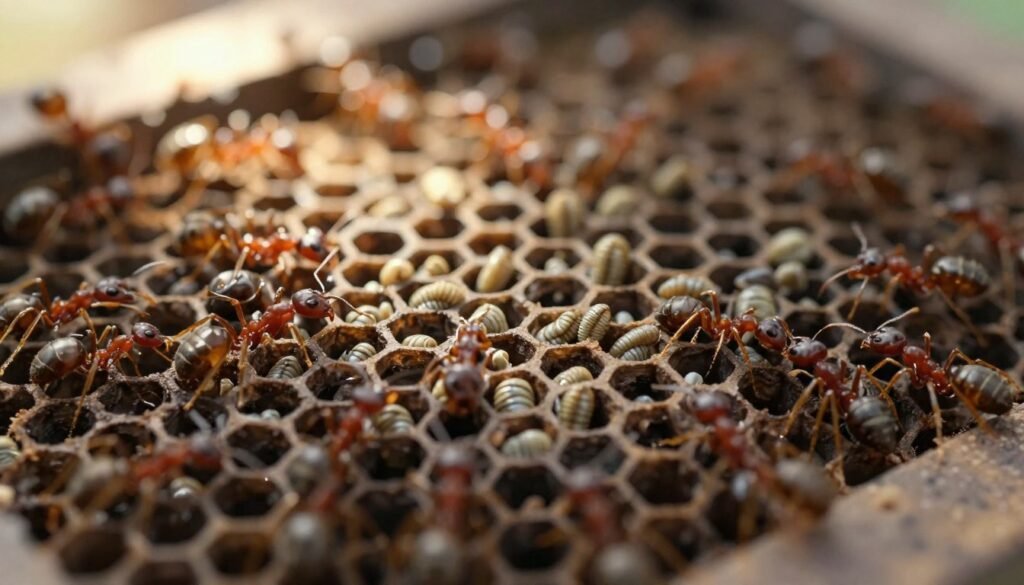
- Inspect frames before placement and center strips on the largest cluster.
- Adjust strip height in double-deep hives to focus release into the brood chamber.
- Watch bee fanning during the first days and reposition if vapors bypass the cluster.
| Brood Condition | Strip Position | Expected Effect |
|---|---|---|
| Dense, central brood | Centered over cluster | High mite contact, good efficacy |
| Scattered brood | Place between brood frames | Moderate coverage; monitor closely |
| Heavy upper honey | Move strip slightly lower | Reduces vapor blockage, lowers loss risk |
“Careful placement and daily checks improve outcomes and protect colony strength.”
The Effect of Covering Strips on Vapor Release
Masking a strip’s top slows the early vapor surge and steadies release into the brood chamber. Covered strips reduce the first-day pulse that often stresses queens and workers. This gentle start helps colonies handle the fumigation without sudden shocks.
Reducing the Initial Flash
Using the original foil wrapper to cover the strip’s upper surface is a simple, effective step. Field data show this action nearly eliminates the initial flash of fumes and lowers the daily weight loss of the pad.
By slowing the start, beekeepers avoid acute exposure that can cause queen turnover during hot weather. Cut the wrapper carefully and place it over the strip during application to limit the early release.

Weight Loss Data
Experimental measurements place the optimal continuous-release rate for 65% formic acid at about 8–22 g per day. Covered strips fall into the lower end of that range and extend the effective fumigation across more days.
- Covering the strip reduces weight loss and spreads the release.
- Slower evaporation maintains steady efficacy without harming bees.
- Trials in this article found covered strips gave safer mite control in warm weather.
Evaluating Mite Reduction Efficacy
A systematic post-application count gives the clearest picture of how many mites a program actually removed.
Use a 21-day mite wash to evaluate results. That interval lets mites hidden under cappings emerge so counts reflect the true post-application load.
Follow the wash with a 3.5% oxalic acid drip to estimate the colony’s total mite population. Comparing the mites killed during the initial run to the total gives a direct measure of success.
Expect variation between hives. Colony strength, ventilation, and evaporation affect outcomes, so compare like with like when you analyze data.
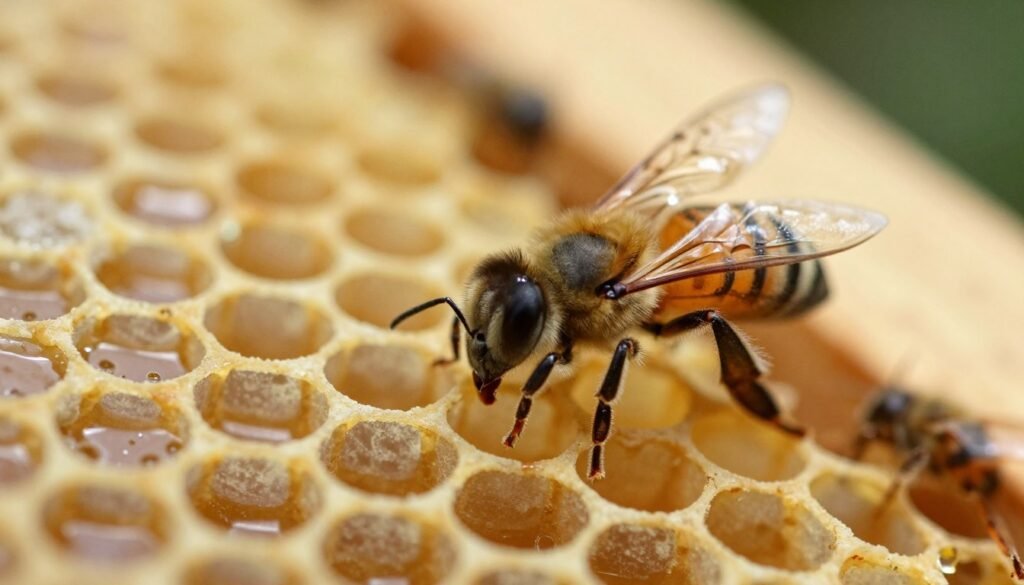
- Standardize methods across hives to improve comparability.
- Record numbers, days, and hive conditions to spot trends.
- Use the follow-up counts to refine application methods and lower loss over time.
“Measuring outcomes with consistent protocols turns experiments into reliable tools for beekeeping.”
See detailed open access notes at open access report to align your monitoring with published methods and improve long-term control of varroa mites.
Observations on Queen Turnover and Survival
Field notes collected over several years show queen survival does not follow a single predictable pattern.
Monitoring queen survival is essential to judge how an application affects colony health and long-term viability.
Comparing Yearly Results
Trials run in different seasons produced inconsistent queen turnover rates even when the same methods were used.
Environmental variables such as humidity, hive ventilation, and daily weather shifts often explain much of that variation.
Beekeepers should log the number of days, pad weight loss, and brood condition alongside notes on colony strength and apiary weather.
- Document each application, the amount used, and observed release behavior.
- Compare two different years side by side to spot trends in loss and recovery.
- Use consistent post-application mite counts to judge efficacy across hives.
“Detailed records turn scattered experiments into actionable beekeeping guidance.”
Ongoing research and careful notes help identify patterns that improve control methods while protecting queens and brood in varied hives and weather.
Adjusting Application Methods for Summer Conditions
Adapting release rate and device choice in hot months preserves colony vigor and improves control.

Summer weather speeds evaporation and raises the risk of an early vapor pulse. Slow, steady release is the safest approach in strong sun and low humidity.
Research of 340 treatments in Zander hives showed that 85% formic acid gave higher efficacy and less variability than 60% mixes. That study supports choosing the right concentration and dispenser for consistent results.
Industry devices such as the Liebig Dispenser and the Nassenheider professional deliver extended release. These tools help target the brood chamber while reducing acute hive stress and queen loss.
- Match device to hive size: smaller colonies need gentler release; larger hives accept higher output.
- Monitor evaporation and release: adjust amounts or cover strips to smooth the initial pulse.
- Record outcomes: log days, mite counts, and any loss to refine methods.
| Variable | Recommended Action | Expected Benefit |
|---|---|---|
| Concentration | Use 85% in controlled devices | Higher efficacy, lower variability |
| Dispenser | Liebig or Nassenheider for long runs | Steady release into brood chamber |
| Hive size | Reduce amount in weak colonies | Lower queen and brood loss |
“Plan equipment and amounts ahead, and monitor hives daily to keep control effective and losses low.”
For hot-weather guidance and queen observations see hot-weather queen notes to align methods with recent research.
Interpreting Hive Behavior During Fumigation
Careful observation of hive activity during a run gives instant clues about how colonies cope with fumigation.
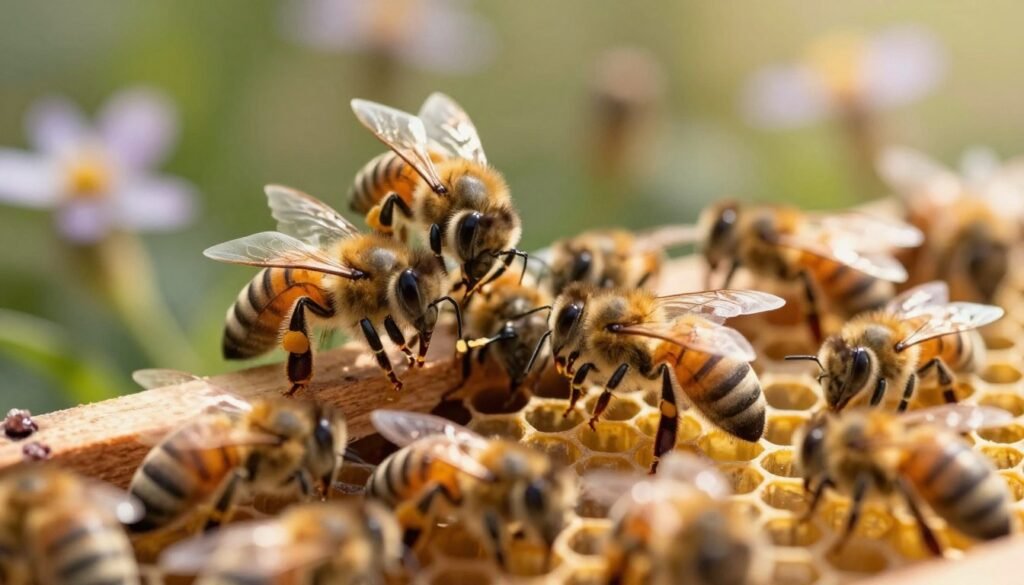
Bearding at the entrance and stronger fanning are common in the first few days. These actions show the bees are managing the internal environment to dilute vapor release.
Watch daily changes. A steady pattern of bearding and short bursts of fanning usually mean normal adjustment. Sudden panic, mass exit, or prolonged silence can signal distress and may require an adjustment to the application.
- Normal cues: moderate bearding, intermittent fanning, steady brood care.
- Warning signs: frantic fanning, abandoned brood frames, visible queen loss.
- Action steps: reduce exposure, cover part of the pad, or pause and re-check after 24 hours.
Interpreting these behaviors helps protect the queen and developing brood. Quick, informed responses improve efficacy and reduce loss while treatments run across multiple days.
“Let hive behavior guide adjustments; the bees often tell you when a method needs changing.”
Balancing Mite Control with Colony Health
A healthy apiary depends on treatments that cut mite numbers while leaving bees strong and resilient.
Integrated pest management aims to protect honey bee colonies by reducing parasites and supporting overall vigor. Varroa rarely causes collapse alone; virus infections plus stressors usually finish a weakened colony.
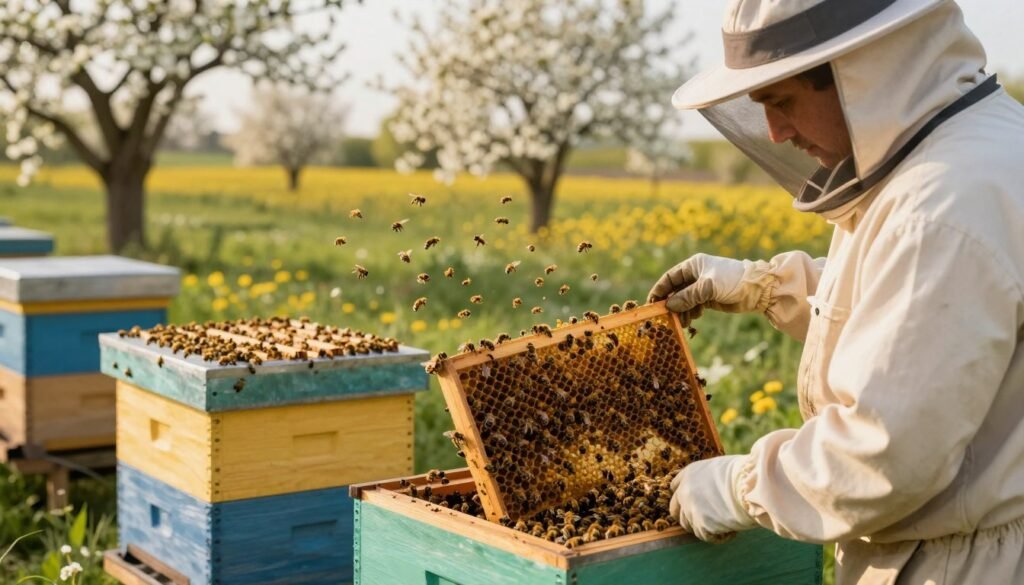
Effective control varroa work uses methods that kill mites without heavy harm to the brood chamber or queen. That means choosing gentle application approaches, watching hive behavior, and adjusting the amount used during the first days.
Recordkeeping and routine counts turn experiments into usable data. Combine mite counts, notes on ventilation and evaporation, and observations of bee activity to judge efficacy and reduce loss over time.
- Monitor: check hives often in the days after an application to spot stress early.
- Adjust: reduce exposure in weak colonies and favor steady-release methods when weather raises evaporation.
- Protect: prioritize queen safety and brood care to keep colonies productive and resilient.
“Long-term apiary health depends on wise, gentle control methods paired with active monitoring.”
For practical guidance on products and safe application notes, see the Formic Pro guide linked in this article.
Safety Precautions for Beekeepers
Safe handling starts before opening a hive and continues until all materials are stored and logged. Wear full PPE: chemical-resistant gloves, eye protection, and a respirator rated for organic vapors when you handle concentrated material.
Work outdoors or in a well-ventilated area and keep a clear emergency plan. Have clean water, eyewash, and a neutralizing agent on hand. Know local first-aid steps and emergency numbers.
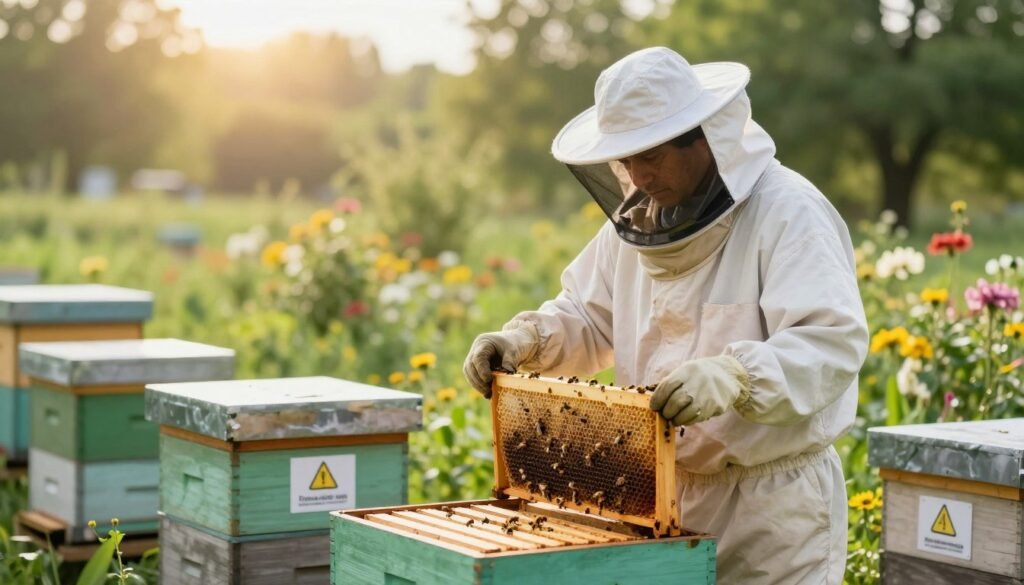
Always follow label directions and product notes exactly. That protects your bees, brood, and honey while keeping efficacy high. Record the amount used, days of application, and hive behavior so you can compare outcomes and reduce loss.
- Use a secure work surface and close containers promptly after use.
- Train helpers and keep an open-access source of safety data; see practical safety guidance.
- Prepare an apiary checklist and routine before any run; a useful model is the spring checklist.
“Prioritizing safety lets beekeepers manage mite control confidently while protecting their health and hives.”
Conclusion
Protecting queens and brood means matching delivery method to colony strength and watching hive behavior daily. A steady, measured approach improves efficacy and lowers the chance of loss.
This article reviewed key factors: ventilation, slow release options, and the potential role of essential oils as buffers. Use those tools with routine monitoring and clear records.
Handle acid carefully, adjust methods for weak colonies, and prioritize queen safety. Read post-run counts to judge real efficacy and refine future runs.
Continuous learning, conservative adjustments, and consistent observation remain the best strategy to reduce mite pressure while keeping colonies healthy.
FAQ
What are the practical temperature limits for using formic acid in hives to control Varroa mites?
Effective application depends on ambient conditions and colony state. Use during mild conditions when daytime highs are moderate and nights cool. Avoid very hot periods that increase queen and brood stress. Monitor local weather, hive ventilation, and colony strength before applying. Follow label directions for specific products and dosage to protect bees and honey stores.
How does formic acid work against Varroa mites in the brood chamber and on adult bees?
Formic acid vapor penetrates brood cells and kills mites on pupae and adults. The acid acts as a fumigant, disrupting mite physiology and reducing populations when released at the correct rate. Placement and release method determine penetration into the brood chamber and overall efficacy.
What benefits does formic acid offer compared with other miticides?
Advantages include brood penetration, short residue persistence in honey, and effectiveness against mites resistant to synthetic acaricides. It provides a low-cost option when used correctly and can be applied in different release formats to suit colony conditions.
Why does hot weather increase queen sensitivity and colony risk during acid applications?
Elevated heat adds physiological stress to queens and workers, reducing tolerance to chemical exposure. Combined heat and acid vapors can impair brood development, increase queen turnover, and raise colony mortality risk. Plan treatments outside peak heat and ensure good ventilation.
Can essential oils reduce stress during application and improve mite control?
Some beekeepers combine essential oils or use products with additives to moderate vapors and reduce worker agitation. Evidence is mixed; oils may help behavioral tolerance but rarely replace proper dosing and timing. Use only approved formulations and test on a few colonies first.
How does hive ventilation affect the release and efficacy of acid vapors?
Ventilation controls vapor concentration and distribution. Strong fanning disperses vapors quickly, reducing peak exposure but possibly lowering brood penetration. Poor ventilation increases local concentrations and queen risk. Adjust placement, screen use, and entrance size to balance release and safety.
What role does worker fanning behavior play during fumigation?
Workers fan to regulate hive microclimate and disperse vapors. Active fanning can dilute vapors and distribute them through the brood chamber, affecting mite contact. Observe behavior during trials to learn how your colonies respond and adjust application method accordingly.
How does humidity influence vapor release and mite mortality?
High humidity can slow evaporation and alter vapor dynamics, potentially reducing immediate mite knockdown but prolonging exposure. Low humidity speeds release and may increase acute stress. Consider moisture conditions when timing treatments and selecting release devices.
What are flash treatments versus extended release methods, and how do they compare?
Flash treatments deliver a rapid high concentration over a short period; extended release provides lower doses over many days. Flash can achieve quick mite kill but raises colony stress and queen risk. Extended release reduces acute stress and often achieves similar long-term mite reduction with fewer side effects.
How should weak colonies be treated differently to avoid harm?
Use the gentlest effective method: lower doses, extended release devices, reduced exposure time, and improved ventilation. Consider moving weak hives to cooler, shaded locations and avoid simultaneous stressors like moving frames or heavy manipulations.
What is the "pressing the cover" method and when is it used?
Pressing the cover means partially covering release strips to reduce initial vapor flash and slow evaporation. This can protect queens in warm conditions and reduce worker agitation. Apply cautiously and follow product guidance to avoid under-dosing.
How do brood chamber dynamics influence mite control outcomes?
Brood amount, brood age distribution, and cell capping affect mite refuge and exposure. Treatments that penetrate capped cells perform better when brood is abundant. Time applications to brood cycles and consider splitting treatments to address mites in different developmental stages.
Do covering strips over release devices reliably reduce the initial vapor spike?
Yes, covering or partially covering strips lowers the initial evaporation rate and reduces the “flash” effect. This method can protect queens and lower worker losses, but it may extend treatment duration and change overall efficacy. Monitor hive weight loss and behavior when using covers.
How does product weight loss data relate to vapor release and safety?
Weight loss of treated strips or pads indicates evaporation rate. Faster weight loss means higher initial vapor release and potential queen risk. Slower loss suggests extended release. Tracking weight loss during experiments helps optimize placement and cover use for safe, effective dosing.
What mite reduction efficacy can be expected with proper application?
When applied correctly, many studies show substantial mite drops and reduced infestation rates. Efficacy varies with method, colony size, brood presence, and environmental conditions. Combine with monitoring (sticky boards or alcohol washes) to confirm control levels and time repeat treatments if needed.
Are there observations linking treatment timing to queen turnover or survival?
Yes. Treatments during heat waves or on fragile colonies correlate with higher queen loss and replacement. Applying during stable weather, using gentler release, and avoiding excessive disturbance lowers turnover rates and improves survival.
Should application methods be adjusted for summer conditions? If so, how?
Adjust by lowering dose, increasing ventilation, using covers, or switching to extended-release formats. Treat in cooler morning/evening windows and avoid peak solar heating. Consider splitting treatments or delaying until more favorable conditions if mite pressure allows.
How can beekeepers interpret hive behavior during fumigation to guide decisions?
Watch for reduced foraging, increased clustering, excessive agitation, or continuous bee deaths. Mild agitation and temporary foraging reduction are normal. Severe disturbance or queen inactivity signals harm—remove treatment source and ventilate hive.
How do beekeepers balance mite control with overall colony health and honey safety?
Use integrated pest management: monitor mite levels, rotate chemistries, employ nonchemical controls, and time applications to minimize brood and honey exposure. Follow label withdrawal periods and product approvals to protect honey and maintain colony vitality.
What safety precautions should be taken when handling and applying acid-based miticides?
Wear chemical-resistant gloves, eye protection, and a respirator when handling concentrated products. Work in a well-ventilated area and avoid dripping onto bees or frames. Store products securely and follow all label instructions and local regulations to protect yourself and the colony.
How should results and data from on-hive experiments be recorded and used?
Record colony strength, brood percentage, product type, device placement, weight loss of strips, ambient conditions, and mite counts before and after treatment. Use consistent methods like alcohol washes or sticky boards. Analyze data to refine timing, dose, and application method for your apiary.