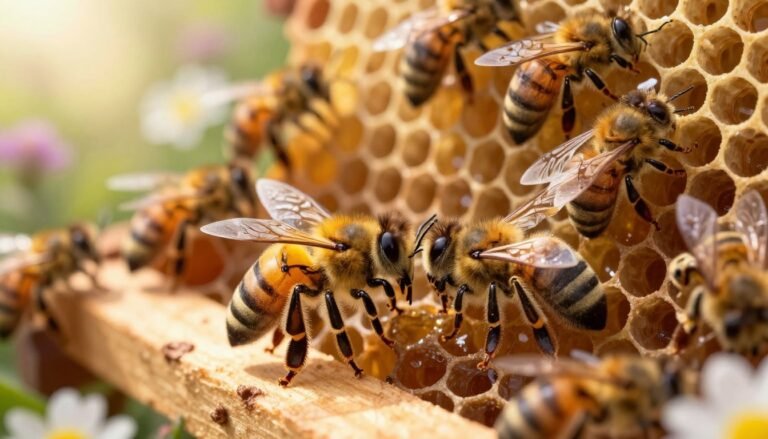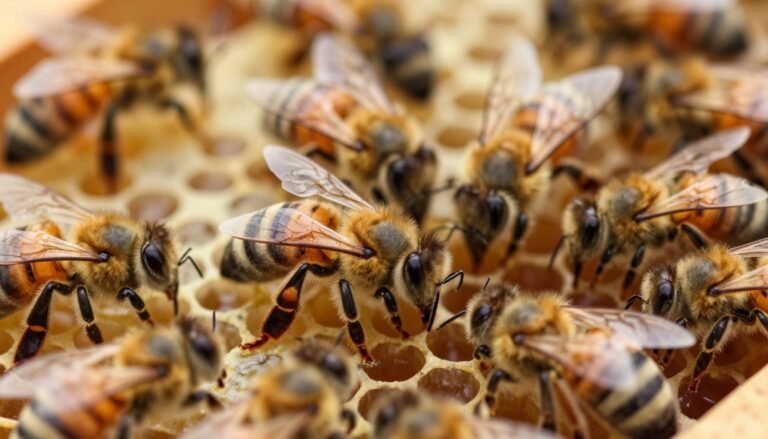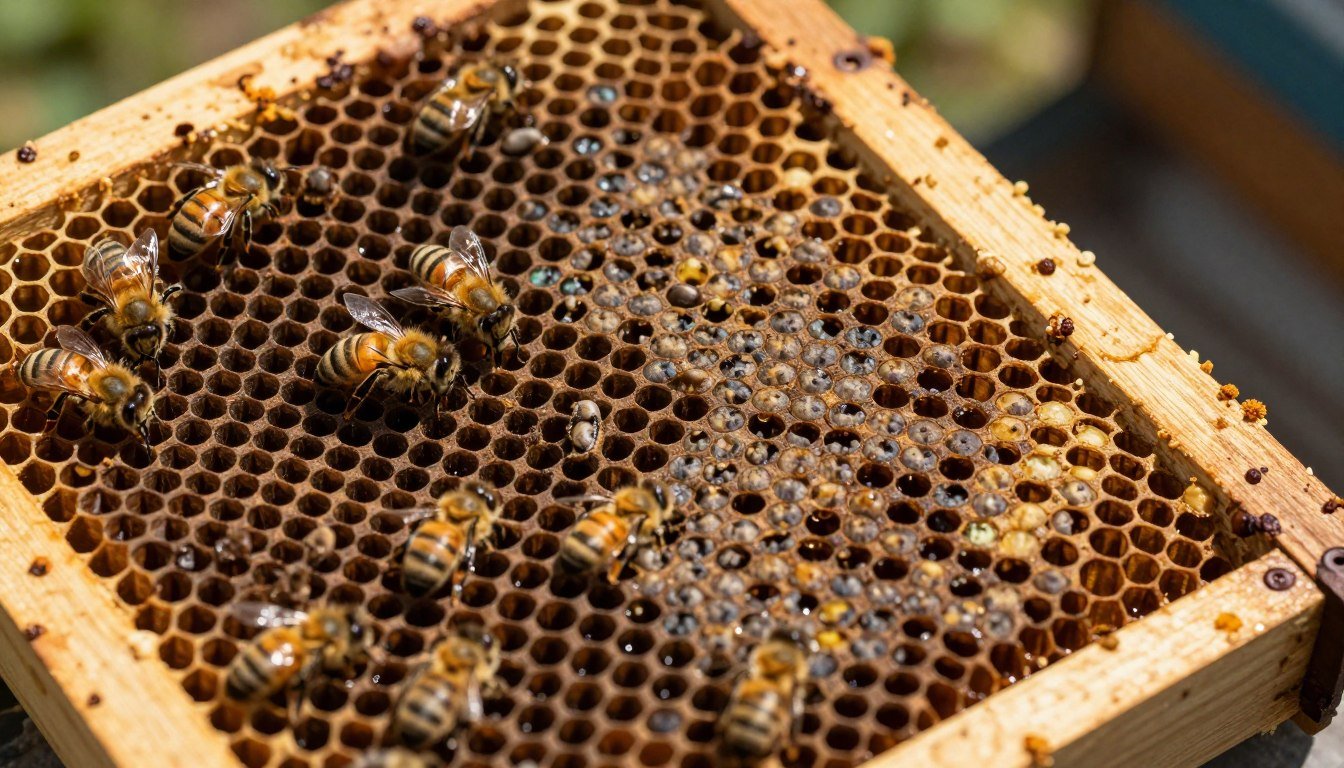
Knowing whether a troubling nest map is due to queen failure or an illness is a vital skill for any professional beekeeper. Lee et al. (2019) and work by Marla Spivak show that what looks like a laying issue can have multiple causes.
Careful checks of frames, eggs, larvae, and empty cells give the clearest signal. A failing queen often leaves large gaps in the central area, while spotty coverage and sunken caps point to health problems. Use steady observation during inspections to note the number and placement of worker and drone cells.
Good management begins with accurate diagnosis. For standard brood norms and inspection tips, review guidance on strong nest blocks at PerfectBee. For colony building and requeening timing, see population advice at Beekeepers Realm.
Key Takeaways
- Inspect frames regularly to spot gaps and odd capping.
- Track eggs, larvae, and empty cells to tell laying issues apart from health issues.
- Lee et al. (2019) and Marla Spivak emphasize careful evaluation of queen quality.
- Requeening or treatment depends on whether the source is the queen or a hive condition.
- Record observations to guide management and protect colony success.
Understanding the Importance of a Healthy Brood Pattern
A solid slab of capped brood signals a vigorous colony and steady bee production. This uniform block of developing worker bees is the most reliable indicator of hive health and future honey yields.
A worker cell is typically capped for 12 days during pupal development. Tracking the number of capped cells across that window shows whether the queen maintains steady laying and whether worker bees will be available to forage.
Professional beekeepers expect the queen to lay in tight rings, keeping empty cells minimal. When a frame shows consistent coverage, colonies convert pollen and nectar efficiently into brood and honey.
- Solid coverage: uniform capped cells on a frame mean strong worker production.
- 12-day check: many capped cells within this span suggest reliable laying.
- Hive balance: even brood supports steady honey and pollen collection.
- Actionable data: count cells and record numbers to guide requeening or treatment.
Identifying Poor Brood Pattern from Bad Queen vs Disease
An erratic layout of developing bees across a frame can point to mating, genetic, or health issues. Inspectors should first note whether gaps sit randomly or form a shotgun layout.
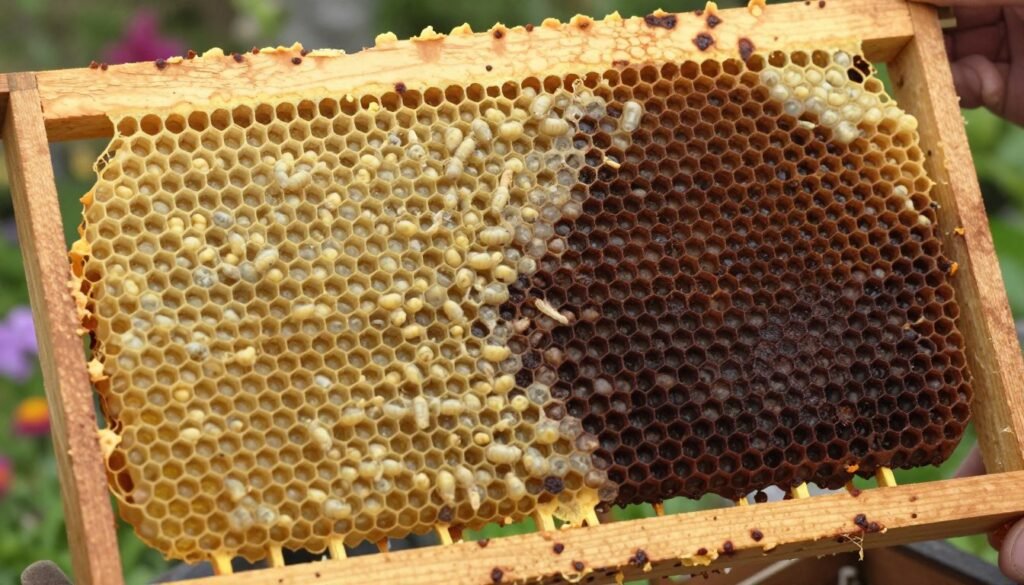
Defining the Shotgun Pattern
The shotgun pattern appears as scattered capped and empty cells across a frame. It is a classic sign that the laying process is uneven and worker numbers may drop.
Distinguishing Genetic vs Pathogenic Causes
Check for live larvae and steady queen laying. If eggs and young larvae are present but coverage is spotty, colony factors or genetics are likely. A queen with under 3 million sperm may struggle to maintain a consistent brood.
Research shows colonies improve after exchanging queens; one study found an 11.6% improvement in brood quality following replacement. Lee et al. (2019) also note that hive conditions often shape the final pattern more than queen quality alone.
- Quick checks: count capped cells, empty cells, eggs, and larvae on 1–2 frames.
- Action: decide whether requeening or health intervention fits the colony’s needs.
Visual Indicators of a Failing Queen
A thinning brood area and scattered capped cells are the clearest visible signs of a failing queen. Inspect central frames for gaps and a rising number of empty cells.
Look for steady coverage across the frame. If coverage is irregular, the colony may need a replacement queen to restore worker numbers and honey production.
Professional beekeepers track queen quality throughout the season. They note the number of eggs, larvae, and capped cells on one or two core frames to gauge laying consistency.
- Spotty coverage with many empty cells is a common sign that the queen’s output has fallen.
- Reduced forager activity and declining hive population follow if no action is taken.
- Early detection lets beekeepers requeen before the colony shows major health or honey losses.
| Indicator | What to Count | Immediate Action |
|---|---|---|
| Scattered capped cells | Number of empty cells on central frame | Monitor 2–3 weeks; consider requeening |
| Low egg density | Eggs per frame section | Check queen presence; mark and observe |
| Fewer worker bees | Forager traffic count | Assess nutrition and queen quality |
Recognizing Signs of Brood Disease
Inspecting cap texture and color is the fastest way to spot a developing hive problem. Look closely during routine checks so you catch issues early.
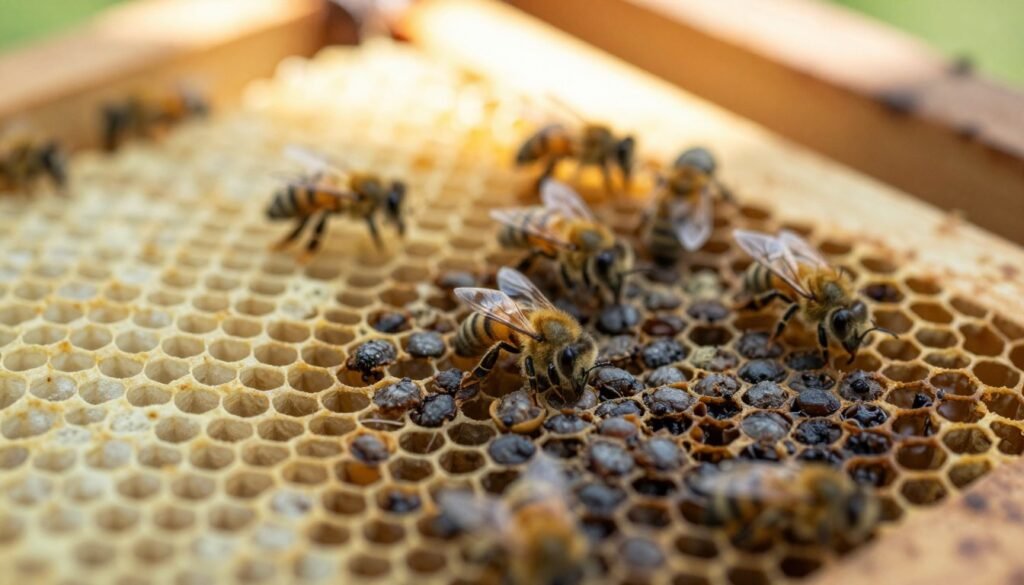
Visible clues include sunken, perforated, or discolored cappings on infected cells. These changes are often obvious to experienced beekeepers.
Common Symptoms of Foulbrood
Sunken or punctured caps plus a sticky or dark residue often mean an active infection. A patchy pattern across a frame can mimic a failing queen and confuse diagnosis.
- Check frames for dead larvae and the presence of decayed material.
- Note the rapid drop in the number of healthy cells; hive strength falls fast.
- Keep records of signs and act quickly to limit spread.
Good management of the queen and her brood helps stop pathogens and preserve honey production. For related inspection tips, see identifying chilled brood.
The Role of Environmental Stress and Nutrition
When nectar or pollen runs low, a colony often scales back brood rearing to match available stores. This response can make a queen seem less productive, even when queen quality is acceptable. Monitoring incoming pollen helps beekeepers spot nutritional stress early.
Doug Somerville, in Fat Bees Skinny Bees, documents how pollen-deficient flows may halt rearing entirely. Loss of pollen affects worker development and reduces the number of nurse bees needed to support young cells.
Good hive management balances nectar and pollen to support the queen and sustain worker bees. Track the number of pollen loads at the entrance and the health of stores on each frame.
- Watch pollen traps: note trends rather than single-day counts.
- Supplement when needed: provide pollen patties during dearths to protect colony health.
- Record observations: link inspection notes to queen quality and hive conditions for better management decisions.
For broader context on environmental stressors, review research on other stressors and guidance on genetic diversity to support long-term colony resilience.
Analyzing Egg Placement and Laying Behavior
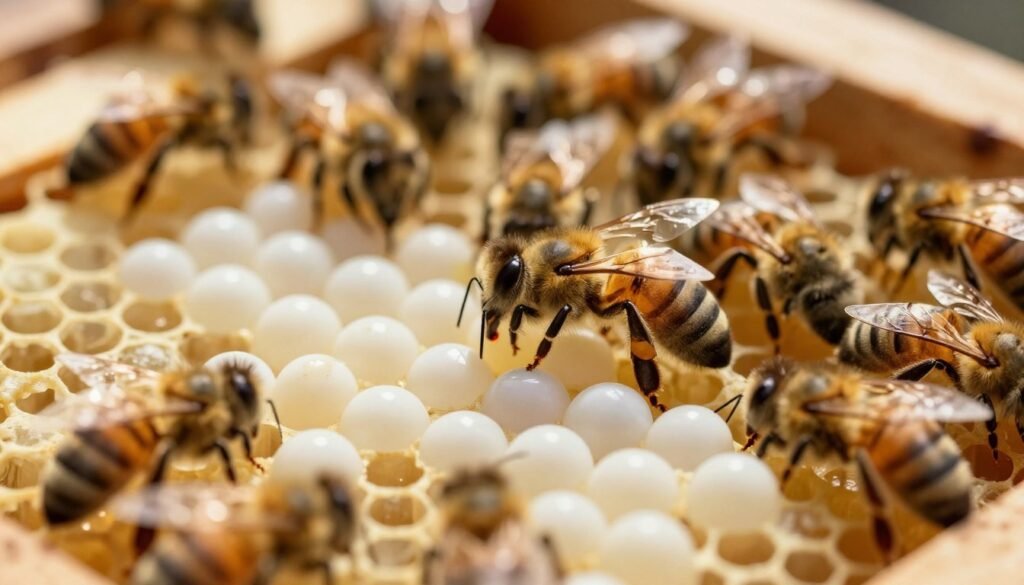
Precise egg position inside cells is one of the clearest live indicators of laying performance. Inspecting how eggs sit and how many occupy each cell tells you whether the queen is laying well or if laying workers are present.
Start with a single frame in the center of the brood nest. Count eggs across a few adjacent cells and note placement. A healthy queen will place one egg upright in the center of each cell. That single, centered egg supports normal worker development and a uniform brood pattern.
Multiple Eggs per Cell
Finding two or more eggs in one cell is a strong sign that laying workers are active or that the queen’s laying has become irregular. Multiple eggs distort the frame and reduce the number of viable workers produced.
Incorrect Egg Positioning
Eggs stuck to the cell wall or laid horizontally indicate erratic laying behavior. This misplacement disrupts larval feeding and leads to gaps across the frame and more empty cells later on.
Inspect methodically: mark a few cells, watch egg counts over two checks, and record results. If laying problems persist, requeening or targeted management may be needed. For a focused inspection checklist, review spring inspection tips at spring build inspections.
| Sign | What to Count | Immediate Action |
|---|---|---|
| Single centered egg | Eggs per 10-cell sample | Routine monitoring; no action |
| Multiple eggs per cell | Cells with >1 egg per frame | Check for laying workers; consider requeening |
| Eggs on cell wall | Misplaced eggs per frame | Monitor; replace queen if persistent |
Evaluating Capping Texture and Shape
Texture and contour of each capping give direct clues to colony health and laying quality.
Flat, even cappings usually show a steady brood pattern and correct care by worker bees. These caps are slightly domed or level and feel firm when probed.
Bullet-shaped caps in worker cells often mean the queen is laying incorrectly. This sign calls for immediate action to protect the colony and future honey stores.
Sunken or perforated cappings suggest mechanical or health issues. If many caps are irregular, inspect the frame and count empty cells to track spread.
- Quick checks: note cap shape, firmness, and any holes.
- Action triggers: bullet caps or many sunken caps require prompt intervention.
- Record findings: link capping notes to egg placement and overall colony trends.
| Cap Feature | What it Indicates | Recommended Action |
|---|---|---|
| Flat, even caps | Consistent laying and healthy worker care | Routine monitoring; no immediate change |
| Bullet-shaped caps | Likely drone laying by the queen | Inspect for laying issues; consider replacement |
| Sunken or perforated caps | Possible infection or brood loss | Isolate frame; assess hive and treat if needed |
For an inspection checklist and basic field notes, see the basic assessment notes.
Conducting a Thorough Hive Inspection
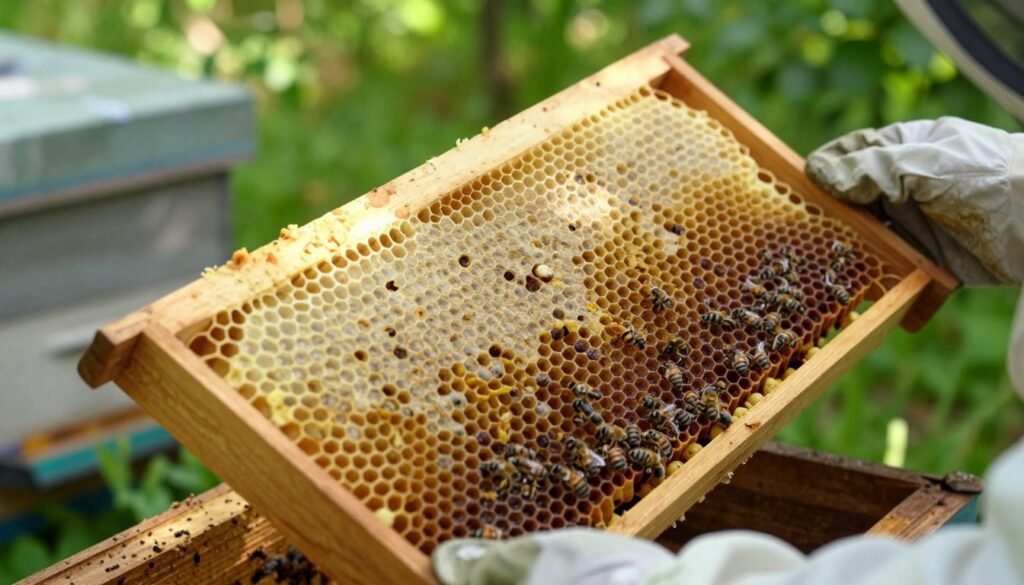
Systematic inspections reveal queen cells and shifts in egg distribution that affect productivity. Spend a few minutes at each hive and inspect frames in a set order to avoid missing key signs.
Checking for Queen Cells
Look along frame edges and near the center for new cells that signal swarm or supersedure activity. Mark any cells and note whether the colony is preparing to raise a new queen.
Inspecting Frame Layout
Document the layout of frames to track changes in coverage and eggs over time. Professional beekeepers record each frame so they can spot declines and decide if a new queen is needed.
Using Drawn Comb for Testing
Introduce one frame of drawn comb to test queen laying. A strong laying response within a few days shows the queen is performing well. If the frame stays largely empty, consider sourcing a new queen to restore colony strength.
| Check | What to record | Follow-up |
|---|---|---|
| Queen cells | Location and number | Inspect weekly; mark for action |
| Frames layout | Coverage map and egg spots | Compare notes; decide on requeening |
| Drawn comb test | Cells filled in 3–5 days | Keep or replace queen based on result |
| Resource check | Honey and pollen stores | Supplement if low to support workers |
Assessing Colony Strength and Forager Activity
Watch hive entrances during peak foraging hours to judge colony vigor quickly. Count returning workers and note how many carry pollen. This snapshot shows if the queen supports a strong workforce.
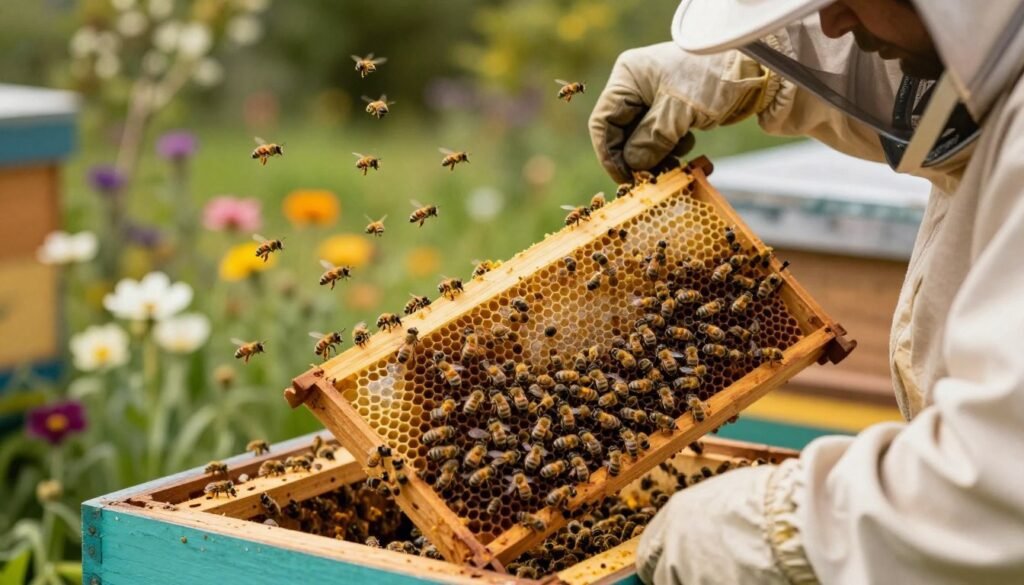
A high rate of pollen and nectar returns signals good nutrition and active brood rearing. If the brood pattern weakens, expect fewer foragers and lower honey yields over weeks.
“Entrance counts are a practical, fast metric that links forager traffic to overall colony health.”
- Compare frames covered in bees to the actual brood on inspected frames.
- Track forager numbers at several times of day for a reliable trend.
- Use trends to decide if the queen is performing or if intervention is needed.
| Metric | What to Measure | What It Means |
|---|---|---|
| Forager returns | Bees per 10 minutes; pollen loads | High = strong workforce and likely good honey flow |
| Frames covered | Number of frames with foragers/nurses | Shows population vs. brood quantity |
| Brood inspection | Brood cells on central frame | Decline predicts lower forager counts and reduced success |
For guidance on managing reproductive changes and raising queens, consult this concise queen cell guide.
Strategies for Requeening Your Hive
Replacing the laying female is the most direct way to restore steady egg coverage and workforce growth. Plan requeening so the colony never loses laying continuity. Timing and source matter for success.
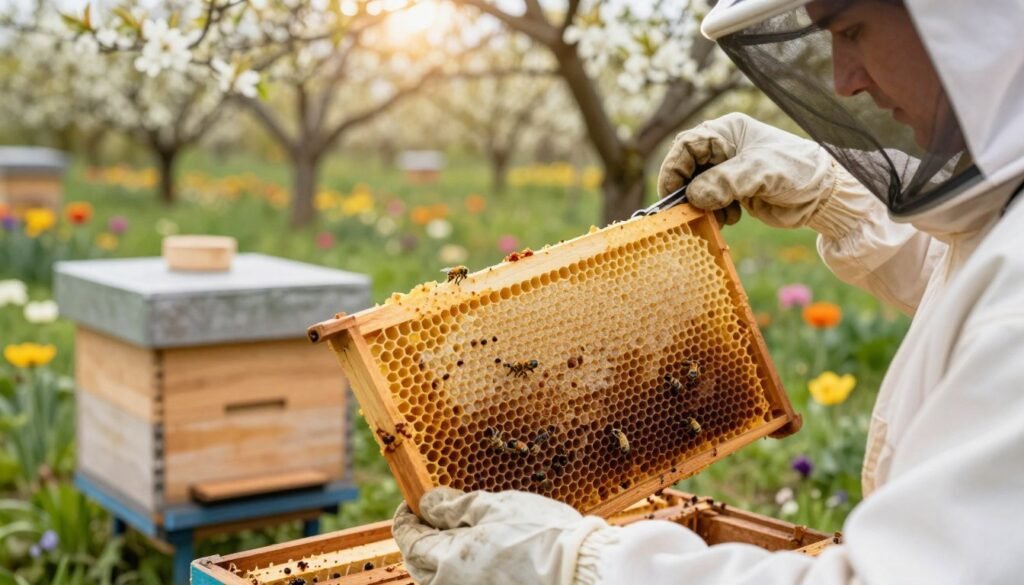
Timing the Replacement
Introduce a new queen when she is ready to lay, or keep the old one until the new female is accepted. If the current queen shows clear signs of failure, order a new queen immediately.
Many pros arrange a staged swap. They cage the incoming queen near the center of the hive and wait for workers to accept her. Once she begins laying, they remove the failing queen.
“Requeening is as much about timing as selection; good timing prevents gaps in brood production.”
- Source reputable queens: use breeders such as Greg and Bonnie Mulder in Dorrigo for consistent queen quality.
- Confirm laying: check for eggs or young larvae before removing the old laying female.
- Plan for continuity: stagger replacements across colonies to avoid simultaneous drops in worker numbers.
| Step | Key Action | Expected Result |
|---|---|---|
| Order new queen | Choose reputable breeder; verify genetics | Improved queen quality and colony vigor |
| Introduce caged queen | Place near brood; allow 5–7 days for acceptance | Higher acceptance rate; smooth transition |
| Confirm laying | Inspect for eggs or young brood in 7–10 days | No gap in brood production; restored hive strength |
Managing Disease Risks in the Apiary
Sound management begins with steady vigilance and fast action. Inspect frames often and note changes in egg placement, cap shape, and adult activity. Early detection limits spread between colonies.
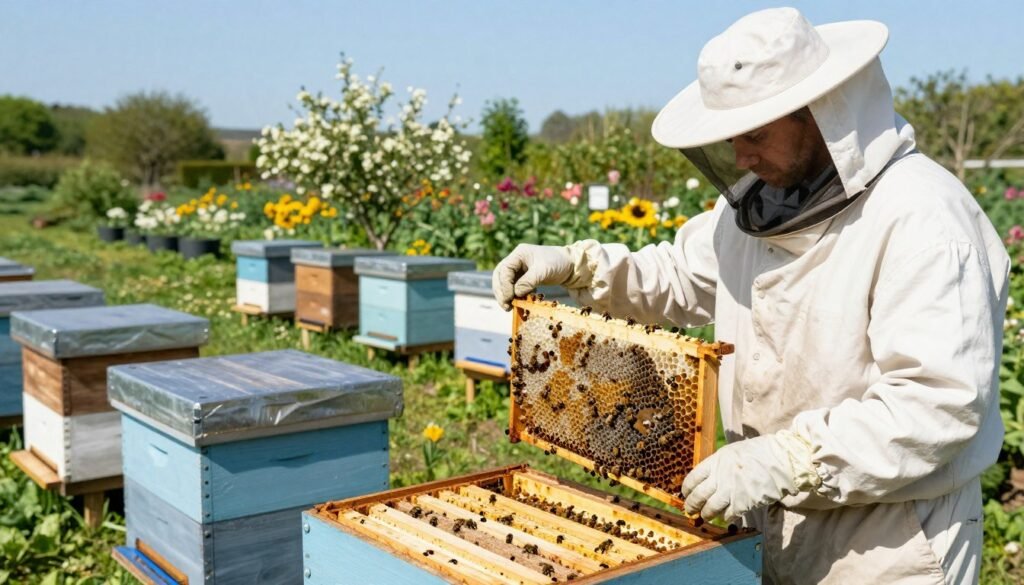
Michael Bush recommends using “queen juice” from retired queens as a swarm lure. This simple reuse can reduce losses and help redirect swarms back into managed hives.
Keep records and act on trends. A healthy queen supports hygienic behavior and gives the best defense against pathogens. Regular checks let you choose requeening or targeted treatment before problems cross hives.
- Inspect weekly during peak season.
- Isolate suspicious frames and compare notes across apiaries.
- Use swarm lures like aged queen extract to retain splits.
| Risk | Sign | Immediate Action |
|---|---|---|
| Infection | Sunken or perforated cappings | Isolate frame; test and treat |
| Laying issues | Scattered eggs or few larvae | Monitor 7–10 days; consider new queens |
| Colony stress | Low forager return | Supplement nutrition; inspect queen |
Conclusion
A concise inspection routine gives beekeepers the information they need to act with confidence.
Identifying a poor brood pattern is the first step in deciding whether a failing queen or a hive condition is at work. Use steady checks and simple assays to separate issues and guide management.
Timely action matters: source a new queen if laying failure is clear, or apply targeted colony care when behavior or hygiene is the culprit. For more on spotty coverage, see spotty brood guidance.
Consistent monitoring protects your bee colonies. Learn about hygienic testing and removal rates at hygienic behavior tests to strengthen long-term colony health.