Protecting American hives starts now. As the heat fades, beekeepers must check mite levels and act to secure colony health before winter. Randy Oliver of ScientificBeekeeping.com stresses that this period is critical to reduce parasite pressure.
Actionable steps save hives. Bill Hesbach, a Master Beekeeper in Connecticut, notes that prompt treatment and careful application of control methods keep colonies strong. The Connecticut Beekeepers Association offers resources for monitoring and choosing effective treatments through the year.
Understanding the mite life cycle helps you pick the right treatment and timing. Consistent checks keep honey yields and colony vitality stable. This guide outlines proven options so U.S. beekeepers can protect bees and hives from varroa mites.
Key Takeaways
- Late checks and swift treatment lower mite risks before winter.
- Monitor colonies regularly to catch infestations early.
- Follow recommended application steps for safe, effective control.
- Use resources from local beekeepers association for region-specific advice.
- Maintaining colony health preserves honey production and hive longevity.
Understanding the Varroa Mite Threat
Knowing where and when mites attack within a hive helps you act before infections spiral out of control. These parasites target both adult bees and developing brood, weakening the whole apiary if left unchecked.
Life Cycle
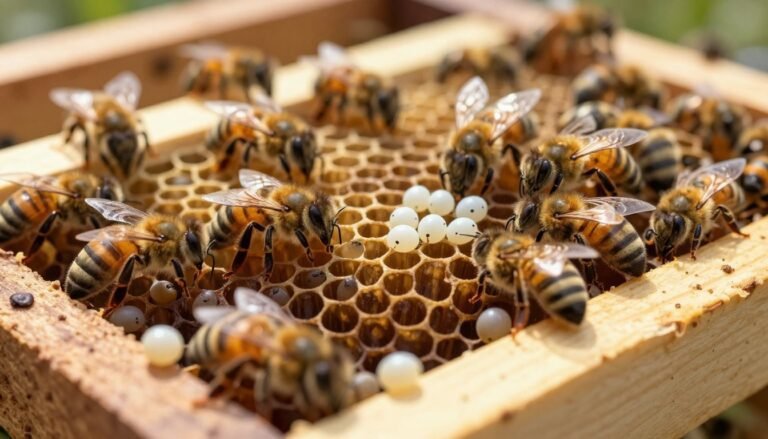
The Varroa destructor was first recorded in North Carolina in 1990, three years after its U.S. arrival. Female mites enter a sealed brood cell to lay eggs, then feed on the pupa as the offspring develop.
Mites prefer drone cells but will infest worker cells and reduce hive strength. David R. Tarpy notes they feed on fat bodies and hemolymph of adult bees, which robs the colony of vital reserves.
Secondary Viral Infections
Mite feeding opens the door to viruses like Deformed Wing Virus. Once infected, bees show deformities and shortened lifespans, and entire colonies can decline quickly.
- Parasitic Mite Syndrome can kill colonies within months, warns the Connecticut Beekeepers Association.
- Bill Hesbach stresses that regular checks protect the queen and workers from rapid collapse.
- Understanding life stages is key before applying chemical controls such as oxalic acid or formic acid.
“Mites feeding on fat bodies pose the most serious pest threat to honey bees worldwide.”
Why Late Summer Varroa Management Plan Success Matters
A spike in mite counts can turn a strong colony into a failing one within weeks. That sudden rise makes a prompt, correct treatment the difference between survival and loss for many colonies.
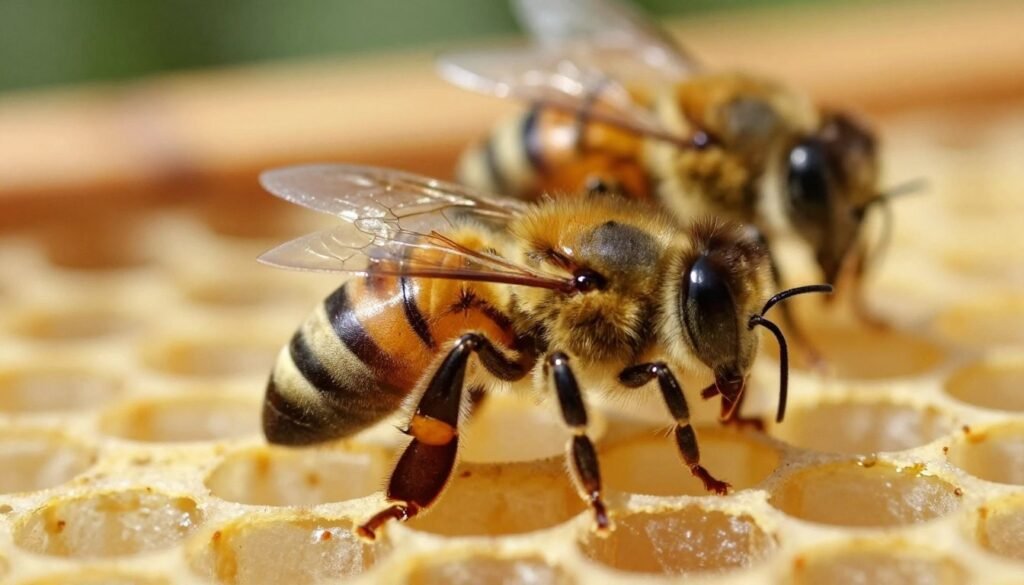
Randy Oliver observed that counts often explode near the end of the active season, and Bill Hesbach stresses that keeping low mite levels is the top goal for overwintered stock. The Connecticut Beekeepers Association also underscores the need to act now to protect bees and honey.
Failing to treat effectively lets mites reproduce unchecked. Untreated nests often collapse by spring, costing time and money for every beekeepers invested in a productive apiary.
“Effective action at this point often determines whether a colony survives the winter.”
| Risk | Sign | Recommended Action | Expected Outcome |
|---|---|---|---|
| High mite load | Elevated counts on tests | Apply targeted treatment and re-check | Reduced mite pressure, stronger colonies |
| Neglected hive | Weak brood and reduced honey | Immediate intervention and monitoring | Improved overwinter survival |
| Consistent monitoring | Low counts over time | Rotate methods and document results | Healthier hives and better yields |
For timing guidance and the science behind treatment windows, see why timing is critical. To align control with local productivity goals, review regional recommendations at apiary productivity.
Essential Monitoring Techniques for Your Apiary
Accurate monitoring tells you when to act. Use repeatable tests to track mite trends in brood frames and adult bees. Do checks on warm, sunny days for best results.
Sugar Shake Method
This is a non-lethal way to estimate mite load. Scoop bees from frames near the brood nest with a 1/2 cup tool. Shake powdered sugar over the jar and count dislodged mites.
Alcohol Wash Method
The alcohol wash is highly reliable. Collect about 1/2 cup of bees — roughly 300 — to get an accurate count. If counts exceed nine mites per 300 bees, consider a targeted treatment.
Sticky Board Method
Place a sticky board under the hive and leave it for 24 days hours to capture natural mite drop. Count the fall to estimate total mite intensity across the box and frames.
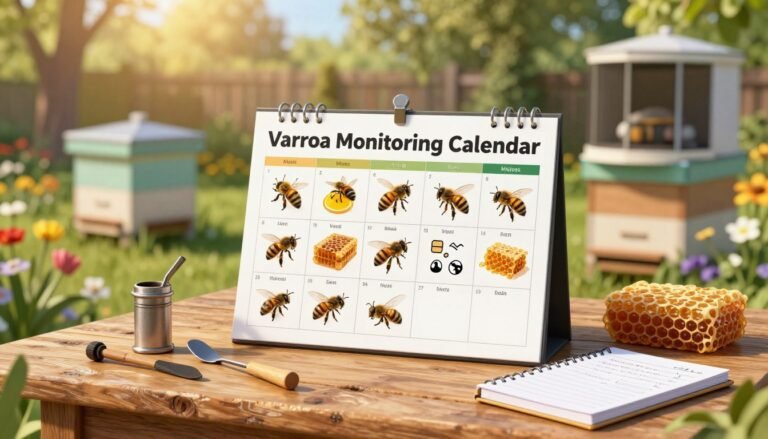
- Record counts each time and log the date to track efficacy over weeks.
- Bill Hesbach and the Connecticut Beekeepers Association recommend multiple checks at set times each season.
Evaluating Mite Infestation Levels
Measuring mite pressure in each hive prevents unnecessary treatments and saves resources. Spot testing across your yards shows which colonies need action and which can wait. Randy Oliver found that testing every hive reduced costs by treating only affected units.
Use an alcohol wash to get a precise count. David R. Tarpy recommends action when 9 or more mites appear per 300 bees. The Connecticut Beekeepers Association warns that high counts then predict possible colony loss.
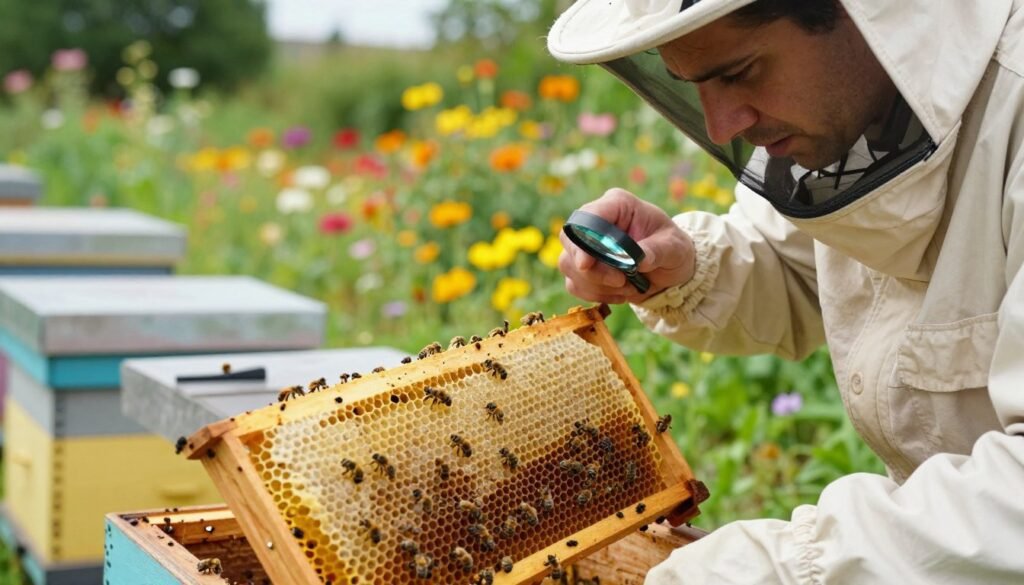
Sticky boards also help: 60–190 mites on the fall indicate you must take control measures to protect your hives. Accurate counts preserve honey production and improve the overall efficacy of any treatment you choose.
- Test each colony individually—don’t assume uniform mite loads.
- Record results to track trends and avoid overuse of chemicals.
- Use data to guide targeted action and protect apiary health.
“If you can’t measure it, you can’t manage it.”
Mechanical Control Methods
Using the bees’ own biology lets you trap mites where they concentrate and remove them safely.
Drone brood trapping exploits a clear preference: mites favor drone cells because drones take longer to develop.
Drone Brood Trapping
Place combs with drone-sized cells to draw mites away from worker brood. Remove capped drone brood before emergence to destroy the mites inside.
David R. Tarpy notes that timely removal can significantly cut mite numbers in a colony. Randy Oliver has used mechanical management to keep colonies strong for almond pollination.
- Mechanical methods reduce mite pressure without chemical treatment.
- They work well with regular monitoring and other treatments when needed.
- The Connecticut Beekeepers Association points out these methods are labor‑intensive but chemical‑free.
Tip: Inspect hives often and time the application so capped brood is removed before adult bees emerge. This helps reduce mite levels while protecting honey and overall hive health.
Selecting the Right Treatment Product
Choosing the correct product starts with matching treatment chemistry to your hive’s current needs. Check mite counts first and note whether honey supers sit on the hive. If supers are present, avoid products that can contaminate honey—Apiguard should not be used while supers are on the hive.
Always follow the product label. The Connecticut Beekeepers Association stresses label instructions protect both bees and beekeepers. Improper application can stress colonies and reduce efficacy.
Resistance to synthetic acaricides is now common; David R. Tarpy reports that Apistan and Checkmite+ have lost effectiveness in many areas. Rotate products and prefer low‑residue options to protect wax and honey.
- Consider temperature ranges—some products need specific conditions to work.
- Thymol-based options require proper hive spacing for vapor distribution.
- Confirm state approval before any application to registered hives.
“Select products that match colony needs and local conditions, then follow the label precisely.”
For detailed test results and comparative performance, read a field evaluation by Randy Oliver: a test of treatments.
Working with Formic Acid
Formic acid offers a distinct advantage because it penetrates beneath sealed brood cappings where many mites hide. It is the only chemical pesticide allowed for organic honey production in the United States, so many beekeepers prefer it when honey residue is a concern.

Common products like Formic Pro and Mite Away Quick Strips must be used within strict temperature ranges. Do not apply if daytime temperatures exceed 82°F during the first week, or you risk brood and adult bee loss.
The Connecticut Beekeepers Association stresses protective gear when handling this acid. Always read the product label—application methods vary by brand, and proper ventilation in the hive is essential.
Formic acid can kill mites under capped brood where oxalic acid cannot. It acts fast, resistance is rare, but it can cause queen loss in weak colonies. Monitor hives for a week after application to ensure fumes do not overwhelm the bees.
“Formic acid is powerful when used within temperature limits and with careful monitoring.”
For non-chemical complements and natural options, see natural remedies for varroa mites.
Utilizing Thymol Based Treatments
Thymol treatments work best when hive temperature and placement let the gel vaporize across the brood nest.
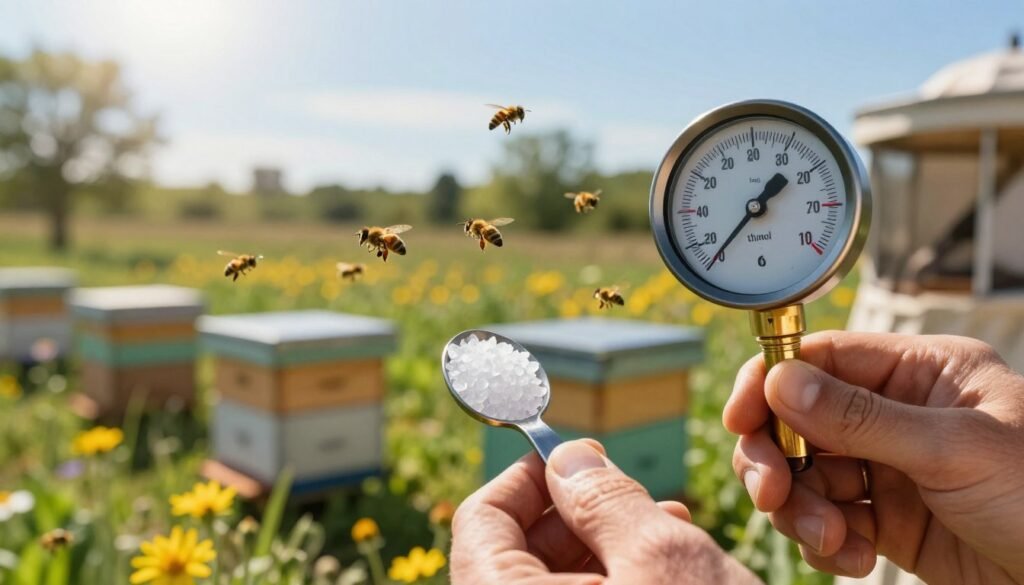
Apiguard is a common thymol gel that releases vapors between about 60°F and 100°F. Apply the product where vapors can reach the brood, often between brood chambers rather than on top of the hive for better spread.
Temperature Considerations
Check the label for specific application steps and required days between doses. Thymol is temperature-dependent; too cool and it won’t work, too hot and it may flash off and stress the colony.
- Do not use thymol if you have honey supers you plan to extract.
- Give the product room in the box so vapors move over the entire brood.
- Avoid treatment in weak hives; vapors can drive bees out.
| Factor | Recommended Action | Expected Result |
|---|---|---|
| Temperature 60–100°F | Place Apiguard between brood chambers | Even vapor release across nest |
| Honey supers present | Do not apply thymol | Protect honey from contamination |
| Weak colony | Delay or choose alternate product | Reduce risk of colony stress or loss |
Randy Oliver found middle placement often beats top‑of‑box application. For application methods and new techniques, read his detailed notes at thymol application. For advice on colony strength and gentle handling, see guidance on raising gentle colonies at raising gentle bee colonies.
Implementing Oxalic Acid Applications
Target exposed mites on adult bees by timing oxalic acid treatments for broodless periods. Oxalic acid is most effective when the colony has no capped brood, since it does not reach mites under cell cappings.
Choose the right product. Api‑Bioxal is commonly used in the U.S. in liquid dribble and vapor forms. Follow the product label for dose, temperature limits, and safety steps.
Randy Oliver has trialed oxalic/glycerin strip approaches that slowly release acid over many days. The Connecticut Beekeepers Association notes oxalic acid kills dispersal‑stage mites on adults when applied correctly.
- Use oxalic during natural broodless windows (fall or winter).
- Pick vapor or dribble methods per the label and site temperature.
- Wear proper PPE and follow safety guidance every time.
“When used properly, oxalic acid is a cornerstone treatment to lower mite pressure before the winter cluster.”
Avoiding Common Treatment Pitfalls
Small shortcuts in treatment steps often produce big problems in the hive. Be deliberate: read labels, confirm colony strength, and follow timing rules for each product.
Overuse of Synthetic Chemicals
Repeated use of the same synthetic product invites resistance. David R. Tarpy warns that exclusive reliance on one chemistry will reduce long‑term control.
Rotate products and combine mechanical measures to lower selection pressure on mites. Never use non‑approved mixes or homemade solutions; they can contaminate honey and harm bees.
Ignoring Label Instructions
Bill Hesbach notes that skipping label steps causes treatment failure and can kill a queen or destabilize colonies.
Always confirm dose, temperature window, and days between applications. Check that the hive has enough frames of bees before applying strong acid or vapor treatments. Monitor the hive for a week after application to ensure the colony remains stable.
“Read the label every time — it protects your bees and your harvest.”
| Common Pitfall | Risk | Quick Fix |
|---|---|---|
| Single‑product use | Resistance, reduced efficacy | Rotate chemistries and use mechanical controls |
| Ignoring label | Queen loss, colony decline | Follow label, confirm temperatures and dose |
| Applying with weak colony | Treatment stress, collapse | Strengthen brood nest before application |
For step‑by‑step seasonal checks and timing across U.S. regions, see seasonal hive care.
The Importance of Treatment Rotation
Rotating chemical and mechanical controls slows resistance and keeps treatments effective year after year.
Why rotate? Mites adapt when one product is used repeatedly. Bill Hesbach recommends three or four different products to delay resistance. Randy Oliver also notes rotation is the only way to protect long‑term efficacy.
Use a mix of options: formic acid, thymol products, and an oxalic acid approach such as vapor or strip. The Connecticut Beekeepers Association suggests a seasonal schedule that targets mites in different life stages of brood and adults.
- Change chemistries so no single product is used too long.
- Follow each product label for timing and safety.
- Run an alcohol wash after treatment to check efficacy and adjust the next step.
A disciplined rotation protects honey, keeps colonies productive, and helps beekeepers reduce mite levels across hives. Keep records of products, times used, and counts so your approach improves each year.
“Rotate tools and test after each application to preserve treatment efficacy.”
Safety Protocols for Beekeepers
Before applying any chemical, set clear safety steps to protect yourself and the colony. Work calmly and plan each step so you protect the queen and the bees.
David R. Tarpy notes that formic acid is highly corrosive and toxic to people. Always use gloves, goggles, and a respirator when required. Randy Oliver advises working in well‑ventilated areas to reduce fumes and stress to colonies.
Bill Hesbach emphasizes proper personal protective equipment for every beekeeper handling treatments. The Connecticut Beekeepers Association recommends training through a pesticide licensing program before using strong chemicals.
Keep short records of every treatment, date, dose, and result. Track brood checks and mite counts so you know how hives respond. Under no circumstances apply treatments without gear or clear instructions.
| Risk | Protective Action | Expected Result |
|---|---|---|
| Formic acid fumes | Use respirator, gloves, ventilate site | Lower human exposure; less bee stress |
| Untrained applicator | Complete pesticide training | Safer use of treatments; protected hives |
| Poor record keeping | Log treatment, dose, brood/mite counts | Better follow‑up and improved colony health |
“Wear proper PPE and follow label directions to keep yourself and the bees safe.”
Conclusion
Strong colonies come from steady monitoring, correct product use, and careful follow-up after each application. Use a mix of mechanical checks and targeted treatment to keep mites low and brood healthy.
Include one application of oxalic acid when brood is scarce and consider formic acid during brood periods to reach mites under cappings. Rotate treatments and record results to protect efficacy over the year.
The Connecticut Beekeepers Association is a key resource for local guidance. The Connecticut Beekeepers Association offers regional timing and safety notes, and the Connecticut Beekeepers Association can point you to proven protocols and training.
For practical seasonal options and an applied guide, see mate summer varroa mite treatments. Follow labels, wear PPE, and prioritize colony and personal safety.
FAQ
What is the best way to monitor mite levels in my colonies before treating?
Use one or more monitoring methods: the sugar shake, alcohol wash, or sticky board. The sugar shake and alcohol wash estimate mites per 100 bees; the sticky board shows daily drop. Combine results over several hives and repeat weekly to track trends. Record counts and compare to action thresholds for your region.
How do I perform an alcohol wash safely and accurately?
Collect about 300 bees from the brood area into a jar, add 70% isopropyl alcohol, shake for a minute, then pour through a mesh to count mites. Use a clear container and grid to improve counting accuracy. Wear gloves and follow proper disposal for the bees and alcohol per local regulations.
When should I use formic acid, and what conditions matter?
Formic acid works well when brood is present because it penetrates capped cells. Apply according to the product label—Mite-Away Quick Strips (MAQS) and similar brands have specific temperature ranges, usually 50–85°F. Avoid use during extreme heat, and monitor queen health since formic can stress colonies if misused.
Can I treat with oxalic acid when honey supers are on the hive?
Do not use oxalic acid vapor or dribble with supers containing honey for human consumption unless the label explicitly permits it. Many suppliers advise removing supers or using treatments labeled as safe with supers. Always follow the product label and local regulations to protect honey quality.
How effective is oxalic acid when brood is present?
Oxalic acid is most effective on phoretic mites when brood levels are low because it does not penetrate capped brood. In brood-rich colonies, efficacy drops. Use oxalic acid when brood breaks occur or in combination with treatments that target mites in brood to reduce overall mite pressure.
How long should I wait between different chemical treatments?
Follow label intervals for each product. Many labels recommend waiting several weeks between treatments to avoid overstressing bees and to reduce chemical residue buildup. Rotating modes of action prevents resistance; for example, alternate organic acids, thymol, and mechanical controls rather than repeating a single synthetic compound.
Are thymol products safe when temperatures are high?
Thymol treatments like Apiguard or Thymovar perform best within specific temperature windows, often 60–85°F. High heat can increase volatility, stressing bees and queen. Low temperatures reduce vaporization and efficacy. Check the product label and adjust timing to stable, moderate weather.
What mechanical methods can help reduce mite loads?
Drone brood trapping effectively reduces mite reproduction because mites prefer drone cells. Regularly remove and destroy capped drone frames. Other nonchemical tactics include screened bottom boards to increase mite fall and splitting strong colonies to disrupt mite cycles.
How do I avoid harming my queen during treatments?
Choose products and application methods that are labeled safe for colonies with queens present. Avoid extreme heat or prolonged chemical exposure. When using acids or vapor treatments, monitor brood pattern and queen behavior after treatment, and refrain from aggressive applications during queen rearing or when introducing a new queen.
What are common mistakes beekeepers make when treating for mites?
Frequent errors include treating without monitoring, ignoring label instructions, overusing a single chemical class, and applying treatments outside recommended temperature ranges. Skipping follow-up checks and keeping honey supers on during prohibited treatments also create problems. Education and careful record-keeping reduce these risks.
How can I reduce the risk of mites developing resistance to treatments?
Rotate treatments with different modes of action, incorporate nonchemical controls like drone brood removal, and avoid repeated short-interval use of the same product. Follow label rates and application timing; sublethal dosing encourages resistance. Work with local beekeeping associations for region-specific strategies.
Is it safe to use multiple treatments at once to speed up mite control?
Combining products can increase stress on the colony and risk residues in wax and honey. Only use multiple treatments simultaneously if the labels for each product permit combination and you understand potential interactions. When in doubt, stage treatments over appropriate intervals to minimize harm.
How often should I monitor infestation levels after treatment?
Check weekly for at least three to six weeks after treatment to assess efficacy and spot rebounds. Use consistent monitoring methods and the same hives for comparison. If mite counts remain above thresholds, consult product labels and local experts for follow-up options.
Can I harvest honey the same season I treated for mites?
It depends on the treatment used. Many organic acids and thymol have label restrictions regarding honey supers. Always check the product label for pre-harvest intervals and removal requirements to ensure honey safety and legal compliance before harvesting.
Where can I get region-specific action thresholds and treatment advice?
Contact your state extension service, local beekeeping association, or university entomology department. Organizations like the Bee Informed Partnership and state apiarists publish action thresholds and seasonal recommendations tailored to local climate and pest pressure.