Monitoring is the backbone of healthy beekeeping. Randy Oliver of ScientificBeekeeping.com stresses that regular checks keep honey bee colonies resilient.
This guide explains a standard sample method that gives reliable counts of mites in a single cup of bees. Using a consistent process helps you see the true infestation number before serious harm occurs.
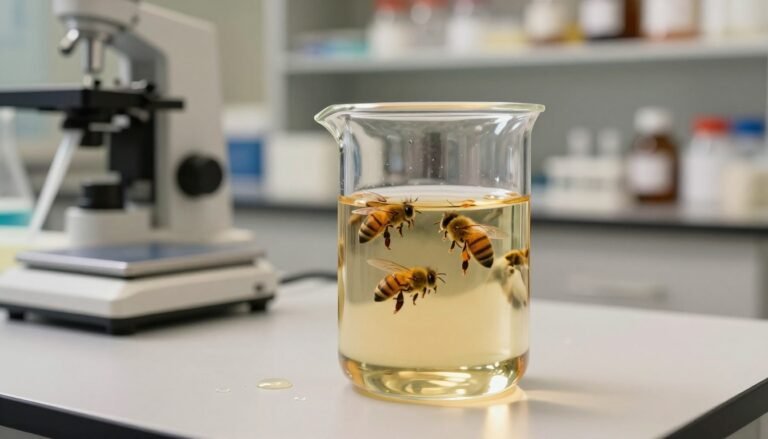
The method uses a measured cup of bees shaken into a jar with a solvent, then swirled and checked for mites. A standardized approach makes results comparable across hives and seasons. For background on monitoring steps and supplies, consult a practical overview at varroa monitoring.
Key Takeaways
- Regular sampling reveals hidden infestation levels before colonies decline.
- A single ½ cup sample can represent an entire hive’s mite pressure.
- Standardized counts yield consistent data for treatment decisions.
- Record pre- and post-checks to measure control effectiveness.
- Learn safe, practical steps and regional guidance from trusted sources like natural remedies resources.
The Importance of Monitoring Varroa Mite Infestations
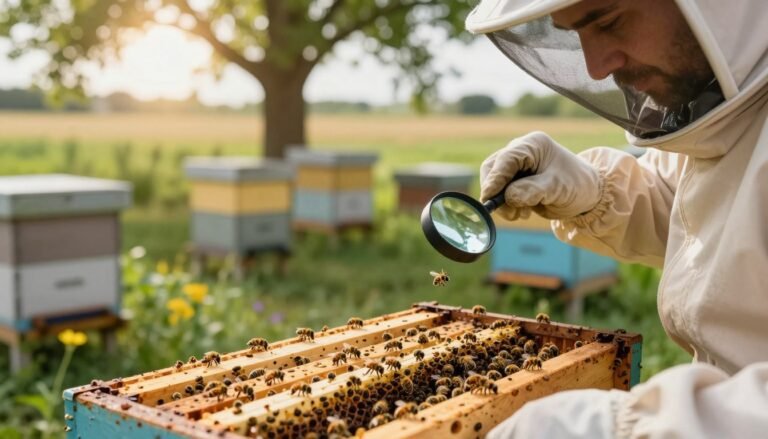
Frequent inspections give beekeepers clear data about parasite pressure inside colonies. Accurate information on mite levels guides treatment and helps protect brood and adult bees.
Research from 1982 by Dr. David de Jong showed that choice of shaking solution affects detection accuracy. That work established monitoring as vital for colony survival.
Randy Oliver warns that in spring up to 80% of mites hide inside the brood. For that reason, checking only adults can undercount infestation level and delay action.
Monitoring varroa before and after treatment provides a clear measure of efficacy. Keep records through the year and compare counts to decide when treatment is needed.
“Maintaining a low infestation level is the primary goal of any professional beekeeping treatment strategy.”
- Track mite levels regularly so colonies remain productive.
- Use consistent method and timing for comparable results.
- Accurate counts inform timely treatment and reduce collapse risk.
Essential Supplies for How to Do an Alcohol Wash for Varroa Mites
Gathering the right supplies before sampling makes field work faster and yields reliable counts.
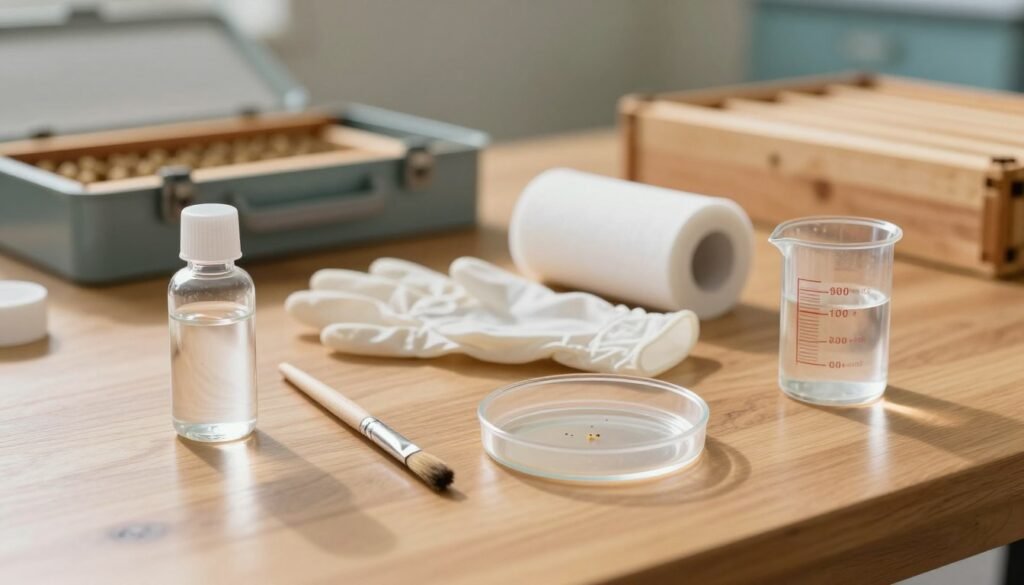
Selecting the correct solvent matters most. Randy Oliver recommends 91% rubbing alcohol for superior mite recovery in standard monitoring. Dawn Ultra detergent can serve as an alternate where alcohol is restricted or unavailable.
Selecting the Right Solvent
Use a high-concentration isopropyl solution when possible. It gives more consistent recovery and clearer counts.
Gathering Your Equipment
Carry a 125 mL stainless steel cup to measure a repeatable sample. A double-jar shaker with a mesh insert speeds work in the field and reduces handling time.
- Keep a clean, dedicated shaker and a spare cup.
- Bring a notebook to record mite levels and notes about each colony visit.
- Consider a purchased monitoring jar or assemble your own from common parts.
“Clean equipment and a consistent sample size are the foundations of reliable mite monitoring.”
| Item | Recommended Option | Notes |
|---|---|---|
| Solvent | 91% isopropyl rubbing alcohol | Best recovery; rapid evaporation |
| Sample cup | 125 mL stainless steel | Standard volume for comparisons |
| Shaker | Double jar with mesh | Efficient and field-ready |
For a detailed protocol on alcohol washing, see the official alcohol washing guide. If you are starting out, review common beginner errors in beekeeping setup.
Preparing the Bee Sample from Your Hive
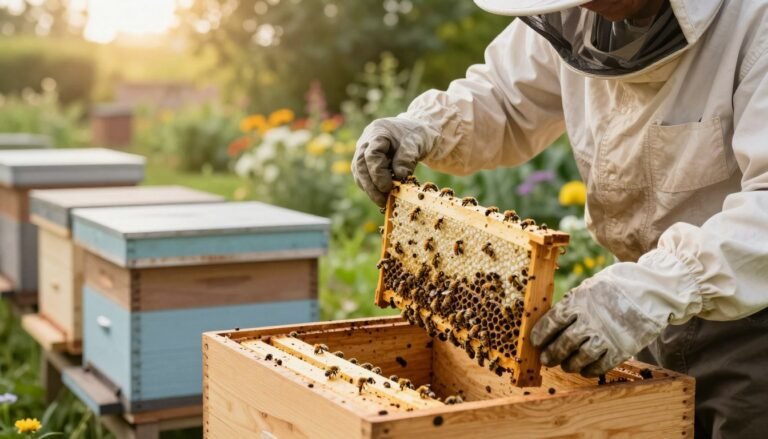
Start by removing a single frame that shows active brood and older workers clustered near the comb. Inspect the top of the frame and make sure the queen is not present before any collection.
Randy Oliver suggests using an 18‑quart tub to shake bees from the frame into a small pile. Older foragers usually fly off after the shake, leaving nurse bees that best represent colony infestation.
Locating the Queen and Selecting Frames
Select frames with older larvae. These frames hold nurse bees that have the highest chance of carrying a varroa mite.
- Always check the top and both sides of the frame for the queen before you collect.
- A level half cup equals about 300 bees, a repeatable sample number for consistent counts.
- After shaking, gather the pile and pour a measured cup into your sampling jar.
“Careful frame selection and queen protection keep samples reliable and colonies safe.”
Executing the Alcohol Wash Procedure
A consistent motion and set time produce reliable counts from each hive sample. Work quickly in the field so bee stress stays low and results remain comparable between visits.
Agitation Techniques
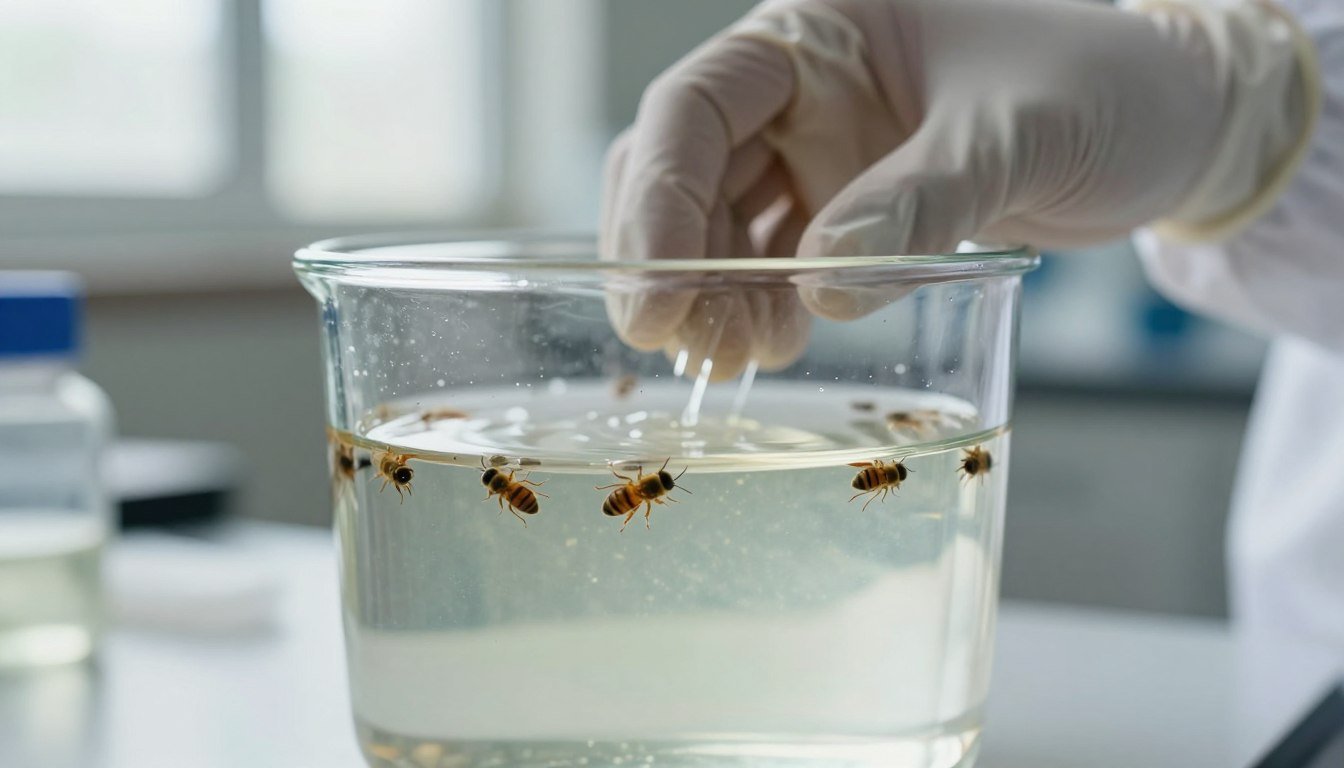
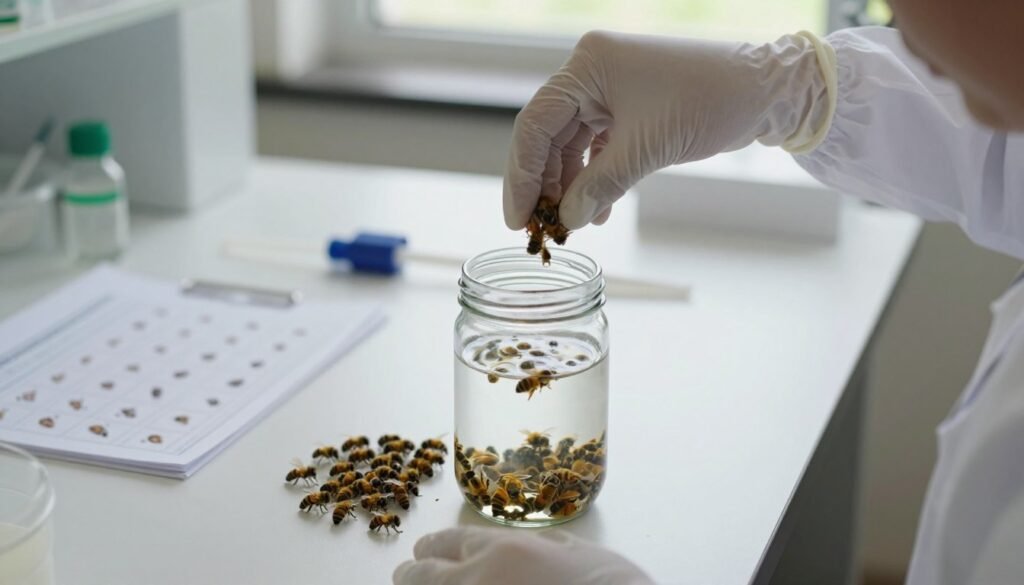
Randy Oliver’s portable agitator performs 300 swirls in 60 seconds, a standard that yields about 95% recovery of mites. If that tool is unavailable, swirl the sealed jar by hand for at least 60 seconds.
Separating Mites from Bees
After agitation, pour the liquid through a fine strainer or the shaker insert to separate mites from the bees. Hold the jar up to light to count mites more easily and record the number.
Managing Wax Flakes
High‑proof rubbing alcohol, such as 91% isopropyl, helps dissolve wax flakes that can obscure your view.
If flakes collect, wipe the cup clean with a paper towel between samples so the count remains accurate.
Interpreting Mite Counts and Treatment Thresholds
A single measured cup of workers can reveal whether treatment is needed this season. A count of 3 per half cup equals about a 1% infestation in a 300‑bee sample. That simple conversion helps you compare results across hives.
Randy Oliver warns that a count of 6 per half cup is a critical threshold. If your find more than six, the risk to brood and honey production rises and you should plan treatment.
Dr. HR Azizi’s 2008 comparison found that a 70% alcohol method gives reliable separation and clear counts. Use consistent methods so numbers remain comparable over time.
“Record the number of mites found in each hive to track treatment efficacy over the year.”
- Divide the number of mites by 3 to estimate percent infestation in 300 bees.
- Compare counts before and after treatment for essential information about control success.
- Keep a log of sample date, half cup count, and actions taken for each colony.
| Metric | Count (per half cup) | Interpretation |
|---|---|---|
| Low | 0–2 | Monitor regularly; no immediate treatment |
| Moderate | 3–5 | Consider intervention if rising or during high brood time |
| Critical | 6+ | Plan treatment promptly to protect bee colonies |
Conclusion
Timely counts let beekeepers spot rising infestation before colonies suffer.
Regular monitoring is the cornerstone of successful beekeeping. A short sample gives a reliable number that guides action and protects bee health.
Performing an alcohol wash yields an accurate count of mites and the infestation level. Use consistent sample technique and record results so you can track trends over the season.
Apply treatment only when data shows need. Low numbers can climb quickly, so repeat checks and keep notes. For a practical reference on an alcohol wash mite count, consult this short guide.
FAQ
What is the purpose of an alcohol wash in varroa monitoring?
An alcohol wash gives a precise snapshot of mite load by dislodging mites from a measured sample of adult honey bees. That count helps beekeepers determine whether a colony needs treatment and which methods to use.
How many bees should I sample per wash?
Collect about 300 nurse bees from frames with brood by shaking or brushing them into a jar. This sample size balances accuracy and practicality for reliable mite-per-100-bees estimates.
Which type of alcohol works best for this test?
Use 70% isopropyl rubbing alcohol or 70% ethyl (denatured) alcohol. These concentrations kill and dislodge mites without excessive evaporation during the brief agitation period.
What equipment do I need to perform the test safely?
You need a collection jar with a screened lid or strainer, a bottle of 70% alcohol, a small funnel, a white tray or bowl to count mites, and protective gear like a veil and gloves.
How do I collect bees without harming the colony’s queen?
Remove frames away from the queen and target nurse bees in brood areas. Look for frames with open and capped brood; avoid frames where the queen is present. If unsure, inspect frames carefully before sampling.
What is the proper agitation technique during the wash?
Seal the jar, add alcohol to cover the bees, and shake vigorously for about one minute. Ensure consistent, forceful agitation to separate mites while keeping sample handling quick to reduce stress on the colony.
How are mites separated and counted after shaking?
Pour the liquid through a fine mesh or screen onto a white tray. Rinse the jar and screen with a small amount of alcohol to collect stray mites. Count visible mites on the tray and record the number.
How do I calculate mite percentage or mites per 100 bees?
Divide the total mites by the number of bees sampled and multiply by 100. With a 300-bee sample, multiply mite count by 0.333 to get mites per 100 bees, or by 0.3333 for greater precision.
What treatment thresholds should guide my response?
Many apicultural guidelines suggest action if mites exceed 2–3 mites per 100 bees during spring and summer, or if levels rise above 3% in late season. Adjust thresholds based on local recommendations and colony strength.
How often should I monitor mite levels with this method?
Monitor every 2–4 weeks during active season and before major management events like honey flows or winter preparations. Increased frequency helps catch rapid population changes and time treatments effectively.
Are there alternatives to this method that are less invasive?
Yes. Alternatives include the sugar roll (uses powdered sugar) and sticky boards (counts mites that fall). Each method has pros and cons for accuracy, speed, and colony disturbance.
What should I do with the bees and alcohol after the test?
Dispose of the liquid and bee carcasses in accordance with local waste guidelines. Rinse the jar and equipment thoroughly and sanitize between hives to prevent disease spread.
Can weather or season affect test accuracy?
Yes. Cold temperatures can reduce bee activity and sampling ease, and seasonal mite distribution changes can affect counts. Prefer warm, calm days and consistent sampling locations within the brood area for comparable results.
Is it safe to perform this test if frames contain honey or brood I plan to keep?
Avoid sampling directly from frames with honey intended for harvest. Target frames near brood but not honey supers. Take care not to contaminate food stores or damage brood during collection.
Where can I find regional treatment recommendations and updates?
Consult local extension services, state apiarists, university beekeeping programs, and beekeeper associations. These resources provide region-specific thresholds, approved miticides, and integrated pest management strategies.