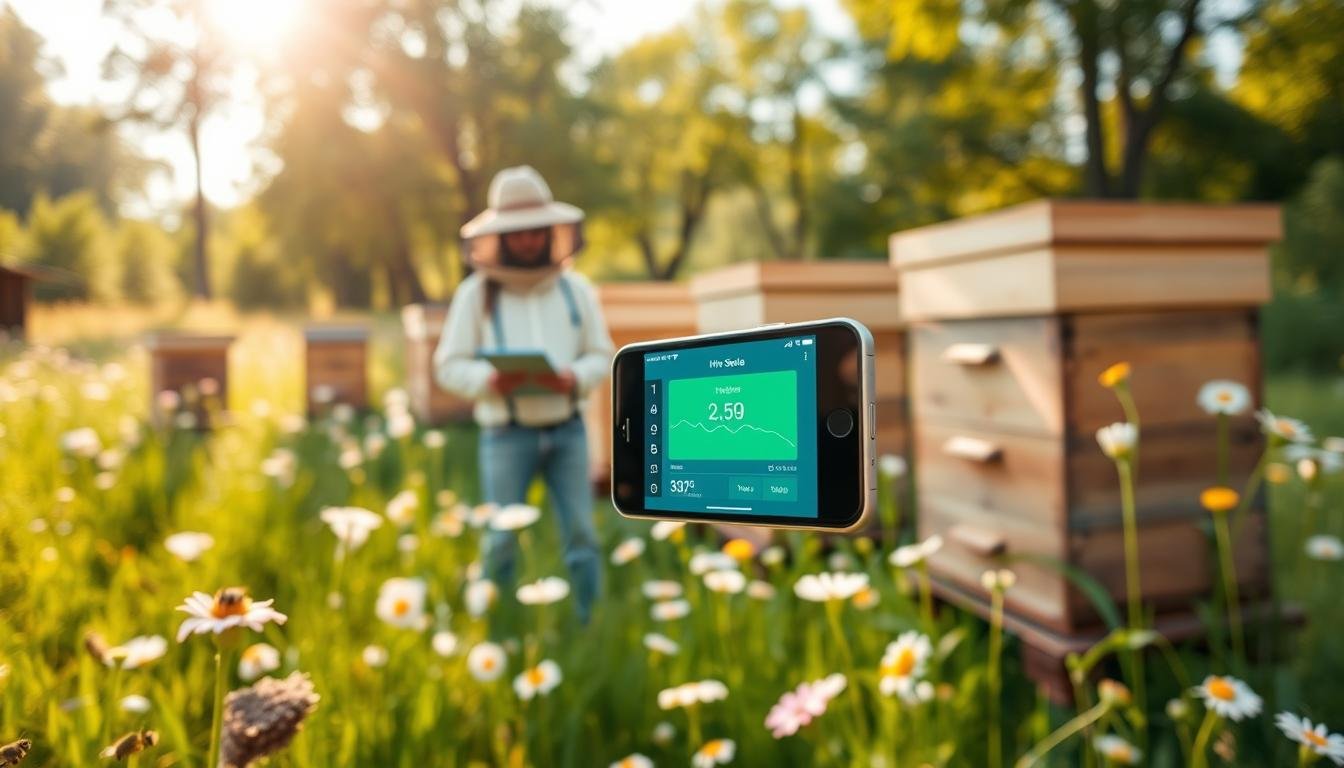
Modern beekeeping blends old craft with precise digital tools. Since ancient Egyptians tended colonies by eye, today’s keeper relies on digital data to track honey flow and colony health.
Choosing the right solution saves time and improves hive management across the year. With simple metrics you can watch weight trends, spot problems early, and protect your bees.
Whether you’re a novice or a pro, integrated tools translate raw numbers into clear actions. These apps help beekeepers optimize honey yields and maintain stronger hives with less guesswork.
Key Takeaways
- Digital tools bring data-driven decisions to beekeeping.
- Tracking weight and trends helps protect colony health.
- Right tools reduce time spent on routine checks.
- Apps support both new and experienced beekeeper workflows.
- Adopting modern tools can boost honey yields over the year.
The Evolution of Modern Apiary Management
The shift to data-driven apiary routines changes how colonies are cared for every day. Traditional practices remain valuable, but digital tools add precise, timely insights that save time and reduce guesswork.
Modern management helps track honey production across multiple apiaries. With clear trends, a keeper can spot drops in weight or sudden changes in activity and act early.
New apps make monitoring simple. They let beekeepers log inspections, compare colonies, and schedule tasks across sites. This reduces travel and improves responses to pests or weather shifts.
- Digital records make long-term planning easier.
- Organized data supports consistent colony care.
- Remote monitoring helps protect bees and boost honey yields.
To explore tools that support modern apiary work, see the ApiManager platform or read the wireless hive scales guide for practical deployment tips.
Why You Need the Best Hive Scale App for Beekeepers
When data is accurate and easy to access, managing dozens of colonies becomes practical instead of guesswork. Strong routines and clear records make inspections faster and help protect colony health.
Precision and Consistency
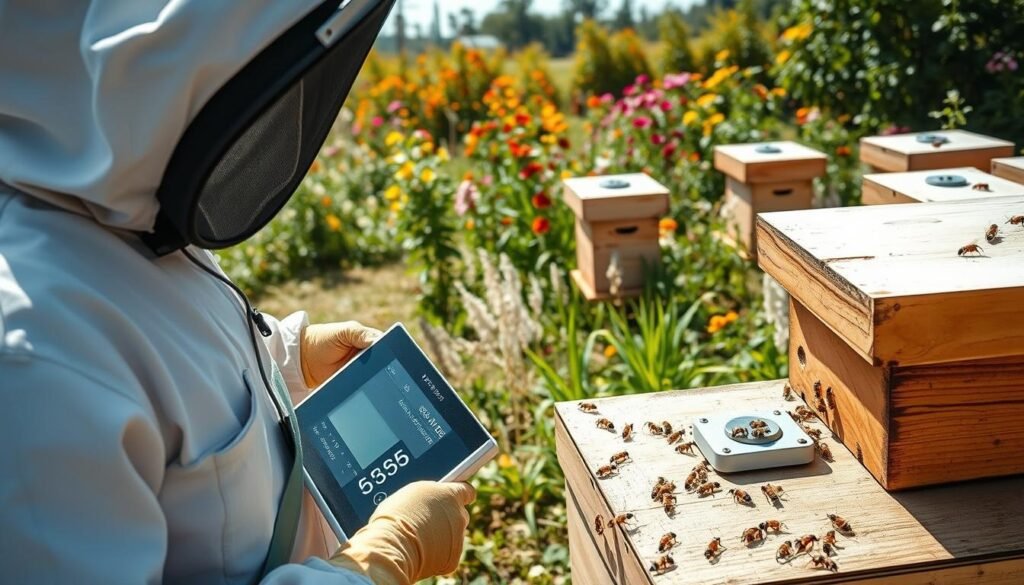
Precision matters. Commercial beekeeper John Davis in Oregon oversees over 200 hives and depends on consistent measurements to schedule treatments and plan harvests.
Recording each inspection, treatment, and harvest keeps a reliable record. That consistency reduces error and saves time during peak season.
Instant Insights
Quick access to trends lets a keeper spot weight drops, queen issues, or weather-driven changes before a small problem grows.
“Consistent data changed how I work. I catch declines earlier and plan better,” said John Davis.
Access to historical data improves analysis and boosts productivity. To compare devices and choose the right tool, read this guide on how to choose your hive scale.
Essential Features for Data-Driven Beekeeping
Tracking the right signals helps teams prioritize work across multiple apiaries.
Core monitoring must include disease logs, queen status, and colony health records. These entries let managers spot trends and plan treatments quickly.
Good tools handle large volumes of data without slowing operations. That capability makes inspections and follow-up actions efficient across many sites.
- Detailed inspection entries with timestamps and photos.
- Automated alerts for weight drops or disease signs.
- Production and condition dashboards to guide decisions.
“Consistent logs and timely analysis cut response time and protect colonies.”
| Feature | Value for Operations | Typical Use | Outcome |
|---|---|---|---|
| Disease Tracking | Centralized records | Flag infections, plan treatments | Fewer outbreaks |
| Queen Status Logs | Easy comparison across colonies | Spot failing queens early | Improved colony stability |
| Environmental & Production Metrics | Contextual data for decisions | Adjust inspections and feeding | Higher honey yields |
| Inspection & Treatment History | Audit trail for teams | Track what was done and when | Consistent management practices |
To streamline recordkeeping across many sites, consider digital field logs and structured reports like those in this apiary management guide. Consistent tracking improves analysis and helps teams act before small issues become big problems.
Top Rated Applications for Hive Monitoring
Top-rated monitoring tools turn raw hive data into clear, timely actions that protect colonies.
In this section we compare two widely used platforms and show how plan choices affect long-term management.
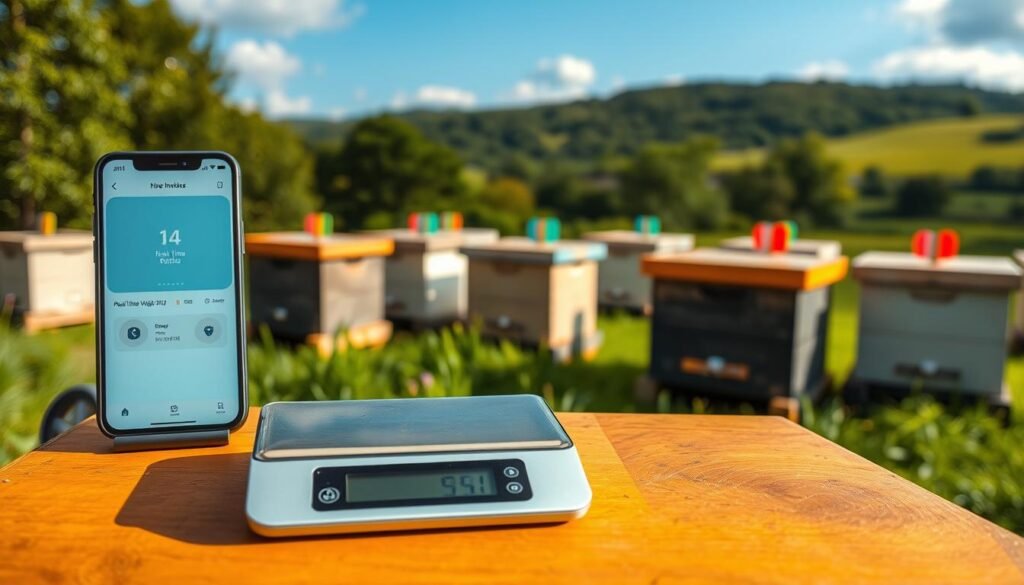
ApiManager Features
ApiManager supports global teams in 38 languages. It offers a Premium plan at $64.99/year and can manage up to 10,000 hives.
Key advantages include large-scale record keeping, automated alerts, and centralized task lists that help schedule inspections and treatments.
APiLOG Capabilities
APiLOG is popular with hobbyists. Maria Santiago in California uses it to log inspection activity and review honey production from any device.
The tool makes it easy to record queen notes, treatments, and harvests while keeping data accessible on the go.
“Recording observations on the spot changed how I plan seasonal work.”
Comparing Free vs Premium Plans
Decide based on team size, data access needs, and long-term colony health tracking. Free tiers are fine for single-site hobby use.
Premium plans add multi-user access, advanced analysis, and larger hive limits for commercial operations.
- Both platforms track treatments, inspections, and queen status.
- Premium tiers improve collaboration, reporting, and long-term analysis.
- Choose a plan that matches your apiaries and yearly harvest goals.
To review more tools and options for hive management, see this roundup on hive management software or explore additional beekeeping topics.
Leveraging AI and Automation in Your Apiary
Automation now records inspection notes as they happen, so a keeper spends less time typing and more time on colonies.
Voice Transcription and Data Extraction
Hands-free voice transcription lets a beekeeper speak observations during inspections and have them converted into data instantly.
AI-driven extraction pulls out key items like treatments, harvests, queen notes, and timestamps. This creates a reliable record without manual entry.
- Save time by removing repetitive logging tasks.
- Keep consistent data across multiple hives and apiaries.
- Use automated notes to trigger alerts or follow-up tasks.
Practical benefits include faster inspections, fewer missed treatments, and clearer analysis of colony trends. APiLOG and similar apps now support voice workflows that sync entries to your management dashboard.
“Recording on the spot cut admin time and improved field accuracy.”
To read more about AI in apiary tools, see this article on AI beehive technology and a review of monitoring options at hive monitoring technology.
Managing Team Collaboration and Permissions
Collaborative tools let teams share colony notes while keeping sensitive treatment data locked to the right users. Role-based permissions protect records and keep workflows consistent across operations.
Assign roles that limit who can edit inspections, treatments, or queen notes. That prevents accidental changes to health and harvest records.
Urban educators also benefit. Emma Lewis in London uses QR features so students scan and read hive history during lessons. This keeps class work hands-on without exposing editable data.

Clear permissions help teams follow shared standards, no matter the weather or site conditions. Access controls reduce mistakes and speed decision-making.
- Set view-only access for trainees and full edit rights for managers.
- Use timestamps and audit logs to track changes and analysis.
- Coordinate inspections and harvests so colonies get consistent care across apiaries.
Good management tools improve monitoring, protect bees, and keep honey production on schedule across your colonies.
Integrating Weather and Environmental Data
When you pair microclimate data with hive records, inspection windows become precise and productive.
APiLOG feeds up-to-date weather and pollen counts into your management timeline. This lets you pick inspection times that match colony activity and reduce stress on the bees.
Optimizing Inspections Based on Local Conditions
Integrating weather and environmental data helps you decide when to perform inspections. Track local conditions to avoid windy, cold, or wet periods that lower bee activity.
Monitoring pollen counts and forecasts gives insights into honey production and colony health across the year. Record how storms, temperature shifts, or low pollen affect feeding, treatments, and harvests.
- Use weather-driven alerts to schedule visits during peak activity.
- Log environmental impacts so analysis links conditions to productivity.
- Adjust treatments and tasks based on recorded trends and disease risks.
“Weather-aware schedules turned vague guesses into clearer decisions.”
To explore tools with integrated weather features, see this integrated weather features guide that helps align inspections and operations with local conditions.
Conclusion: Choosing the Right Tool for Your Hives
A reliable tool makes routine tasks faster and gives you clarity on colony health across the year.
Choosing the right solution is a key step in modernizing your beekeeping and protecting your bees. Good management turns inspection notes into clear data and timely actions.
Whether you are a hobbyist or a pro, the right apps and tools help you track hives and streamline monthly tasks. That steady record keeping improves decisions about expansion and seasonal work—see the expansion guide for planning tips.
Invest in a dependable digital companion. It will empower the beekeeper to act with confidence, keep colonies healthy, and make each year more productive.
FAQ
What does a hive scale solution measure and why does it matter?
A hive weighing system tracks colony mass changes over time. Weight trends reveal nectar flows, brood rearing, food stores and swarming risk. That data helps with timely feeding, treatment timing and harvest planning, improving colony health and honey production while reducing surprise losses.
How accurate are wireless hive weighing systems compared to manual checks?
Modern wireless systems using strain gauges or load cells deliver consistent daily readings within a few hundred grams. They remove human error from spot checks and provide continuous trends. Accuracy depends on quality of sensors, installation, and calibration.
Do these monitoring platforms integrate weather and environmental data?
Yes. Many platforms pull local weather, temperature, humidity and forage forecasts. Combining weight data with weather helps optimize inspection timing and predicts nectar flows and foraging activity, making decisions more data-driven.
Can I monitor multiple apiaries and grant access to team members?
Most solutions support multi-apiary management with role-based permissions. You can assign read-only access to volunteers, editing rights to managers, and receive team activity logs. This simplifies coordination across sites and keeps records organized.
What features should I look for in a monitoring platform focused on colony health?
Prioritize continuous weight tracking, inspection records, treatment schedules, queen and colony history, and alerting for unusual drops or gains. Exportable reports and integration with disease databases or lab results add value for proactive management.
Are there lower-cost options versus premium subscription plans?
Yes. Free tiers often include basic weight logging and limited apiaries, while premium plans add alerts, advanced analytics, weather integration and multiple-user support. Evaluate which features yield operational value before upgrading.
How does automation and AI improve apiary workflows?
Automation reduces manual entry: voice transcription during inspections, automated data extraction from photos, and predictive alerts for swarming or low stores. AI can spot patterns across colonies, suggesting focused treatments or inspection priorities.
Is voice transcription reliable during field inspections?
Voice tools have improved and work well in calm conditions. Background noise and wind reduce accuracy, so using a windscreen microphone or short structured notes improves results. Transcripts should be reviewed and corrected when needed.
How do I ensure sensor data stays secure and backed up?
Choose providers with encrypted data transfer (HTTPS/TLS), regular backups, and clear privacy policies. Local storage gateways or edge devices add redundancy. Regularly export critical records to your own backups for long-term archives.
Can monitoring systems help with treatment timing and disease management?
Yes. Weight and activity anomalies often precede visible symptoms. Systems with treatment logs allow you to correlate responses to medications, track mite counts, and schedule follow-ups. That supports evidence-based interventions and regulatory compliance.
Do these platforms support harvest planning and yield estimates?
Many platforms use weight trends to project honey flows and suggest optimal harvest windows. Combined with historical production and weather data, they can produce conservative yield estimates to plan labor and equipment needs.
What maintenance do load cells and gateways require?
Regular checks for corrosion, wire integrity and level placement keep sensors accurate. Replace batteries per manufacturer recommendations and recalibrate annually or after major storms. Clean contact points and protect electronics from moisture and pests.
How quickly will I see value after installing a monitoring system?
You’ll gain immediate insight into daily activity, but clear patterns often emerge over weeks to a season. Use early data to refine inspection schedules and feeding plans; long-term trends improve queen management and production forecasting.
Are there standards or community resources for interpreting weight data?
Yes. University extension services, beekeeping associations and peer forums publish interpretation guides and reference datasets. Applying local knowledge and historical apiary records is essential to translate weight changes into management actions.
What are common pitfalls when adopting monitoring technology?
Common issues include poor sensor installation, ignoring calibration, overreliance on alerts without field checks, and choosing platforms that don’t scale with operations. Start small, validate readings with manual checks, and train staff on workflows.
How do systems handle power and connectivity in remote apiaries?
Many gateways use solar panels and low-power radios (LoRa, cellular) to transmit data. Evaluate signal coverage, battery capacity in winter, and choose devices with offline caching so no data is lost during outages.
Can these tools help improve sustainability and regulatory reporting?
Yes. Detailed records of treatments, harvests and health checks support compliance with local regulations and certifications. Data-driven practices often reduce chemical use and improve colony survival, supporting sustainable operations.