
Warre Beehive Guide: Nadiring, Design, and Real Limits
The Warre hive is a low-intervention, vertical top-bar design built around minimal management. Here is how it actually works and what to expect running one.

The Warre hive is a low-intervention, vertical top-bar design built around minimal management. Here is how it actually works and what to expect running one.

A top-bar hive is a single-story, frameless hive in which comb hangs from removable wooden bars rather than milled frames, and the box itself lies on its side instead of stacking upward. The most common version in North America and…

The Langstroth beehive, named after its inventor Lorenzo Langstroth, has become the most iconic and widely used beehive design in the world. Its modular design, ease of use, and efficiency in honey production have made it a favorite among both…

A honey label has to answer specific legal questions about origin, purity, and blending. Here is what actually has to be on the jar.
A real breakdown of what honey production costs: startup equipment, ongoing labor, colony replacement, and why true cost per pound is often closer to sale price than beekeepers expect.
Commercial-scale beekeeping education runs through university extension programs, the EAS Master Beekeeper track, and hands-on mentorship. Here is where to actually find it.
A Kenyan top bar hive (KTBH) is a single-storey, horizontal beehive with sloping side walls, in which the bees build natural comb hanging down from a row of loose wooden bars laid across the open top, with no frames and…

Honey production is often talked about as a purely agricultural activity, but it is genuinely inseparable from the broader ecosystem a colony forages in – biodiversity, pollination, and climate all shape what a hive can produce, and the reverse is…
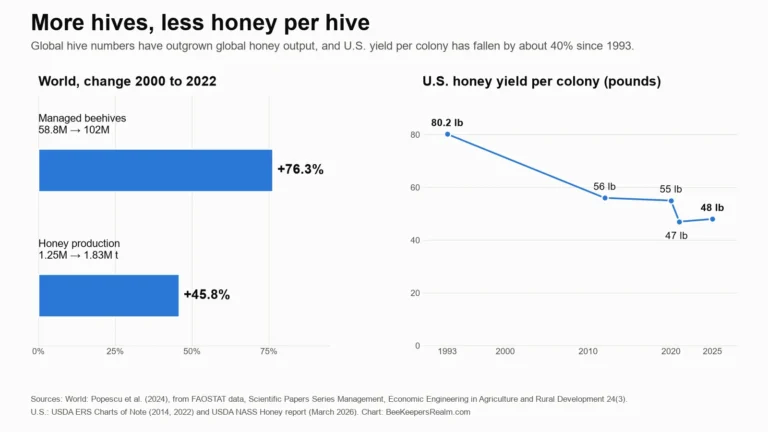
World beehives rose 76% from 2000 to 2022 but honey output only 46%, and U.S. yield per colony fell 40% since 1993. The real trends, causes and new tech.

Honey production regulations differ sharply by jurisdiction. Here is what U.S. and EU producers actually need to comply with before selling a jar.

Turning honey production into an actual business, rather than a well-loved hobby that happens to sell a few jars a year, involves a distinct set of decisions around scale, cost structure, compliance, and how the operation actually reaches paying customers.…
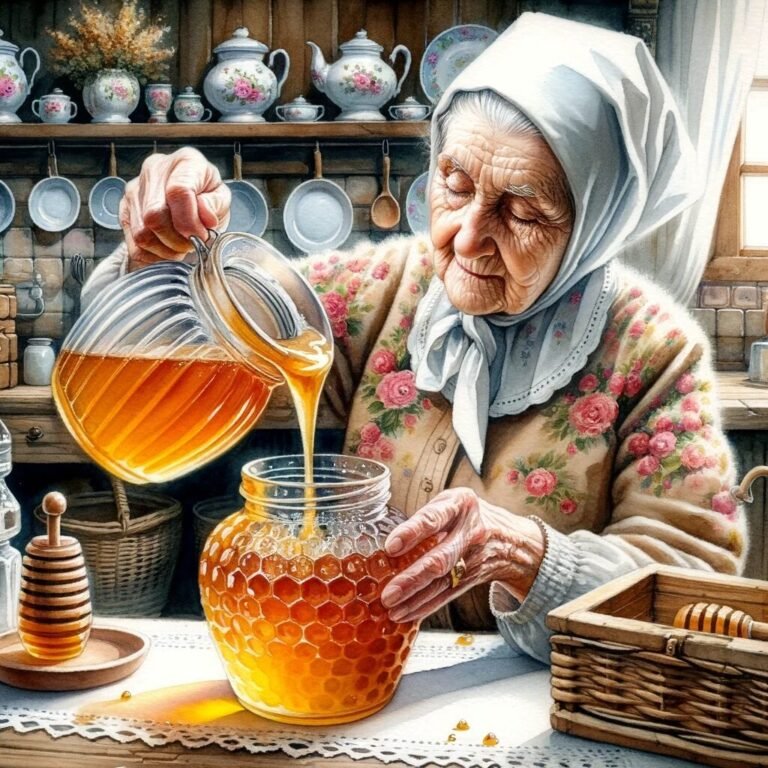
What actually makes honey "organic" is the certified, chemical-free foraging environment and beekeeping practices behind it, not the honey itself.
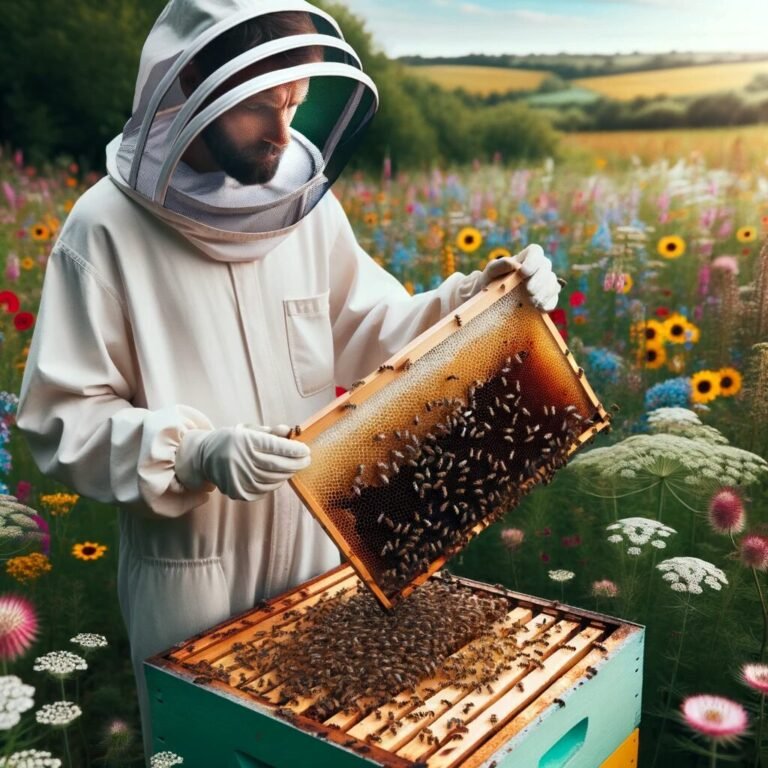
Nectar source, moisture, heat, storage and adulteration decide honey quality. See each factor, the lab marker it moves, and the official Codex and USDA limits.

Honey bees play a genuinely crucial, dual role in the wider ecosystem, valued not just for their honey production but equally for their far-reaching pollination services across countless plant species. Bee health is genuinely paramount, not just to ensure the…

A hive can fill multiple supers during a strong spring nectar flow and then produce almost nothing for weeks during a summer dearth – the same colony, the same beekeeper, wildly different output, purely because of what’s actually blooming outside.…

A radial extractor pulls honey from frames using centrifugal force without needing to flip them partway through, unlike a tangential extractor. That small mechanical difference ends up mattering a lot once a beekeeper is processing more than a few hives…

USDA honey grading (U.S. Grade A, B, and C) is a voluntary point system built almost entirely from four measurable factors — flavor and aroma, absence of defects, clarity, and moisture content — not floral source, region, or how “raw”…
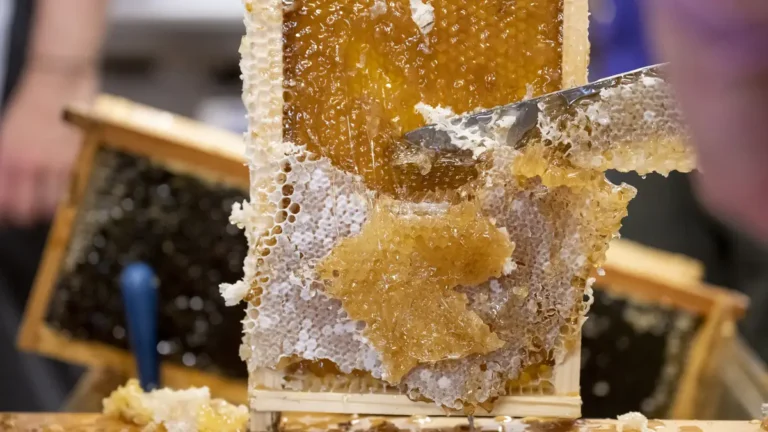
Compare the four honey harvesting methods (extractor, crush and strain, cut comb and Flow frames) by cost, comb loss and hive count, and see how to clear bees off the supers first.

A single honeybee colony can forage across several square miles, but that range doesn’t mean managed honeybees automatically help every native pollinator nearby – in areas with limited forage, dense honeybee apiaries can compete with wild bees for the same…

Improving at beekeeping is not about learning more techniques — it is about getting faster and more accurate at a few judgements you already make every time you open a hive: is this queen laying well, does this colony have…

A beekeeper who only remembers “that hive seemed a bit weak last month” has no real way to tell whether it’s actually declining or just had an off week. A simple per-hive log – even just a notebook with inspection…

A hive tool left caked in old propolis and wax doesn’t just get harder to use – dried residue can help carry pests and pathogens between hives if the same uncleaned tool gets used across an apiary without a dip…

Is beekeeping sustainable? Yes at the right hive density and with colonies kept alive. What the research shows on U.S. colony losses, wild bee competition, disease spillover and hive density.

Varroa mites, not weather or predators, are what most experienced beekeepers name as the single hardest ongoing challenge in modern beekeeping – a threat that requires monitoring and treatment essentially every season, not a one-time fix. Everything else covered here…

Beekeeping gives you honey, wax, better garden pollination and a hobby that keeps teaching. This guide weighs those benefits against real 2026 costs and colony losses, using USDA and university data.