Getting neat, regular comb is a core skill for beekeepers who want efficient honey and healthy brood. Bees build wax using energy from nectar and pollen, and small changes in the box can change where workers place cells.
Placement, seeded frames, and timing guide comb building and reduce crossed structures that cause headaches later. Offer drawn frames or wax-coated plastic foundation near the brood nest and keep frames level. See practical tips on keeping bars aligned at keeping combs straight.
Feed lightly during slow nectar flow, manage space with follower boards, and seed new foundation with old drawn comb when possible. If comb isn’t drawn, check queen strength, temperature, and colony size; more detail on causes is available at why bees won’t draw.
Key Takeaways
- Seed new foundation with drawn frames or wax to guide cell orientation.
- Keep frames level and evenly spaced to prevent cross comb.
- Match expansions to natural nectar flow or supplement with syrup.
- Place seeded frames near the brood nest for faster acceptance.
- Monitor queen health, colony size, and hive temperature regularly.
Understanding the Biology of Comb Building
The colony’s ability to build neat comb depends heavily on the age and nutrition of its workers. Young bees enter a nursing phase first, then switch roles and produce wax during weeks two and three. That narrow window is critical for comb building and the layout of brood and stores.
Nutrition matters. Workers must eat pollen during the first five to six days of life so fat bodies develop. Without that early diet, wax glands underperform and the hive slows honey and wax production.
Wax creation demands energy. The colony consumes a lot of nectar and even sugar water when flows lag. When the queen is laying in the brood area, motivation rises and bees draw comb faster to house developing brood.
| Factor | Effect on Building | Practical Tip |
|---|---|---|
| Worker age (weeks 2–3) | Peak wax production | Place foundation near brood for faster drawing |
| Pollen intake (days 1–6) | Fat cell development; supports wax glands | Ensure access to pollen or pollen substitute |
| Nectar/sugar feed | Supplies metabolic energy for beeswax | Feed light syrup during weak flow |
| Colony strength & queen health | Faster, more consistent comb building | Maintain strong queens and adequate population |
For detailed background on comb facts and common myths, readers can consult an expert summary at comb fact vs. fiction. For installation tips that affect early building, see practical guidance on beehive setup.
Essential Conditions to Encourage Straight Comb in a New Hive
Robust colonies produce neater results. A strong population with low mite loads and a young queen gives the workforce needed for reliable comb building.
Diverse forage matters. Flowers that provide varied pollen and nectar keep bees healthy and motivated. Avoid pesticide exposure and polluted forage that can disrupt wax production.
Provide proper foundation and level frames. When frames sit square and stable, bees draw comb across bars and the box fills with honey and brood in an orderly way.
“A healthy colony will often build straight structures nearly effortlessly.”
- Check colony health and treat mites promptly.
- Place seeded foundation near the brood nest for faster acceptance.
- Keep the hive level and reduce vibration or disturbance.
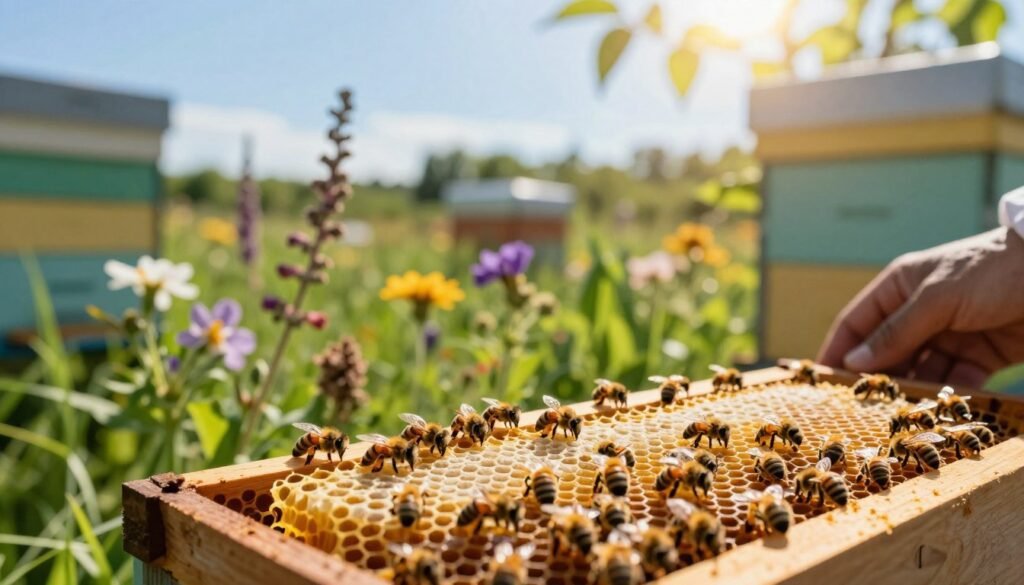
For signs that a colony is preparing to swarm or shifting behavior, see this guide on pre-swarm signs. Consistency in these conditions helps honey bee colonies thrive and makes beekeeping more productive.
Physical Techniques for Guiding Bee Construction
Small, mechanical cues inside the box give bees a clear pattern to follow. These methods use placement and simple foundation to steer cell orientation and reduce cross comb.
Utilizing Straight Foundation
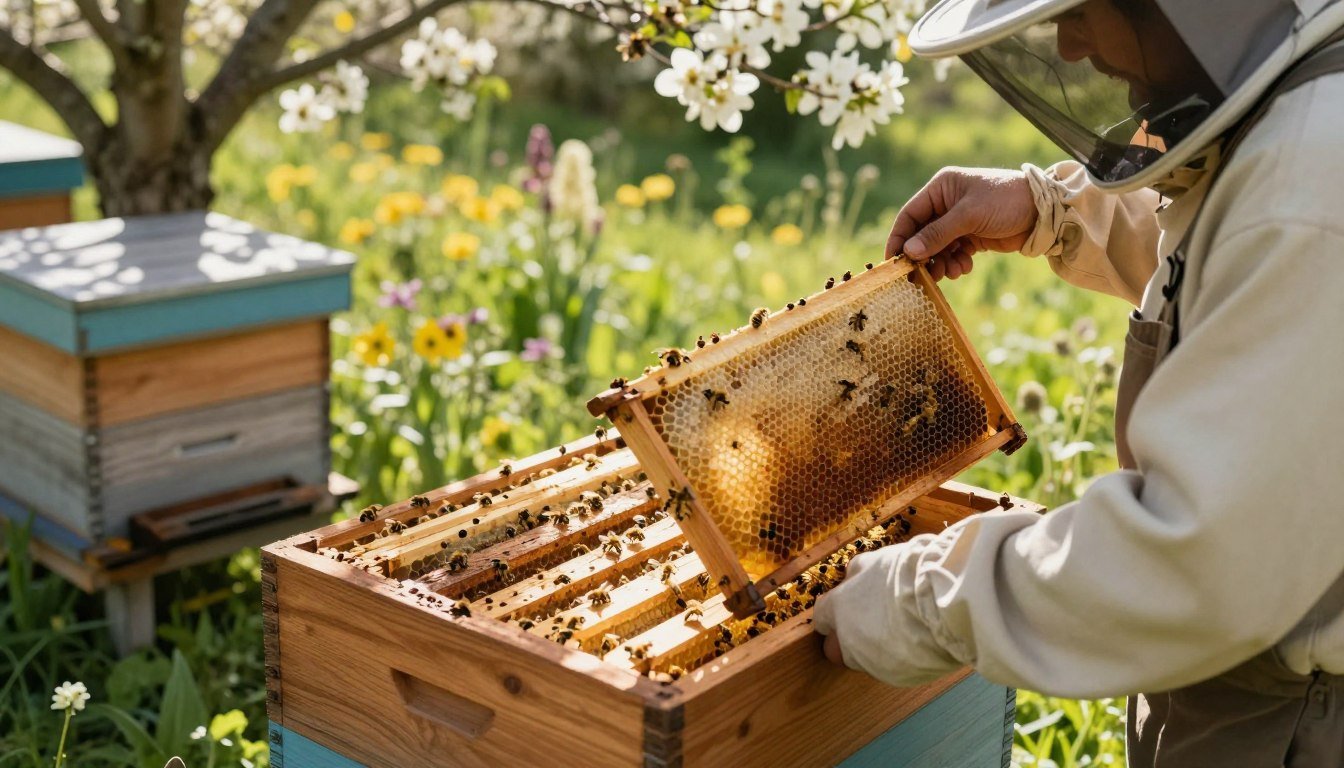
Seed frames with ready foundation or drawn wax. Workers follow existing cell lines, so place your best frames where they can act as guides.
Tip: Use plastic or wax foundation near the brood nest for faster acceptance and neater stores.
Strategic Placement of Empty Bars
Remember: straight combs follow straight combs. Put the straightest frames at each end and slot an empty bar between mixed bars.
- Blank bars in the brood chamber invite proper laying patterns.
- Mark crossed comb with your hive tool and remove sections together.
Managing Hive Space
Keep brood area compact so the queen has room where workers draw cells. Check frames often and adjust follower boards when needed.
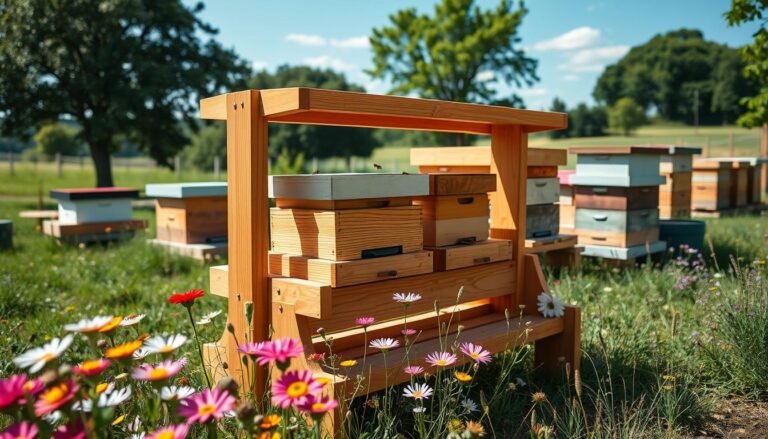
For top-bar specifics and dealing with cross structures, see guidance on top-bar setups and safe removal options at cross-comb handling.
Managing Seasonal Shifts and Colony Growth
When forage improves, worker numbers and wax production rise quickly. In spring, bees expand the brood nest and build more comb to handle incoming nectar and rising honey stores.
During fall the colony contracts. The queen slows laying and bees reduce new building. If you add a super with foundation too late, frames often remain unused without a nectar flow.
Feeding sugar water can help, but it won’t always prompt new comb if the colony feels full. Watch for backfilling: strong colonies may store nectar honey in the brood area as the queen eases up.
“Match expansions to peak flows and the colony’s growth stage to get the best results.”
Monitor for swarm preparation. Bees may fill cells with nectar to discourage laying before a split. Time expansions during active nectar flow and place foundation near brood when you want them to draw comb quickly. For practical techniques on urging workers, see suggestions for draw out comb and tips that help build comb faster.
| Season | Colony Action | Beekeeper Tip |
|---|---|---|
| Spring | Rapid brood and comb building | Add frames during peak flow; monitor mite levels |
| Summer | Maximizes honey storage | Expand boxes when supers fill |
| Fall | Reduced laying; less new comb | Avoid late additions; consolidate stores |
Troubleshooting Common Comb Building Issues
Crossed wax structures often begin when bees lose a clear guide between frames. Quick action limits brood loss and preserves honey stores.
Correcting Crossed Comb
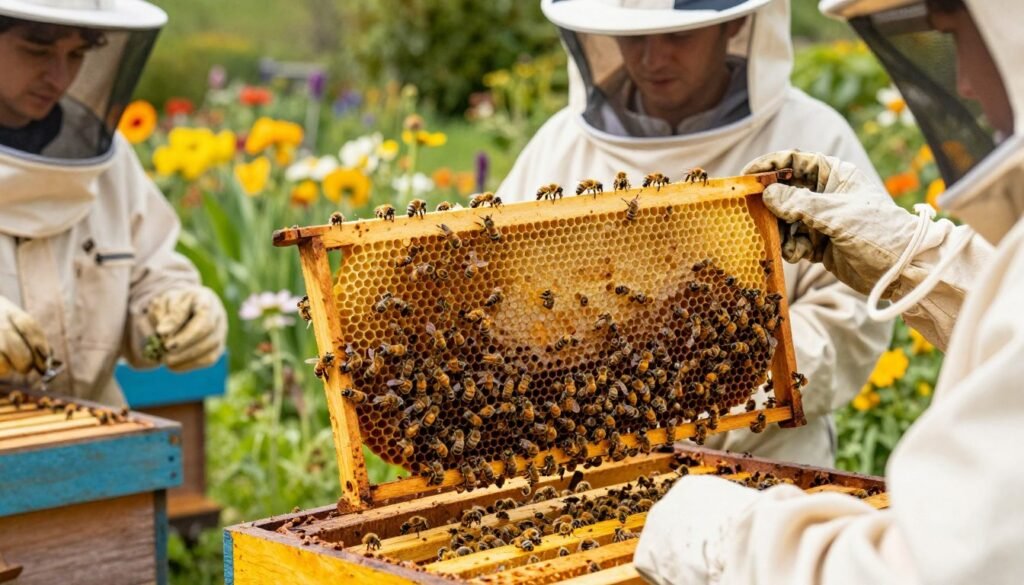
Mark affected bars with your hive tool so you can lift the whole section without crushing workers or spilling honey.
If brood is present, prop the frame at the hive body end and inspect weekly until the brood emerges. Remove the joined wax right after hatching; bees often refill that space with nectar fast.
- Use plastic foundation where guidance is needed; it gives bees a clear pattern and reduces cross work.
- Hawaii top-bar beekeepers often harvest two to three times per year—those dates are ideal for cleaning old, misshapen comb.
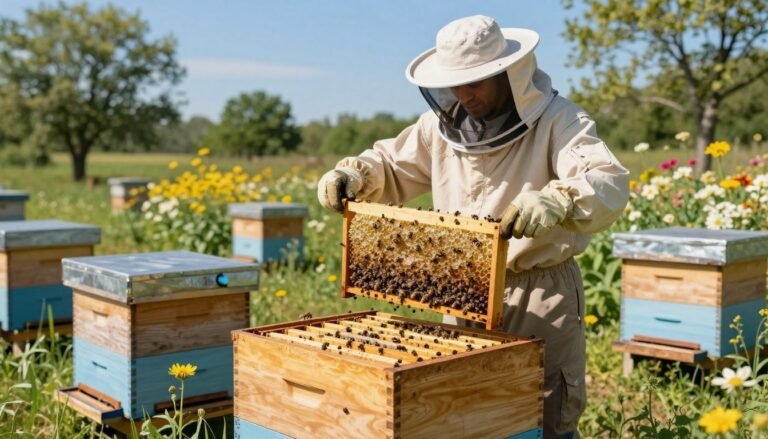
- Check hives weekly for space, queen activity, and worker numbers. Young workers drive comb building.
Want step-by-step removal tips? See this practical guide on fixing cross-comb and consider further troubleshooting at why bees won’t draw.
“Correcting crossed comb is a core skill every beekeeper will learn; it keeps the colony healthy and harvests clean.”
Conclusion
Patience paired with consistent management yields tidy comb and better yields.
Encouraging neat work pays off. Watch your bees and give them clear guides. Young workers build most wax, so place seeded frames near the brood and keep frames level for orderly results.
Routine checks protect colony health. Inspect for space, queen performance, and mite pressure. For research on starter strips and foundation effects, see starter strip research. For practical apiary growth advice, consult these expansion tips.
With steady care and the right tools, your hive will return richer honey and neater comb. Spend the brief time now and enjoy clearer harvests later.
FAQ
What helps bees draw straight comb on foundation?
Provide quality plastic or wired foundation and ensure frames are square in the brood box. Install frames with correct spacing (about 9 mm bee space) and use frame rests or spacers if needed. Strong nurse bee populations and a laying queen speed wax production, and a steady nectar flow or supplemental sugar syrup encourages uniform building.
Why are young workers important for comb building?
Young worker bees produce the wax and perform most comb construction. A healthy cohort of nurse-age bees increases wax secretion and careful cell shaping. Maintain colony strength during spring buildup and avoid excessive supering that dilutes the workforce in the brood chamber.
When does wax production peak during colony growth?
Wax glands are most active in 12–18-day-old workers. Peak production aligns with spring and early summer when brood rearing and nectar flows are strong. Good nutrition and access to pollen and nectar improve wax output and comb quality.
Can I use foundationless frames and still get straight comb?
Yes, but it requires careful frame alignment and starter strips. Use guided starter strips or thin foundation to give bees an initial reference. Monitor spacing and replace crooked comb early to prevent drift into adjacent frames.
How should I arrange empty frames to promote neat drawing?
Place empty frames next to solid drawn frames or frames with foundation so bees continue the pattern. Avoid isolated empty frames at the box edge and keep consistent bee space. If using top-bar or single boxes, provide supports to keep bars straight.
What hive body management reduces cross comb and burr comb?
Keep boxes square and well aligned, avoid frequent rearrangement during heavy building, and remove excess space where bees can bridge gaps. Use entrance reducers during low activity and ensure boxes are level to prevent tilted combs.
Does feeding sugar syrup help with comb building?
Supplemental syrup during nectar dearths supplies energy for wax production and draws bees into construction. Feed in moderation and time feeding with brood rearing periods. Relying on syrup without pollen can limit wax gland function, so offer pollen substitute or ensure forage access when needed.
How do seasonal changes affect comb drawing pace?
Comb building accelerates during nectar flows and spring buildup when brood rearing is high. It slows in late summer and fall as foraging declines. Plan foundation installs and supering around local bloom periods to match colony capacity.
What steps fix already crossed comb or irregular frames?
Gently cut out and replace crossed comb early, rebalance frames so drawn comb faces the correct orientation, and add a clean foundation or starter strip. Reduce box space temporarily and reintroduce frames with correct spacing to guide future construction.
How important is the queen’s laying pattern for comb alignment?
A consistent, central laying pattern creates steady brood distribution and draws comb uniformly. Replace failing queens and manage swarm impulse—strong, well-led colonies build straighter, more regular comb than fractured or queenless colonies.
Which equipment brands and materials are recommended for guiding comb?
Choose reputable foundation from companies like Mann Lake or Brushy Mountain, and use well-made frames and boxes from Langstroth-compatible manufacturers. Sturdy, square equipment and quality wax or plastic foundation reduce warping and promote straight drawn comb.
How long before new frames are fully drawn under good conditions?
With a strong nurse population and active nectar flow, many frames draw within 2–6 weeks. Timing varies with climate, colony strength, and forage. Monitor progress and avoid disturbing frames until cells are well formed.
What role does pollen play in wax production and comb health?
Pollen provides protein essential for brood rearing and wax gland development. Ensure access to pollen or offer substitutes during shortages. Well-nourished workers secrete more wax and build stable, evenly spaced comb.