Published March 31, 2026 · Last Updated August 26, 2026
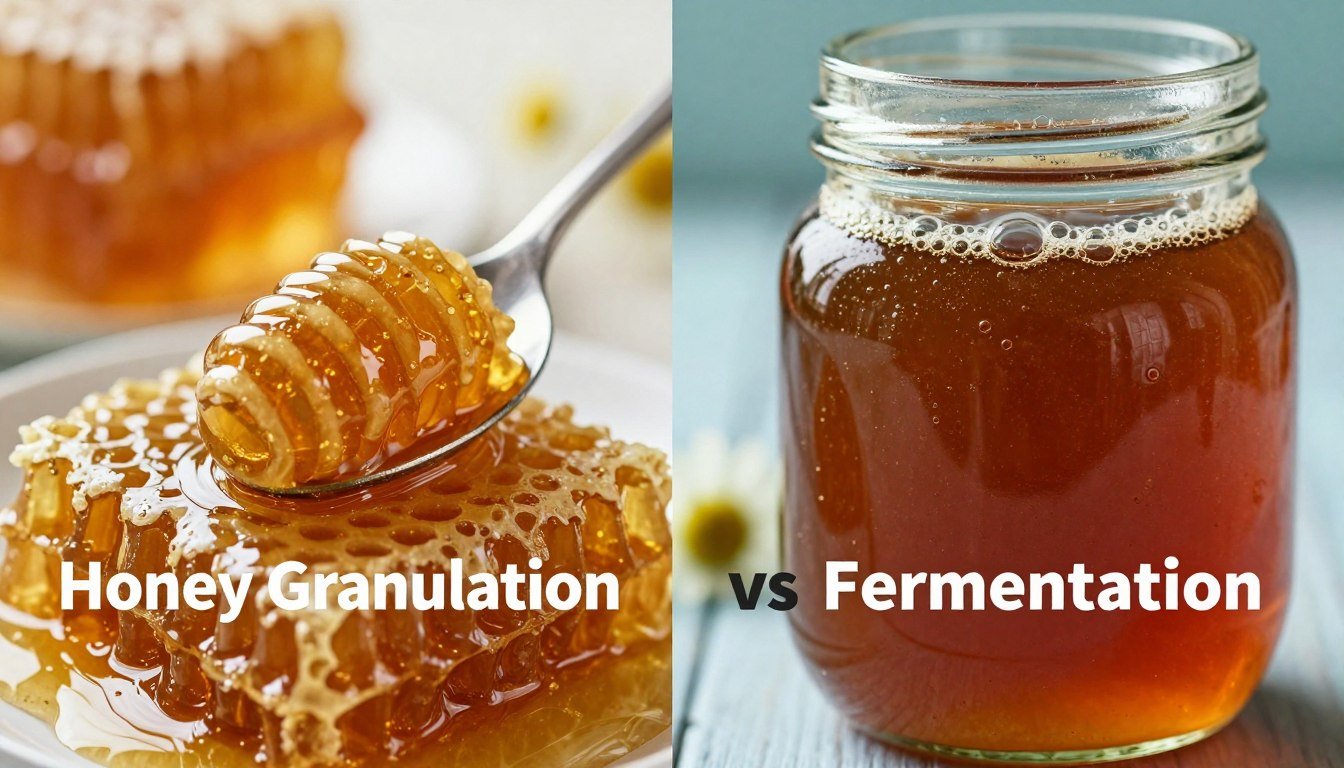
Understanding the difference between crystallization and true spoilage matters for anyone who stores raw honey. Crystallization is a natural, harmless change driven by floral source, temperature, and minimal processing. It preserves the product and often signals a high-quality, less-processed jar.
By contrast, fermentation occurs when osmophilic yeasts convert sugars into alcohol and carbon dioxide. That biochemical process produces a sour or alcoholic smell, foam, and a thinner texture — clear signs of spoilage that can ruin a batch.
This short guide explains how raw honey behaves in the pantry and how processing, moisture, and storage temperature affect quality. Learn practical tips and the science behind each change so you can tell safe, solid product from a spoiled batch and protect your stored supply.
Key Takeaways
- Crystallization is natural and usually harmless; it reflects sugar balance and temperature.
- Fermentation is yeast-driven spoilage marked by sour odors, bubbles, and thinning texture.
- Keep moisture low and store jars cool to prevent yeast growth and preserve quality.
- Test and manage moisture and use airtight glass to reduce spoilage risk; more tips at understanding honey fermentation prevention.
- Recognize signs early to avoid economic loss and keep your pantry staples safe.
Understanding the Basics of Honey
What you pour from a jar starts as nectar that bees dehydrate and convert inside the hive.
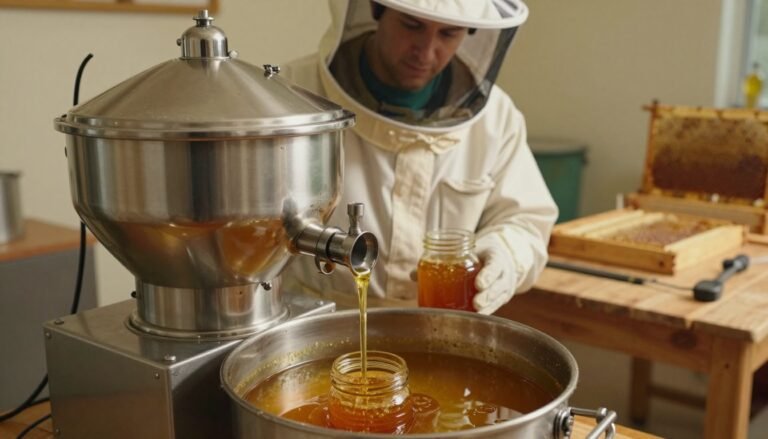
Raw honey is the product in its natural state after standard extraction without added heat. It keeps enzymes, pollen, and bits of propolis that processing often removes.
These native compounds give raw jars unique flavor and texture tied to local floral sources. Small changes in color or grain are normal and reflect season and plant variety.
- Natural state: The product as found in combs before human processing.
- Complex mix: Nectar transforms into sugars, enzymes, and micro-particles during storage by workers.
- Consumer value: Buying raw honey preserves intended enzymes and pollen for flavor and potential benefits.
| Feature | What it means | Why it matters |
|---|---|---|
| Nectar origin | Source plants determine flavor | Seasonal variety affects taste and texture |
| Enzymes & pollen | Biological markers left intact | Indicate minimal processing and authenticity |
| Moisture level | Set by bees during dehydration | Low moisture keeps product stable |
The Science Behind Honey Granulation vs Fermentation
The shift from silky to grainy or sour begins with simple solubility rules and opportunistic yeasts.
The Role of Osmophilic Yeasts
Osmophilic yeasts like Saccharomyces bisporus var. mellis survive in very sweet environments. They stay dormant while moisture is low. When moisture rises above a critical point, these yeasts activate and start the fermentation process.
Early signs include slight bubbling or a change in aroma. That activation is why storage and water control matter so much.
Sugar Composition and Solubility
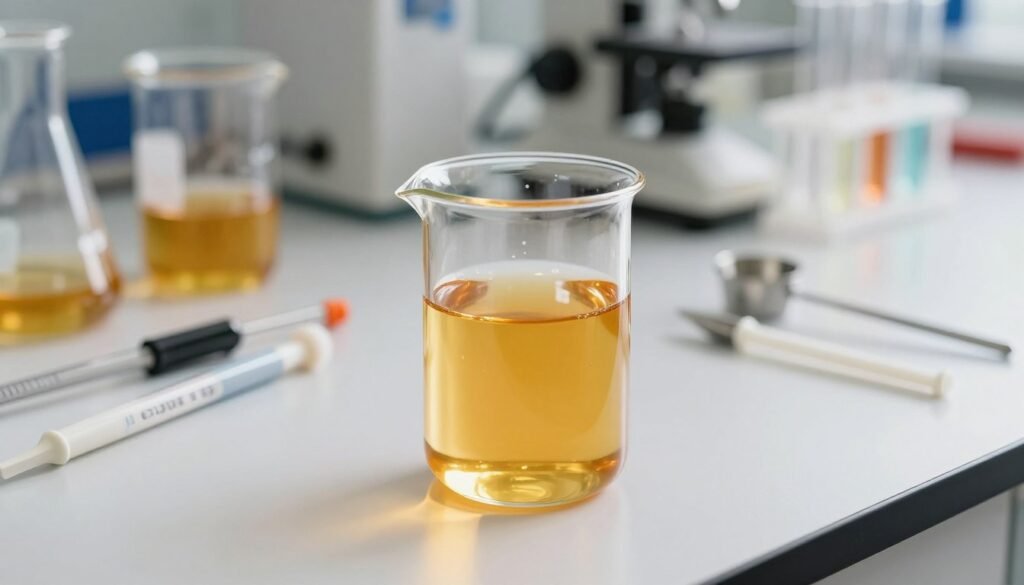
The product is a supersaturated solution of glucose and fructose. Glucose is less soluble in water than fructose. That difference means glucose forms crystals first and speeds up crystallization.
Varieties with higher glucose crystallize faster. Knowing the glucose-to-fructose ratio explains why one jar may grain while another stays fluid.
“Control moisture and sugar balance to manage texture and shelf stability.”
- Osmophilic yeast drive spoilage when moisture allows growth.
- Sugar ratios determine whether the liquid remains stable or forms crystals.
- Proper storage keeps yeasts dormant and maintains texture.
For a practical deep dive on crystal behavior, see crystallization explained. For grading and handling considerations, read grading standards and processing.
Identifying Signs of Spoilage
Spotting early spoilage in a jar starts with your senses and a quick moisture check. Look for a sour or alcoholic taste and a distinct off aroma. These are the clearest signs that a fermentation process is active.
If the surface bubbles or forms foam, that foamy texture usually means carbon dioxide is being produced by yeast. A count above ten osmophilic yeast cells per gram raises the risk of rapid spoilage.
Check the container too. A swollen lid, or a sudden hiss of air when opening, shows gas buildup inside jars. Fermented honey often looks thinner and runnier compared with a jar that has gone through crystallization.
“If you see bubbling, smell a sour note, or find a swollen lid, discard the jar — these are reliable spoilage cues.”
- Moisture above 20% creates ideal conditions for yeast growth.
- Visible foaming or bubbling = active fermentation.
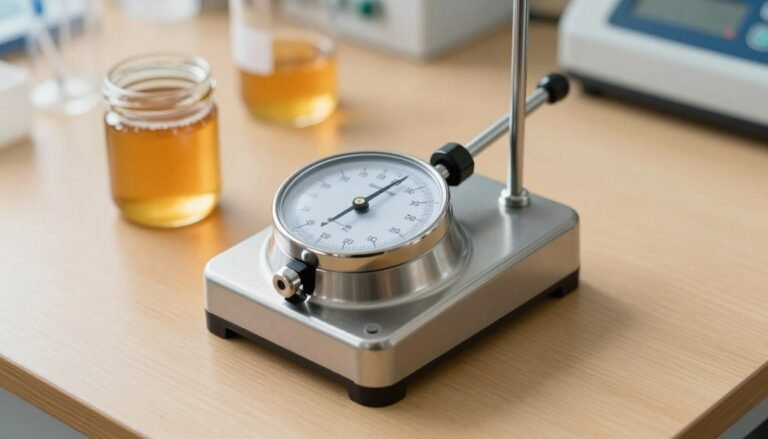
- Use a simple moisture test if you suspect the jar honey has absorbed excess water.
For details on safe handling and how to tell crystal changes from spoilage, read this honey crystallization guide.
Factors Influencing Crystallization Rates
Floral origin and nectar chemistry set the pace for how fast a jar will change texture.
Floral Source and Nectar Composition
Floral Source and Nectar Composition
The glucose fructose balance in nectar is the primary driver of crystallization speed. Higher glucose content means crystals form sooner; higher fructose keeps the syrup fluid longer.
A beekeeper notes that raw honey with pollen and natural particulates will crystallize faster than ultra‑filtered, heated products. Temperature and storage conditions also matter.
Research shows storage at about 57°F accelerates crystal growth. Some varietals, such as Tupelo or acacia, resist crystal formation because their fructose ratio is high.
- Ratio: Glucose-to-fructose determines how quickly crystals form.
- Storage: Cool, stable temperature around 57°F speeds crystallization.
- Quality: Texture does not reduce product quality; crystals are natural.
For handling and processing differences, read the difference between raw and processed to see how filtering and heat affect crystal behavior.
Why Moisture Content Matters
Moisture is the single factor that most reliably predicts whether a jar will stay stable or spoil in storage. Ripe product reaches about 18% water; levels above 20% make active microbial growth and fermentation far more likely.
Bees cap roughly 75% of cells only when the nectar has been dehydrated enough. That cap rate signals proper post-harvest readiness for long-term storage.
Honey is hygroscopic; it absorbs water from humid air or from steam near cooking. Even partial absorption raises the liquid phase’s water content and changes the glucose-to-fructose ratio in the remaining syrup.
- Keep water below 18% to prevent spontaneous fermented honey.
- Store jars in a dry room and use a dehumidifier for reliable control.
- Avoid temperature swings; cooling and warming can trigger partial crystallization and concentrate water in the liquid fraction.
“Maintaining low moisture and stable temperature is the simplest, most effective way to protect your stored supply.”
For technical thresholds and grading practices, review the grading standards, and for how floral source shifts water and pH, see this floral source guide.
Techniques for Decrystallizing Honey
When crystals form in a jar, gentle, controlled heat is the safest route to restore a smooth texture.
Protecting natural enzymes and pollen is the priority. Keep temperature low and allow sufficient time so the product returns to a pourable state without quality loss.
Handling Raw Jars
For a single jar, place it in a warm water bath. Maintain a steady temperature below 105°F. Leave jars for several hours and check periodically with a thermometer.
Processing Grade A Containers
Grade A, ultra-filtered product melts faster because crystals are tiny. A short, low-heat cycle usually suffices. Use a thermometer to avoid exceeding safe heat limits.
Managing Large Buckets
Large containers need sustained, gentle heat. Commercial heated bottling tanks or warm rooms deliver even warmth over many hours. This method dissolves dense crystals while preserving enzymes and overall quality.
“Use slow, monitored heat and patience; rushing with high temperatures risks breaking valuable enzymes.”
| Method | Target Temp | Duration | Notes |
|---|---|---|---|
| Warm water bath (jar) | 2–6 hours | Check with a thermometer every hour | |
| Heated bottling tank (bulk) | 95–105°F | Several hours to overnight | Even heat; ideal for beekeeper operations |
| Low-heat room | Room temp to 95°F | 1–3 days | Good for gentle, gradual melting |
For final packaging and labeling tips after decrystallization, see our guide on packaging and labeling.
Best Practices for Proper Storage
A stable, cool environment is the single best defense against spoilage and texture change.
Store jars below 10°C (50°F) when you need long-term preservation. At that temperature, yeast activity stops and the product stays safe.
Airtight glass containers are best. They block humid air and protect enzymes and pollen that give raw jars their value.
- Freeze raw jars to halt crystallization without any heating or quality loss.
- Keep room-temperature storage out of sunlight and away from ovens or hot pipes.
- Check jars routinely for early signs of fermentation or texture change.
- Allow cool, dark storage for several hours or days after processing to preserve enzymes and pollen.
“Control temperature and container, and you control shelf life.”
| Action | Target | Benefit |
|---|---|---|
| Cool storage | Below 10°C / 50°F | Stops yeast; long-term stability |
| Airtight glass jar | Sealed | Prevents moisture uptake and preserves quality |
| Freezing | 0°F / -18°C | Halts crystallization without heating |
For a full checklist of best storage practices, consult the detailed guide linked here.
Debunking Common Myths
People often confuse natural textural shifts in a jar with signs of spoilage.
Crystallization is normal. Pure, minimally processed jars commonly form crystals over time. That change often shows quality, not fraud. Even high-grade acacia varietals will eventually crystalize given enough time and cool storage.
Genuine product is more likely to crystalize because pollen and tiny particles provide nuclei for crystals. The glucose and fructose balance in nectar controls how fast this happens. Moisture and storage temperature also change the rate.
Do not mix up crystal formation and active spoilage. True fermented jars show off odors, foaming, and a thin texture caused by yeast activity. Crystallized jars keep flavor, enzymes, and nutritional markers intact and are safe to eat.
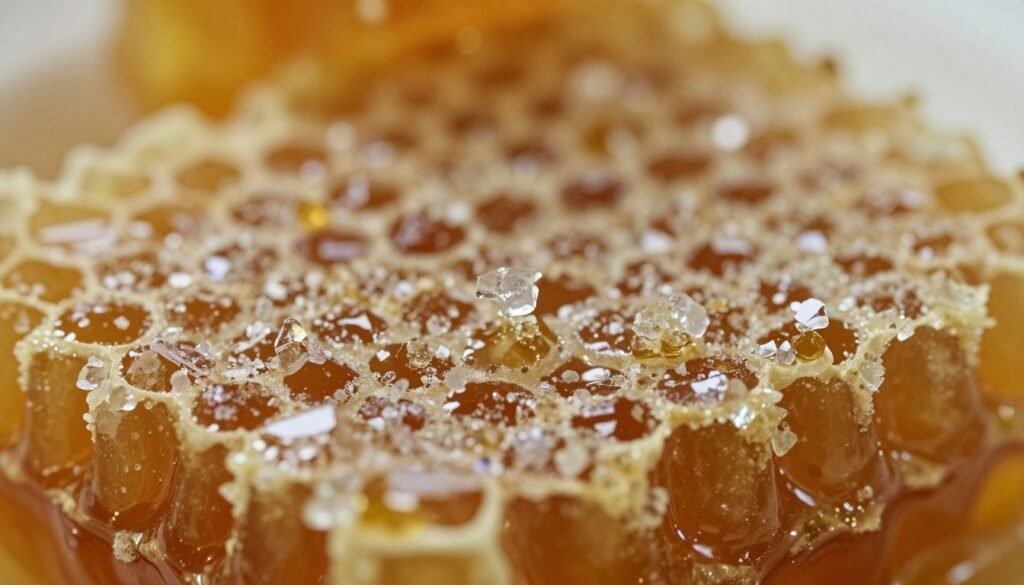
“Crystals usually mean natural composition and proper processing, not that a jar is ruined.”
- Crystals form from the sugar solution and small particles in the jar.
- Water content and room temperature influence how quickly a jar will crystalize.
- For more on recognizing normal crystal behavior, see honey crystallization.
Conclusion
Knowing the difference between texture change and true spoilage helps you manage stored jars with confidence. Keep moisture low and maintain steady, cool temperatures to limit yeast activity and preserve taste.
Active fermentation shows as bubbling, sour scent, or thinning texture. If you suspect excess water, test and act quickly to prevent loss. For technical composition and moisture thresholds, consult this composition guide.
Crystallization is usually harmless and often signals high purity. Control storage and inspect jars routinely to protect quality. Learn more about beneficial fermentation in pollen and related handling at bee bread research.
FAQ
What causes honey to crystallize and how is that different from fermentation?
Crystallization happens when glucose separates from the liquid and forms solid crystals, often influenced by temperature, pollen particles, and the glucose-to-fructose ratio. Fermentation occurs when osmophilic yeasts consume sugars in the presence of excess moisture, producing gas and off-flavors. Crystals change texture; fermentation changes aroma and can cause bubbling or foaming.
How do glucose and fructose affect texture and storage life?
Higher glucose content promotes faster crystal formation because glucose is less soluble than fructose. Honeys richer in fructose remain liquid longer. The sugar balance also affects mouthfeel and how prone a jar is to spoilage when moisture rises above safe levels.
What moisture level leads to fermentation in a sealed jar?
When moisture content exceeds roughly 18–20%, osmophilic yeasts can become active and start fermenting the sugars. Properly capped containers with low water content and dry handling help prevent yeast growth and preserve quality.
What signs tell me a product has begun to ferment rather than crystallize?
Look for bubbling, a yeasty or sour smell, and visible foaming. Crystallization shows as grainy texture or solidification without off-aromas. Gas build-up may also warp or push up the lid in a fermented jar.
Does heating restore liquid consistency without damaging quality?
Gentle warming in a water bath below 120°F (49°C) can dissolve crystals and preserve enzymes and aroma. Avoid high heat; prolonged temperatures above 140°F (60°C) degrade flavors and beneficial enzymes and may darken color.
How should raw products be handled to minimize both crystallization and fermentation?
Keep storage containers dry, limit exposure to air, and maintain stable, moderate room temperature. Use clean, dry scoops and seal jars promptly. For bulk storage, monitor moisture and avoid introducing water during processing.
Do floral sources like acacia affect how fast a jar solidifies?
Yes. Nectar from plants such as acacia tends to be higher in fructose and resists solidifying longer. Other floral sources with more glucose crystallize faster. Pollen and seed particles also provide nuclei that speed crystal formation.
Can pasteurized or processed Grade A types still ferment?
Pasteurization reduces yeast count and delays fermentation, but it doesn’t prevent spoilage if moisture increases later. Stored improperly or diluted by added water, even processed products can ferment over time.
What are safe storage practices to extend shelf life and texture quality?
Store in airtight glass or food-grade plastic containers away from heat and direct sunlight. Keep ambient temperature consistent, avoid introducing moisture, and label jars with harvest or purchase dates to track age.
How long does it take for a jar to crystallize under typical room conditions?
Time varies from days to months depending on sugar ratio, temperature, and seed particles. Cooler temperatures around 50–60°F encourage faster solidification, while warmer, stable rooms slow the process.
Is fermented product unsafe to consume?
Mild fermentation produces tangy flavors and low alcohol levels that may be unpleasant but not necessarily dangerous. Strong fermentation with off-odors, mold, or heavy gas indicates spoilage; discard those jars for safety.
What steps can be used to manage large buckets during processing?
Keep lids sealed, monitor moisture content, and work in a clean, dry environment. Use food-safe heating systems for gentle warming if needed, and transfer into smaller jars promptly to minimize air exposure and contamination.
Can filtration or decrystallization change nutritional or flavor profiles?
Fine filtration and gentle warming can alter aroma, remove pollen, and reduce enzyme activity, affecting flavor and some nutritional markers. Raw, minimally processed options retain more pollen and natural enzymes but may crystallize sooner.
Are there common myths about storage or preventing spoilage I should ignore?
Ignore claims that refrigeration prevents spoilage—cold can speed solidification but does not stop yeast if moisture is high. Also, reheating repeatedly to clear crystals degrades quality. Proper moisture control and dry handling matter most.