Published March 31, 2026 · Last Updated August 26, 2026
Efficient identification saves time and protects your hive health. A small, reliable marking tool helps you mark queen bees quickly during inspections. This supports tracking age and performance across the season.
The Foxhound Bee Company offers a long model at a competitive price of $7.99 USD. Add the correct tool to your cart and you can qualify for free USA shipping on many orders over $100. This makes stocking up on supplies simple and cost-effective for beekeepers in the United States.
For hands-on tips about how to mark safely, see a step-by-step guide on how and why to mark your queen. If you want tool comparisons, check high-precision options at Beekeepers Realm.
Key Takeaways
- Marking helps track hive health and queen age.
- A quality marking tool costs around $7.99 at Foxhound Bee Company.
- Adding the tool to your cart can earn free USA shipping over $100.
- Use gentle handling to avoid stressing the colony.
- Refer to trusted guides and tool reviews before purchase.
Why You Need the Best Queen Marking Tube for Your Apiary
A smart marking device reduces disruption and helps you manage colonies with confidence. For practical hive management, investing in a quality marking tube speeds inspections and keeps bees calm.
The long-handle design in many models cuts the time you spend leaning into frames. That extended handle lowers disturbance, so the colony stays productive and less defensive.
Using queen marking techniques lets you track age and performance. When you can quickly mark queen individuals, you avoid accidental requeening and improve long-term management.
“Clear, durable tools make precise paint application simple and reduce stress on the hive.”
Many beekeepers find the clear design gives an unobstructed view of the queen, so non-toxic paint goes on accurately. With a low price point and free USA shipping on many orders over $100, upgrading your tool kit is affordable.
For expansion tips and more on practical gear choices, see a helpful guide on beekeeping expansion and browse related topics at Beekeepers Realm topics.
- Speeds queen searches and reduces hive stress.
- Clear design supports precise, non-toxic paint use.
- Extended handle improves comfort and colony calm.
Key Features and Design Benefits
High-quality materials and humane handling features reduce stress during every inspection.
Durable and Non-Toxic Materials
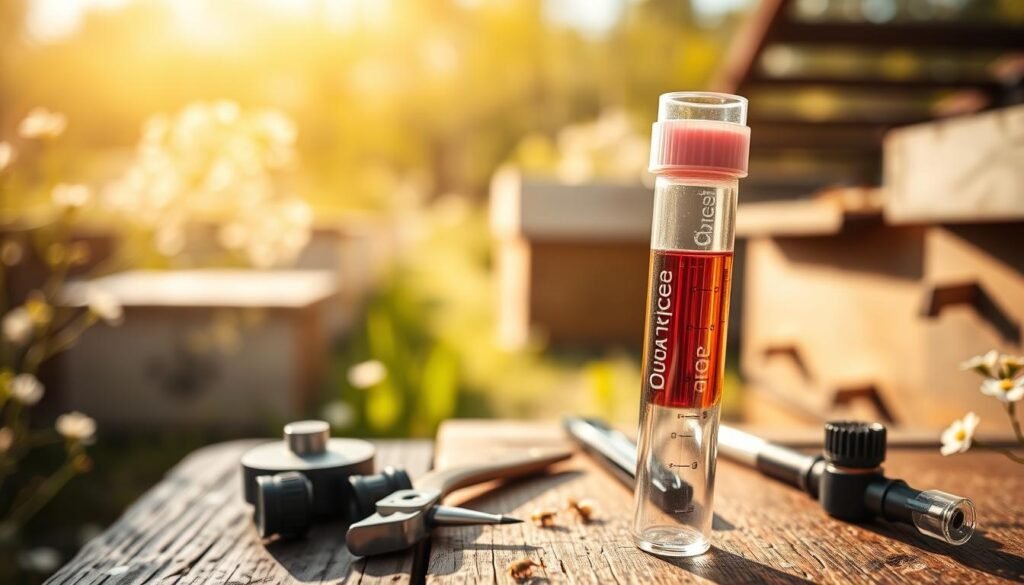
Our products use food-safe, non-toxic plastic for long life and safe contact with bees. This design preserves the colony and resists cracks or warping in field use.
POSCA Queen Marking Pens and UNI Medium Point Pens pair well with the device, providing water-based paint that bonds to the thorax without harm.
Humane Handling and Plunger Systems
The plunger system uses soft foam and a fine mesh screen to hold the insect gently against the mesh. This prevents injury and makes paint application steady and precise.
Good equipment management keeps the plunger and tube working reliably. That lowers handling time, saves effort, and protects your investment in beekeeping supplies.
“Gentle immobilization and clear visibility make accurate identification fast and safe.”
- Non-toxic construction for safe bee contact.
- Soft-plunger and mesh for humane immobilization.
- Compatible with popular queen marking pens; see high-quality marking pens.
How to Safely Mark Your Queen Bees
Start each inspection with a calm approach that encourages the queen to enter the side-entry of the device on her own. This reduces handling and keeps the hive steady.
Step-by-Step Marking Process
1. Capture without touching: Use the side-entry design of the marking tube to let the queen walk in from the comb. Avoid grabbing her with fingers.
2. Position gently: Use the plunger to guide the insect toward the mesh so the thorax is exposed and steady for paint.
3. Apply paint precisely: With your chosen queen marking pens, place a small dot of non-toxic paint on the thorax. Do not cover wings or breathing pores.
- Allow the paint to dry a few seconds before release.
- Release the queen back into the hive once dry and secure.
- Proper use of the tool prevents injury and supports long-term hive management.
“Gentle capture and a clear mesh screen make accurate marks fast and humane.”
For a broader set of supplies and reference guides, consult this beekeeping resources page to support your practice and record keeping.
Conclusion
Choosing the right queen marking tube supports clear hive records and smoother inspections.
Good queen marking tools reduce handling time and lower stress on bees. Our store carries products with thoughtful design and a fair price to fit any apiary kit.
Foxhound Bee Company offers a 30-day return policy and reliable shipping. Add your preferred supplies to the cart and test the tool in your routine.
Consistent use of these items improves colony management and overall beekeeping success. We stand ready to help you pick the right product for safe, efficient identification.
FAQ
What is a queen marking tube and why use one?
A queen marking tube is a small handheld tool that safely holds a breeding female while a beekeeper applies a color dot to the thorax. Using a tube helps reduce stress and speeds hive checks. It’s an essential tool for colony management, record-keeping, and tracking genetics in hives.
How do I choose the right marking tube for my apiary?
Choose a tube made of durable, non-toxic materials with a soft mesh or foam restraint and an easy plunger system. Look for ergonomic design, clear visibility, and compatibility with common queen marking pens and paints. Consider price, shipping options, and customer reviews from reputable beekeeping suppliers like Mann Lake or BetterBee.
What materials are safest for bees and beekeepers?
Opt for food-grade plastics and non-porous surfaces that clean easily. Avoid solvents or coatings that off-gas. Durable construction prevents cracks where pathogens could hide. The plunger should move smoothly to prevent injury to the thorax and wings.
How do plunger systems differ and which is better?
Plunger designs range from simple push rods to spring-loaded systems. Smooth, adjustable plungers give better control and reduce force on the bee. Choose a design that lets you secure the insect gently while keeping the thorax exposed for marking.
Can I use regular paint or pens for marking?
Use specially formulated queen marking paints or pens designed for beekeeping. These products dry quickly and remain visible without harming the bee. Avoid household paints or solvents that can be toxic or too thick for application on the thorax.
How do I mark a queen safely step-by-step?
Calm the colony, locate the queen, and gently coax her into the tube. Secure the plunger so the thorax is visible without compressing the abdomen. Use a fine-tipped marking pen to apply a single small dot of paint. Allow the paint to dry briefly before returning her to the hive to avoid transfer.
Will marking affect the queen’s behavior or acceptance by workers?
When done correctly with approved paints and minimal handling, marking rarely changes behavior or causes rejection. Keep marks small and dry; prolonged handling or heavy paint layers raise risk. Workers usually accept a lightly marked queen without issue.
How often should queens be marked and tracked?
Marking frequency depends on your management goals. Beekeepers often mark queens at introduction, after mating, or when tracking lineage and age. Use records to note color codes, colony numbers, and dates for better hive management and breeding decisions.
What maintenance does a marking tube require?
Clean the tube after use with mild soap and water, rinse thoroughly, and air dry. Inspect the plunger, mesh, or foam for wear and replace parts if damaged. Proper storage prevents warping and contamination between uses.
Can I find marking tubes and pens together from the same vendor?
Yes. Many beekeeping stores and online retailers sell kits that include a tube, plunger, and queen marking pens or paints. Bundled products can offer better value and ensure compatibility between tools and inks.
Are there alternatives to tubes for marking queens?
Alternatives include cage-style holders and gentle hand-holding techniques, but tubes remain the most common due to safety and speed. Choose the option that best fits your experience level and handling comfort.
What should I consider about shipping and price when buying a tube?
Compare shipping times and return policies from reputable suppliers. Lower upfront price can mean lower quality materials or fit issues. Factor in customer support, warranty, and availability of replacement parts when evaluating value.
Where can I learn proper handling and marking techniques?
Attend local beekeeping club workshops, read guides from university extension services, or watch instructional videos from experienced beekeepers. Hands-on practice under supervision improves confidence and reduces risk to the colony.