Published March 31, 2026
Deciding between dribble and vaporization is a key choice for beekeepers managing varroa mites in U.S. hives. Both methods use oxalic acid products to target phoretic mites on adult bees, but their delivery and safety profiles differ.
Api-Bioxal is the only EPA-registered product approved for use in honey bee colonies in the United States, and label directions should guide every application.
Choosing the right tool depends on whether your colonies are broodless, the equipment you own, and how much time you can commit. Safety matters: a respirator and other protective gear reduce inhalation risk during some treatments.
We compare how each method interacts with hive conditions, treatment timing, and effort. For practical dosing and application pointers, see these dribble tips to help shape your plan.
Key Takeaways
- Both methods treat phoretic mites but deliver the active ingredient differently.
- Api-Bioxal is the EPA-registered product for use in U.S. honey bee colonies.
- Best results often occur during broodless windows or induced brood breaks.
- Evaluate equipment, time, and colony state before choosing a method.
- Follow label rules and wear a respirator and protective gear for safety.
Understanding the Role of Oxalic Acid in Beekeeping
Many U.S. beekeepers rely on targeted oxalic applications to reduce mite loads while keeping honey clean.
Oxalic acid is a naturally occurring compound found in common vegetables such as spinach and kale, and it exists at background levels in honey. Because it is organic and breaks down quickly, beekeepers often prefer it for integrated hive management.
Research from the Georgia Honey Bee Lab shows this treatment is highly selective: it is about 70 times more toxic to varroa mites than to honey bees. That gap helps explain why many choose to use oxalic acid during broodless windows or low-brood periods.
Benefits include:
- Lower residue in hive stores compared with many synthetic miticides.
- Effective mite reduction when applied properly to the colony.
- Compatibility with seasonal management strategies that protect developing brood.
Proper dosing and timing are essential. When used correctly, this organic treatment supports healthier bees and stronger colonies while minimizing impact on honey quality.
How Oxalic Acid Dribble vs Vaporization Functions
Covers differ mainly in delivery, but both methods work by contacting mites on adult bees. One applies a measured liquid to bee surfaces while the other creates a gas that spreads through the space.

Mechanism of Action
Direct contact is the core mechanism. The treatment must touch phoretic mites — those riding on adult bees — to be effective.
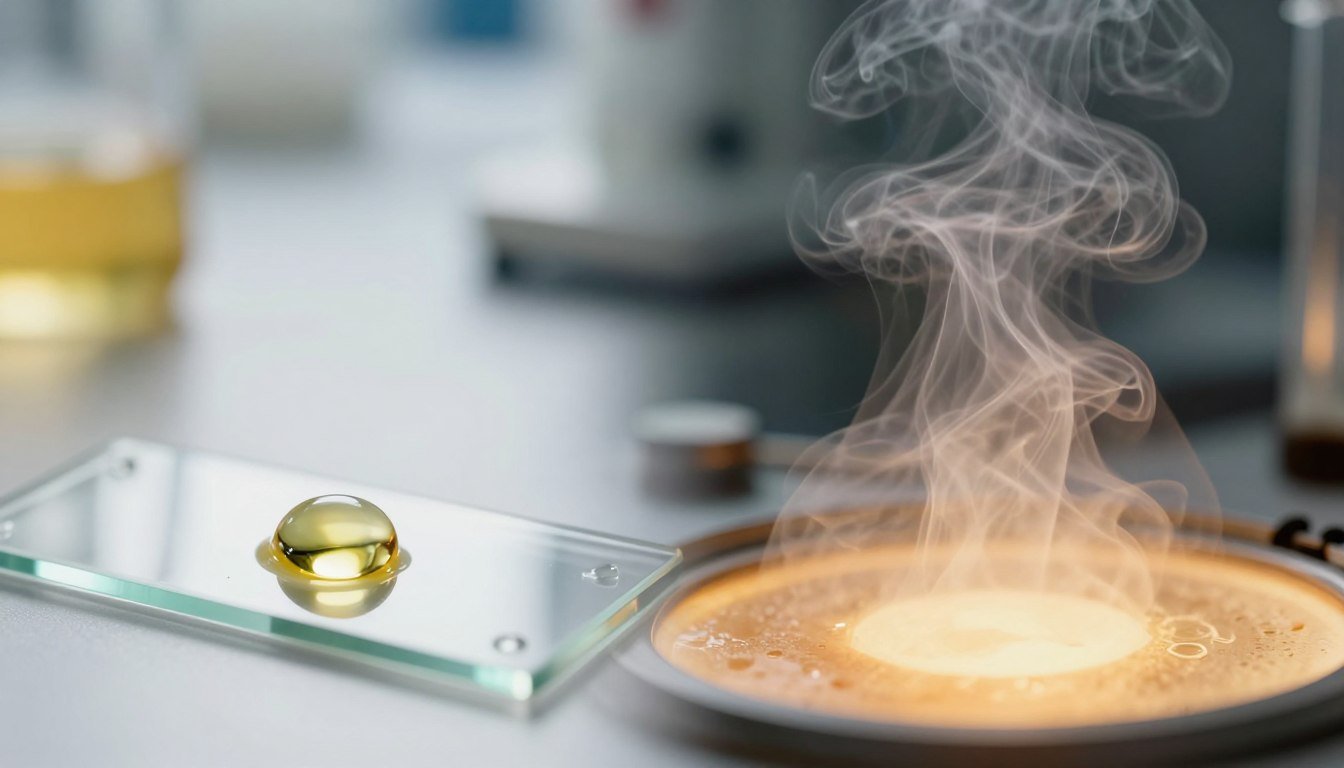
When using a vaporizer, crystals are heated until they turn into a gas that coats hive surfaces. The gas then condenses back onto frames, bees, and walls.
Impact on Phoretic Mites
The treatment targets mites outside capped brood. It cannot penetrate wax cappings, so mites inside brood cells remain protected.
- Both methods rely on contact with mites on adult bees.
- Vaporization fills the hive quickly, reaching bees in all corners and treating more surfaces.
- Neither approach kills mites hidden in capped brood; timing during low-brood windows matters.
| Feature | Liquid Method | Heated Method |
|---|---|---|
| Delivery | Applied directly to bees | Crystals sublimated to gas |
| Coverage | Spot contact, slower | Full-hive distribution |
| Speed | Slower per colony | Faster, treats many hives |
Safety matters: wear proper gear to avoid inhaling the gas during the heated method. For more on choosing between approaches see oxalic acid dribble vs vaporization.
The Dribble Method Explained
When colonies enter a broodless window, a targeted liquid application can deliver excellent control of phoretic mites.
What it is: The dribble method uses a 3.5% oxalic acid solution applied directly to bee clusters. This low-cost approach suits small apiaries and backyard beekeepers who lack expensive equipment.
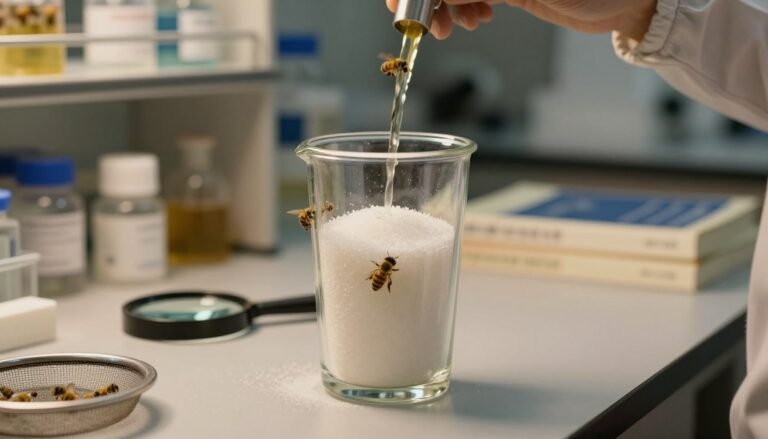
How to mix: Combine 35 g of oxalic dihydrate with 1 liter of water and an equal volume of sugar to form a 1:1 syrup. This creates the standard solution most beekeepers use in fall or winter.
Application best practices
- Open the hive only when temperatures are above 5°C (40°F) to keep bees active.
- Apply about 5 ml of solution per inter-frame space directly onto the bees covering each frame.
- Sugar helps bees spread the treatment through the cluster but be careful to avoid excess ingestion.
Timing and effectiveness: Applied during confirmed broodless periods in late fall or winter, the method can achieve near‑100% control of phoretic varroa mites and give colonies a clean start for spring.
“This topical treatment is simple, effective, and economical for small operations.”
The Vaporization Technique
A heated device turns crystals into a fine gas, letting beekeepers treat colonies without opening boxes.
How it works: The process heats crystals to about 315°F (157°C) so they sublimate directly into a gas. That gas moves through the hive and later deposits tiny particles on bees and comb.
Why many prefer this option: You don’t open the hive, which helps keep the cluster warm in winter. It is also much faster than the dribble method and lets beekeepers treat many hives in a short time.
The gas reaches corners and frames that liquid can’t. A battery-powered vaporizer adds mobility for large apiaries and removes the need for cords at remote sites.
- The gas kills varroa mites on contact without requiring bees to ingest a syrup.
- Small crystals deposit on surfaces, reducing colony stress tied to sugar solutions.
- Safety is critical: wear a certified respirator and follow label directions when using this tool.
“Fast, non-intrusive, and effective when used properly.”
For a detailed comparison of methods and practical tips on using this technique, see oxalic acid dribble vs vaporize.
Comparing Efficacy During Broodless Periods
When a colony has no capped brood, both liquid and heated applications typically eliminate nearly all phoretic mites.
During true broodless windows—late fall or deep winter—either method can reach about 95–100% kill rates on mites riding on adult bees. This creates a nearly mite-free hive going into spring and protects developing spring bees.
Once brood is present, efficacy drops. A single treatment usually reduces mite numbers by roughly 50–70% because mites inside wax cells remain shielded from contact treatments.
Practical takeaway: aim primary treatments for broodless periods to maximize impact. If you must treat with brood present, expect lower single-treatment results and plan follow-up monitoring.
- Best timing: late fall or winter broodless windows yield the strongest control.
- Brood effect: capped cells protect mites and lower single-treatment success.
- Monitoring: check mite levels before and after to gauge success and schedule follow-ups.
“Timing treatments to true broodless periods gives beekeepers the best chance of long-term colony health.”
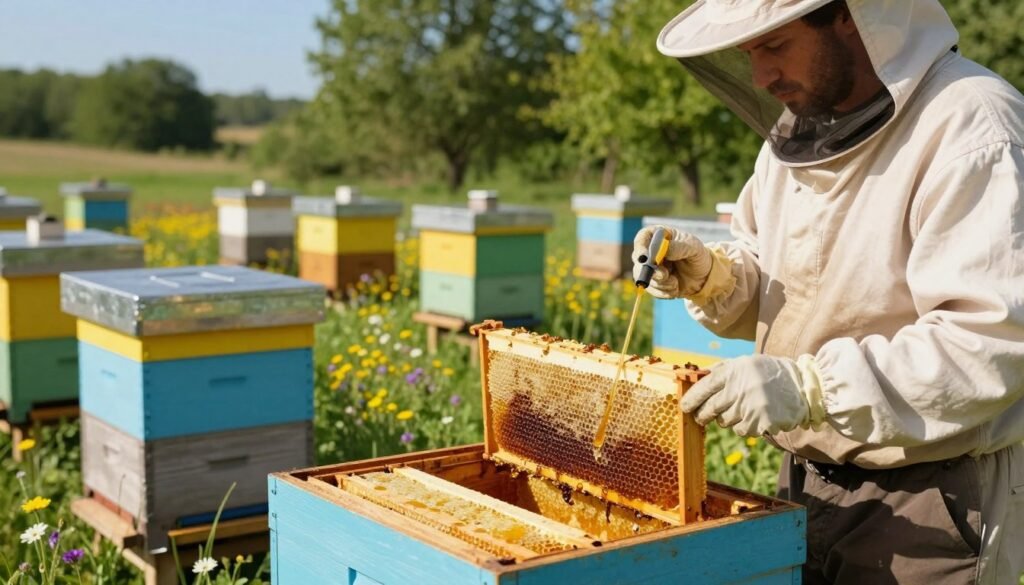
For natural and supplemental approaches that support broodless treatment windows, see natural remedies for varroa mites.
Managing Mites When Brood Is Present
When brood is present, timing and repetition become the main tools for effective control. Single treatments can miss mites that stay sealed inside capped cells. An extended plan targets those mites as they return to adult bees.
The Extended Protocol
The Extended Protocol
Use a three-treatment series with a heated application spaced every five days. This schedule aims to expose mites as they emerge from capped brood. Studies report about 90–95% reduction with the extended series compared to roughly 60% from a single pass.
Timing Intervals
Timing Intervals
Apply treatments on day 0, day 5, and day 10. This window covers the typical mite emergence cycle from pupae and helps catch phoretic mites when they are vulnerable on adult bees.
Monitoring Success
Monitoring Success
Track results with alcohol washes or sugar rolls before and after the series. Regular checks show whether mite numbers fall to acceptable levels or if follow-up is needed.
- Best practice: avoid the liquid topical method for colonies with active brood; it achieves inconsistent coverage.
- Consistency matters: strict 5-day spacing prevents rebounds and improves long-term control.
- Large operations: the extended series works well where brood rearing is continuous and mite pressure is high.
“Repeat applications timed to mite emergence give beekeepers the best chance to protect developing bees.”
For guidance on breeding and colony traits that support hygienic removal of mites, see predisposition to hygienic behavior.
Equipment Requirements and Costs
Choosing tools for mite control often comes down to budget, scale, and how many hives you manage.
For small operations the liquid approach is the most affordable. A dedicated syringe or applicator typically costs between $10 and $20. That makes the dribble option easy for backyard beekeepers to adopt.
By contrast, a handheld vaporizer runs from about $80 for basic wand models to over $200 for advanced, battery-operated units. Vaporizers also need a reliable power source—heavy-duty batteries or an AC inverter—to reach the temperature required to sublimate crystals.

Other cost factors: EPA-approved oxalic acid products, replacement parts, and regular maintenance for vaporizers. Over time, the faster treat-rate of a quality vaporizer often pays back the higher upfront price for larger apiaries.
| Item | Typical Cost | Notes |
|---|---|---|
| Syringe/applicator | $10–$20 | Low cost, manual, best for few hives |
| Basic vaporizer | $80–$120 | Needs power, faster treatment |
| Advanced vaporizer & battery | $200+ | Mobile, efficient for many colonies |
Investing in the right equipment and approved products streamlines mite control and protects honey and hive health. Evaluate costs, time savings, and colony size before you buy.
Operational Impact on Hive Health
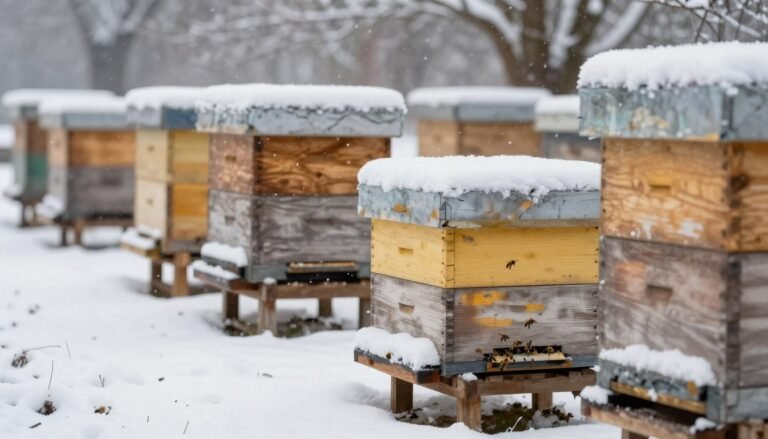
Protecting the cluster’s heat is a practical priority when planning any mite treatment in cold months.
Choosing a treatment affects the colony’s microclimate and stress levels. A non-intrusive heated method keeps boxes closed and preserves the warm air the winter cluster needs.
By contrast, applying a syrup solution means opening the hive. That breaks propolis seals and lets heat escape through the entrance and between frames. In cold weather, this can chill bees and slow recovery.
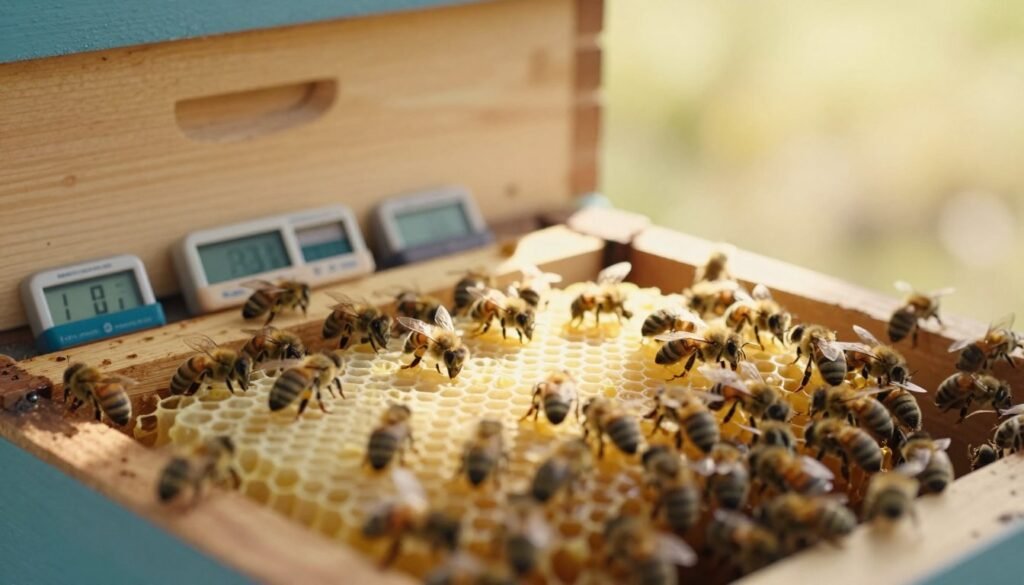
Preserving Hive Temperature
Sugar in a topical solution helps spread treatment but carries a downside: bees may ingest the mix and suffer digestive stress. Depositing crystals externally avoids that ingestion risk and reduces internal toxicity concerns.
Operational benefits of a closed-hive approach include faster application time, less disturbance, and lower biological stress on brood and adults. Beekeepers must still follow label directions, use a respirator for safety, and select equipment that fits their apiary size.
“Minimize openings and stress to give colonies the best chance at winter survival.”
Essential Safety Protocols for Beekeepers
Safety protocols must be the first step when handling chemical treatments in the apiary.
Protect yourself and your colony by wearing a certified respirator, safety goggles, and nitrile gloves during any treatment. The vapor produced by some products is extremely harmful to respiratory mucous membranes.
Use a half-face or full-face respirator with acid gas cartridges when performing heated treatments. Always check cartridges and fit before use.
Seal the hive entrance during vaporization to keep the gas inside the box and ensure full coverage of the cluster.
- Handle crystals on a stable surface and avoid skin contact.
- Keep the vaporizer on a firm base and mind hot surfaces to prevent burns.
- Secure electrical connections for corded units and avoid fire risks near hives.
- Follow the manufacturer’s instructions and label directions for all equipment and products.
| Risk | Protective Step | Why it matters |
|---|---|---|
| Fumes | Respirator with acid gas cartridges | Protects lungs from harsh gases |
| Skin contact | Nitrile gloves | Prevents irritation and burns |
| Gas escape | Seal hive entrance | Improves treatment efficacy and public safety |
“Prioritizing safety lets beekeepers control varroa mites while protecting themselves and their bees.”
For detailed label guidance on using oxalic acid, see using oxalic acid. For related colony care topics, review larval feeding cycles.
Choosing the Right Method for Your Apiary
Decide by matching the treatment to your colony’s brood state, the size of your apiary, and the equipment you own.
Small-scale beekeepers working during confirmed broodless periods in late fall or winter will often prefer the topical liquid option. It is low-cost and simple to apply. This method fits backyard hives and short treatment windows.
Larger operations or those managing colonies with active brood gain clear advantages from a heated gas approach. It offers superior hive penetration, faster throughput, and flexibility for year-round mite control.
Balance practical goals: protect hive temperature, minimize stress, and consider how much time you can spend per hive. Safety gear and proper equipment are essential no matter which option you choose.
- Match method to brood status and apiary size.
- Use the liquid method in confirmed broodless windows for small numbers of hives.
- Use the heated gas method for larger apiaries or when brood is present for better coverage.
- Track results and adapt your strategy based on mite counts and colony response.
“The best choice aligns with your beekeeping goals and protects long‑term colony health.”
For supplemental, non‑chemical practices that support mite management year‑round, review natural pest control guidance at natural pest control for bees.
Conclusion
Effective mite control relies on matching the right method to colony condition and timing. A clear plan that combines careful monitoring and timely treatment keeps hives productive and honey stores safe.
For small apiaries, the low‑cost liquid approach works well during broodless periods. For larger operations or when brood is present, a heated vaporizer gives faster coverage and higher single‑pass efficacy.
Always prioritize safety: wear a respirator, gloves, and eye protection. Track mite counts before and after each treatment to refine your approach and protect your bees season after season.
FAQ
What are the main differences between the dribble method and vaporization for mite control?
The liquid application coats bees directly and reaches hive surfaces; the heating method disperses fine crystals as a gas that fills the brood box. Liquid works best when brood is present and for targeted treatment of clusters; vapor works best during broodless periods because it treats phoretic mites fast and with minimal residue on comb. Each has different equipment, safety needs, and labor intensity.
How does this compound act against Varroa mites?
It attacks mite physiology on contact and when inhaled, shortening mite lifespan and reducing reproduction. Treated bees carry the treatment through the colony, reaching mites on adult bees. Neither approach penetrates sealed brood cells well, so timing matters for maximum impact.
When is the best time of year to use the heating method?
Late fall or during a confirmed broodless window in winter gives the highest efficacy. Low winter brood and clustered bees make the gas treatment more uniform and reduce the chance of re-infestation before spring buildup.
Can I use the liquid application while brood is present?
Yes. The solution can be applied when brood exists because it treats mites on adult bees directly. Repeated doses or extended protocols often improve control, but you must avoid overuse and follow concentration guidelines to limit harm to bees and comb.
How often should treatments be repeated during brood periods?
For liquid applications, repeat intervals commonly range from one to three weeks depending on infestation and colony size. Extended protocols may call for multiple applications across several weeks to catch mites as they emerge from brood cells.
Do either method contaminate honey or wax?
Liquid treatment can leave minimal residue on bees and comb if applied correctly, but avoid treating supers with honey. The heating method produces a vapor that settles quickly with low transfer to stored honey when done with supers removed. Always follow label and best-practice guidance to protect food stores.
What equipment do I need for each technique?
Liquid application requires a measured solution, syringe or bottle, and personal protective gloves. Heating needs a certified vaporizer unit, power source (battery or mains), and a respirator for operator safety. Both benefit from basic hive tools and accurate scales for preparing dosages.
Are there safety risks for beekeepers using the heating option?
Yes. The generated gas can irritate eyes and lungs. Use an appropriate respirator, eye protection, and gloves. Work outdoors or in well-ventilated yards, keep bystanders away, and follow manufacturer instructions for the vaporizer unit.
How does treatment affect hive temperature and cluster stability?
Liquid application introduces cool solution that can temporarily chill a small cluster if applied excessively in cold weather; apply slowly and only when ambient temperatures are safe. Heating delivers warmth locally but opens the hive briefly—minimize exposure and avoid very cold days to preserve cluster integrity.
What monitoring should I do to check treatment success?
Use sugar shake or alcohol wash before and two to four weeks after treatment to compare mite counts. Sticky boards under screened bottoms provide ongoing trend data. Record results and adjust your management calendar accordingly.
Can both methods be used together in the same season?
Yes. Many beekeepers use vapor treatment for broodless periods and liquid applications during active brood times. Staggering methods reduces selection pressure and gives more consistent control across the year when done in compliance with label directions.
What are common signs of a poor treatment outcome?
Rising mite counts after treatment, continued colony decline, or visible brood damage indicate failure. Causes include improper dosing, treating during the wrong brood state, reinfestation from nearby colonies, or equipment malfunction.
How should I dispose of unused product and contaminated materials?
Follow local hazardous-waste rules and manufacturer disposal instructions. Wipeers, used gloves, and contaminated packaging should be sealed and discarded according to regulations; do not dump residues into soil or drains.
Are there legal or label requirements I must follow?
Yes. Always follow the product label, which is a legal document. Labels specify dosages, allowed hive conditions, personal protective equipment, and pre-harvest restrictions for honey. Check state apiary regulations and pesticide laws for additional rules.
How do I pick the right method for my apiary?
Consider colony size, seasonal brood patterns, budget, equipment access, and operator safety. Small-scale and hobby keepers may prefer the simplicity of liquid dosing; larger operations often invest in vaporizers for speed and broad coverage during winter. Evaluate monitoring data and local conditions to choose a primary strategy.