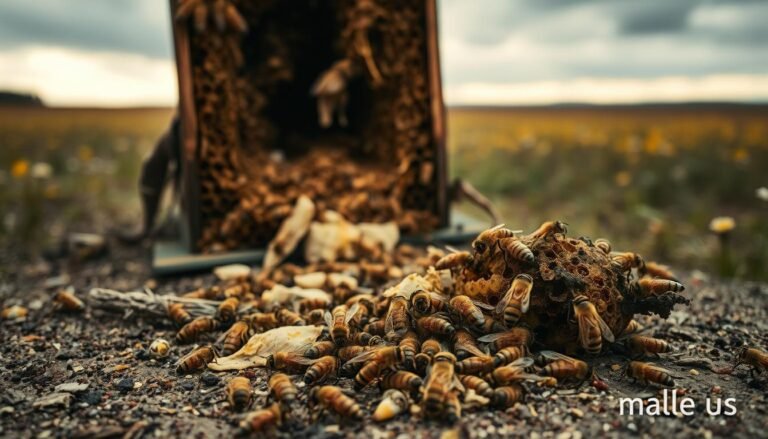
Pollinators drive reproduction for most flowering species and support about one-third of our food crops. This guide explains practical steps that boost local biodiversity and strengthen food webs.
Homeowners and experienced gardeners will find a clear, professional path through assessment, plant selection, habitat features, safer management, and maintenance. Success looks like season-long blooms, increased insect activity, and signs of nesting or overwintering on site.
Prioritizing native diversity—trees, shrubs, perennials, and grasses—offers nectar, pollen, and host plants for larvae. Small-space tactics such as window boxes and seed bombs expand habitat in urban settings without a large yard.
Conservation groups recommend reduced chemical use and leaving leaf litter and stems through winter for overwintering insects. Long-term planning matters: soil work, weed control, and tracking bloom succession help adapt future seasons.
Key Takeaways
- Support pollinators to protect crops, wildlife, and local food chains.
- Follow a step-by-step plan: assess, pick plants, add habitat, manage safely, and maintain.
- Use native species for year-round nectar and larval hosts.
- Adopt small-space solutions when yard space is limited.
- Minimize chemicals and keep winter debris for overwintering insects.
- Track bloom timing and species observed to measure progress.
Why Pollinators Matter and What Success Looks Like in Your Yard
When insects find year-round nectar and hosts, your yard becomes a living corridor for wildlife. Pollinators support more than four-fifths of flowering plant reproduction and roughly three-quarters of crop types, so yard choices influence local food security.
Healthy patches of native plants and staggered bloom from spring through fall produce clear, measurable gains: more visits by bees and butterflies, higher insect diversity, and signs of life cycles such as caterpillars on host plants.
The case for pollinators: food webs, biodiversity, and your garden
Insects form the base of many food chains, feeding birds, reptiles, amphibians, and fish. Restoring habitat in your area amplifies benefits beyond the fence and supports resilient local ecosystems.
Common pitfalls to avoid: non-native ornamentals, over-cleaning, and over-spraying
Many popular non-native flowers look attractive but offer little nectar or pollen for local species. For example, monarch caterpillars need native milkweed, so matching plants to your region matters.
- Delay cleanup: leaving leaves and dead stems through winter protects cocoons and pupae.
- Limit pesticides: use the least toxic options and target only specific pests at the right season.
- Choose natives: local plants usually support more pollinators per square foot than exotics.
| Indicator | What to expect | Action |
|---|---|---|
| Seasonal blooms | Flowers from spring to fall | Plant staggered bloom natives; consult regional lists like the native bee guide |
| Insect visits | More bees and butterflies, varied insects | Increase host plants and reduce pesticides; see guidance from USFWS pollinator best practices |
| Overwinter success | Evidence of cocoons and pupae in leaves | Avoid heavy raking until consistently warm |
How to create a pollinator-friendly property
Begin with a clear site assessment. Walk the yard at different times, mapping sun, soil, drainage, wind, and current habitat. Use the Xerces Habitat Assessment guide for an organized review and to find high-impact areas for action.
Start with soil, sun, water, and existing features
Note compacted spots, sunny banks, and sheltered corners near trees or shrubs. These microhabitats suggest ideal sites for native plantings and nesting. A quick soil test helps match plants to conditions.
Prioritize native plants and bloom succession
Build a plant list that offers nectar and pollen from early spring through frost. Include larval hosts like milkweed and regionally appropriate shrubs such as serviceberry and chokecherry.
Design for diversity and nesting habitat
- Layer species: grasses, perennials, herbs, shrubs, and trees.
- Nesting: install untreated-wood bee blocks, keep small bare-soil patches, and retain leaves and hollow stems for overwintering.
Water, pesticides, small spaces, and night visitors
Add shallow basins or a low bubbler and perch for hummingbirds. Reserve pesticides for targeted, off-bloom treatments and choose least-toxic options. For limited space, use seed bombs and flower boxes. Plant night-blooming natives like evening primrose to support moths and other nocturnal pollinators.
“A simple assessment reveals where a few changes yield the biggest benefits for local pollinators.”
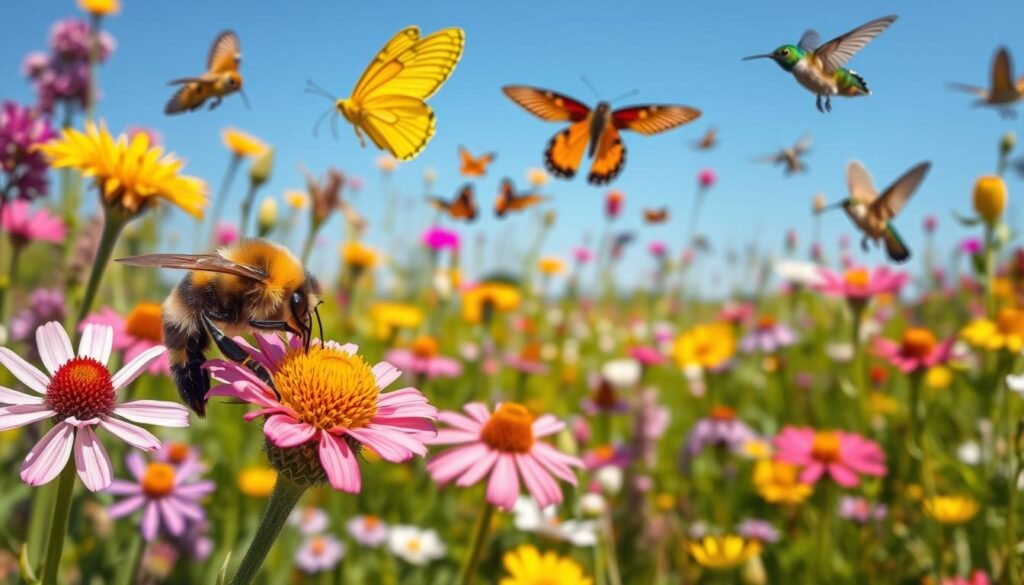
For practical lists and local species, see site assessment guidance and a curated list for bees at best plants for honeybees.
Tools, programs, and local sourcing to build and maintain your pollinator garden
Start by defining whether you’ll retool a small lawn patch, a roadside ditch, or a larger field—scale shapes your plan and available support. Clarify scale early so you pick the right programs, seed mixes, and timelines.
Match scale with programs and technical help
Meet with your county USDA office and local Conservation District. Ask about NRCS EQIP and CSP, FSA CRP/CREP/SAFE/ACEP, USFWS PWP and SWG, and state options like MDNR PLP and WHGP. NAWCA grants and Wild Ones’ Lorrie Otto Seeds for Education support educational projects.
Source reputable native seeds and transplants
Buy regionally adapted native plant material from trusted growers for better establishment, especially for trees and long-lived perennials. Many districts run spring tree sales and rent seeding tools.
Plan for long-term success
Budget for seeds, transplants, soil amendments, and tools. Keep detailed records of seed mixes, dates, weather, and site steps through the first year and subsequent years. Expect paperwork and reporting if you accept funding.
- Start small: use demonstration plots near buildings, then scale up.
- Schedule multi-year maintenance: mowing, re-seeding, spot-weeding, and prescribed burns where allowed.
- Retain leaves and hollow stems each season to support overwintering bees and other wildlife.
Leverage community and resources
Partner with schools, Master Gardeners, businesses, and neighbors to pool labor and stretch funds. For planting guidance and regional lists, see a native planting guide at water-wise native planting and resources for beekeepers at beekeeping resources.
“Combine funding with in-kind support from partners to accelerate habitat delivery while meeting program requirements.”
Conclusion
From balcony boxes to backyard meadows, every planting decision matters for insects and birds.
Follow a simple formula: diversify native plants across layers, provide steady nectar and pollen through the season, and make space for nesting and overwintering. Add a few trees and shrubs as larval hosts; they multiply ecological value beyond flowers alone.
Finish with shallow moving water, safe perches, and minimal, targeted chemical use to protect bees and other insects. Use seed bombs, flower boxes, or modular planters when space is tight.
Document what you plant, bloom dates, and visitors. Share results with neighbors and partners and consult local resources like this pollinator garden steps guide for practical resources: pollinator garden steps.
Start small, record progress, and watch your yard join wider habitat networks.
FAQ
Why are pollinators important for gardens and wildlife?
Pollinators such as bees, butterflies, moths, and hummingbirds support food webs and biodiversity by pollinating native plants, vegetables, and fruit trees. Strong pollinator populations improve garden productivity, bolster habitat for insects and birds, and help maintain healthy ecosystems in yards and nearby natural areas.
What features signal success when supporting pollinators in a yard?
Look for diverse blooms throughout the growing season, frequent visits from bees and butterflies, sightings of nesting bees or caterpillars, and increased bird activity. Over time a thriving pollinator community will reduce pest outbreaks and increase seed set and fruit production.
Which common mistakes reduce habitat value for pollinators?
Using non-native ornamental plants that offer little nectar or pollen, removing all leaf litter and dead stems, and routine spraying of broad-spectrum insecticides harm pollinators. Over-manicured lawns and single-season bloomers also provide limited resources.
What should I check during a site assessment before planting?
Note sun exposure, soil texture and drainage, existing trees and shrubs, and water availability. Identify microhabitats like sunny bare patches for ground-nesting bees and sheltered spots for overwintering. This guides plant selection and placement.
Which plants best support local pollinators?
Prioritize regionally native wildflowers, native grasses, shrubs, and trees. Aim for varied flower shapes and bloom times from spring through fall. Include herbs like lavender and native milkweeds, and nectar-rich shrubs such as Ceanothus or serviceberry depending on your region.
How do I design for seasonal bloom succession?
Choose species that flower at different times: early spring natives (willows, wild geranium), midseason perennials (coneflowers, asters), and late-blooming plants (goldenrods, late asters). Plant groups rather than single specimens to improve foraging efficiency.
What nesting and overwintering habitats are most helpful?
Leave patches of bare, compacted soil for ground-nesting bees, retain stems and leaf litter for stem-nesting bees and beetles, and install bee blocks or bundles of hollow stems. Dead wood and brush piles shelter beetles and other beneficial insects through winter.
Are water features necessary, and how should they be set up?
Small, shallow water sources help pollinators hydrate and thermoregulate. Use shallow dishes with pebbles or a gentle dripper so insects can land safely. Include sandy or muddy edges for species that need damp substrates.
What are safer alternatives to conventional pesticides?
Use integrated pest management: monitor pest levels, encourage beneficial predators like lady beetles, apply soaps or horticultural oils selectively, and time treatments for late evening when pollinators are inactive. Avoid neonicotinoid-treated plants and read labels carefully.
How can small yards or balconies support pollinators?
Container gardening, vertical planters, native seed mixes, and flower boxes with continuous bloom provide resources in limited space. Even window boxes with bee-friendly herbs or a patch of native milkweed can help support butterflies and native bees.
What about night-flying pollinators and moon gardens?
Include night-blooming natives and fragrant flowers like evening primrose and nicotiana to attract moths and nocturnal pollinators. Provide shallow water and avoid bright nocturnal lighting to maintain natural activity patterns.
How do I choose reliable native seed and plant sources?
Buy from regional native plant nurseries, university extension programs, or reputable suppliers like Prairie Nursery and Native Seeds/SEARCH. Check provenance, avoid cultivars with double flowers, and prefer locally sourced ecotypes when possible.
What local programs or funding can help start larger projects?
Look into USDA Natural Resources Conservation Service (NRCS) programs, county Conservation Districts, and U.S. Fish and Wildlife Service habitat grants. Many municipalities and native plant societies offer technical assistance and cost-share opportunities.
How should I plan for long-term maintenance?
Prepare soil with organic amendments, use mulch selectively, control invasive weeds early, and keep records of plant performance. Rotate plantings, refresh seed mixes every few years, and maintain nesting features and water sources seasonally.
Can community partnerships expand pollinator habitat?
Yes. Partnering with schools, businesses, homeowner associations, and neighbors helps create connected corridors. Community plant swaps, demonstration gardens, and pollinator-friendly landscaping standards amplify impact.
How long before I notice differences after planting native pollinator habitat?
Some floral visitors arrive in the first season, but measurable community changes often appear within two to five years as plants establish and nesting sites mature. Perennial meadows and restored patches typically improve each year.