There were approximately 101.7 million managed honey bee colonies worldwide in 2024, according to United Nations Food and Agriculture Organization data — a 47% increase since 1990, driven almost entirely by rapid growth in Asia, even as individual regions like Europe grew far more slowly and beekeepers in specific countries continue to report serious annual colony losses. The global number climbing steadily is real, but it’s also a genuinely different — and more reassuring — picture than the “bees are disappearing” narrative many readers expect, and the two facts aren’t actually in conflict once you separate managed colony counts from wild pollinator and biodiversity concerns.
Key Takeaways
- FAO data compiled by national statistical agencies puts the global number of managed honey bee colonies at approximately 101.7 million in 2024, up 47% from 1990.
- Growth has been sharply uneven by region: Asia’s colony count rose about 95% since 1990 to roughly 45.2 million colonies, while Europe grew only about 13% over the same period to around 25.4 million.
- Africa (about 18.5 million colonies, up 38% since 1990), the Americas (about 11.6 million, up 20%), and Oceania (about 1.1 million, up 45%) make up the rest of the global total.
- Global honey production reached roughly 2.0 million tonnes in 2024, with China (about 456,000 tonnes), India (about 146,000 tonnes), and Turkey (about 95,500 tonnes) as the leading producer countries.
- A rising global colony count doesn’t contradict real regional colony-loss problems or wild pollinator decline — managed honey bees are, in effect, livestock that beekeepers actively replace and multiply, which is a separate question from the health of wild bee and pollinator populations.
Table of Contents
- The Headline Number
- Where the Growth Is Actually Happening
- Honey Production by Country
- Reconciling This With “Bees Are Disappearing”
- Frequently Asked Questions
The Headline Number
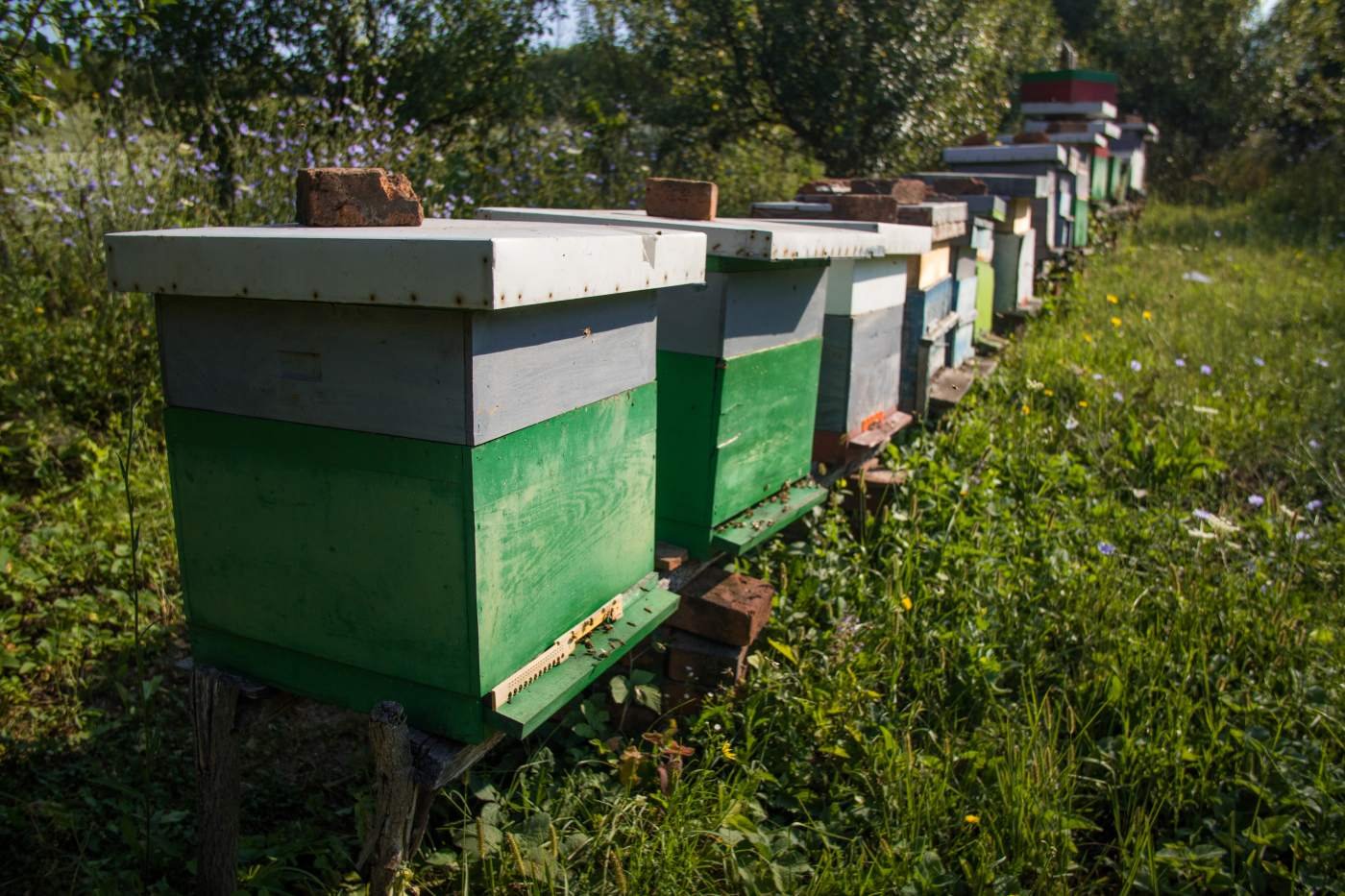
According to data compiled from national agricultural statistics and published through the UN Food and Agriculture Organization’s FAOSTAT database, the world had approximately 101.7 million managed honey bee colonies in 2024. That figure represents a 47% increase since 1990 — meaning the global managed honey bee population has grown substantially, not shrunk, over the past three and a half decades, even as headlines about colony collapse and pollinator decline have become a fixture of environmental reporting over roughly the same period.
Where the Growth Is Actually Happening
The global total obscures a very uneven regional story. Asia accounts for the largest share of both the total and the growth, with an estimated 45.2 million colonies in 2024 — a 95% increase since 1990, effectively doubling the region’s colony count over that period, driven substantially by expansion of commercial beekeeping in China and other major Asian producers. Europe, by contrast, grew only about 13% over the same 34-year span, reaching roughly 25.4 million colonies — slow growth consistent with a mature beekeeping sector in a region that has also reported significant winter colony losses in various countries in specific recent years. Africa’s colony count grew about 38% to roughly 18.5 million, the Americas grew about 20% to roughly 11.6 million, and Oceania — the smallest regional total — grew about 45% to roughly 1.1 million colonies. This regional data is compiled and published in accessible form by Germany’s federal statistics agency, citing FAO figures, on its international agriculture statistics page.
Honey Production by Country
Global honey production tracked alongside colony growth, reaching an estimated 2.0 million tonnes in 2024. China remained the largest single producer by a wide margin, at roughly 456,000 tonnes, reflecting both its enormous colony count and highly commercialized beekeeping sector. India followed at around 146,000 tonnes and Turkey at approximately 95,500 tonnes — Turkey’s output notable given its far smaller colony count relative to Asia’s giants, reflecting the country’s long beekeeping tradition and favorable forage diversity, a point this site’s own look at Anatolian beekeeping traditions covers from a historical angle rather than a statistical one.
Reconciling This With “Bees Are Disappearing”
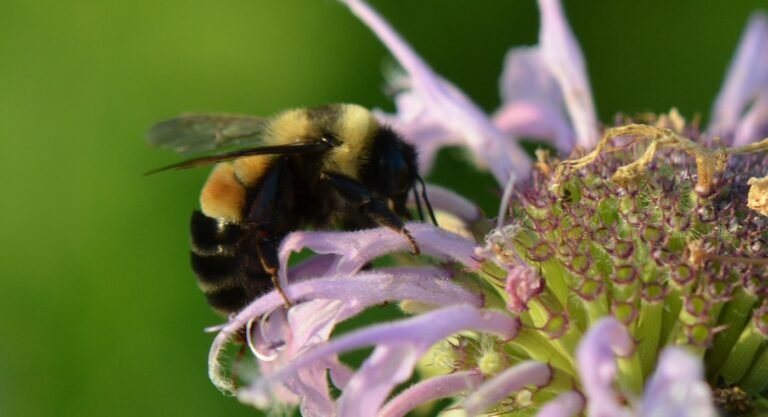
The apparent contradiction between rising global colony numbers and persistent “bees are disappearing” coverage resolves once you separate two genuinely different things: managed honey bee colonies, which are actively maintained, split, and replaced by beekeepers much like livestock, and wild bee and pollinator populations, which face separate and well-documented pressures from habitat loss, pesticide exposure, and climate change. A beekeeper who loses 30-40% of colonies over a winter — a real, well-documented, and serious problem in specific countries and years — can and typically does rebuild those numbers within a season by splitting surviving colonies, buying packages, or requeening, which is reflected in the global data as resilience rather than decline. This site’s existing profile of the Rusty Patched Bumble Bee’s endangered status covers the wild-pollinator side of the story directly — a genuinely different and, in that specific case, more alarming trend than the managed honey bee colony data shown here.
Frequently Asked Questions
Are honey bee colony numbers actually increasing worldwide?
Yes. FAO-sourced data puts the global managed honey bee colony count at approximately 101.7 million in 2024, a 47% increase since 1990.
Which region has driven most of the global growth?
Asia, where colony numbers grew roughly 95% since 1990 to about 45.2 million — nearly doubling — driven largely by expansion of commercial beekeeping in major producer countries.
Does this mean pollinator decline isn’t real?
No. This data covers managed honey bee colonies, which beekeepers actively maintain and replace, not wild bee and pollinator populations, which face separate, well-documented declines from habitat loss and other pressures.
Which countries produce the most honey?
China leads by a wide margin at roughly 456,000 tonnes in 2024, followed by India at about 146,000 tonnes and Turkey at about 95,500 tonnes.
Why do some countries report high colony losses if the global number is rising?
Regional or national colony losses — a real, documented problem in specific countries and years — get offset globally when beekeepers split surviving colonies, buy replacement packages, or requeen, and when other regions add colonies faster than others lose them.