Last Updated September 13, 2026
Supporting healthy colonies starts with smart planting. Choose trees, shrubs, and flowers that feed bees across the season and you’ll see steadier nectar flow and better honey yields.
Leading U.S. garden and nursery experts point to high-nectar trees like Linden, Tupelo, Black Locust, and Sourwood as anchors for spring and summer honey crops. Reliable perennials such as Russian Sage, Lavender, Salvia, Bee Balm, and Echinacea supply ongoing forage into fall.
Native staples — Asters, Goldenrod, Milkweed, Joe Pye Weed, Mountain Mint, and Blueberries — fill gaps and support pollinators from early spring through late season. Proper site choice, full sun, and soil match directly affect nectar and bee activity.
This list will organize top picks by role — trees, shrubs, perennials, annuals/groundcovers, and legumes — so gardeners and beekeepers can plan continuous bloom. For more detailed species notes and bloom timing, see this practical guide from extension experts: plants for bees.
Key Takeaways
- Plant a mix of trees and perennials to extend nectar flow.
- Match sun and soil to each plant to boost pollen and nectar production.
- Native species provide critical late-season forage and ecosystem benefits.
- Design for continuous bloom to keep colonies stable from spring to fall.
- Avoid pesticides and provide water to protect bee health.
Why Plant Selection Matters for Honey Flow and Bee Health in the United States
Choosing the right species makes a measurable difference in nectar supply and hive health. Dependable nectar yields steadier honey, stronger colonies, and clearer flavor notes that reflect your local season.
Plan for continuous bloom by combining early spring bloomers, long-flowering summer perennials, and late fall asters and goldenrod. Cluster plantings of three or more create visible targets that save bee energy and improve foraging efficiency.
Native-first choices matter: native species attract far more bees than many non-native options. Prefer open-pollinated, single-flower varieties so pollen and nectar are accessible. Match each selection to sun, soil, and shade on your site to reduce plant stress and boost blooms.
- Structure diversity: trees anchor peak nectar, shrubs fill shoulders, perennials and herbs supply daily forage.
- Water & safety: provide shallow water and avoid pesticides—some organic sprays still harm pollinators.
- Wet and shady spots: plant rain-garden natives like Joe Pye and swamp milkweed to keep colonies fed across the season.
For practical native garden plans and species ideas, see this native bee-friendly guide.
Best Plants for Honey Production USA
Anchor your landscape with long-producing trees, then add blooms that bridge spring to fall. Start with high-nectar canopy species and layer shrubs, herbs, and perennials to keep foragers busy through the season.
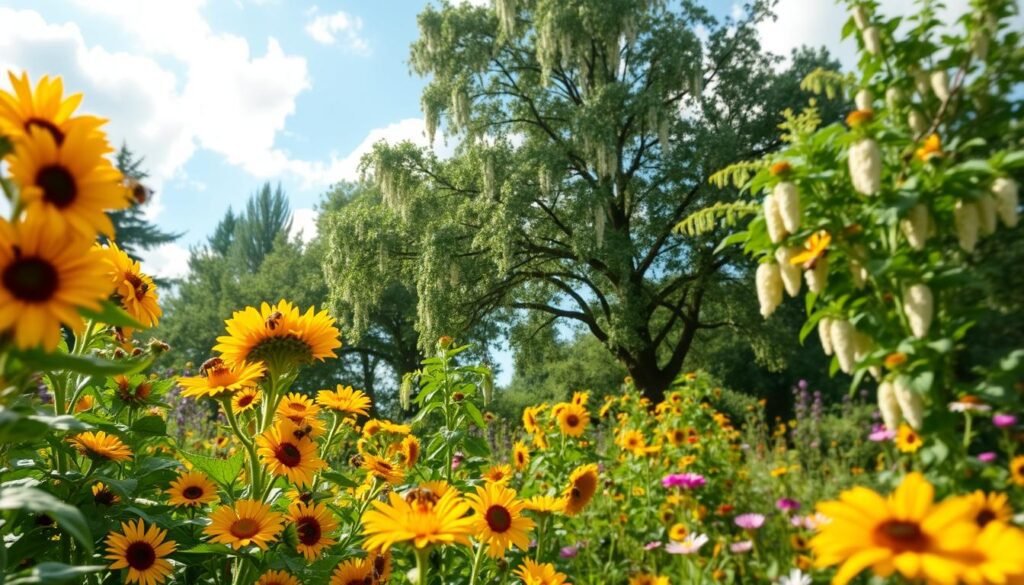
High-nectar trees that anchor the season
Linden (Basswood) yields mild, floral honey during summer. Tupelo thrives in moist southern river systems and gives a premium, slow-crystallizing honey. Black Locust offers fragrant late-spring clusters and pale honey. Sourwood blooms mid-to-late season with caramel notes prized by local beekeepers.
Shrubs, herbs, and perennial workhorses
Buttonbush is ideal near water and attracts intense bee activity. Blueberries supply early spring bells and fruit when soil is acidic. Lavender, catmint, and Russian sage add long-lasting summer nectar in well-drained spots.
Fill gaps with garden favorites
Perennials like bee balm, salvia, echinacea, and allium feed bees over long spans. Asters and goldenrod secure fall forage, while annuals such as zinnias, cosmos, and borage plug short gaps. Learn more on top perennials for pollinators at top perennials for pollinators.
Planting and Care Tips to Maximize Nectar, Bloom Time, and Bee Safety
A smart care plan turns a mixed garden into a steady nectar source all season. Good site choice and simple maintenance make a big difference to flowering performance and to the bees that visit.
Site, sun, and soil
Prioritize full sun for most high-nectar species. Ensure good drainage for Mediterranean herbs like Lavender and Russian Sage to keep roots healthy and blooms consistent.
Match soil pH and texture to the plant: acidic beds for Blueberries, moist pockets for Joe Pye Weed and Boneset, and clay-tolerant options like Heliopsis where needed.
Water, seasons, and maintenance
Give steady water while plants establish, then adapt to species needs. Rain-garden natives prefer regular moisture; Mediterranean perennials do better when allowed to dry between drinks.
Stagger spring, summer, and fall bloom with trees, shrubs, perennials, and annuals so there is always food. Shear Catmint after the first flush and deadhead Dianthus to encourage rebloom.
Safety and planting design
Avoid pesticides during open flower to protect hives; use targeted controls at dusk if necessary. Choose single, open blooms over doubles so pollen and nectar remain accessible.
- Cluster species in drifts of three or more to attract and conserve bee energy.
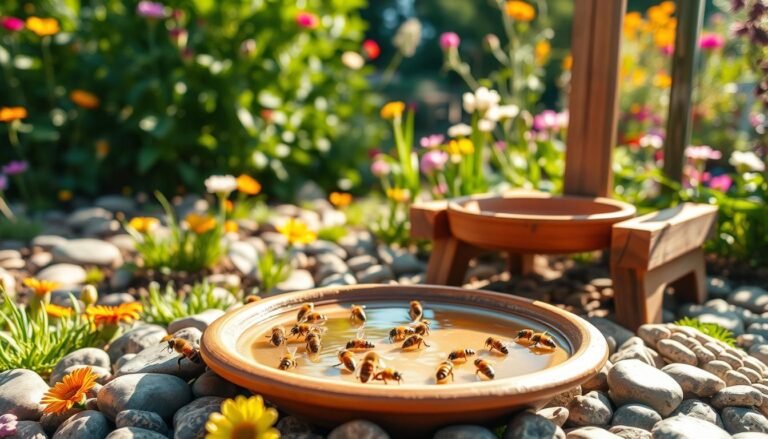
- Provide shallow water with landing stones and leave some hollow stems for habitat through fall.
For detailed species suggestions and timing, see this recommended plant guide.
Conclusion
, Start small: an anchor tree plus clustered perennials can change bee activity in one season.
Combine top nectar trees like Linden or Black Locust with long-bloom perennials and annual fillers to keep foragers fed and honey flowing. Adopt a native-first strategy and add proven classics to boost ecological value and seasonal bloom coverage.
Map a spring-to-fall calendar of flower and then choose site-appropriate options for light, soil, and water. Use the agroforestry guide as a planning aid: agroforestry guide, and consult practical references like this beekeeping resources.
Practical call to action: plant one anchor tree and a trio of perennials, cluster them, then scale as blooms and bee activity confirm success. Every deliberate plant added by gardeners supports bees and refines local honey character.
FAQ
How do I choose plants that give the most nectar throughout the season?
Aim for a mix of trees, shrubs, perennials, and annuals that bloom in spring, summer, and fall. Start with high-nectar trees like linden and black locust for major flows, add shrubs such as buttonbush and blueberry for early and mid-season forage, and include asters, goldenrod, and sedum for fall. Cluster same-species plantings to help bees forage efficiently and prioritize native species adapted to your local soil and light.
Can I rely on nonnative ornamental varieties for bee forage?
Some nonnative ornamentals provide good nectar, but native-first selections usually offer better pollen and nectar suited to local pollinators. When using cultivars, choose single-flower forms (not doubled) and varieties known to attract bees—lavender, salvia, and borage are safe bets. Avoid sterile cultivars that produce showy blooms but little nectar.
What are quick bloom-gap fillers for small gardens or containers?
Annuals and compact perennials work well. Zinnias, cosmos, borage, dwarf sunflowers, and creeping thyme bloom quickly and keep producing with regular deadheading. For small spaces, dwarf salvias and catmint cultivars like ‘Cat’s Pajamas’ give high returns on limited square footage.
How important is sun and soil for nectar production?
Very important. Most high-nectar plants prefer full sun and well-drained soil; full sun increases sugar concentration in nectar. Match plant choices to your site—moist-site species like buttonbush or Joe Pye Weed suit wet areas, while lavender and Russian sage thrive in dry, poor soils.
When should I plant trees and shrubs to benefit honey flow soonest?
Plant trees and shrubs in early spring or fall to give roots time to establish. Fast-flowering shrubs like blueberries or bush clematis can provide forage within a year if planted correctly. For trees such as tupelo or linden, expect several years before they significantly contribute to honey flow, but they anchor seasonal nectar long term.
Are there forage plants especially good for late-season nectar?
Yes. Asters, goldenrod, sedum, and certain sages provide vital fall nectar when colonies prepare for winter. These plants extend foraging opportunities and support honey ripening and winter stores.
Do any of these plants also support other pollinators like butterflies and native bees?
Absolutely. Plants such as milkweed, bee balm, Joe Pye Weed, and coneflower attract butterflies and native bees in addition to honey bees. Including diverse flower shapes and native species supports a broad pollinator community and improves overall ecosystem health.
How can I keep bees safe while managing pests in my garden?
Avoid broad-spectrum insecticides, especially during bloom. Use integrated pest management: hand-remove pests, use row covers before flowers open, apply biological controls, and if chemical control is necessary, choose bee-safe products and spray at dusk or dawn when bees are less active. Always follow label directions.
What role do legumes play in creating classic American honey flavors?
Legumes such as white, red, and alsike clover, plus alfalfa and sainfoin, are traditional nectar sources in many U.S. regions. They yield mild, familiar honey profiles and are useful in pastures or field borders to supplement garden plantings and diversify nectar sources.
How much area or how many plants does a hive need nearby to benefit meaningfully?
Honey bees forage up to a few miles, but concentrated forage near the apiary boosts efficiency. Plant clusters of three or more of a species and create forage-rich strips or patches. Even small urban gardens can support colonies if a continuous sequence of blooms exists from spring through fall.
Which herbs offer both culinary use and strong nectar yields?
Anise hyssop, lavender, chives, sage, and borage provide edible uses and attract bees heavily. They often tolerate dry soils and full sun, making them excellent dual-purpose plants for kitchens and apiaries.
Can I grow nectar plants in shaded yards?
Many top nectar producers need full sun, but some species tolerate partial shade. Native ferns and certain salvias, turtlehead, and some asters can flower in shadier spots. For best results, maximize sun exposure where possible or focus shaded areas on species proven to thrive without full sun.