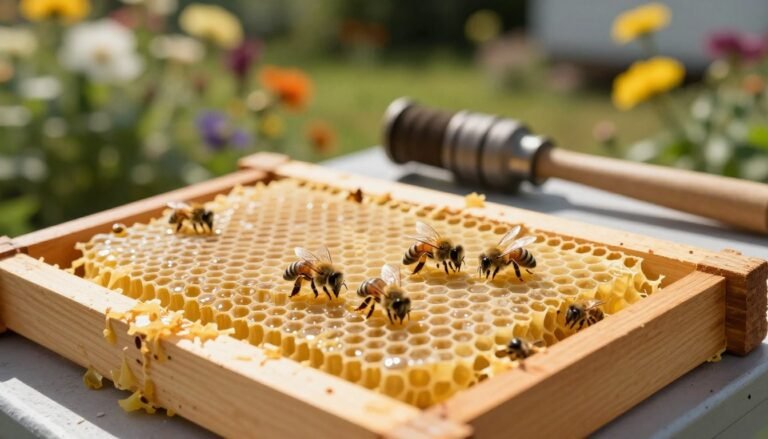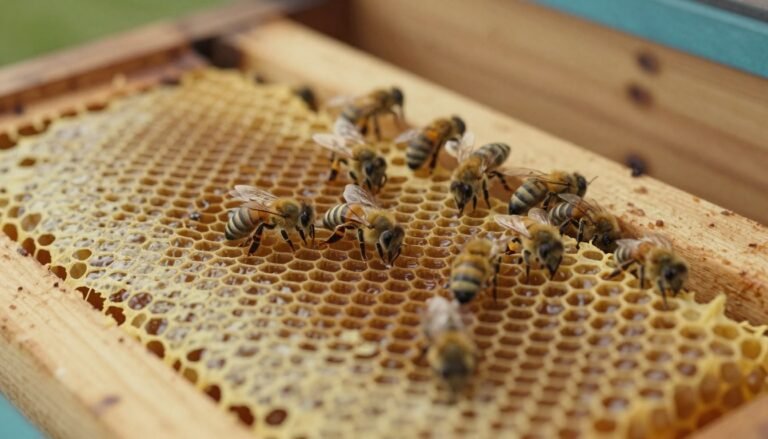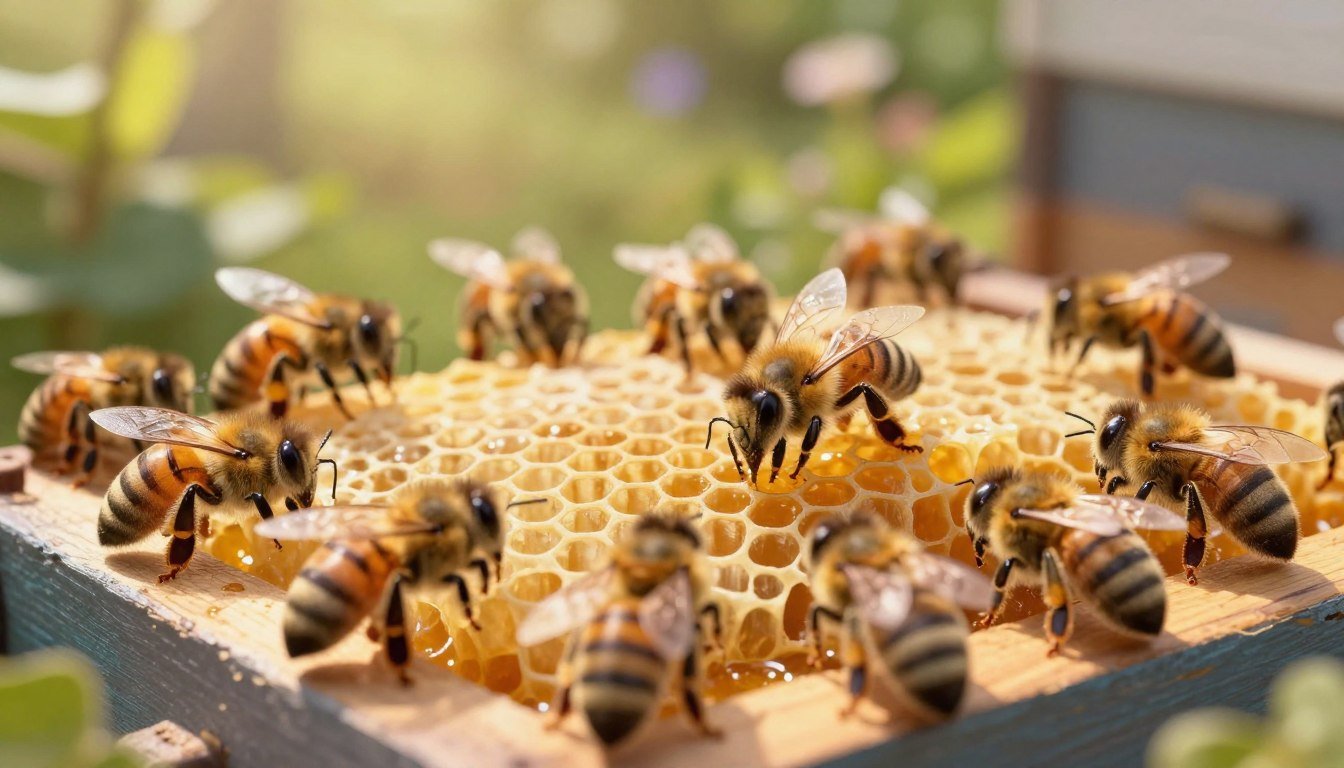
Understanding why a colony ignores new frames is a core challenge for any beekeeper managing hive growth. Young workers make wax in their second and third weeks, and that wax is needed for comb construction.
Sometimes a hive simply ignores supplied foundation. Environmental cues, colony strength, and the timing of frame placement all shape whether the insects will invest energy in new comb.
This short guide outlines the biological and practical reasons a hive may not accept new material. You will learn how season, nectar availability, and internal hive layout influence action.
For practical steps on encouraging comb build-out on plastic frames, see this detailed resource: how to get bees to draw out plastic.
Key Takeaways
- Young workers produce wax mainly in weeks two and three; colony age matters.
- Colony strength and a strong nectar flow are the top triggers for comb building.
- Place new frames between drawn combs and use extra wax coating on plastic frames.
- Feed 1:1 sugar syrup during weak flows, but monitor for syrup-bound issues.
- Timing is critical — spring and early summer offer the best chance for success.
Understanding the Biology of Comb Building
Creating new comb is an energy-heavy task driven by colony biology and seasonal cues. Building comb requires many calories from honey and nectar, since producing beeswax uses a lot of metabolic energy.
The Metabolic Cost of Wax
Making beeswax demands that the hive convert honey into fat stores. That stored energy supports wax glands and sustained work.
The Role of Young Worker Bees
Worker bees in their second and third weeks are the main builders. Young workers need pollen in their first 5 to 6 days to develop fat cells that power wax secretion.
Practical points:
- Energy first: The colony will build only when nectar or honey supplies justify the expense.
- Brood priority: The queen needs fresh cell space for laying, so brood cells often get precedence.
- Team effort: A single bee contributes but the hive organizes resources for storage and thermoregulation.
Understanding these limits helps beekeepers time frame additions and support the colony with proper nutrition.
Why Bees Refuse to Draw Foundation
A colony will only invest energy in new comb if internal needs and external cues align.
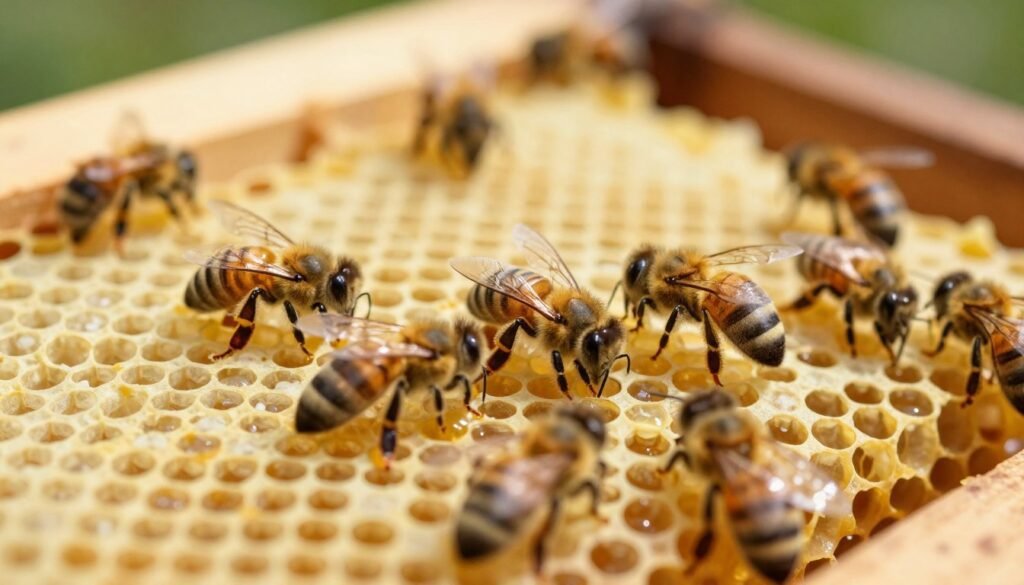
Feeding sugar syrup does not guarantee new construction. If the hive has enough empty cell space, workers conserve energy and ignore extra frames.
Many beekeepers think syrup fixes everything. It helps, but only during a real deficit. A strong honey flow and a growing population usually trigger building.
- Plastic frames need a good beeswax coating; plain plastic feels wrong to some workers.
- Adding a full box at once can confuse the colony and slow activity.
- Building comb is costly; bees wait for better conditions and more foragers.
“Bees will prioritize brood and stores over new comb unless demand is clear.”
| Issue | Likely cause | Quick check | Fix |
|---|---|---|---|
| Low interest in frames | Enough existing comb | Count empty cells | Add single frame between drawn combs |
| Plastic not worked | Insufficient beeswax scent | Smear wax or fondant | Coat frames or use foundationless |
| Slow start | Poor nectar flow | Monitor foragers | Supplement carefully; time additions with flow |
| Overloaded box | Too many new frames | Inspect cluster behavior | Add frames gradually |
For a deeper list of practical causes and fixes, see this short guide on seven reasons comb won’t be drawn.
Assessing Colony Health and Population
Start with a clear inspection routine. A rapid check of population, brood pattern, and mite pressure tells you if the hive is ready to expand.
Identifying Mite Loads and Queen Productivity
Mite levels can cripple productivity. Use sugar roll or alcohol wash to get a quick estimate and treat if counts are high.
Queen performance affects brood output. Look for a compact, consistent brood pattern. Spotty or scattered brood often means reduced laying or a stressed queen.
- Population: A robust cluster of workers and strong forager traffic predicts better comb building.
- Brood: Active brood encourages expansion of cell space and new frame use.
- Frames and foundation: Plastic frame fixtures may be ignored by weak colonies; strong hives occupy them faster.
If you are a new beekeeper, lean on experience resources. Read a detailed analysis of colony buildup at colony buildup and decline.
“Strong colonies with low mite loads and young, productive queens build comb most efficiently.”
Manage boxes gradually and watch seasonal conditions. Also see advice on swarm indicators for managing colony expansion: hive preparing to swarm.
The Role of Nectar Flow and Foraging
Foragers bringing in steady nectar are the signal a colony needs before it spends energy building new comb.
A generous nectar flow supplies the calories that power wax glands and motivates workers to add frames and expand storage space.
In landscapes with low pesticides and plenty of diverse blooms, colonies focus on expansion. Healthy foraging means more honey and more willingness to invest in fresh comb and new foundation.
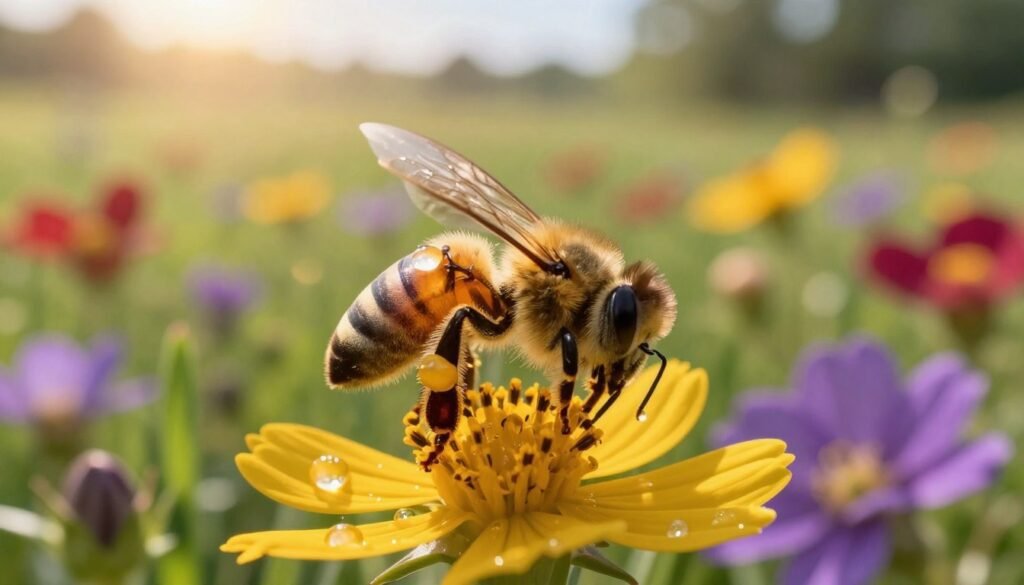
If the flow is weak, the hive conserves resources and ignores extra frames. Feeding 1:1 syrup can help, but natural forage usually triggers faster and more durable drawing new comb.
- Monitor local blooms: ensure varied floral sources across the area.
- Watch for pesticides: reduced exposure improves forager success and colony expansion.
- Match additions to demand: add frames only when stores and population justify space.
“A steady flow of nectar and healthy foragers is the main prompt for colonies to add comb and stores.”
For practical methods beekeepers use to speed comb work, see this guide to encourage comb faster.
When Bees Refuse to Draw Foundation: A Diagnostic Approach
Treat a lack of comb construction as a diagnostic signal about hive health rather than just a nuisance.
Start small and observe. Check that the queen is laying in the brood nest. A poor or spotty brood pattern often means the colony is not expanding.
Watch for forager traffic and nectar flow. If incoming nectar is weak, the hive may conserve energy and ignore new frames. Feeding syrup helps short-term, but healthy stores and a steady flow prompt real comb work.
Inspect plastic frames for a good wax scent or coating; unloved plastic can sit untouched. Also confirm correct frame spacing—tight or loose spacing will discourage even comb construction.
Observe over time. Check the hive across a few inspections and note any change in behavior as conditions shift. Use this pattern as a guide for targeted fixes.
| Check | What it suggests | Quick test | Action |
|---|---|---|---|
| Brood pattern | Queen productivity | Count brood cells | Requeen or monitor |
| Forager traffic | Nectar flow | Watch entrance for 5 min | Time additions with flow |
| Frame surface | Wax signal | Smell or look for wax | Coat plastic or use foundationless |
| Spacing & fit | Comb alignment | Measure gaps between frames | Reset frames to correct spacing |
For a practical how-to on encouraging comb on plastic frames, see get bees to draw comb.
Evaluating the Impact of Seasonal Changes
Seasonal rhythms drive whether a hive expands or seals itself for winter.
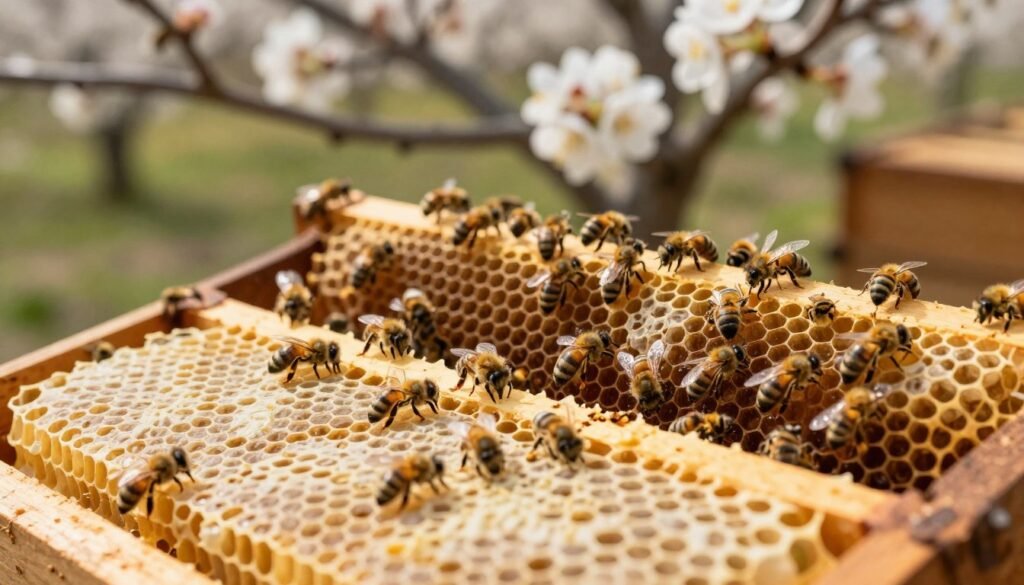
Spring Expansion Cycles
Spring is the prime time for comb construction. A rising flow and a laying queen spur workers to build new comb and accept frames and foundation.
Beekeepers should add frames between drawn combs during this growth phase. Strong foraging supports wax production and fills new cells with honey and brood.
Fall Backfilling and Contraction
In fall, the queen reduces brood production and the colony shifts to backfilling. Workers store nectar in brood cells as brood emerges, which slows construction of new comb.
Adding a super with plastic foundation in late season often wastes effort. The hive focuses on stores, not building. A box not needed for brood will likely remain empty as the year closes.
“Match your frame additions to the season: spring for expansion, fall for consolidation.”
- Spring: add frames and monitor the flow for best results.
- Fall: avoid extra boxes and plastic frames unless the colony shows clear demand.
- Cell size matters: bees will fill existing cells before building new ones.
The Debate Over Foundation Versus Foundationless Frames
Deciding whether to install pre-formed sheets or leave frames blank shapes colony behavior and inspection ease.
Many beekeepers prefer foundation for straight, predictable comb that makes inspections and honey handling easier. Foundation also helps novices avoid cross comb and alignment problems.
Others follow advocates like Michael Bush and choose foundationless frames. This lets the hive build natural cell sizes and may suit a more hands-off approach.
- Plastic foundation often gets a beeswax coating, but research shows wax can carry traces of pesticides from commercial sources.
- Frames come in deep, medium, and shallow sizes; choose the type that fits your management and honey extraction plans.
- Foundationless work can reduce chemical transfer and allow the queen freedom over cell size, but it increases the risk of cross comb for the inexperienced beekeeper.
“Match your frame choice to your goals: control and neat comb, or a more natural build driven by the colony.”
Managing Cross Comb Risks
A small misalignment in the box can lead to comb built across several frames and a messy inspection.
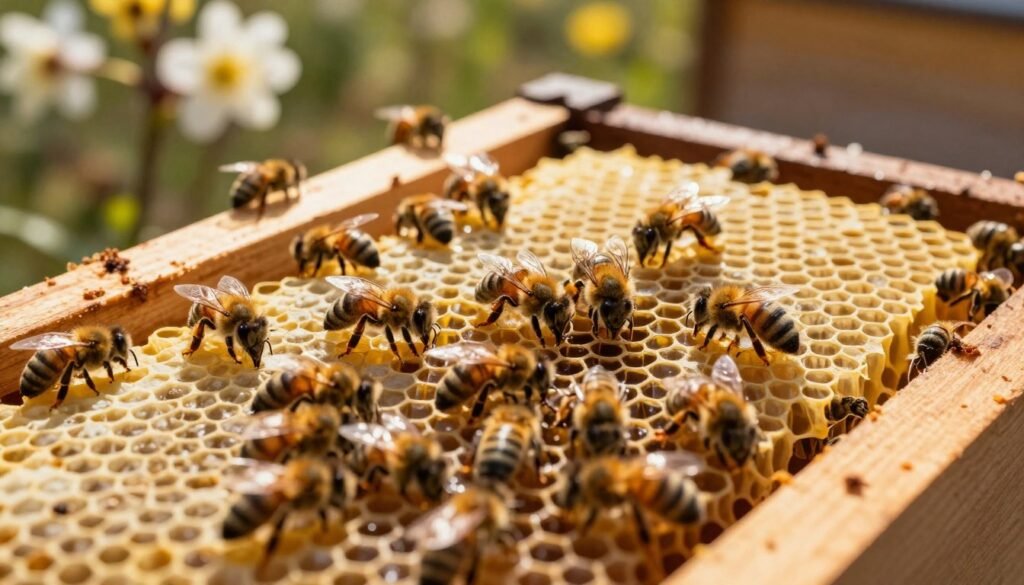
Act early. New beekeepers should open the hive every three days during fast building and correct any angled comb before it links frames. Quick checks stop large repairs later.
Techniques for Straight Comb Construction
Alternate frames that already have drawn comb with foundationless frames. This gives a visual guide and encourages straight work.
- Use a thin wooden guide or starter strip of wax at the top bar to set a straight line.
- Place plastic foundation where you want strict alignment; it helps prevent cross comb across the box.
- Remove frames gently. Watch for the queen and avoid crushing brood or tearing wax.
“Small, frequent inspections and simple guides save you hours of repair later.”
| Issue | Cause | Quick test | Fix |
|---|---|---|---|
| Angled comb | Loose top bars or misaligned box | Lift side frame gently | Reset frames; add guide strip |
| Comb spanning frames | No nearby drawn comb | Look for connecting wax bridges | Alternate drawn frames; trim bridges carefully |
| Sticky inspections | Rapid building during flow | Check every three days | Stagger additions and inspect often |
Practical Tips for Encouraging Wax Production
Small management steps can prompt a hive to invest energy in fresh comb.
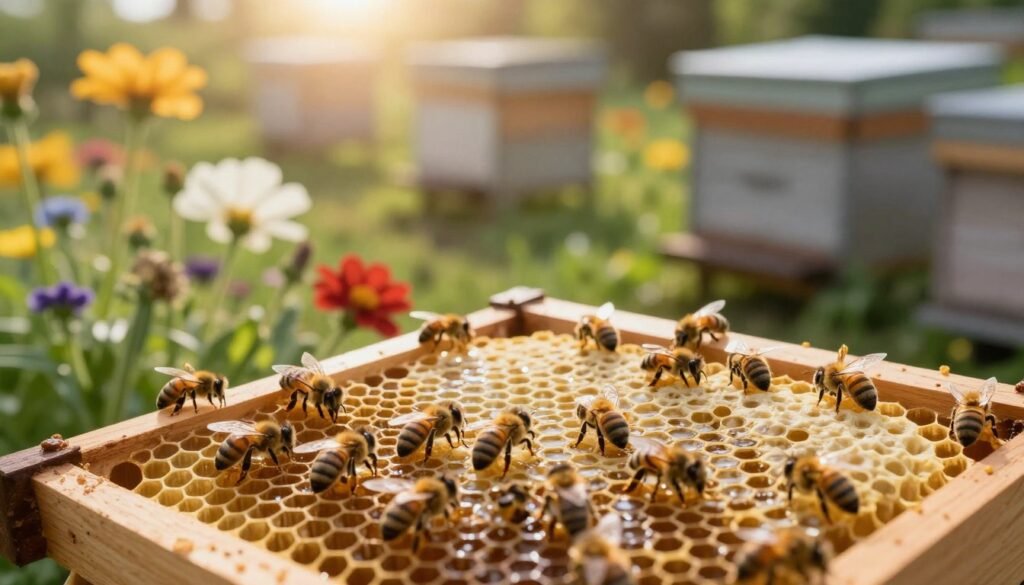
Focus first on workforce and forage. Keep a strong cohort of young bees during an active nectar flow so wax glands are supported by ample honey and pollen.
Coat starter strips or a thin layer on plastic foundation with clean, melted beeswax. This scent cue makes frames more attractive and helps guide straight building.
- Offer light syrup sparingly; only add if there is real space and need.
- Place new frames between drawn comb so the colony has a visual guide.
- Monitor cell progress and ensure the queen has room for laying.
“A little starter wax and good forage often triggers rapid, orderly comb construction.”
| Tip | Why it works | How to apply |
|---|---|---|
| Coat starter strips | Provides wax scent | Melt clean beeswax and brush on top bar |
| Interspace frames | Guides straight comb | Alternate new frames with drawn ones |
| Supplement during flow | Boosts energy for building | Feed 1:1 syrup only when foragers lag |
For step-by-step methods aimed at small-scale beekeeping, see a practical guide that helps encourage honey bees to build comb.
Avoiding Common Mistakes in Hive Management
A tidy, gradual approach prevents many common hive management errors. Add space only as the colony shows real need. Too many new frames or boxes at once leaves empty comb and slows progress.
Avoid placing empty frames in the middle of the brood nest. That gap can chill brood and disrupt the queen’s laying pattern.
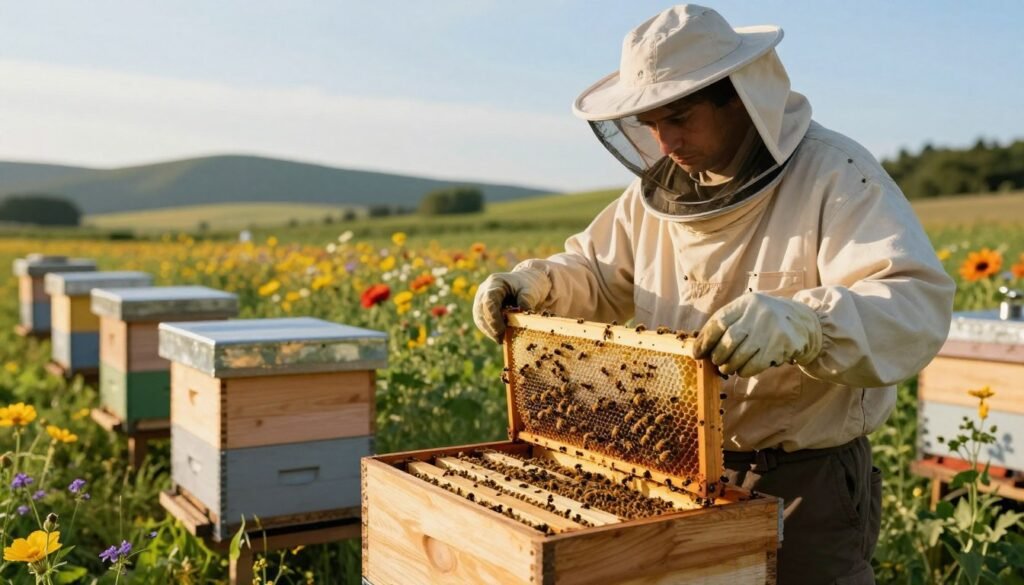
Do not force comb during a nectar dearth or late fall. Feeding syrup can help short-term, but a weak flow often means workers conserve energy rather than build new wax.
Check plastic frames for a good beeswax coating before you install them. Without a wax scent, the frame may sit untouched and frustrate the beekeeper.
- Don’t add large boxes or many new frames until the colony is strong and active.
- New beekeepers should wait at least one year before experimenting with foundationless beekeeping; learn basic hive flow first.
- Inspect boxes every few days during fast building—cross comb can form within days and is easier to correct early.
“Protect the brood and queen by adding space only as the colony justifies it.”
For a practical guide on foundationless methods, see foundationless beekeeping.
Balancing Natural Beekeeping Philosophies
Choosing an approach that honors nature while protecting colony health often takes several years of hands-on experience. Many find the appeal of low-intervention methods strong, yet practical management keeps a hive productive and robust.
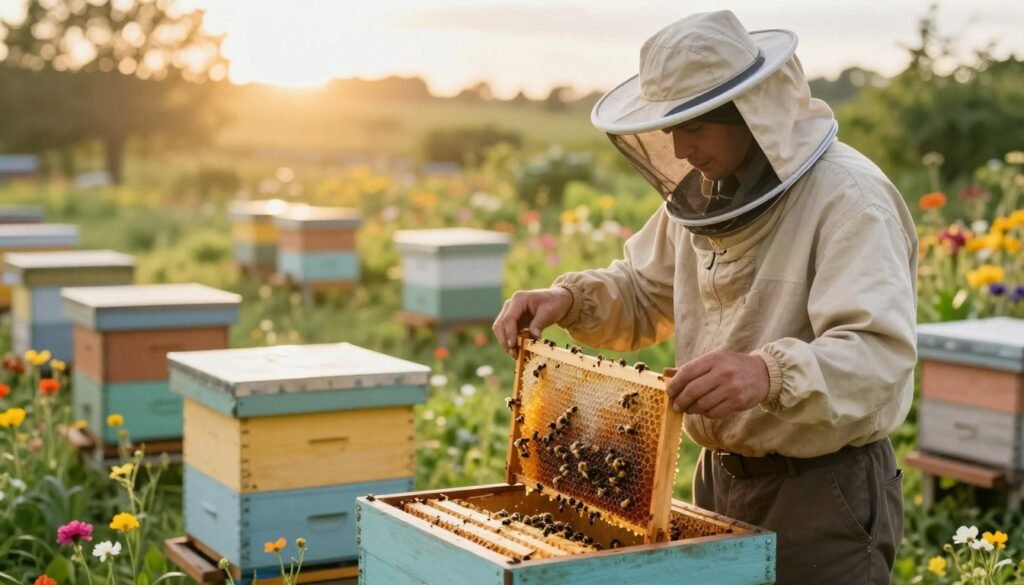
Michael Bush is a prominent advocate of foundationless methods and has influenced many who favor a more natural path. Still, no single type of practice fits every apiary or climate.
- Learn broadly: use varied resources and avoid rigid adherence to one doctrine; read both practical guides and naturalist views like foundationless methods.
- Equipment matters: plastic parts are convenient, but some prefer alternatives to keep hives closer to nature.
- Adapt with experience: each year offers new lessons; trust local results over distant theory.
Stay open. Take advice, test choices on a small scale, and prioritize a healthy colony over strict ideology. For growth strategies that blend theory and practice, see these expansion tips.
“Every beekeeper finds a personal balance; the aim is a thriving hive, whatever the chosen tools.”
Conclusion
Good beekeeping depends on patience, clear observation, and small, timely actions.
Watch colony signals and act only when the need is clear. Place new frames near drawn comb, support young workers with pollen and syrup sparingly, and use starter wax on plastic frames to help acceptance.
Prioritize colony health and seasonal timing over rigid methods. Test changes on a small scale and adjust based on real hive behavior.
Over time you will gain the judgment needed to solve comb issues and keep a productive, resilient hive.