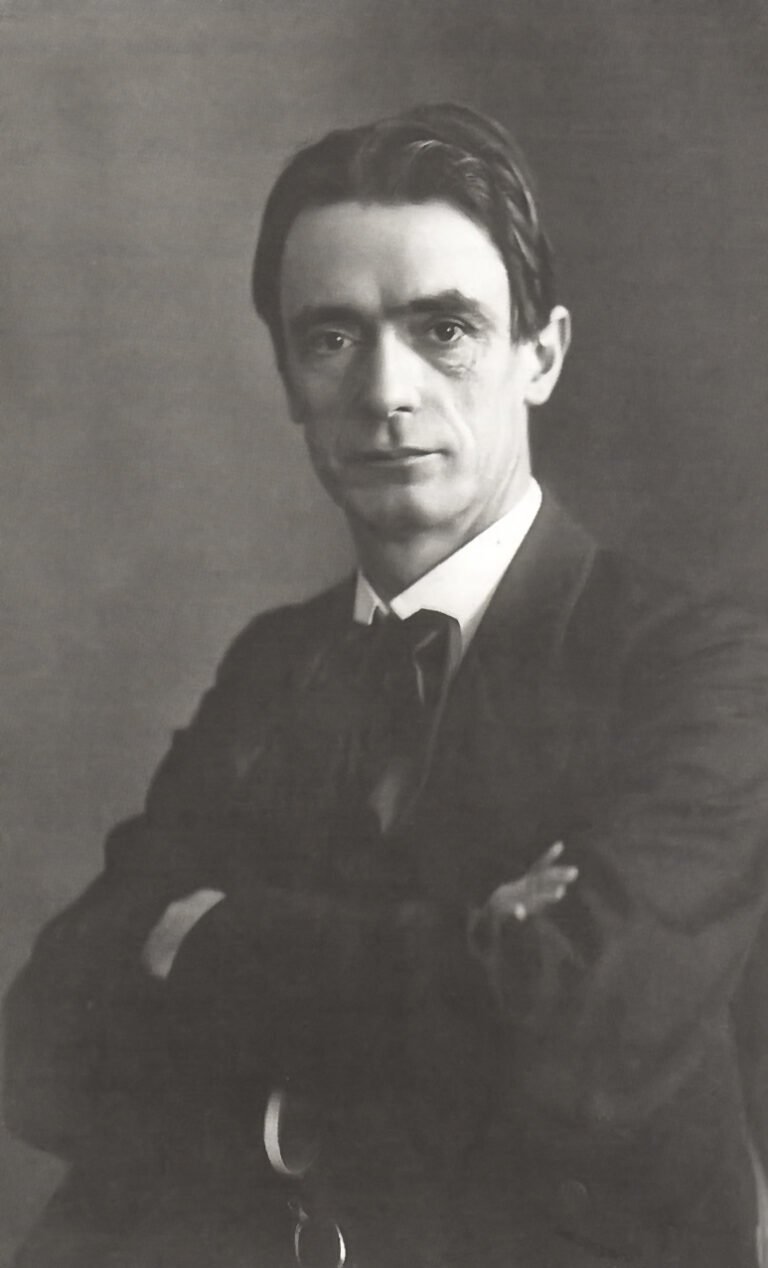
Rudolf Steiner’s 1923 Bee Lectures and the Biodynamic Beekeeping Movement
Rudolf Steiner's nine 1923 lectures on bees became the founding text of biodynamic beekeeping, still shaping Demeter certification and hives like the Sun Hive.

Rudolf Steiner's nine 1923 lectures on bees became the founding text of biodynamic beekeeping, still shaping Demeter certification and hives like the Sun Hive.

Iceland has no native honeybees. Every colony there today descends from bees deliberately imported since 1998, in a small apiary culture unusually free of Varroa.
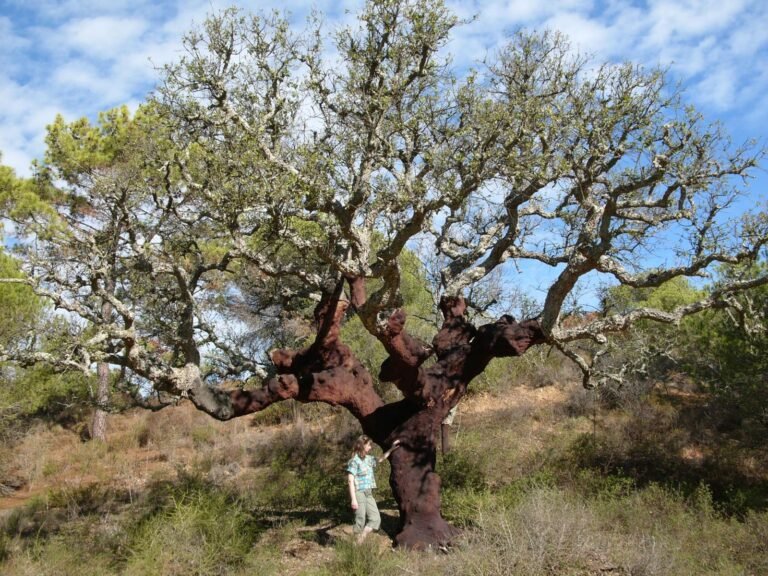
Cortiços are Portugal's traditional cylindrical beehives made from harvested cork bark, used since the Roman era and still kept today in the Barroso highlands.
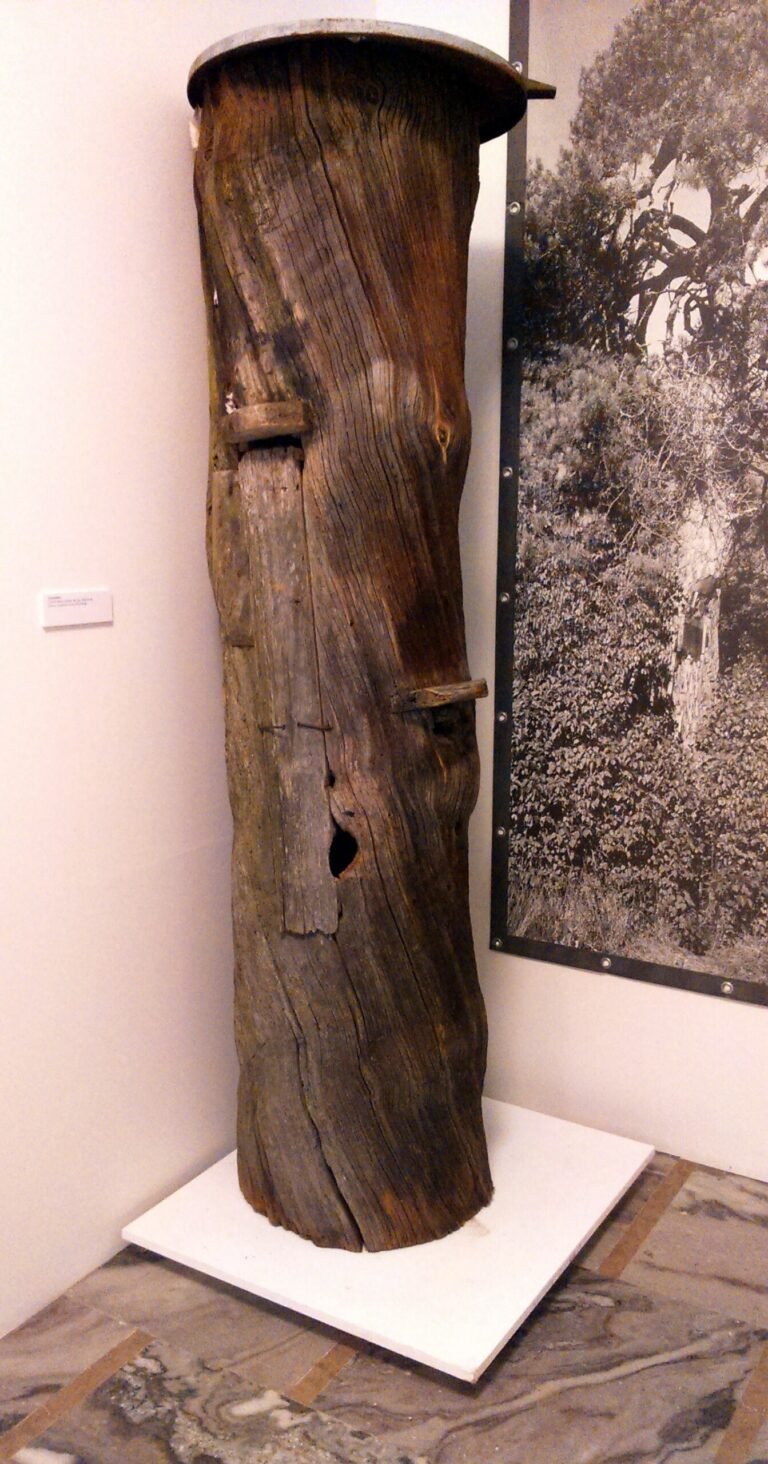
Bartnictwo is Poland's centuries-old tradition of tending bees in cavities carved into living trees, documented since the 13th century and inscribed on UNESCO's Representative List of Intangible Cultural Heritage in December 2020.
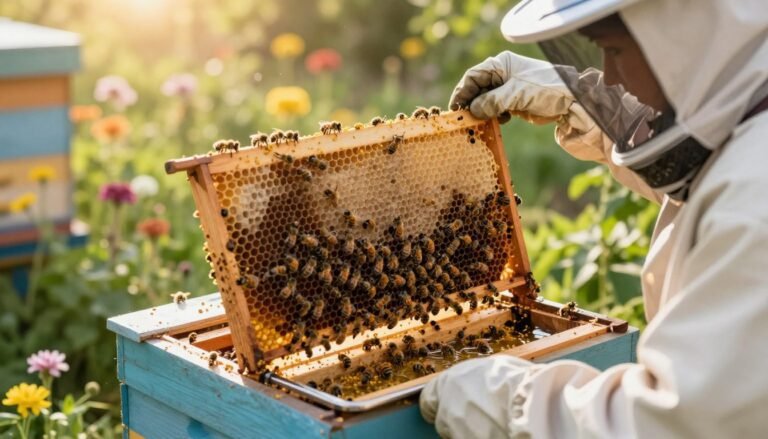
Deep in the pine and linden forests of the southern Ural mountains, in Russia’s Bashkortostan region, beekeepers still climb living trees using a leather climbing belt and spiked hand tools…

Ancient Egypt's organized beekeeping is documented as far back as the Niuserre temple relief (c. 2445-2421 BCE), the oldest known depiction of beekeeping, alongside the bee's role in royal titulary and mythology.