Recent Innovations in Hive Design
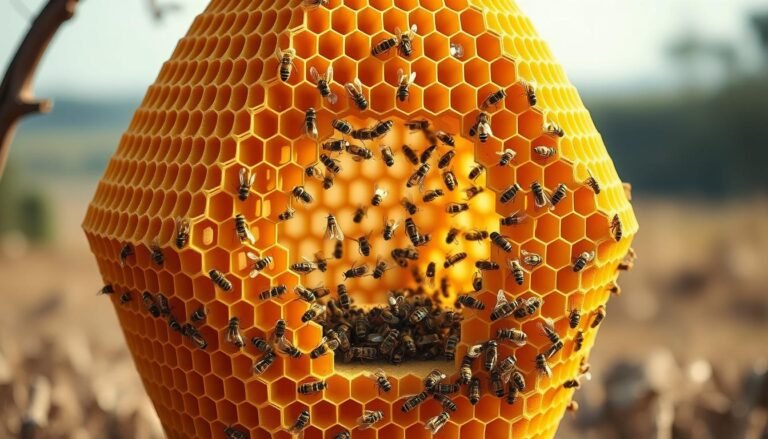
Explore the world of Hive hive design innovations with our expert review. Get insights into the newest designs, trends, and how they can transform your environment.


Explore the world of Hive hive design innovations with our expert review. Get insights into the newest designs, trends, and how they can transform your environment.

How honey bees produce and use pheromones, from the queen's cohesion-holding signal to the alarm call that triggers colony defense.
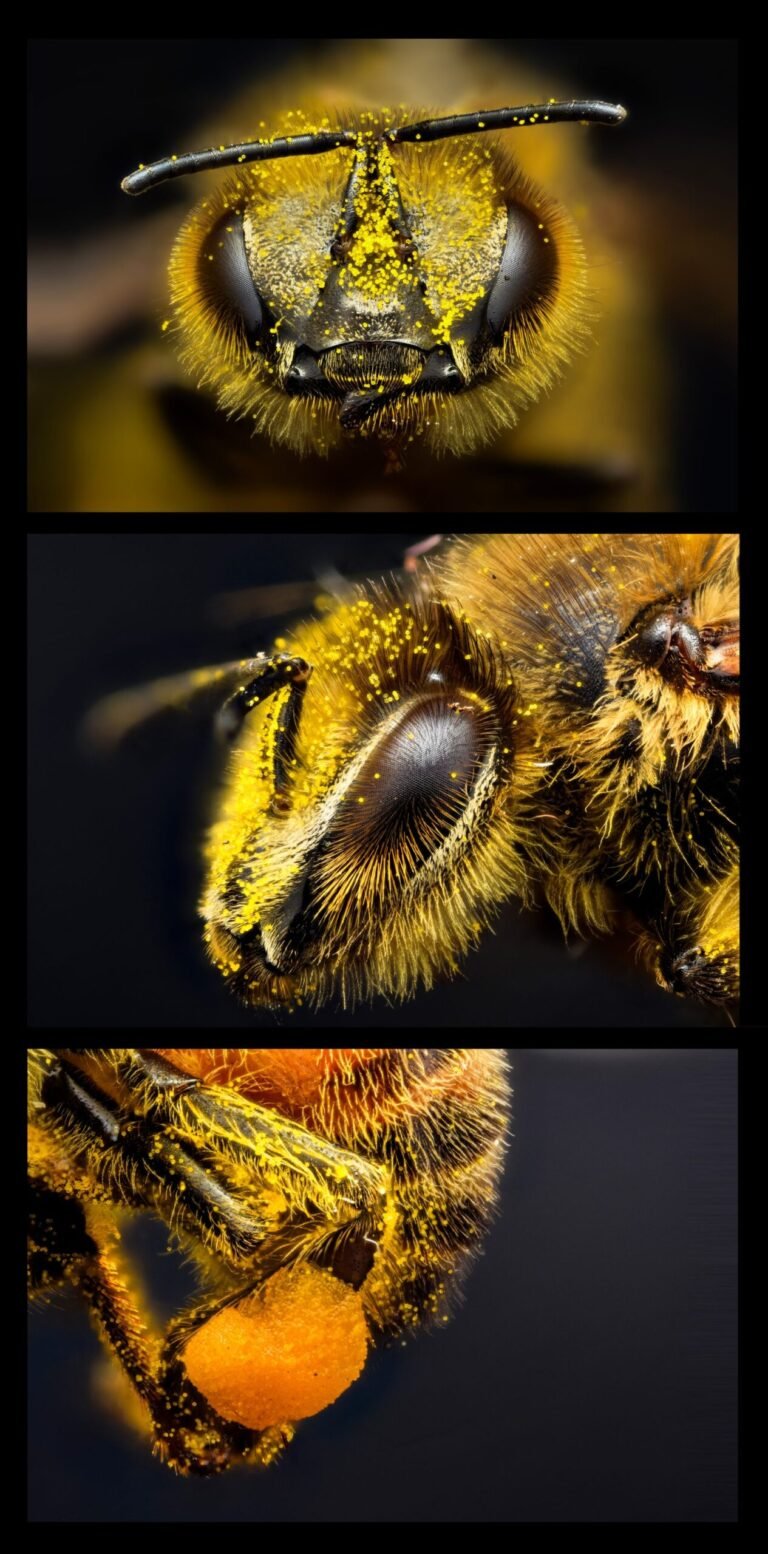
Pollen collection runs on static charge and a leg-driven packing mechanism, not just brute effort — here is how the corbicula works and how much pollen a colony really brings home.
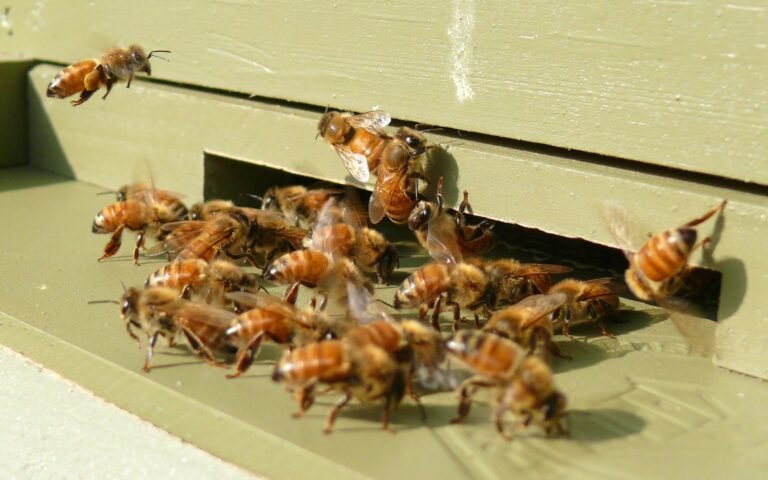
Bees groom themselves and each other constantly, and in some stock that same grooming reflex physically disables Varroa mites — here is how autogrooming, allogrooming, and mite-biting actually differ.
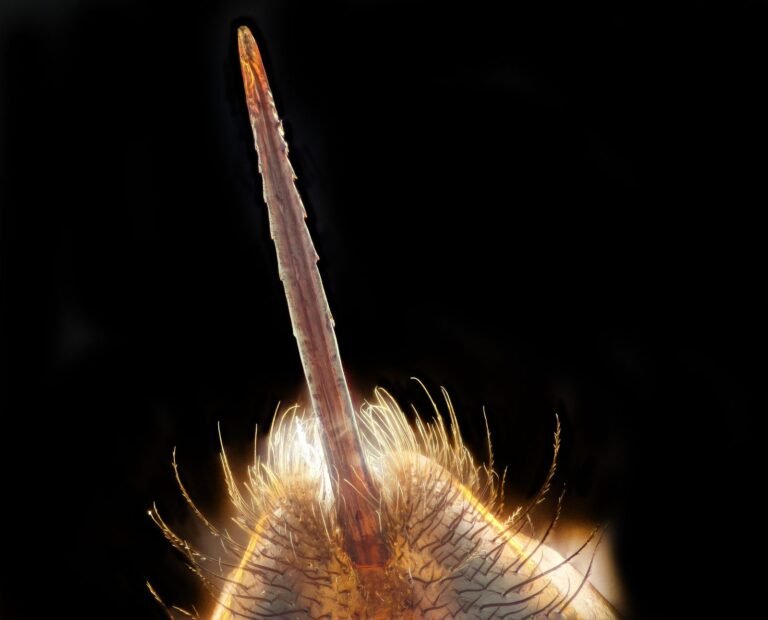
Honey bees warn each other of danger through a specific chemical released at the sting, not a general 'threat' cue — here is what the alarm pheromone actually does, how it differs from the vibrational stop signal, and what it means at the hive.

What bee venom actually is, what apitherapy research does and does not support, and the sting-reaction warning signs every beekeeper should know.

Is beekeeping sustainable? Yes at the right hive density and with colonies kept alive. What the research shows on U.S. colony losses, wild bee competition, disease spillover and hive density.

Neonicotinoid pesticides can measurably impair a honeybee’s navigation and foraging ability at concentrations far below what would kill her outright – a sublethal effect that’s proven harder for regulators to account for than acute die-offs. That gap between “not immediately…

Genetic research in recent years has traced the honeybee’s origin to the Middle East or northeastern Africa, unsettling decades of assumptions that had placed it in Asia instead. Even a species as thoroughly studied as Apis mellifera still has real…