Published December 7, 2025 · Last Updated August 26, 2026
Beekeeping in the United States has evolved from a traditional practice to a vital component of our agricultural system and a rewarding hobby for thousands of Americans. Whether you’re considering your first hive or looking to expand your apiary, understanding the unique aspects of beekeeping in the USA is essential for success. This guide explores the rich history, current trends, challenges, and opportunities that define American beekeeping today.
The Rich History of Beekeeping in USA
Early American beekeepers using traditional methods in the 19th century
Honey bees are not native to North America. European settlers brought the first honey bee colonies to the United States in the early 1600s. These bees, primarily the European dark bee (Apis mellifera mellifera), arrived in Virginia around 1622 and gradually spread westward as colonization expanded.
Native Americans called honey bees the “white man’s fly,” noting their arrival alongside European settlers. By the 1800s, beekeeping had become an established practice across the country, with innovations like the Langstroth hive (patented in 1852) revolutionizing honey production and colony management.
The 20th century saw beekeeping evolve from primarily honey production to a crucial agricultural service. Today, the economic value of honey bee pollination to American agriculture exceeds $15 billion annually, far outweighing the value of honey production itself.
Discover America’s Beekeeping Heritage
Interested in the fascinating evolution of beekeeping in America? Download our free illustrated timeline showing how beekeeping practices have changed from colonial times to the present day.
Current Trends and Statistics in US Beekeeping
The beekeeping landscape in the United States has changed dramatically in recent decades. According to the USDA, there are approximately 115,000-125,000 beekeepers nationwide, managing about 2.7 million honey-producing colonies. These beekeepers range from hobbyists with a few hives to commercial operations managing thousands of colonies.
| Category | Number of Beekeepers | Number of Colonies | Primary Focus |
| Hobbyist | ~100,000 | 1-10 | Honey for personal use, pollination of home gardens |
| Sideliner | ~10,000 | 11-300 | Local honey sales, small-scale pollination services |
| Commercial | ~2,000 | 301+ | Pollination services, wholesale honey production |
In 2020, American beekeepers produced approximately 148 million pounds of honey, with per capita consumption at about 1.51 pounds annually. While honey production remains important, many commercial beekeepers now derive their primary income from pollination services rather than honey sales.
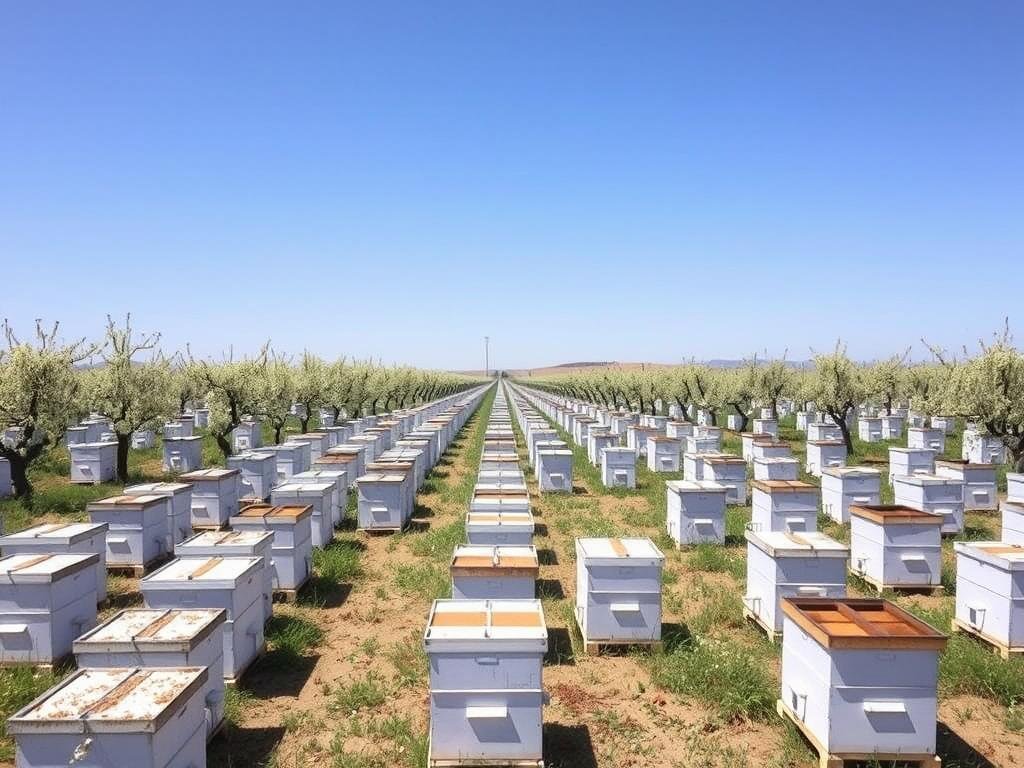
Commercial beehives placed for almond pollination in California
The practice of migratory beekeeping has become increasingly common, with beekeepers transporting hives across state lines to provide pollination services for various crops throughout the growing season. This practice is especially vital for crops like almonds in California, which require about 1.8 million colonies annually for pollination.
Major Honey-Producing States and Their Characteristics
While beekeeping occurs throughout the United States, certain states stand out for their honey production and unique beekeeping conditions. Understanding these regional differences is important for adapting beekeeping practices to local conditions.
North Dakota
Consistently ranks as the top honey-producing state, with approximately 38 million pounds annually. The state’s vast expanses of clover and alfalfa provide excellent forage for bees during the summer months.
Top Producer
California
While not the highest in honey production, California hosts the largest number of honey bee colonies due to the massive demand for pollination in almond orchards. The state’s diverse agriculture creates unique opportunities and challenges.
Most Colonies
Florida
Known for specialty honey varieties like orange blossom, tupelo, and mangrove. The warm climate allows for year-round beekeeping, though humidity and pest pressures can be challenging.
Specialty Honey
Montana
Produces high-quality light honey from alfalfa and clover. The short but intense flowering season results in productive colonies during summer months.
South Dakota
Consistently ranks among top honey producers thanks to abundant wildflower resources and favorable summer conditions for honey production.
Texas
Offers diverse nectar sources and a long growing season. The state is known for varietals like horsemint and mesquite honey, with beekeeping conditions varying greatly across its diverse regions.
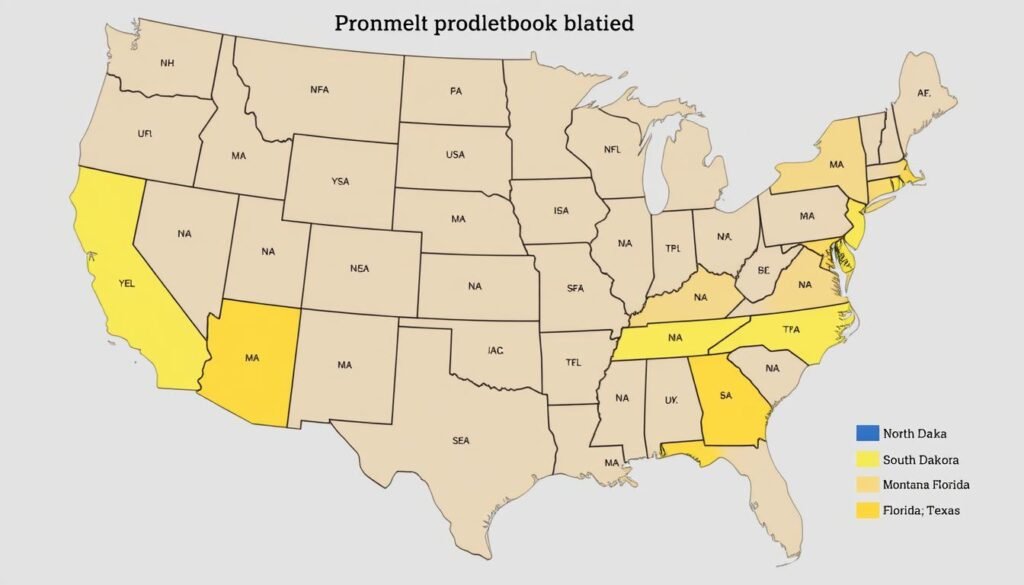
Major honey-producing regions across the United States
Regional differences in climate, flora, and beekeeping seasons significantly impact management practices. Northern states typically have shorter, more intense honey flows and require careful winter preparation, while southern states offer longer active seasons but face higher pest and disease pressures.
Challenges Facing American Beekeepers
Colony Collapse Disorder and Bee Health
Colony Collapse Disorder (CCD), first identified in 2006, continues to impact American beekeeping. This phenomenon, characterized by the sudden disappearance of worker bees from a colony, has contributed to higher-than-normal colony losses. While CCD has become less prevalent in recent years, annual colony losses remain concerning, averaging 30-40% nationally.

Beekeeper inspecting for Varroa mites and disease indicators
Parasites and Diseases
Varroa mites (Varroa destructor) remain the single greatest threat to honey bee health in the United States. These external parasites feed on both adult bees and developing brood, weakening colonies and transmitting viruses. Other significant health challenges include:
- Nosema disease (caused by microsporidian parasites)
- American foulbrood and European foulbrood (bacterial diseases)
- Small hive beetles and wax moths (pest insects)
- Various viral infections, often vectored by Varroa mites
Pesticide Exposure
Agricultural pesticides, particularly neonicotinoids, have been implicated in bee health issues. While direct mortality from acute exposure is concerning, sublethal effects that impair navigation, foraging efficiency, and reproduction may be equally damaging to colony health over time.
Climate Change Impacts
Shifting climate patterns affect flowering times, nectar production, and overwintering success. Extreme weather events like droughts, floods, and unseasonable temperatures can disrupt normal colony cycles and reduce forage availability.
Master Varroa Mite Management
Varroa mites are the #1 threat to honey bee colonies in the USA. Our comprehensive guide covers monitoring techniques and treatment options suitable for both conventional and organic beekeeping approaches.
Benefits of Beekeeping in the USA
For Commercial Beekeepers
Commercial beekeeping offers diverse income streams and the satisfaction of providing an essential agricultural service. Key benefits include:
- Pollination service contracts – Particularly lucrative for almond pollination in California, with fees ranging from $200-250 per colony
- Honey production and sales – Wholesale and retail markets for various honey varieties
- Queen and package bee production – Supplying starter colonies and replacement queens to other beekeepers
- Diversified products – Beeswax, propolis, pollen, and other hive products offer additional revenue streams

Harvesting honey – one of the many rewards of beekeeping
For Hobbyist Beekeepers
Hobbyist beekeeping has grown tremendously in popularity, particularly in suburban and urban areas. The benefits extend far beyond honey production:
Benefits of Hobbyist Beekeeping
- Harvesting your own honey and other hive products
- Improved pollination for gardens and local plants
- Educational opportunities for families and communities
- Connection with nature and seasonal rhythms
- Stress reduction and mindfulness practice
- Contributing to local bee population health
- Becoming part of a supportive beekeeping community
Challenges to Consider
- Initial investment in equipment and bees
- Learning curve for proper management
- Time commitment for hive inspections
- Potential for stings and allergic reactions
- Local regulations may restrict beekeeping
- Dealing with neighbors’ concerns
- Managing diseases and pests effectively
Many beekeepers report that the meditative quality of working with bees and the connection to natural cycles provides significant mental health benefits. The beekeeping community is also known for its generosity in sharing knowledge and supporting new beekeepers.
Getting Started with Beekeeping in the USA
Essential Equipment

Essential beekeeping equipment for beginners
Hive Components
- Langstroth hive (most common in USA)
- Bottom board
- Deep boxes for brood chamber
- Medium or shallow supers for honey
- Frames and foundation
- Inner and outer covers
Protective Gear and Tools
- Bee suit or jacket with veil
- Gloves
- Smoker
- Hive tool
- Bee brush
- Feeder
Acquiring Bees
There are several ways to acquire honey bees in the United States, each with advantages and considerations:
| Method | Description | Advantages | Considerations |
| Package Bees | 2-3 pounds of worker bees with a queen in a screened box | Readily available, easy to install, lower cost | Slower colony development, higher first-year feeding requirements |
| Nucleus Colony (Nuc) | 4-5 frames with established brood, honey, and laying queen | Faster development, established queen, may produce honey first year | More expensive, less available, potential disease transfer |
| Established Colony | Complete hive with all components and established colony | Immediate production, fully equipped | Highest cost, potential for hidden problems, difficult for beginners to manage |
| Swarm Capture | Collecting a wild swarm of bees | Free, environmentally beneficial | Unpredictable availability, unknown genetics, potential disease issues |
For beginners, package bees or nucleus colonies from reputable local suppliers are generally recommended. Order early (typically by January) for spring delivery, as suppliers often sell out quickly.
Ready to Start Your Beekeeping Journey?
Join our online beginner’s beekeeping course designed specifically for new beekeepers in the USA. Learn at your own pace with step-by-step video lessons, downloadable resources, and expert support.
Beekeeping Regulations in the United States
Beekeeping regulations vary significantly across the United States, with oversight occurring at federal, state, and local levels. Understanding and complying with these regulations is an essential part of responsible beekeeping.
Federal Regulations
At the federal level, regulations primarily focus on interstate movement of bees, disease control, and honey labeling:
- The USDA’s Animal and Plant Health Inspection Service (APHIS) regulates interstate movement of bees
- The FDA oversees honey labeling and food safety requirements
- The EPA regulates pesticides that may affect bees and beekeeping
State Regulations
State-level regulations vary widely but typically include:
- Hive registration requirements
- Apiary inspection programs
- Disease control measures
- Import restrictions for bees from other states
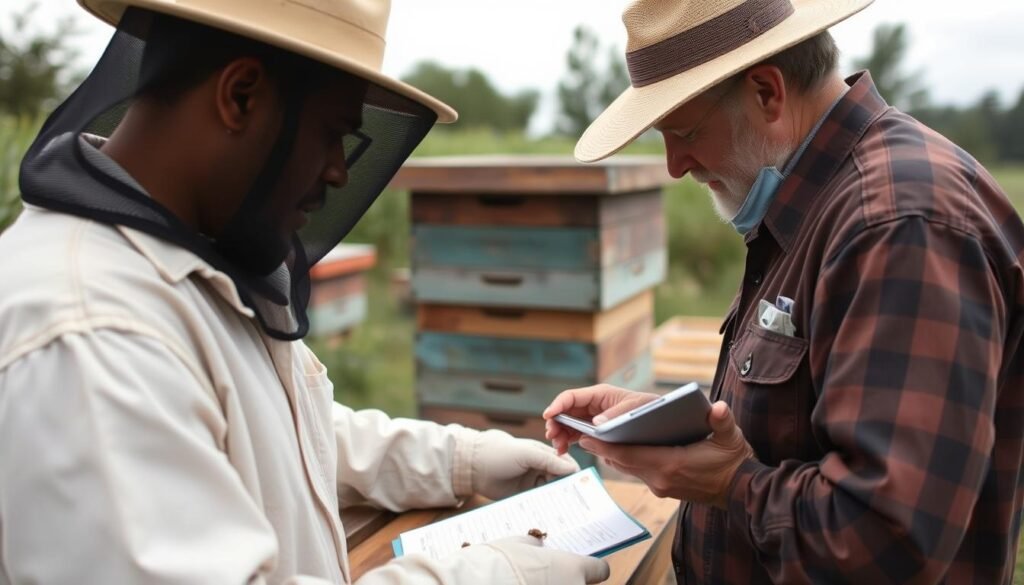
State apiary inspector conducting a regulatory hive inspection
Local Regulations
City, county, and homeowners’ association rules often have the most direct impact on beekeepers:
- Zoning restrictions on number of hives allowed
- Setback requirements from property lines
- Water source requirements
- Flyway barriers in populated areas
- Permits and registration with local authorities
Before starting a beekeeping operation, contact your state apiary inspector and local government offices to understand all applicable regulations. Many urban and suburban areas have become more bee-friendly in recent years, amending ordinances to allow responsible beekeeping.
“Always check local regulations before setting up hives. It’s much easier to start right than to address compliance issues later. Most regulatory officials are supportive of beekeeping when done responsibly.”
Economic Importance of Honeybees to American Agriculture
While honey production is valuable, the true economic impact of honey bees comes from their pollination services. Honey bees contribute an estimated $15-20 billion annually to U.S. agricultural production through improved crop yields and quality.
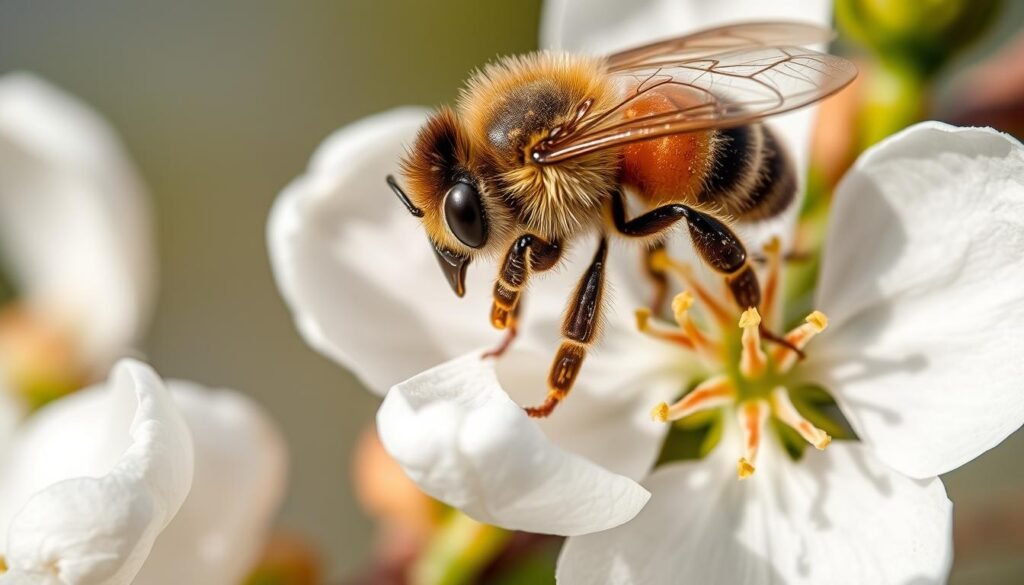
Honey bee pollinating almond blossoms – a $5+ billion service to California’s agricultural economy
Key Crops Dependent on Honey Bee Pollination
Almonds
California’s almond industry requires about 1.8 million colonies annually – approximately 85% of all available commercial hives in the USA. Without honey bees, commercial almond production would be impossible.
Berries
Blueberries, strawberries, raspberries, and blackberries all benefit significantly from honey bee pollination, with yield increases of 20-80% compared to self or wind pollination.
Tree Fruits
Apples, cherries, peaches, and plums rely heavily on honey bee pollination. For many varieties, inadequate pollination results in misshapen fruit with lower market value.
Vegetable Seed
Production of seeds for many vegetable crops depends on honey bee pollination, including onions, carrots, and brassicas.
Melons & Squash
Watermelons, cantaloupes, cucumbers, and squash varieties require insect pollination, with honey bees being the primary managed pollinator.
Forage Crops
Alfalfa seed production benefits from honey bee pollination, indirectly supporting the dairy and beef industries through improved forage crop yields.
The economic relationship between beekeepers and farmers has evolved into a symbiotic partnership. Farmers pay pollination fees to beekeepers, who transport colonies to crops during bloom periods. This arrangement provides essential income for beekeepers while ensuring optimal pollination for farmers.
Practical Tips for Beginning Beekeepers in the USA
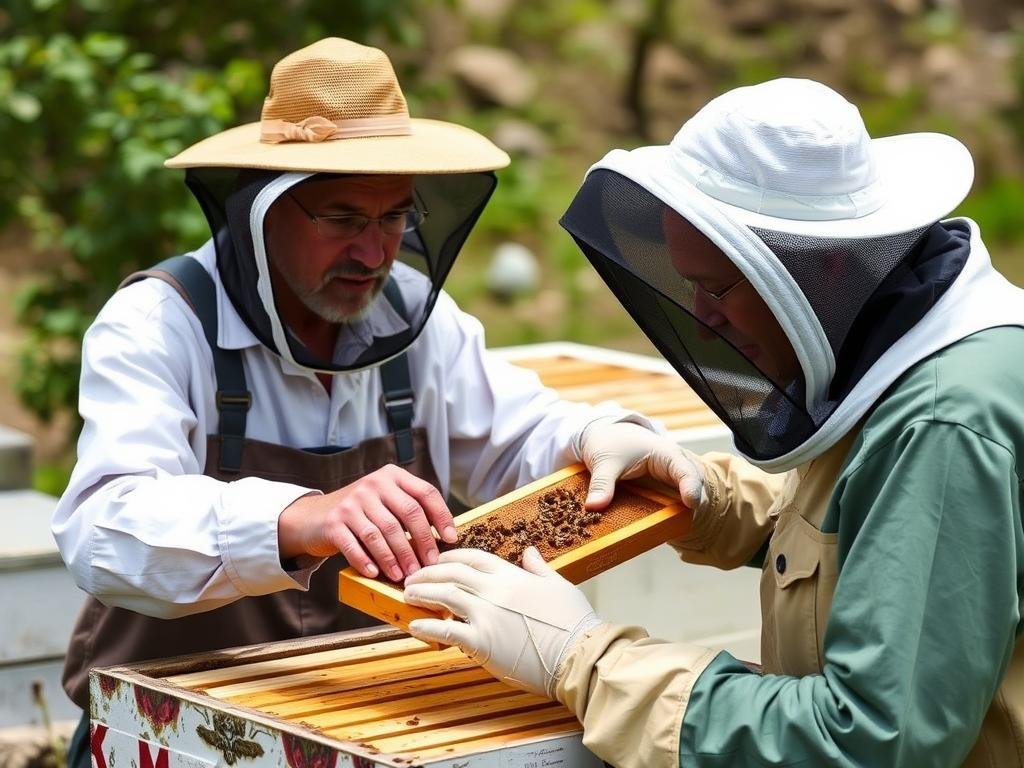
Mentorship is invaluable for new beekeepers
Before Getting Your First Bees
- Education first – Take a beekeeping course, read books, and watch instructional videos before investing in equipment
- Join local associations – Connect with experienced beekeepers in your area who understand local conditions
- Start small – Begin with 2-3 hives to spread risk while keeping the operation manageable
- Research local regulations – Ensure compliance with all applicable laws before setting up hives
- Plan your apiary location – Consider sun exposure, wind protection, water sources, and accessibility
First-Year Management Tips
- Focus on colony health, not honey production – First-year colonies rarely produce surplus honey
- Inspect regularly but not excessively – Every 7-10 days during active season is typically sufficient
- Feed when necessary – New colonies often need supplemental feeding to build comb and establish
- Monitor for pests and diseases – Learn to identify common issues and implement integrated pest management
- Keep good records – Document inspections, treatments, and observations to track colony progress
- Prepare for winter early – In northern states, begin winter preparations by late summer
Regional Considerations
Beekeeping practices vary significantly by region due to climate differences:
- Northern states: Focus on winter preparations, insulation, and ensuring adequate honey stores
- Southern states: Manage for heat stress, longer active seasons, and higher pest pressures
- Western states: Address water scarcity issues and seasonal drought conditions
- Eastern states: Navigate higher humidity and associated disease challenges
Resources for Beekeepers in the USA
National Organizations
American Beekeeping Federation
National organization representing beekeepers of all types. Provides education, advocacy, and an annual conference.
American Honey Producers Association
Represents commercial beekeepers with focus on policy issues affecting honey production and bee health.
Bee Informed Partnership
Collaboration between research institutions providing data-driven resources for beekeepers.
Educational Resources

Hands-on workshops provide valuable learning experiences for beekeepers
University Extension Programs
Many land-grant universities offer beekeeping courses, publications, and expert assistance through their extension services.
- Cornell University Pollinator Network
- Penn State Extension Beekeeping Resources
- University of California Agriculture and Natural Resources
State Beekeeping Associations
Most states have active beekeeping associations offering local knowledge, mentorship programs, and regular meetings.
These organizations often provide:
- Beginner courses
- Mentorship programs
- Equipment sharing
- Local queen sources
Online Learning
Digital resources for beekeepers continue to expand, offering flexibility for self-paced learning.
- Scientific Beekeeping (Randy Oliver)
- Honey Bee Health Coalition
- eXtension’s Bee Health community
- Beekeeping forums and social media groups
Connect with Local Beekeepers
Finding your local beekeeping community is one of the most valuable steps you can take as a new beekeeper. Local mentors understand the specific challenges and opportunities in your region.
Embracing the Beekeeping Journey
Beekeeping in the USA offers a unique blend of challenges and rewards. Whether you’re drawn to beekeeping for honey production, pollination services, environmental stewardship, or simply the fascinating world of honey bees, there’s never been a better time to get involved.
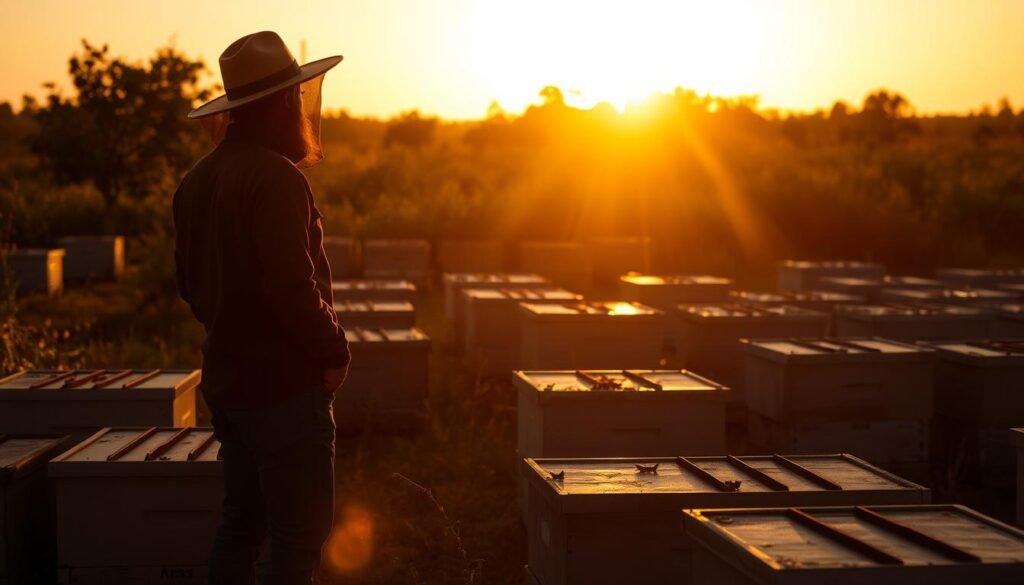
The rewards of beekeeping extend far beyond honey production
The American beekeeping community continues to evolve, adapting to new challenges while honoring traditional practices. By understanding the history, current landscape, and best practices outlined in this guide, you’re well-positioned to join this vibrant community and contribute to the future of beekeeping in the United States.
Remember that successful beekeeping is a journey of continuous learning. Start with solid education, connect with experienced mentors, and approach your beekeeping practice with patience and curiosity. Your efforts will not only reward you with fascinating insights and potentially delicious honey but will also contribute to the vital role honey bees play in our agricultural systems and natural environments.
Begin Your Beekeeping Journey Today
Ready to take the next step? Our comprehensive beginner’s guide includes equipment checklists, first-year management calendars, and state-by-state regulatory information to help you start successfully.
Further Reading
FAQ
Are honeybees actually native to North America?
No. Honeybees are not native to North America; European settlers brought the first colonies to Virginia around 1622, and they spread westward from there.
How has beekeeping in the USA evolved into its current form?
Beekeeping in the USA has evolved from a traditional colonial practice into a vital component of the agricultural system, supporting large-scale crop pollination alongside hobbyist beekeeping.
What should someone starting beekeeping in the US understand about the industry today?
They should understand the mix of history, current trends, and regional challenges that shape American beekeeping, since conditions and regulations vary significantly by state.