If you’ve bought a jar of blended honey in the European Union since mid-June 2026, the label probably looks different than it used to. New EU rules that took effect on June 14, 2026, under amending Directive (EU) 2024/1438, require every country of origin in a honey blend to be listed by name, in descending order by weight — a real change from the vague “blend of EU and non-EU honeys” wording that was legal right up until that date.
What the Old Label Said, and What the New One Has to Say
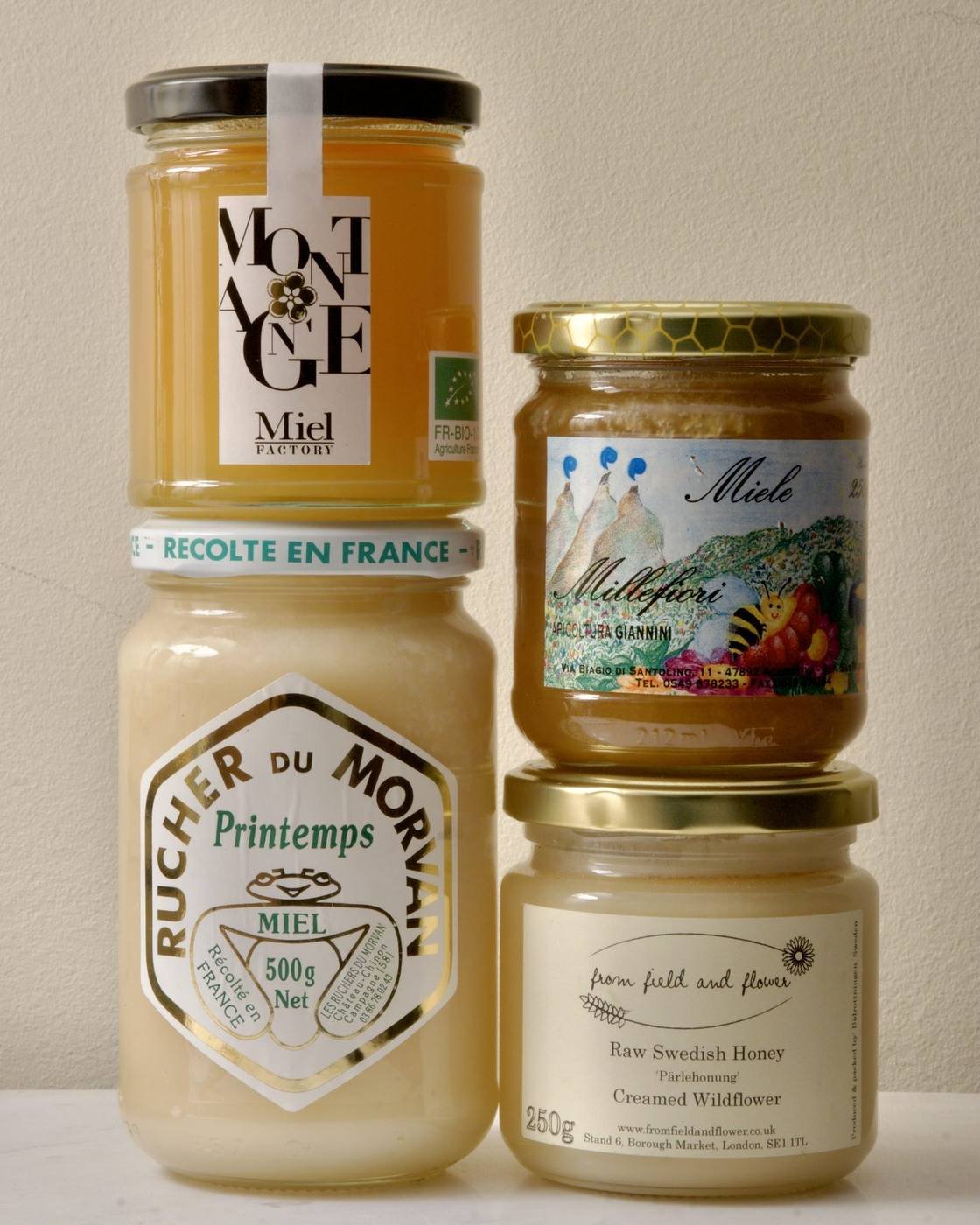
The previous rule let packers describe blended honey with generic phrases like “a blend of EU honeys” or “a blend of EU and non-EU honeys,” with no obligation to say which specific countries were actually involved or in what proportion. The new rule closes that gap directly.
| Before June 14, 2026 | After June 14, 2026 | |
|---|---|---|
| Origin disclosure | Generic (“blend of EU honeys”) | Every country of origin named individually |
| Order | Not specified | Descending order by weight |
| Percentages | Not required | Required for the top 4 countries when they exceed 50% of the blend combined (member states may set this threshold) |
| Label placement | Anywhere on packaging | Must appear in the principal field of vision |
Honey that was already produced, packaged, and labeled before June 14, 2026, is allowed to stay on shelves for a transition period under the old wording — so the older-style labels won’t disappear from stores overnight, but new production has to comply now. Regulators also built in a practical tolerance: individual country shares within a blend are allowed a 5% margin of error, calculated against the packer’s own traceability documentation, rather than demanding an impossible level of precision from a product that’s inherently a mix of many small-scale sources.
The Problem This Is Meant to Fix
The rule change didn’t happen in a vacuum — it follows years of EU concern over honey fraud and mislabeled blends, an issue this site has covered from the trade-scandal side in its piece on honey laundering. Vague blend labeling made it easy for cheaper, sometimes adulterated honey from outside the EU to be folded into a jar without a shopper having any real way to know how much of what they were buying actually came from where. Naming every country and requiring a weight-ordered list doesn’t stop adulterated honey from entering the supply chain on its own, but it does make the origin information on the label something a buyer can actually act on, rather than a phrase vague enough to mean almost anything.
It’s a different mechanism than the voluntary True Source Certified program this site has covered on the U.S. side — that’s an opt-in industry certification, while the EU’s new rule is a mandatory labeling law that applies to every blended honey product sold in the bloc, regardless of whether the packer wants to participate.
Frequently Asked Questions
Does this rule apply to honey sold outside the EU?
No — it applies to honey sold within the European Union. Honey sold in the U.S. or other markets isn’t affected unless the same product is also sold into the EU.
Does the new label mean the honey is less likely to be fake?
Not directly. The rule addresses origin transparency, not authenticity testing. It makes misleading vague blending harder to hide, but it isn’t a fraud-detection mechanism on its own.
Can old-style honey labels still legally appear on shelves?
Yes, temporarily. Honey produced, packaged, and labeled before June 14, 2026, can remain on the market under the previous labeling rules for a transition period.
What exactly has to appear on the label now?
Every country of origin in a blend, listed in descending order by weight, placed in the principal field of vision — with percentage disclosure for the top countries required in some member states once their combined share passes 50%.
How much margin of error is allowed in the percentages?
Regulators built in a 5% tolerance per country, calculated against the packer’s traceability documentation, acknowledging that exact precision isn’t realistic for a blended commodity sourced from many small producers.