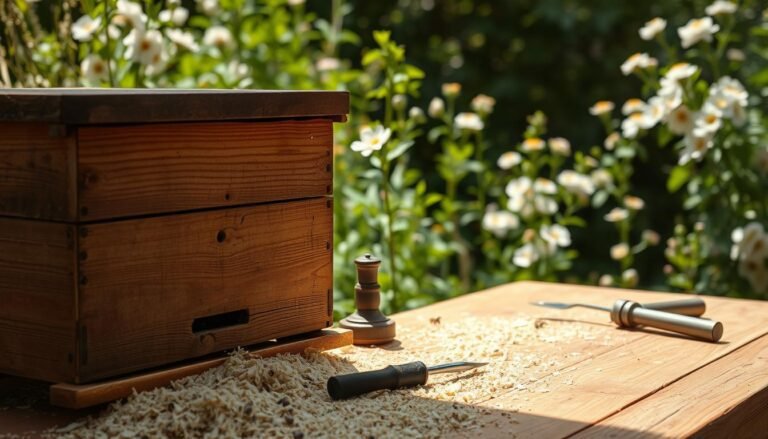
Bee-collected propolis is a dark, resinous substance bees make by blending tree resins, beeswax, pollen, and enzymes to seal and sterilize the hive.
The raw substance contains wax, wood scraps, and bee parts that dilute helpful compounds. Controlled extraction concentrates bioactive compounds like flavonoids, phenolic acids, and essential oils for safe, reproducible health products.
This how-to guide outlines the process from preparing raw material to choosing a solvent and finishing a stable product. High-level steps include freezing and grinding to raise surface area, selecting a solvent, soaking with agitation, filtering, and concentrating the extract.
Ethanol is common because it dissolves both water- and fat-soluble components; alcohol-free choices such as propylene glycol, oils, water, and green options like supercritical fluid extraction are also covered.
Quality hinges on hive source, temperature control, and protection from light and oxygen. For composition details see a review on compound profiles and standards at bioactive molecule profiles, and for collection context consult bee propolis collection practices.
Key Takeaways
- Propolis is a versatile hive resin that needs cleaning to reveal health-relevant compounds.
- Extraction concentrates active compounds while removing wax and debris for reliable products.
- Common solvents: ethanol (broad solvency), propylene glycol, oils, water, and SFE for heat-sensitive molecules.
- Core steps: freeze, grind, soak/agit, filter, and concentrate to match intended products.
- Process control and testing ensure consistency, safety, and desired properties in U.S. products.
What propolis is, why bees use it, and why we extract it for health
Worker bees collect sticky plant resins and transform them with wax and enzymes into a multifunctional, resinous substance used throughout the hive.
Known as “bee glue,” propolis helps narrow entrances, seal cracks, and sterilize surfaces, creating a cleaner system that supports colony resilience.
Composition is concentrated: about 45–55% resins, 25–35% wax and fatty acids, ~10% essential oils and aromatic phenolics, ~5% pollen, and roughly 5% other organics. Over 240 constituents have been reported.
From hive “bee glue” to human-use extract: the role of this resinous substance
Beekeeping notes show propolis builds up near light or drafts, so source and timing matter before any extraction process begins.
Key compounds to concentrate: flavonoids, phenolic acids, essential oils, and their benefits
Processors remove inert wax, wood fragments, and bee parts to concentrate flavonoids and phenolic acids. These compounds underpin antimicrobial, antioxidant, antiviral, and anti-inflammatory properties that explain many health benefits of propolis-based preparations.
- Hive use: structural sealing and hygiene.
- Human goal: concentrate bioactive compounds and reduce inert content for safe products.
Medicinal-grade propolis extraction: step-by-step methods and solvents
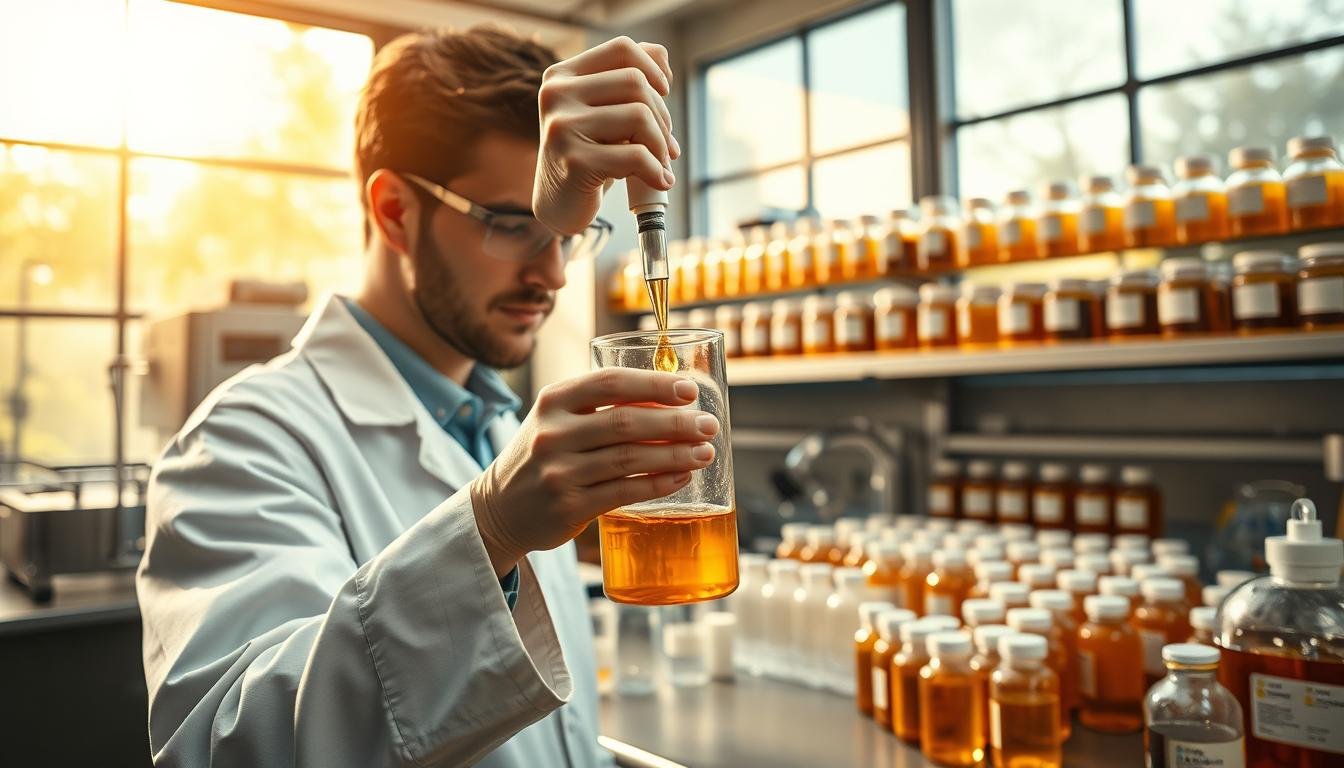
Begin with clean, frozen material: favor trap-collected raw propolis, remove visible debris, then freeze to make it brittle and grind to increase surface area. Two cleaning options work well: soak scrapings so wax and debris float while resin sinks, or heat in an oven-proof pan with 2–3 inches of water at 200°F for about two hours, skim the wax, then dry.
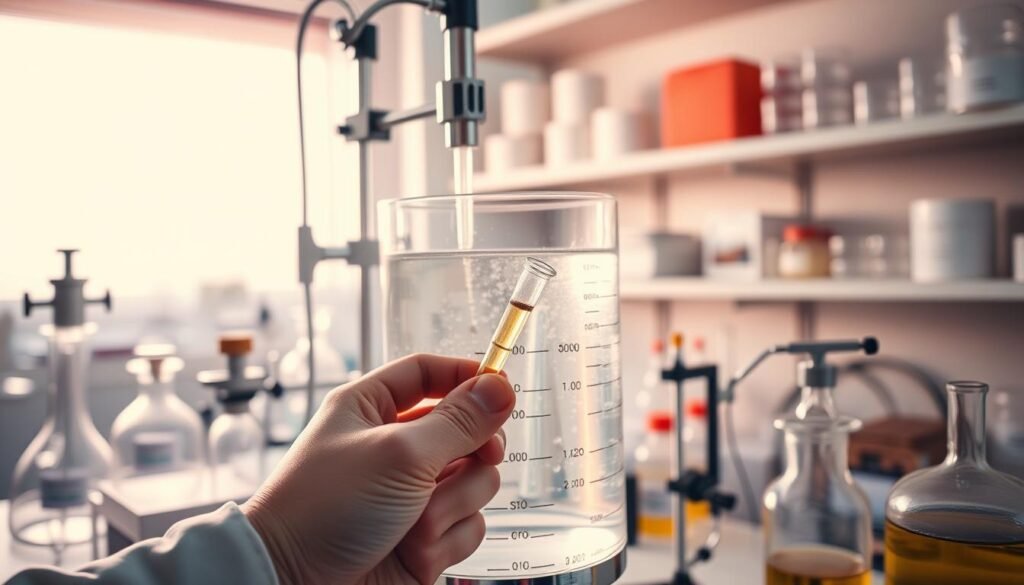
Ethanol is the gold-standard solvent. Use 70–80% ethanol at roughly a 1:10 (w/v) ratio, agitate daily for 1–2 weeks, then filter through mesh and paper. Gently evaporate ethanol to raise concentration while protecting phenolic acids and flavonoids. Use only food-grade alcohol (≥130 proof); never use denatured or rubbing alcohol for ingestible products.
- Propylene glycol mirrors the ethanol method at lower temperatures and longer times. It preserves heat-sensitive compounds and suits alcohol-free formulations.
- Water steeping recovers water-soluble compounds but yields less; refrigerate the liquid to avoid spoilage.
- Oil maceration at 60–80°C in olive or coconut oil pulls fat-soluble actives for balms and oral care.
- SFE (supercritical CO2) offers green, low-temperature selectivity for high-value extracts and is moving toward capsule-ready powders.
Compare solvents by polarity, target compounds, time, and end use to select the right method. For a deeper look at practical techniques and sourcing, see detailed extraction techniques.
Quality, safety, and consistency controls for a medicinal-grade final product
Quality control begins long before processing — it starts with where and when hive material is collected.
Starting material matters. Document hive location, season, and plant resin origin in a sourcing SOP. Use trap-collected or cleaned raw propolis to reduce wax and pollen that dilute content.
Source and cleaning
Record keeping ties field notes to lab results. Clean batches using flotation or controlled oven cleaning at ~200°F to remove wax and debris. This step reduces variability in the resulting extract and protects key compounds.
Process controls
Select only food-grade solvent choices for human consumption and monitor temperature tightly. Shield batches from light and oxygen to protect sensitive flavonoids and phenolic acids.
Filtration, concentration, and standardization
Move from coarse screens to paper and membrane filters so the resulting extract is particle-free. Use gentle alcohol removal to reach target concentration without degrading properties.
“Analytical testing and a documented quality system are essential to confirm potency and safety.”
- Define target concentration ranges and solvent residual limits for the final product.
- Run assays to quantify flavonoids, phenolic acids, and screen contaminants.
- Log process parameters and use corrective actions when results deviate.
Translating extracts into products and applications for the U.S. market
Packaging choices and solvent selection determine whether an extract best fits a tincture, capsule, spray, or balm. Match method to use case early to save reformulation time and meet U.S. labeling and safety expectations for human consumption.
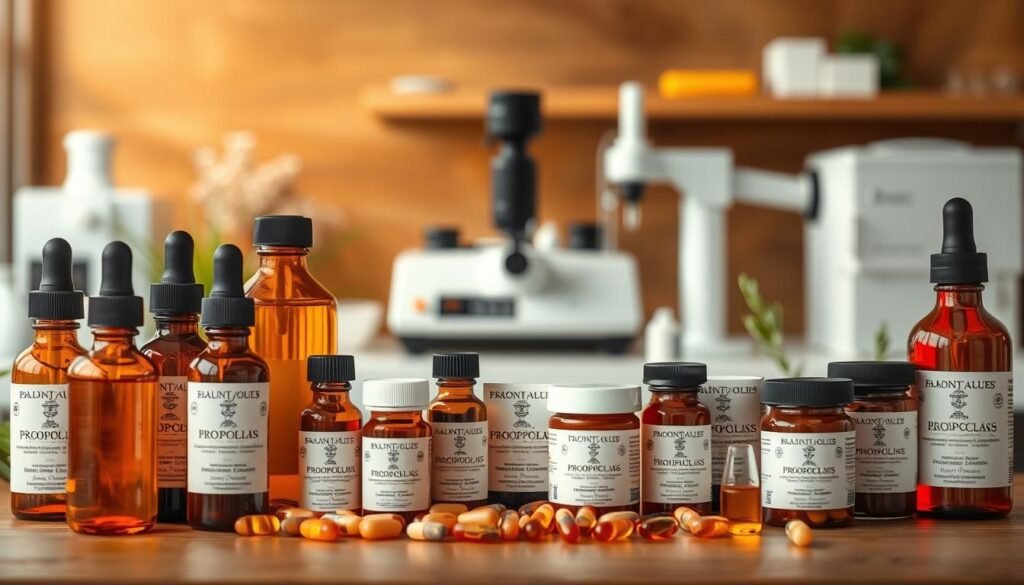
Mapping methods to common product formats
Ethanol-based extracts are potent and stable. They suit tinctures for adults and capsules for precise dosing. Evaporation tailors strength and shelf life.
Propylene glycol works well in alcohol-free mouth sprays, mouthwash, and many cosmetics. It helps preservation and blends into water-compatible care products.
Water extracts fit throat sprays and children’s formats where alcohol is undesirable. Expect lower levels of some compounds and plan refrigeration for stability.
Oil extracts are ideal for balms, salves, and oral/gum care. Choose olive or coconut oil to tune texture, absorption, and sensory appeal.
- SFE outputs support premium cosmetics and solid-dose items; powders compress into capsules and tablets with consistent performance.
- Mixing powdered extracts into crystallized honey creates user-friendly products that balance taste with claimed health benefits.
Label clearly for solvent type, dose, and guidance for human consumption. Keep wax out of finished goods and translate hive and beekeeping origins into honest brand stories that educate about compounds and properties without overreach.
Conclusion
Method choice shapes the potency, stability, and compliance of every finished extract. Ethanol still offers broad recovery and shelf life, while propylene glycol, water, and oil suit specific formats. Supercritical fluid work provides a low‑temperature, selective path for delicate compounds.
Across approaches, keep material clean, control temperature/light/oxygen, filter well, and standardize concentration. Good process control preserves target properties and reduces batch variation from hive and beekeeping factors.
Test and document. Validate active content, match claims to results, and choose the method that aligns with consumer expectations, regulatory needs, and your formulation plan so final products scale reliably.
FAQ
What is propolis and why do bees use it?
Propolis is a resinous substance bees collect from tree buds and plant exudates. Bees use it as “bee glue” to seal hive cracks, smooth internal surfaces, and protect the colony from microbes. For humans, concentrated extracts capture bioactive flavonoids, phenolic acids, and essential oils that support topical care and certain wellness applications.
Which compounds in propolis are most important for health products?
Key compounds include flavonoids, phenolic acids, and volatile oils. These contribute antioxidant and antimicrobial properties. Standardizing levels of these markers helps ensure consistent potency in tinctures, capsules, throat sprays, and skincare formulations.
How is raw material prepared before processing?
Proper sourcing and handling start with clean hive material and seasonal tracking. Beekeepers freeze raw pieces to harden the resin, then grind or mill to increase surface area. Removing wax, debris, and pollen improves solvent contact and yield.
Why is ethanol often considered the gold-standard solvent?
Ethanol efficiently dissolves a wide range of polar and semi-polar constituents, producing high-yield, broad-spectrum extracts. Typical steps include measured propolis-to-ethanol ratios, regular agitation, filtration, and careful evaporation to concentrate actives while protecting heat-sensitive compounds.
When should propylene glycol be used instead of ethanol?
Propylene glycol serves as an alcohol-free option suitable for heat-sensitive compounds and formulations intended for populations avoiding ethanol. It extracts many actives, works well in topical and oral products, and often blends easily into finished gels or liquids.
What are the limits of water-based extraction?
Aqueous extraction is simple and safe but yields fewer lipophilic and semi-polar compounds. It suits specific product types where an alcohol-free profile is required, but you’ll generally get lower concentrations of flavonoids and phenolic acids compared with alcohol or glycol extracts.
How does oil extraction differ and when is it used?
Oil extraction targets fat‑soluble constituents and delivers a stable vehicle for topical or oral-care products. It’s ideal for formulations like balms or cosmetic serums where alcohol is undesirable. Oils may extract different actives and often require longer contact times or gentle heat.
What advantages does supercritical fluid extraction (SFE) offer?
SFE, often using CO2, provides selective, green extraction at low temperatures. It minimizes thermal degradation and yields solvent‑free concentrates with preserved volatile compounds. This method suits premium products where solvent residues and heat degradation are major concerns.
How do manufacturers control quality and consistency?
Quality control begins with traceable hive sources and seasonal records. During processing, teams manage solvent choice, temperature, and exposure to light and oxygen. Filtration (paper or membrane), solvent removal, and analytical testing for marker compounds ensure the final product meets specifications for safety and potency.
What filtration and concentration steps are commonly used?
After maceration or extraction, solids are removed with paper or membrane filters. Concentration follows via gentle evaporation, rotary evaporation, or reduced-pressure systems to remove solvent without degrading heat-sensitive actives. Final standardization may involve blending batches to target marker levels.
How are extracts formulated into U.S. market products?
Manufacturers match extraction method to the intended use: ethanol tinctures for oral drops, glycol or glycerin-based extracts for alcohol-free syrups, oil-based concentrates for balms and cosmetics, and standardized solids for capsules. Regulatory labeling, safety testing, and good manufacturing practices guide product development for U.S. consumers.
Are there safety or regulatory considerations for finished products?
Yes. Products intended for human consumption or topical use must comply with FDA regulations and include accurate ingredient labeling. Testing for contaminants, solvent residues, and allergen declarations helps ensure consumer safety. Manufacturers follow good manufacturing practices and often perform microbial and stability testing.
How do seasonal and geographic differences affect raw input?
Plant sources vary by region and time of year, which changes the chemical profile of hive-collected resin. That variability affects yield and active compound ratios, so sourcing transparency and batch testing are essential to maintain consistent product performance.
Can heat damage the active compounds during processing?
Yes. Many bioactive constituents are heat-sensitive. Process control strategies—low-temperature evaporation, short exposure times, and alternatives like SFE—help preserve volatile oils and phenolic compounds during concentration and solvent removal.