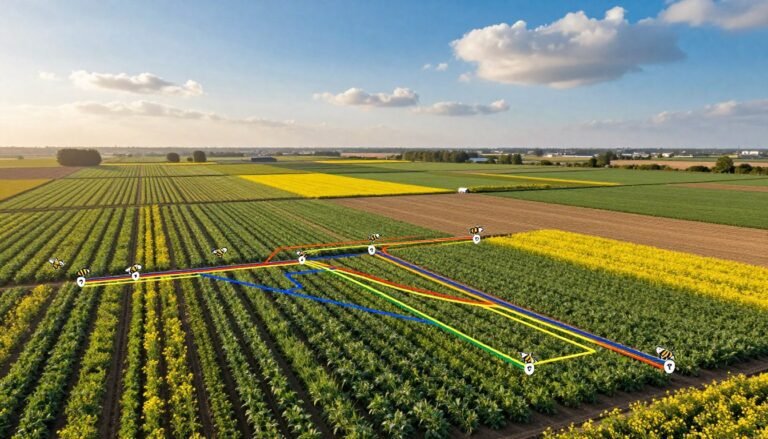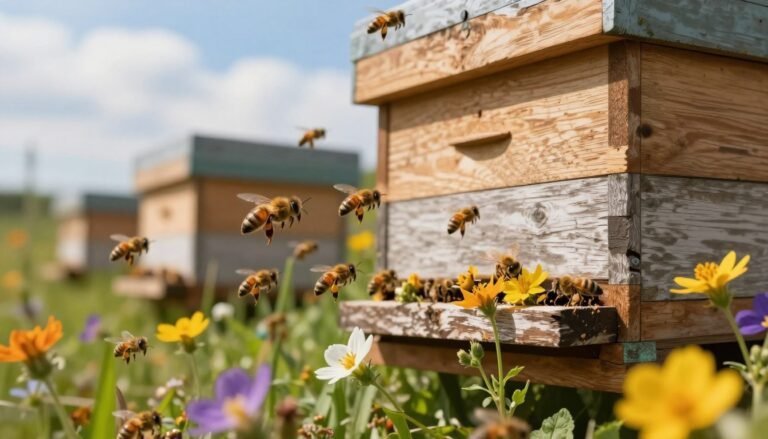
Urban landscapes across the Pacific Northwest host hundreds of bee, butterfly, moth, and fly species. These beneficial insects rely on safe, chemical-free spaces to thrive.
Learning how to reduce drift in pollination yards is essential for homeowners who manage small plots that act as vital ecological niches. Protecting these areas from unintended pesticide exposure helps maintain local biodiversity and supports garden health.
Practical, professional techniques can lower the impact of external contaminants. They help ensure that neighboring applications do not harm pollinators and that your yard remains a safe haven for many species.
With a few targeted steps, you can strengthen habitat resilience and keep beneficial insects active in home and community landscapes across the United States.
Key Takeaways
- Small urban plots play a big role in supporting pollinator diversity.
- Protecting sensitive areas limits unintended chemical exposure.
- Practical site management reduces risks from neighboring treatments.
- Simple, professional measures foster resilient garden ecosystems.
- Maintaining safe habitat helps pollinators continue vital services.
Understanding the Impact of Pesticide Drift on Pollinators
Tiny residues carried off-site can spell big trouble for bees and other beneficial insects. Even small amounts of pesticide on leaves or flowers may harm visiting pollinators. This section explains key risks and why careful management matters.
The sensitivity of bees to residue
The Sensitivity of Bees to Residue
Research shows that bees are highly sensitive to pesticide residue. Contact or contaminated nectar can impair navigation, reproduction, and development.
The 2013–2014 bumble bee die-offs in Oregon highlighted how systemic insecticides moved through plants and contaminated pollen and nectar.
Chronic Toxicity Risks
Low-dose exposure can build up over time. Neonicotinoids and other products may cause chronic toxicity that weakens colonies.
Fungicides can worsen risk by hampering insects’ detox systems, increasing the harm when combined with other chemicals.
Protecting native bees, honey bees, and butterflies means understanding product pathways: soil uptake, plant transport, and contact on flowering crops and weeds.
- Small residues on pollen or leaves can be lethal for sensitive species.
- Ground-nesting insects face added exposure from contaminated soil.
- Awareness of toxicity is the first step in protecting habitat and food sources.
How to Reduce Drift in Pollination Yards
Choosing the right location and plant mix can prevent many exposure risks for pollinators.
Read the product label before any application. The label gives legal directions and the correct method for the specific site and conditions. When a pesticide product is used, follow mixing and spray instructions exactly.
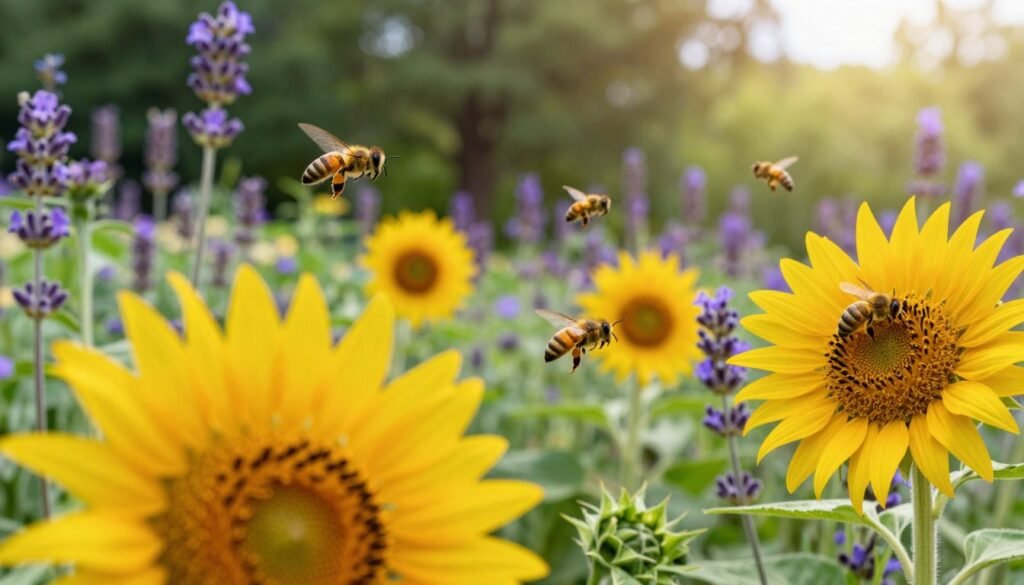
Pick calm times for applications. Wind speed and direction matter; a still morning or evening lowers the chance that sprays move off site. For example, applying during low wind and cooler time reduces risk to nectar and pollen.
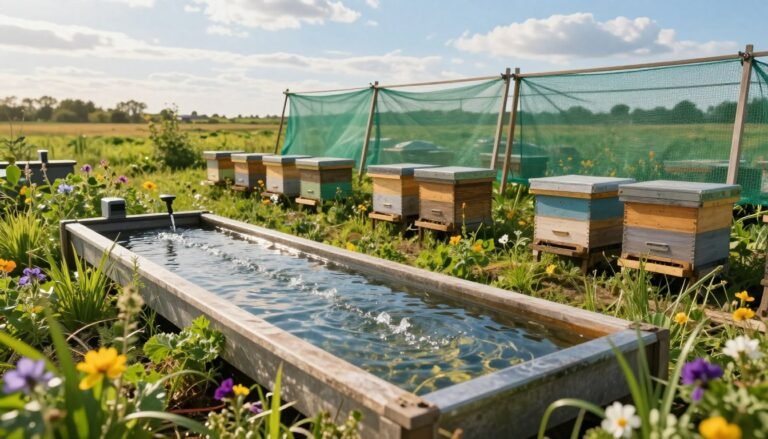
Create a buffer zone with physical barriers and nonflowering shrubs. Protect soil and adjacent habitat so chemicals do not reach nesting areas. Seek local extension information for region-specific guidance.
- Select hardy, pest-resistant plants to limit product use.
- Monitor regularly so issues can be treated with targeted, low-toxicity options.
- Remember that even labeled products can harm bees if applied during peak foraging times.
Identifying Common Sources of Chemical Exposure
Local pest-control sprays are a frequent, hidden source of chemical exposure for backyard pollinators. Many private services use fine mists that spread beyond the intended target and land on nearby plants and soil.
Mosquito fogging and mist applications deserve special attention. A 2025 Xerces Society study found private mosquito sprays left pyrethroid levels up to 34 times lethal for bees. These residues contaminate nectar, pollen, and honey that colonies collect.
Homeowner-applied insecticides can travel more than 100 meters. That distance puts flowering plants and ground-nesting bees at risk even when the target pest is on a neighbor’s property.
The University of Nevada, Reno research shows small-scale pesticide use can harm butterflies and caterpillars for weeks. Always follow the product label when you use an application and watch your site for signs of contamination.
- Private services often cause more off-site contamination than municipal programs.
- Discuss targeted, lower-toxicity alternatives with neighbors and service providers.
- Monitor plants and soil after nearby sprays and report suspicious bee losses.
Communicating with Neighbors About Spray Schedules
Open conversations with neighbors often prevent accidental contamination of garden plants and visiting bees. A short, respectful note or a neighborhood message asking for spray dates gives you time to protect flowers and nesting sites.
Request at least 24 hours’ notice when someone plans an application. That window lets you cover blossoms with frost blankets or move sensitive pots out of reach.

Share clear information on why bees and other pollinators matter. Offer resources such as a local pollinator-friendly gardening guide and suggest less toxic products or granular formats that lower drift.
If a professional service is involved, call the company and ask for low-pressure nozzles or targeted application. Many people will adjust when they understand the exposure risk and potential toxicity for native species and honey producers.
- Ask for notice, cover blooms, and move containers.
- Share educational resources and suggest granular products.
- Contact lawn-care firms about nozzle and application choices.
Utilizing Physical Barriers to Block Drift
A few well-placed coverings and hedges can keep unwanted chemical residue off blossoms and soil. Physical measures guard plants and nesting spots. They offer a simple, reliable defense when neighboring treatments occur.
Using Frost Blankets for Protection
Lightweight frost blankets are easy to deploy before a scheduled spray. Cover flowering pots and vulnerable plant beds the night before a planned application.
Blankets block direct contact with pesticides and preserve nectar and pollen for visiting bees. Remove covers once the spray has settled and air conditions are safe.
Installing Drift Barriers
Non-flowering hedges along property lines capture airborne droplets and limit movement into sensitive areas. Dense shrubs create a longer-term buffer that shields the ground where solitary bee nests occur.
- Shields protect bees, other pollinators, and nearby plants from off-site pesticides.
- Maintain hedges so they remain dense through the season.
- Combine blankets and barriers for layered protection during high-risk sprays.
| Barrier | Best use | Benefits |
|---|---|---|
| Frost blanket | Short-term spray events | Easy, low-cost; protects blossoms and nectar |
| Non-flowering hedge | Permanent buffer | Captures droplets; shields ground nests |
| Fabric screens | Temporary perimeter | Visible barrier; reduces off-site spray reach |
Selecting Low-Pressure Application Methods
A simple equipment request can transform an ordinary spray into a pollinator-safe application.
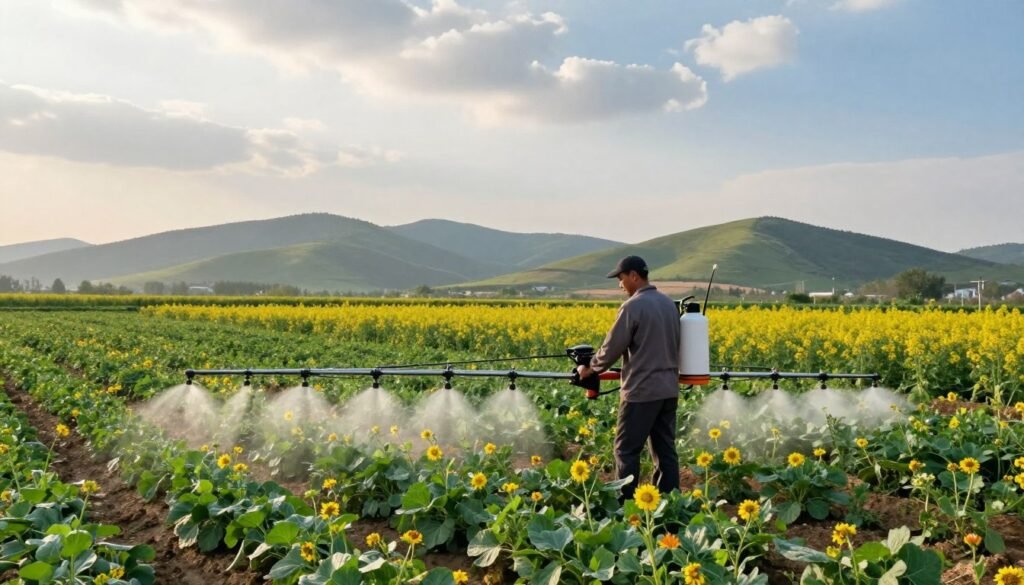
Ask lawn-care firms for low-pressure nozzles when a pesticide application is necessary. Low-pressure sprays make larger droplets. Those droplets fall faster and stay on the target plant rather than drifting onto flowers.
Tell the applicator your garden supports managed pollinators. Request timing that avoids peak foraging hours and mention nearby nesting sites. Check the product label; some products require specific equipment for legal, safe use.
- Low-pressure delivery limits movement of insecticides and fungicides toward nectar and pollen.
- Keeping sprays on foliage cuts exposure of bees, other insects, and soil-dwelling species.
- Many professionals will adapt technique when informed about sensitive plants and bee habitat.
Prioritize reduced-risk products and confirm that the applicator follows label directions. These steps lower toxicity risk and help protect honey, pollen, and long-term pollinator health.
For technical guidance on minimizing off-target pesticide application, see minimizing off‑target deposition of pesticide applications.
Timing Pesticide Use to Protect Foraging Bees
A simple change in application time can spare many pollinators from toxic contact.
Avoiding midday foraging hours lowers direct contact between sprays and visiting bees. Most species forage during the warmest parts of the day. Choosing early morning or late evening for any pesticide application cuts exposure to pollen and nectar.
Always read the product label for timing guidance and legal directions. Some insecticides and systemic products stay toxic in plant tissues for days. Timing alone cannot eliminate every risk, but it reduces immediate contact with flowering plants.
- Example: apply treatments after dusk when bees are inactive.
- Protect ground-nesting bees by keeping sprays away from bare soil near nesting sites.
- Avoid broad-spectrum insecticides during bloom to protect butterflies and native pollinators.
| When | Benefit | Notes |
|---|---|---|
| Early morning | Cooler, less active bees | Good for short‑lived sprays |
| Late evening | Bees inactive; spray settles | Avoid dew that can spread residues |
| Off‑bloom periods | Lowest risk to nectar and pollen | Combine with non‑chemical options |
Regional weather and seasonal rhythms matter. For region-specific timing, consult regional climate profiles for beekeepers. Small schedule changes can protect honey, wild bees, and habitat while keeping pest control effective.
Creating Buffer Zones with Non-Flowering Shrubs
A dense screen of non-flowering shrubs along property lines captures stray spray and shields sensitive areas.
Choose native, hardy species that form a solid mass. A row of these plants catches droplets before they reach your garden. That protects blooms and the food sources bees visit.
Non-blooming shrubs do not attract bees, so nectar and pollen remain safer on the plants you want protected. They also reduce visual exposure from neighboring treatments.
Dense buffers provide long-term protection. They offer shelter for beneficial insects and improve overall habitat while keeping chemicals away from pollinators.
For design ideas and plant lists, review a practical guide on pollinator-friendly hedgerow design and regional recommendations at enhancing urban-suburban landscapes.
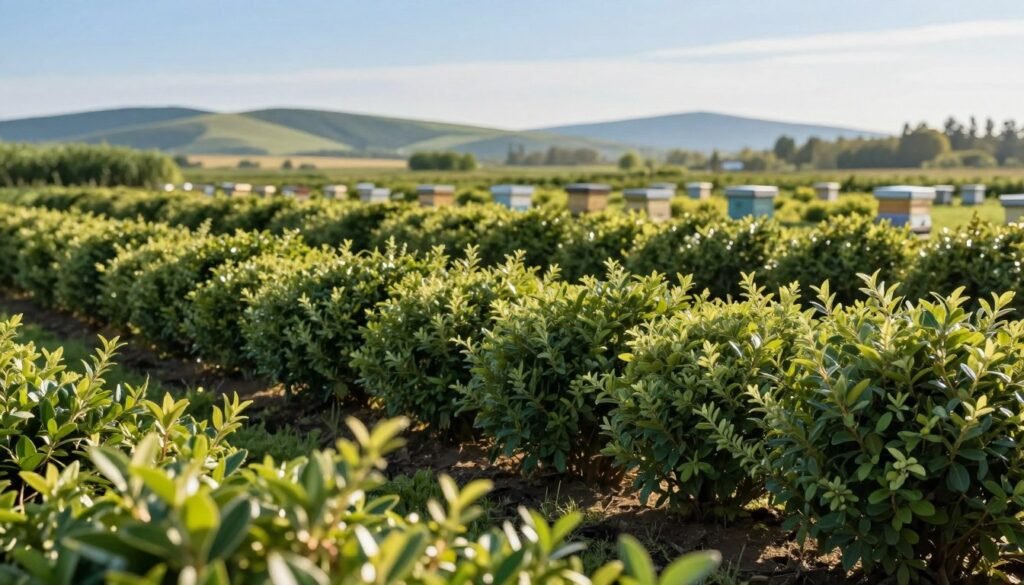
| Shrub Type | Best Use | Benefits |
|---|---|---|
| Evergreen native | Permanent boundary | Year-round screen; low maintenance; shelters bees |
| Deciduous dense shrub | Seasonal barrier | Thick summer coverage; intercepts spray before it spreads |
| Mixed native hedge | Layered buffer | Combines structure and resilience; supports habitat without flowering |
Implementing Integrated Pest Management Strategies
A layered pest strategy uses observation, physical methods, and selective products to protect pollinators.
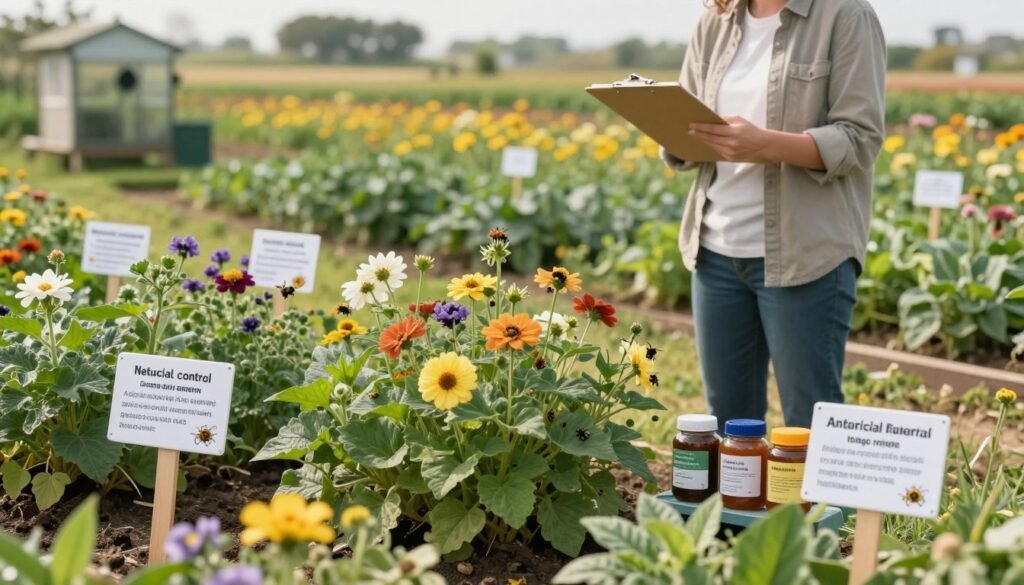
Integrated Pest Management (IPM) focuses on long‑term control using several techniques rather than routine pesticide reliance.
Monitor plants often and record sightings. Early detection lets you apply targeted measures and avoid broad insecticides that harm bees and other pollinators.
Choosing Safer Alternatives
Pick low‑toxicity products and follow the product label for timing and application. Use biological controls such as predatory insects or microbial sprays as an example of effective, targeted action.
- Introduce predators that eat harmful insects.
- Use traps, barriers, and spot treatments rather than broadcast sprays.
- Improve soil and select disease‑resistant plants to lower chemical need.
“IPM shifts the focus from reaction to prevention, keeping habitat healthy and reducing exposure risk for bees.”
| Strategy | Best use | Benefit |
|---|---|---|
| Monitoring & scouting | Weekly checks | Limits unnecessary pesticide applications |
| Biological controls | Targeted pest outbreaks | Maintains insect balance; protects nectar and honey sources |
| Cultural practices | Plant choice and soil care | Reduces long‑term pest pressure; supports butterflies and bees |
Choosing Safer Alternatives to Broad-Spectrum Insecticides
Switching from blanket sprays to selective treatments preserves nectar and supports native bee species.
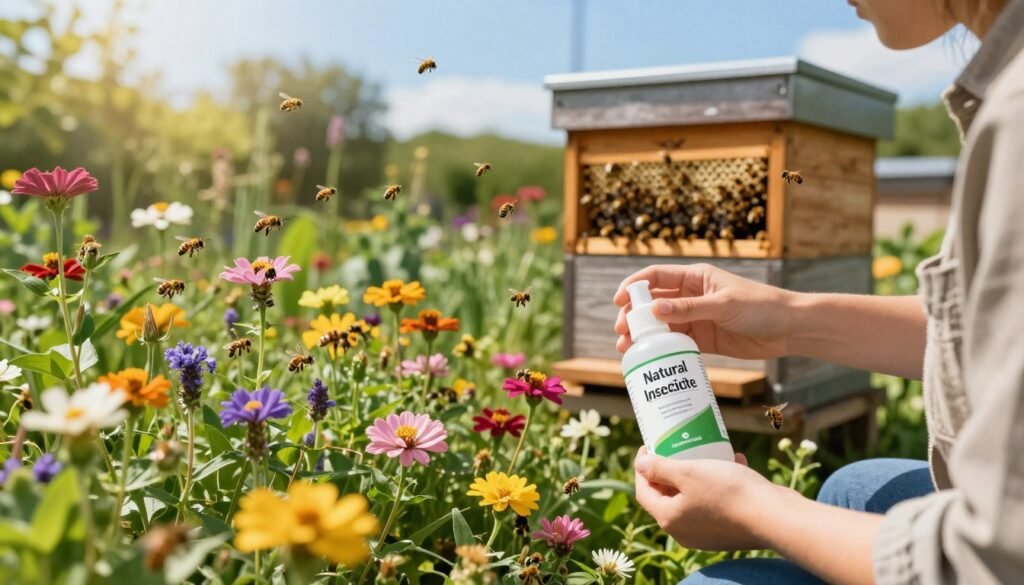
Check the product label before purchase. The label lists active ingredients and legal directions you must follow.
Pick products registered for the specific target pest. Using a product meant for your issue limits harm to non-target insects and nearby plants.
Favor lower-toxicity actives such as acetamiprid over highly toxic neonicotinoids. Many gardeners also use insecticidal soaps and biological controls that spare bees and pollinators.
“Selecting selective treatments protects nectar, pollen, and the soil life that supports healthy gardens.”
- Use spot treatments and traps rather than broadcast sprays.
- Choose products with minimal residual toxicity and avoid fungicides that increase risk when combined with insecticides.
- Follow the product label every time to prevent over-application and accidental off-site movement.
Learn more about protecting beneficial insects and practical options from extension resources like protecting beneficial insects.
Monitoring Your Yard for Signs of Contamination
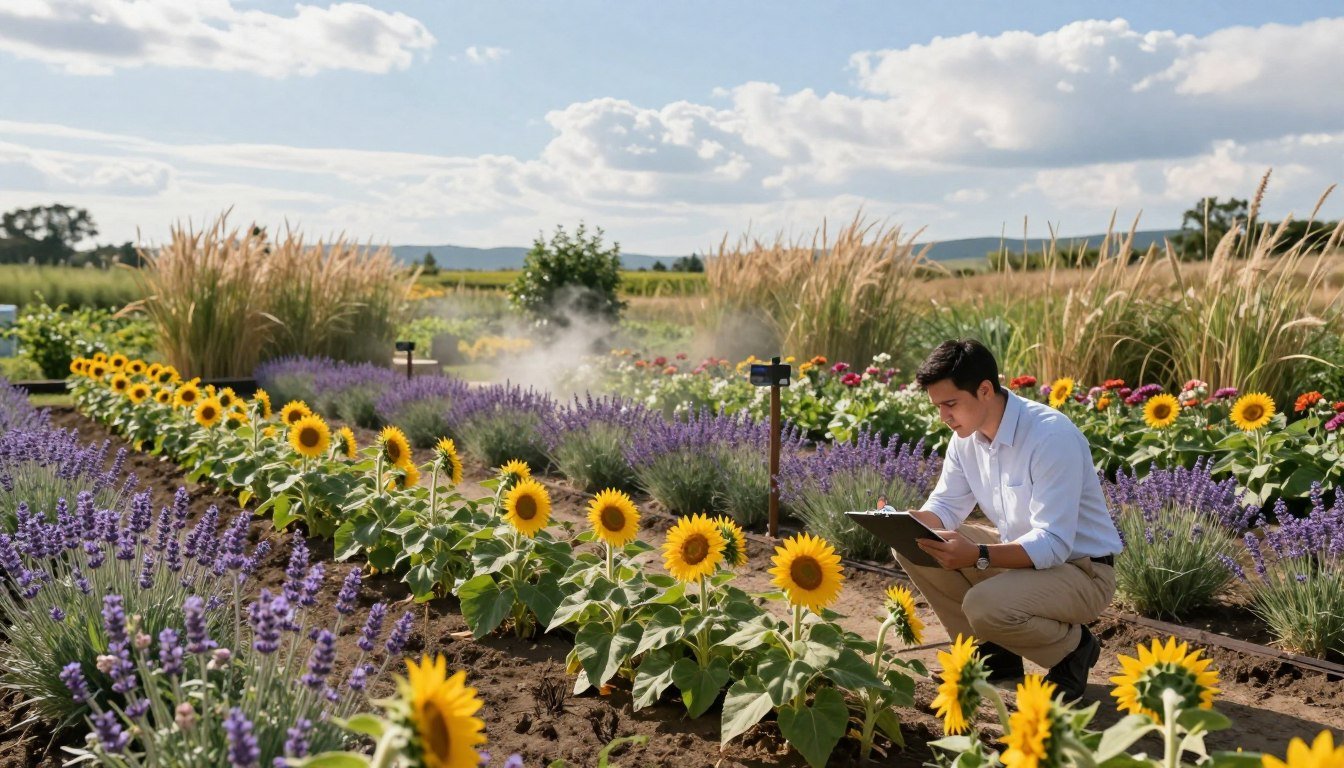
Watch your garden closely for subtle signs that chemicals have reached flowers or soil. Regular checks let you spot problems before they escalate and protect bees and other pollinators that visit your plants.

Look for visible symptoms. Unusual plant death, sudden wilting, or a drop in insect activity are red flags. Finding dead bees near flowering plants after a neighbor’s spray is a clear example of possible exposure.
Keep a simple logbook noting the date, time, and location of any suspicious event. Record product names or descriptions when available and save photos. This documentation helps if you must report harm or seek accountability.
Remember that some insecticides and pesticides do not kill immediately. They may cause long-term toxicity that weakens colonies or contaminates honey and pollen.
- Track plant health, pollinator visits, and presence of weeds that attract insects.
- If you suspect contamination, cover vulnerable blooms, move potted plants, and notify the responsible party.
- Spend regular time in the garden; familiarity makes early detection easier.
“Early observation and clear records are the best defenses against unseen chemical harm.”
| Sign | What to note | Quick action |
|---|---|---|
| Dead bees near blooms | Date, nearby spray, product if known | Photograph; cover flowers; contact applicator |
| Declining visits | Species seen, time of day, weather | Log weekly; compare trends |
| Plant damage | Pattern, affected species, soil wetness | Test soil; avoid further exposure |
Documenting Damage for Accountability
A short, dated photo log gives you credible evidence after an off‑site spray event.
Start with clear before-and-after photos of affected plants, pollen and any dead bees or insects. Date each image and note the approximate time you first saw damage.

Keep a simple written log of product names, visible symptoms, and soil or nectar changes. Record conversations and any promises made by neighbors or contractors.
Collecting facts makes complaints concrete. Photograph containers, labels, and any applicator vehicles when possible.
- Note the time and location for each observation.
- Save receipts or records that show a recent pesticide application nearby.
- Document declines in bee visits and changes in honey or pollen quality.
Use documentation when you speak with lawn care firms or local agencies. Many gardeners have persuaded companies to switch to low-pressure nozzles or safer products after showing clear evidence.
“Good records convert concern into action and protect habitat for pollinators.”
For technical guidance on reporting and regulatory detail, review the EPA pesticide guidance. Clear records help hold parties accountable and protect your garden from further risk.
Supporting Pollinator Health Through Habitat Diversity
A layered landscape of native trees, shrubs, and flowers builds resilience for local pollinators.
Plant a wide variety of flowering species so food is available from early spring through fall. Continuous bloom provides nectar and pollen for honey bees, native bees, and butterflies.
Include native plants that match local needs. Native species support the life cycles of many insects and give specific hosts for larvae that nonnative plants cannot replace.
Mix structure and function across areas. Trees and shrubs offer shelter and nesting sites, while perennial beds supply seasonal food. This variety lowers pest pressure and often cuts the need for chemical products.
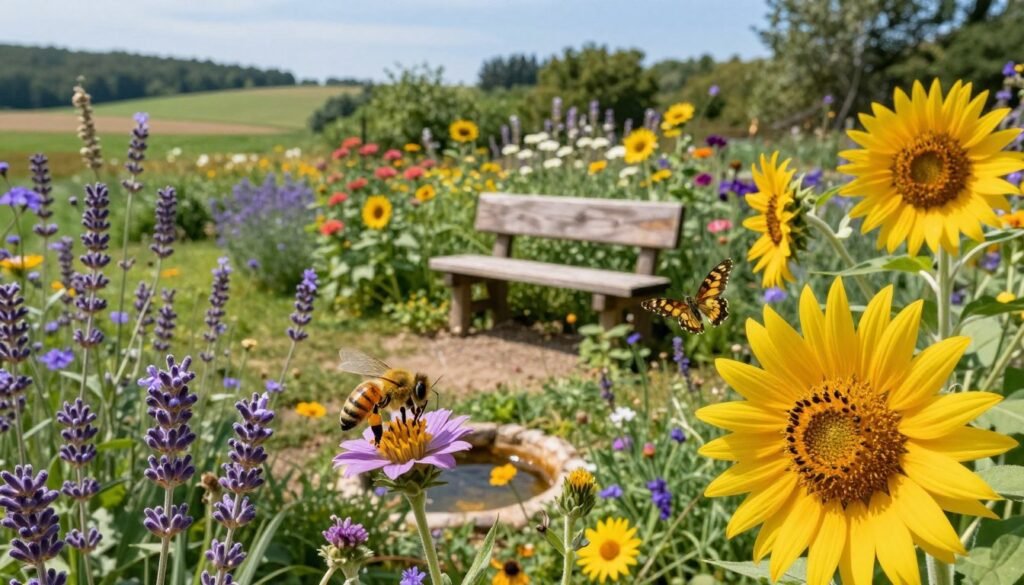
- Create layered beds with early, mid, and late bloomers for steady nectar.
- Add bare ground patches and hollow stems for nesting insects.
- Prioritize native plant lists for your region to benefit local species.
A diverse habitat is the best defense against off-site sprays and other stresses. For more on colony threats and prevention, see colony collapse causes and prevention strategies.
| Element | Role | Benefit |
|---|---|---|
| Trees & tall shrubs | Shelter, seasonal blooms | Shade, nesting sites, early pollen |
| Perennial flower beds | Continuous nectar | Supports adult bees and butterflies |
| Bare ground & stems | Nesting habitat | Helps solitary bees and larvae development |
Educating Your Community on Pollinator Protection
A clear, friendly message often persuades neighbors to try safer gardening choices.
Start with simple information about the value of bees and other pollinators. Share short facts at a block meeting, a local social group, or a community board. People respond well to concrete examples and brief actions they can take.

Host a short workshop or a yard visit to show habitat practices that protect local species and habitat. Offer handouts with clear steps and recommended products. Keep the tone positive and practical—most people are willing to change when they see benefits for gardens and neighbors.
Provide trusted resources so residents can learn more on their own. A concise guide like Securing Pollinator Health helps people explore best practices and regulatory guidance.
Encourage cooperative actions: coordinated spray schedules, shared coverings for blooms, and community hedgerows. When people work together, the whole area becomes safer for bees, butterflies, and other pollinators.
| Action | Quick benefit | How people help |
|---|---|---|
| Host neighborhood talk | Spreads info fast | Invite 6–12 people; share a one-page flyer |
| Distribute resource links | Builds trust | Share a trusted PDF and local extension contacts |
| Create shared buffer plan | Improves habitat | Coordinate planting and spray timing among neighbors |
Leveraging Professional Resources for Pest Control
Expert help makes pest management clearer and safer for your landscape.
Call resources such as the Yard & Garden Line at 612-301-7590 for region-specific advice. Trained staff can explain the right product and the correct label directions for your situation.

Professionals offer practical information about pesticides and application methods that lower risk to honey bees and preserve soil health.
They explain safe product selection and the legal use required by a label. That guidance saves time and prevents unnecessary treatments.
- Ask about lower-risk products and timing that avoids peak foraging.
- Request methods that limit off-target movement and protect nearby habitat.
- Keep records of any product names and label instructions you receive.
| Resource | What they provide | Benefit |
|---|---|---|
| Yard & Garden Line | Local guidance on product selection | Clear label use; fewer mistakes |
| Extension services | Region-specific research and info | Better protection for honey bees and soil |
| Professional applicators | Application technique advice | Reduced off-target exposure; saves time |
Consulting experts helps people choose which products are truly necessary. Use these networks to keep your garden safe and productive while protecting beneficial species.
Conclusion
Small, steady practices make a big difference for pollinator health and habitat resilience.
Adopt strong, practical steps such as physical buffers, selective IPM, clear neighbor communication, and careful monitoring. These actions lower chemical exposure and protect bees and other pollinators visiting your garden.
Keep records and photos after any suspicious event. Good documentation encourages accountability from applicators and local services.
Share resources, host short talks, and consult extension or professional lines when uncertain. A committed community effort builds a resilient urban landscape where pollinators thrive and gardens remain productive.
FAQ
What are the main risks pesticides pose to honey bees and other pollinators?
Chemical sprays, drift and contaminated nectar or pollen can cause immediate mortality, impaired navigation and reduced foraging. Chronic exposure to low residues increases disease susceptibility and lowers brood survival. Fungicides, herbicides and insecticides all can affect bees indirectly by reducing floral resources and altering habitat.
Which application methods minimize off‑site movement of spray droplets?
Use low‑pressure, coarse‑droplet sprayers, targeted soil treatments, or granular formulations when appropriate. Calibrating equipment and choosing nozzle types designed for reduced atomization helps limit airborne particles. Backpacks and shielded sprayers for spot applications cut exposure to nearby plants and nesting areas.
When is the safest time to apply pesticides near foraging pollinators?
Apply treatments late evening or at night when bees are inactive and temperatures are cooler. Avoid treatments during peak foraging hours, early morning and mid‑afternoon. Check product labels for pollinator protection intervals and follow restricted entry intervals on herbicide and insecticide labels.
How can physical barriers protect hives and flowering plants from spray movement?
Install drift barriers such as solid fencing, dense hedges or temporary tarps between treated fields and apiaries. Frost blankets and row covers can shield small beds during nearby applications. Barriers reduce windblown particles and provide a first line of defense against incidental contact.
What steps help identify and document contamination or bee losses?
Keep photo records of dead bees, sick behavior and affected plants. Note dates, times, product names and label information from neighboring treatments. Contact state apiary inspectors or university extension services for sample collection and guidance on chain‑of‑custody if you suspect pesticide incidents.
How should neighbors and applicators coordinate spraying near pollinator habitat?
Share treatment schedules and product labels in advance. Request avoidance of spray during bloom and peak foraging. Establish agreed buffer zones and preferred application windows. Written agreements or community notices reduce surprise events and improve compliance with label instructions.
What alternatives exist to broad‑spectrum insecticides that harm beneficial insects?
Consider biological controls, insect growth regulators, pheromone traps and selective insecticides with lower bee toxicity like Bacillus thuringiensis for caterpillars. Integrated Pest Management emphasizes monitoring, thresholds and cultural controls—crop rotation, sanitation and resistant varieties—to limit chemical use.
How large should a buffer zone be between sprayed areas and pollinator habitat?
Buffer size depends on product label directions, nozzle type and local wind conditions. A practical starting point is a non‑flowering vegetative strip of 10–30 feet; larger distances or solid barriers are advisable for aerial or high‑boom applications. Always follow label requirements for buffer zones.
Can mosquito fogging affect nearby apiaries and wild bees?
Yes. Mist and ULV fogs create fine droplets that travel long distances and can coat flowers and bees. Coordinate with public health officials, request treatments during late night hours, and ask for products with lower pollinator toxicity when possible to reduce impacts on non‑target insects.
How do I monitor my yard for signs of pesticide exposure?
Regularly inspect hives for dead bees at entrances, reduced foraging, erratic flight or brood abnormalities. Check flowering plants for discolored or damaged blooms and unusual insect mortality. Keep a log of observations and nearby spray events to detect patterns early.
Which community resources can help manage pesticide risks to pollinators?
Contact your state Department of Agriculture, the USDA Natural Resources Conservation Service, local university extension or the Apiary Program for advice. Organizations like The Xerces Society and Pollinator Partnership offer guidance on habitat, monitoring and non‑chemical pest strategies.
What information on a product label is most important for protecting pollinators?
Look for active ingredient names, bee hazard statements, application timing restrictions, buffer requirements and restricted entry intervals. Labels include legal directions on use rates and protective measures—always follow them. If unclear, contact the manufacturer or extension agent for clarification.
How can planting diverse habitat support pollinator recovery after exposure?
Establish a mix of native, non‑flowering shrubs and continuous bloom sequences to restore nectar and pollen sources. Provide nesting sites—bare ground, stem bundles and woody debris—and reduce lawn area. Diverse habitat increases resilience and supports multiple pollinator species.
What should be done immediately if a suspected pesticide kill occurs?
Quarantine affected colonies, limit hive movement and document the scene with photos and notes. Report the incident to state pesticide regulatory agencies and bring samples to extension or diagnostic labs. Prompt reporting helps trace the source and may prompt regulatory follow‑up.